
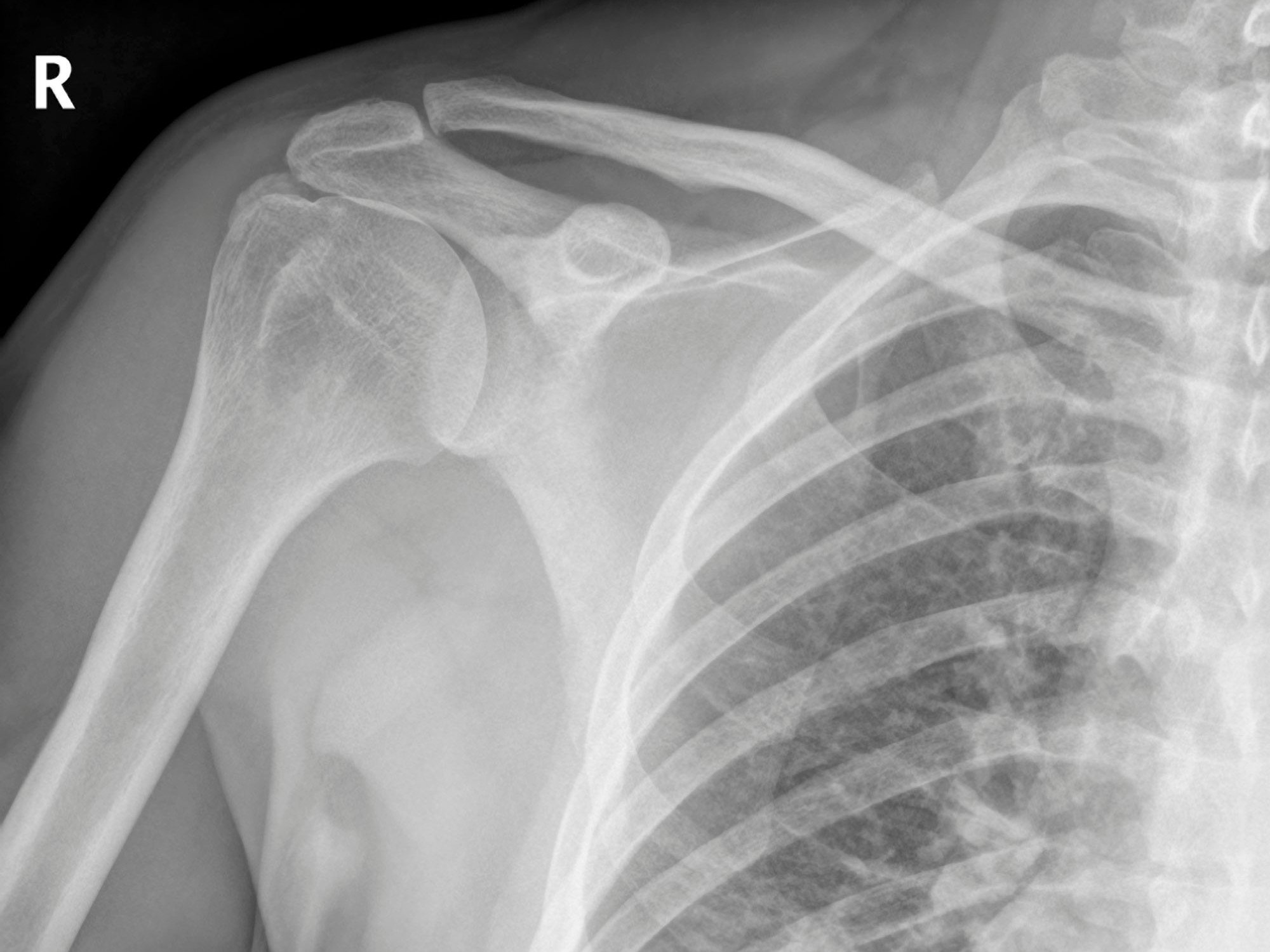
Removing the bursa during rotator cuff surgery may impair healing, as it plays a crucial role in tendon and bone health. Research suggests that surgeons should reconsider its removal and explore its use for drug delivery to improve repair outcomes.
A new study from orthopedic scientists and biomedical engineers at Columbia University suggests that a common method used by shoulder surgeons could be hindering the success of rotator cuff surgery.
During the surgery, surgeons often remove a tissue called the bursa while repairing torn tendons in the shoulder joint, but the study suggests that the small tissue plays a role in helping the shoulder heal.
“It is common to remove the bursa during shoulder surgery, even for the simple purpose of visualizing the rotator cuff,” says Stavros Thomopoulos, PhD, the study’s senior author and the Robert E. Carroll and Jane Chace Carroll Laboratories Professor of Orthopaedic Surgery at Columbia University Vagelos College of Physicians and Surgeons.
“But we really don’t know the role of the bursa in rotator cuff disease, so we don’t know the full implications of removing it,” Thomopoulos says. “Our findings in an animal model indicate that surgeons should not remove the bursa without carefully considering the consequences.”
The challenge of rotator cuff surgery
If you haven’t yet injured your shoulder, it may just be a matter of time.
Most damage to tendons in the rotator cuff comes from wear and tear that accumulates over years of repetitive motions. Among people over 65, about half have experienced a rotator cuff tear, which can make simple daily tasks like combing one’s hair difficult and painful.
More than 500,000 rotator cuff surgeries are performed each year in the United States to repair these injuries, restore range of motion, and alleviate pain, but they frequently fail—ranging from one in five surgeries in young patients to as high as 94% in elderly patients with large tears.
Rotator cuff repairs usually fail because of poor healing between tendon and bone where the tendon is reattached to the bone.
Bursa: friend or foe?
The bursa is a thin, fluid-filled sac originally thought to protect the tendons by providing a cushion between the tendons and adjacent bones.
The bursa often becomes inflamed, sometimes concurrently, when underlying tendons are injured, and surgeons often remove the tissue because they suspect it is a source of shoulder inflammation and pain. But recent studies suggest the tissue may be playing other biological roles besides mechanical cushioning, including promoting healing of injuries to the tendons in the shoulder.
To explore the role of the bursa in rotator cuff disease, Thomopoulos and graduate student Brittany Marshall examined rats with repaired rotator cuff injuries, with and without bursa removal.
Bursa removal impairs uninjured tendons
After the rats underwent repair of a rotator cuff injury, the researchers measured the mechanical properties of the repaired tendon and an adjacent undamaged tendon, the quality of the underlying bone, and changes to protein and gene expression.
The researchers found that the presence of the bursa protected the undamaged tendon by maintaining its mechanical properties and protected the bone by maintaining its morphometry. When the bursa was removed, the strength of the undamaged tendon deteriorated and the bone quality deteriorated.
“The loss of mechanical integrity in the uninjured tendon in the absence of the bursa was striking,” Thomopoulos says. Uninjured tendons in the shoulder frequently degenerate over time after the initial injury, and “the animal data imply that retaining the bursa may prevent or delay the progression of this pathology.”
In the damaged tendon, the researchers found that the bursa promoted an inflammatory response and activated wound-healing genes, but no changes were seen in the mechanical properties of the repaired tendon two months after the repair. It’s possible that differences in mechanical properties would be detected after a longer healing period, Thomopoulos says, something that the research team is currently investigating.
“Overall, what we’re seeing is a beneficial role of the bursa for rotator cuff health, in contrast with the historical view that the inflamed bursa is detrimental,” says Thomopoulos.
The researchers documented similar changes to cells and proteins in bursa samples from patients who underwent surgery to repair rotator cuff injuries, suggesting comparable processes may occur in people.
The bursa as a drug delivery depot
If the bursa is not removed, the tissue could be used to deliver drugs to the repaired tendon to improve healing.
Thomopoulos and Marshall explored this possibility by injecting corticosteroid microspheres into the bursa of their rat model after tendon injury. Steroids are often used to treat musculoskeletal injuries and reduce inflammation.
“The treatment results are somewhat preliminary and require additional time points and mechanical characterization before we can draw strong conclusions,” Thomopoulos says, “but our initial data supports the idea that the bursa can be therapeutically targeted to improve rotator cuff healing.”
The study was funded by the National Institutes of Health and the U.S. National Science Foundation.
Never miss a breakthrough: Join the SciTechDaily newsletter.
Follow us on Google and Google News.
1 Comment
Ha! Want to bet that if you were to undergo rotator cuff surgery and you asked that, based on this article, for the bursa not be removed, that the MD would ignore your request or refuse to do the operation?
MD’s are like robots. They do things a certain way, like a program, even if they don’t know why they do these things and that is that.
Now stop getting involved in complicated medicine patient!