
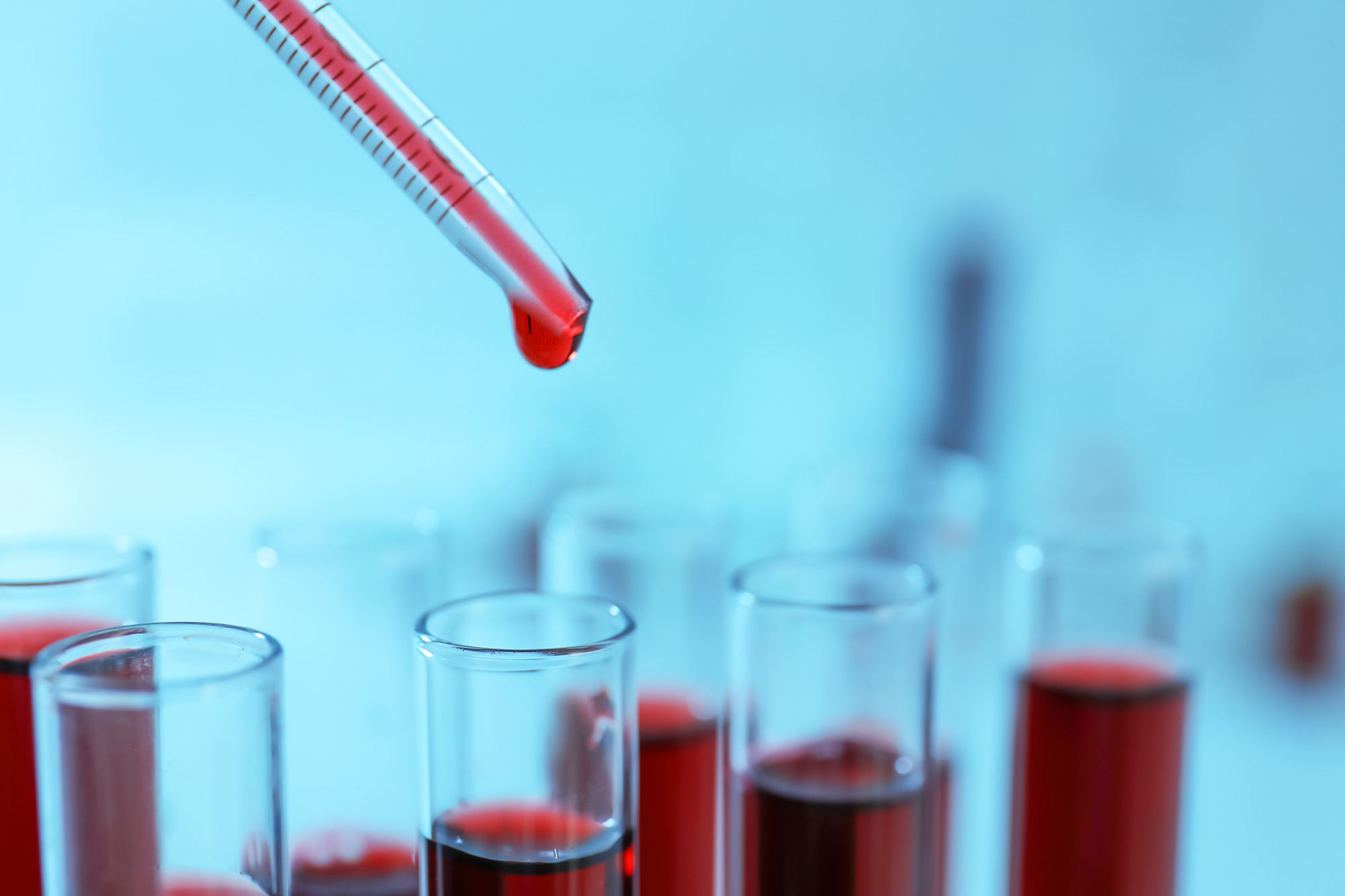
A new AI blood test may forecast major cardiovascular disease risks years before clinical onset by reading real-time molecular signals in the body.
A research team from the Department of Pharmacology and Pharmacy at the LKS Faculty of Medicine of the University of Hong Kong (HKUMed) has created a new AI-powered tool for predicting cardiovascular risk, named CardiOmicScore.
Using a single blood test, the system can estimate a person’s future risk of six major cardiovascular diseases (CVDs): coronary artery disease, stroke, heart failure, atrial fibrillation, peripheral artery disease and venous thromboembolism. It can also detect warning signs as early as 15 years before the diseases become clinically apparent. The findings were published in Nature Communications.
AI-based multiomics integration reflects the body’s real-time health status
Cardiovascular diseases remain the world’s leading cause of death, causing approximately 19.8 million fatalities in 2022 alone. In standard health checks, doctors usually estimate cardiovascular risk by looking at factors such as age, blood pressure, smoking, and other conventional clinical indicators.
These measures, however, may miss early and subtle biological shifts that appear before disease can be diagnosed, which means many patients lose the best chance for preventive action. Polygenic risk scores have gained attention in recent years, but genetic risk is mostly fixed from birth and does not change over time.
As a result, these scores cannot show the immediate effects that lifestyle or environmental changes may have on health. This creates a strong need for tools that can reflect a person’s current biological condition and offer accurate early warnings for CVDs.
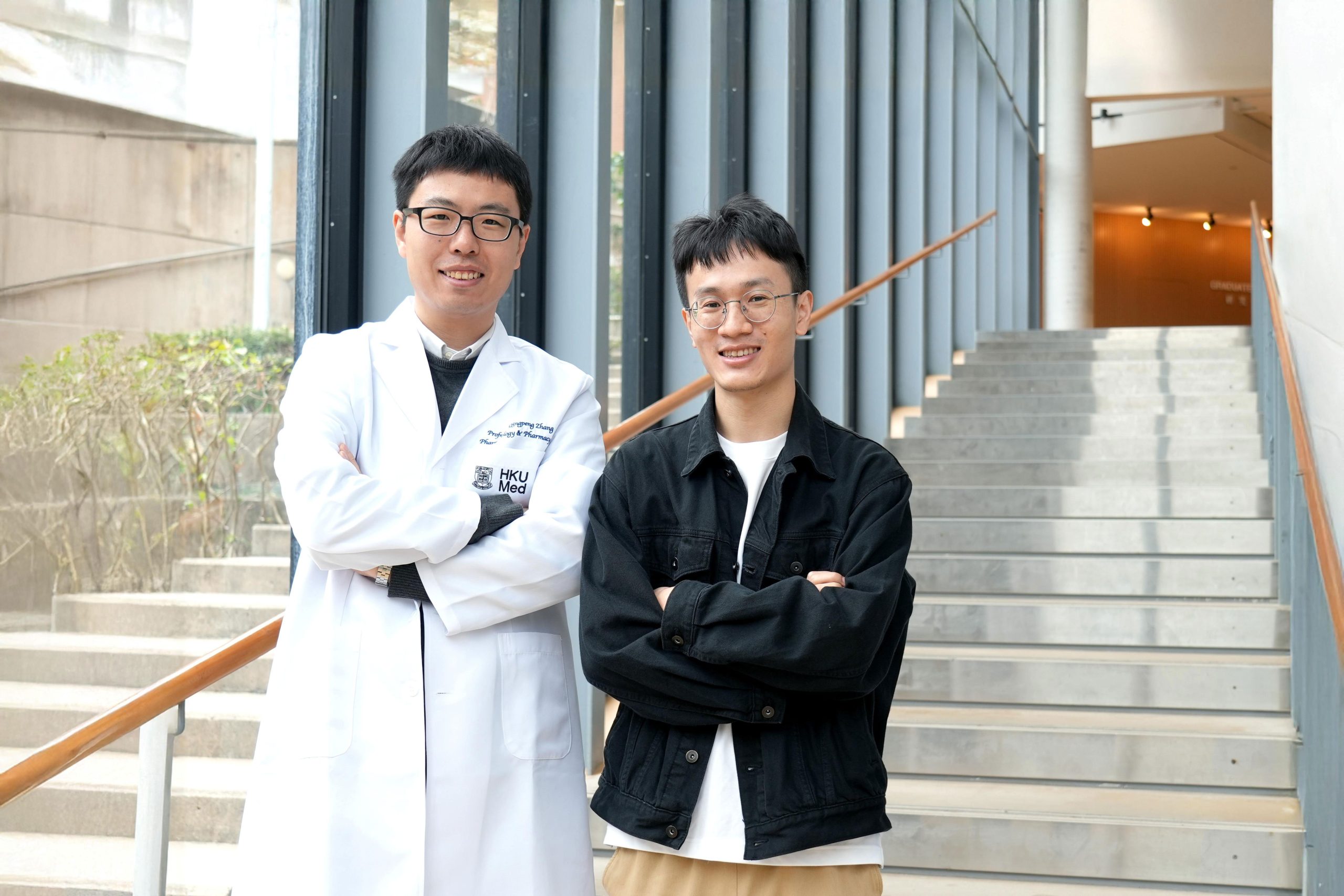
To meet that need, the HKUMed team used deep learning to combine multiomics data, including genomics, metabolomics, and proteomics, in the development of CardiOmicScore. The work used large scale population data from the UK Biobank, analyzing 2,920 circulating proteins and 168 metabolites measured from blood samples. These molecular signals function as ‘real-time recorders’ of the body, capturing subtle changes in the immune system, metabolism, and vascular health.
Professor Zhang Qingpeng, Associate Professor in the Department of Pharmacology and Pharmacy at HKUMed, explained, “Genes determine where we start—they define our baseline health risk. However, proteins and metabolites reflect our current physical health. Our AI tool is designed to decode these complex molecular signals, enabling doctors and patients to identify risks much earlier, which can potentially change the trajectory of disease through timely lifestyle modifications and early prevention.”
Accurate prediction of six major cardiovascular diseases with 15‑year advance warning in high-risk groups
The results showed that CardiOmicScore converts complex multiomics measurements into personalized risk scores and performs substantially better than conventional polygenic risk scores. When paired with clinical details such as age and gender, the model significantly improved prediction accuracy for six common CVDs and could identify elevated risk up to 15 years before symptoms develop.
This work signals a move in precision medicine away from a fixed, gene-centered model and toward a more dynamic approach based on multiomics. In the future, a small blood sample may be enough to produce a broad cardiovascular risk profile for multiple diseases.
Professor Zhang added, “We aim to leverage technology to identify and prevent diseases before they develop. By shifting health management from reactive treatment to proactive prediction and intervention, we aim to create a lasting impact for both public health and individual patient care.”
Reference: “AI-based multiomics profiling reveals complementary omics contributions to personalized prediction of cardiovascular disease” by Yan Luo, Nan Zhang, Jiannan Yang, Mengyao Cui, Kelvin K. F. Tsoi, Gregory Y. H. Lip, Tong Liu and Qingpeng Zhang, 2 February 2026, Nature Communications.
DOI: 10.1038/s41467-026-68956-6
This work was supported by the General Research Fund of the Research Grants Council of Hong Kong (17209225 to Q.Z.) and the Seed Fund for Collaborative Research of The University of Hong Kong (2407102490 to Q.Z.); National Natural Science Foundation of China (82370332 and 82570390 to T.L.), Tianjin Key Medical Discipline Construction Project (TJYXZDXK-3-006B to T.L.).
Never miss a breakthrough: Join the SciTechDaily newsletter.
Follow us on Google and Google News.