
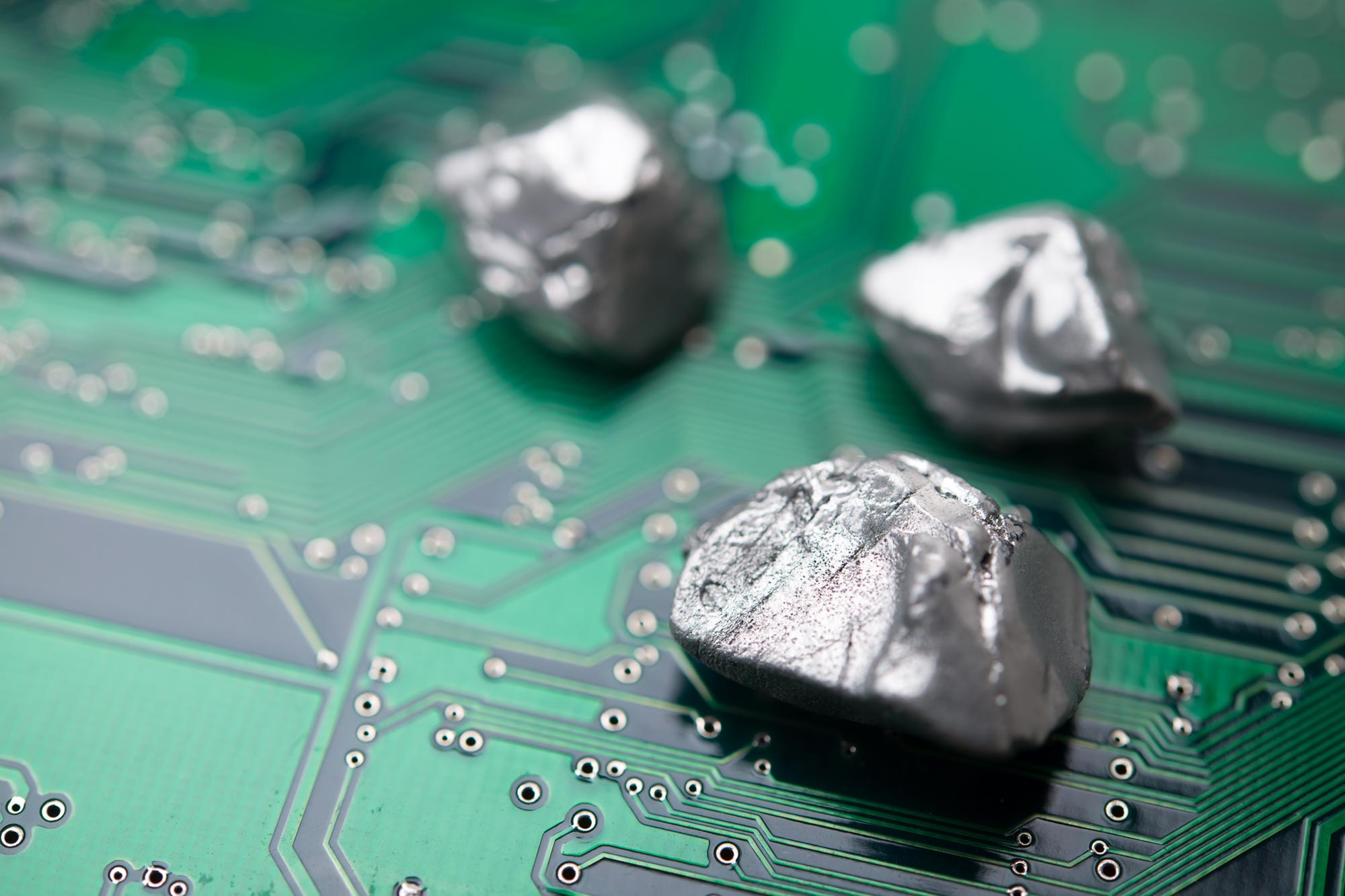
The magnets powering electric cars and wind turbines come with a hidden environmental cost. Swedish researchers are working on a cleaner alternative.
The global transition to clean energy depends on a handful of materials that most people never see. Rare earth magnets power everything from electric vehicles and offshore wind turbines to smartphones and advanced defense systems, yet the supply chain behind them is concentrated, environmentally intensive, and increasingly vulnerable to geopolitical tensions.
That tension is what Martin Sahlberg, Professor of Materials Chemistry at Uppsala University, wants to change.
“It’s a geopolitical problem,” he says.
China dominates rare earth processing and magnet production, giving it enormous influence over materials needed for clean energy, electronics, defense systems, and advanced manufacturing. Recent export controls have shown how quickly that dependence can turn into a supply risk.
Why Rare Earth Mining Is So Difficult
Rare earths are also difficult to produce cleanly. Separating them from rock often requires harsh chemicals, and radioactive elements can occur in the same deposits.
“It’s rather a dirty business today,” says Martin Sahlberg.
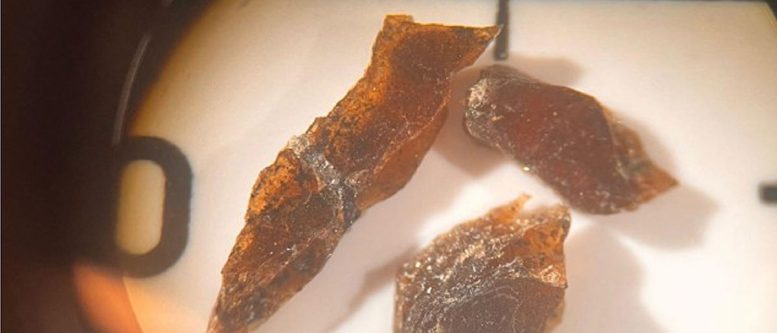
The irony is that rare earth elements are not always rare. The real challenge is finding them in deposits rich enough to mine, then separating them without creating a new environmental problem.
Sweden may have an advantage. Deposits have been identified in places such as Kiruna, Bergslagen, and Norra Kärr outside Gränna. LKAB has described the Kiruna area as home to Europe’s largest known rare earth deposit, with more than 1.3 million tonnes (about 1.4 million U.S. tons) of rare earth oxides reported at Per Geijer.
Sweden’s Plan for Cleaner Rare Earth Magnets
“In Sweden our possibilities for extracting REE, even when compared internationally, are relatively good,” Sahlberg says.
His research focuses on a different way to think about rare earth mining. Instead of digging for one target metal and treating the rest as waste, the team wants to map the full chemical mix inside Swedish deposits and design magnets around what is actually available there.
“It’s a bit like the TV show What’s in Your Fridge,” says Martin Sahlberg.
“Historically, we have mined for a specific metal, iron, copper, or maybe gold. We’re taking a broader approach here to find out what elements there are in the deposits and in what proportions. We make an inventory of ‘what’s in the fridge’ so that we can use all these elements in the most efficient way possible. We’re creating new ‘magnet recipes’ based on the elements we have available,” he explains.
That could make rare earth production less wasteful from the start. If magnets can be designed around local mineral chemistry, Sweden may need fewer intensive purification steps and could reduce the environmental footprint of both refining and manufacturing.
Building a Sustainable Rare Earth Supply Chain
“Today, China basically has a world monopoly, but we not only have deposits but also good access to water and relatively cheap energy. There is also an interest in leading the green transition here in Sweden,” he continues.
The project brings together theoretical physicists, geologists, and materials engineers to trace a cleaner route from raw rock to finished magnet. Sahlberg calls it application-inspired basic research.
“What we are doing is basic research but in an area that is technologically incredibly important.”
Never miss a breakthrough: Join the SciTechDaily newsletter.
Follow us on Google and Google News.
5 Comments
The whole thing is an ideological problem. No more lefties, no more problem!
The whole thing is an ideological problem. No more nazis, no more problems!
thanks for this
I’m sorry, but after watching our “Dear Leader” blabber about communism being the “greatest threat” on network news a few days ago, I have to reply! First, the countries with the highest standard of living have “socialist” economies! Second, socialism is not a precursor to communism! Third, President Trump was a “buddy” of Roy Cohn! Cohn rose to fame during the McCarthy anti-communist trials. Many people’s lives and careers were ruined by these “witch hunts”! Cohn made it possible for Senator McCarthy to conduct this “inquisition”! Trump was an eager student and quickly learned Cohn’s tactics! Trump has repeatedly made the statement that “socialism leads to communism” and repeatedly uses the word “communist” to detract from anyone who doesn’t support him!
As someone who lives in a socialist country, it does NOT work. Living standards are not high. Stop listening to lies.