
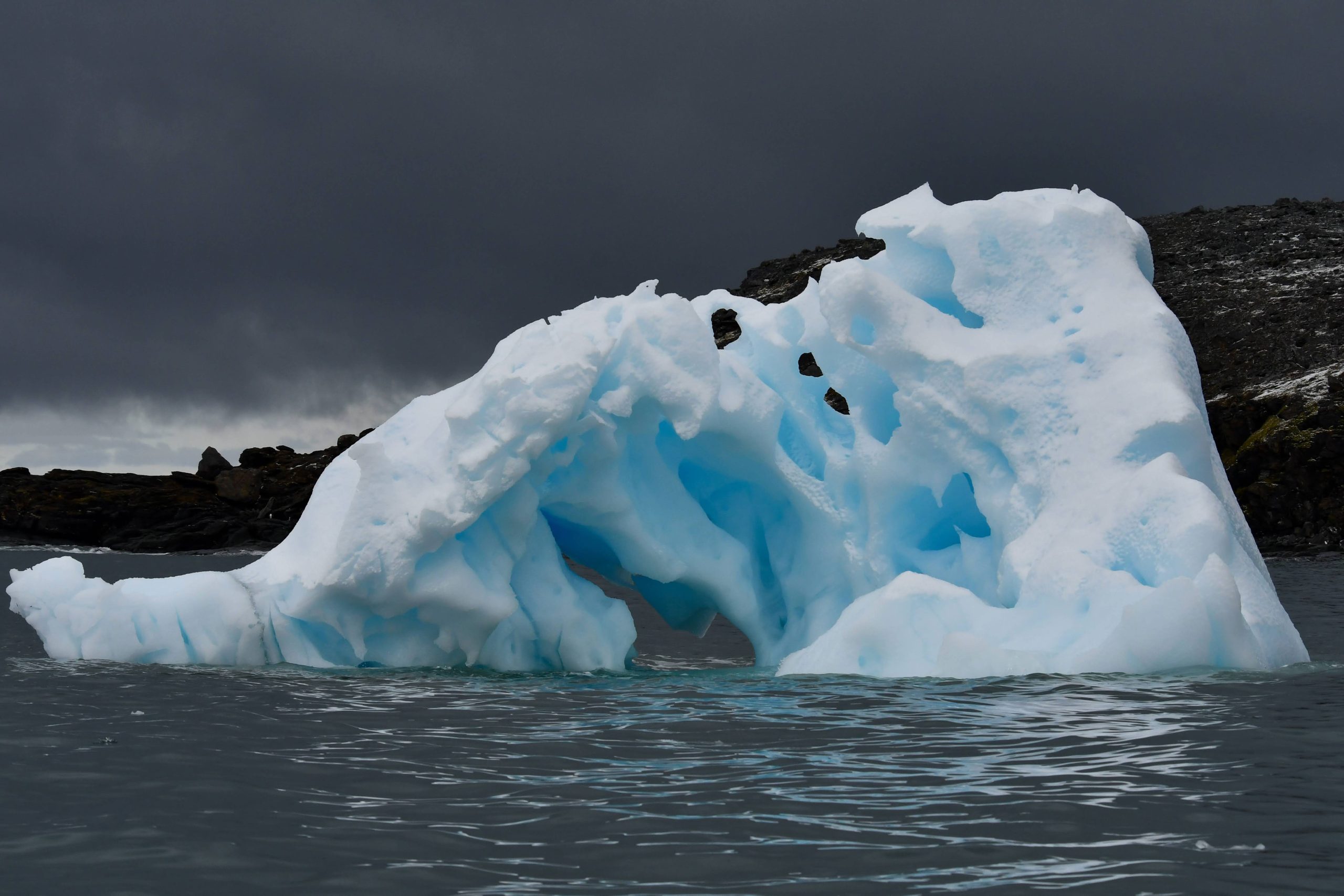
Melting permafrost 304 million years ago may have released vast amounts of carbon into the atmosphere.
A warming episode 304 million years ago may show how a relatively small climate shift can trigger much larger changes. Researchers studying the event found evidence that thawing permafrost released methane into the atmosphere, helping drive a dramatic rise in global temperatures during an ancient ice age.
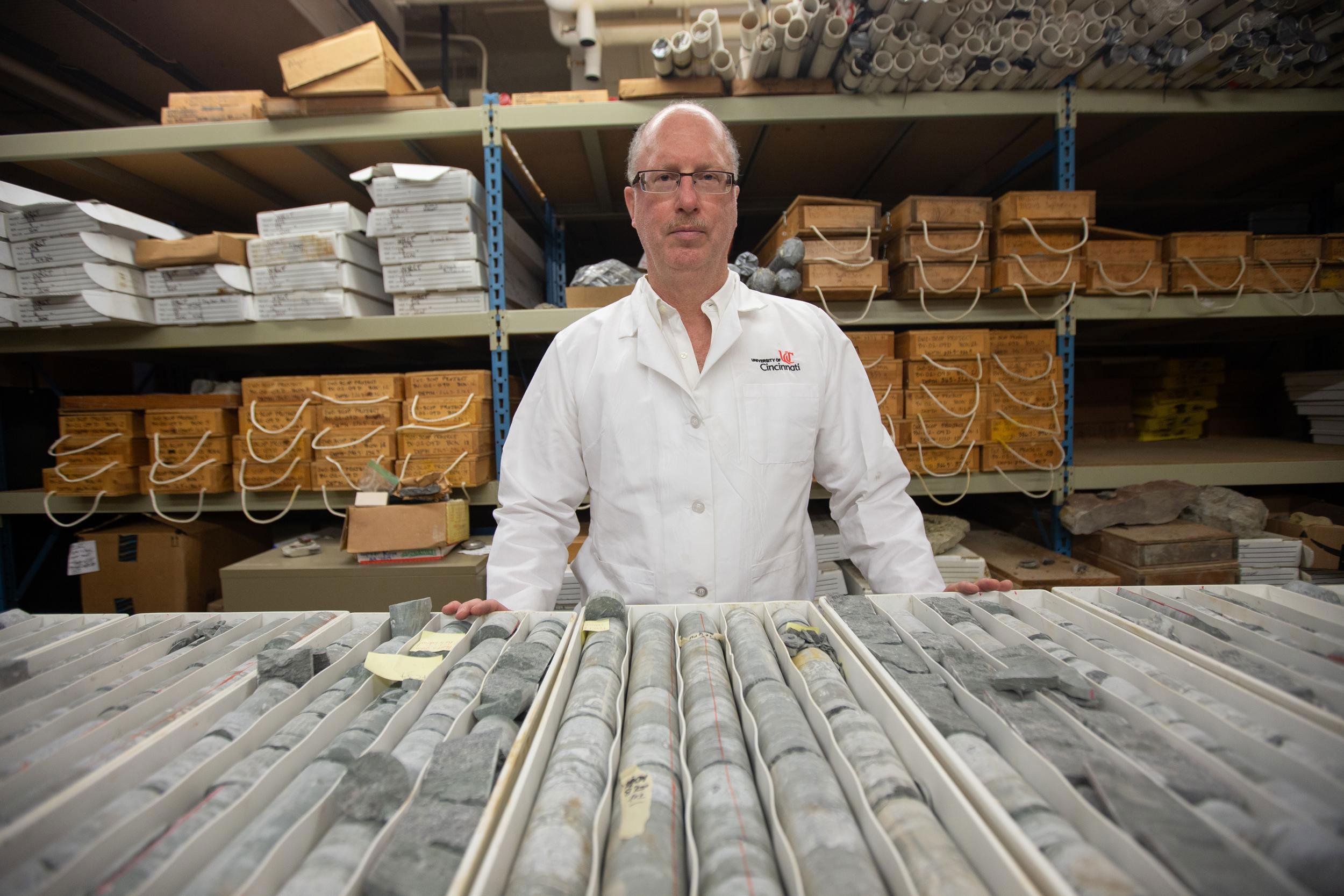
University of Cincinnati Professor Thomas Algeo joined an international team led by Le Yao of the Nanjing Institute of Geology and Paleontology to investigate this rapid warming during the Late Paleozoic Ice Age, the second most recent ice age in Earth’s history.
Their analysis suggests that an initial increase in global sea surface temperature was followed by much stronger warming as melting permafrost released additional methane. Sea surface temperatures ultimately increased by more than 7 degrees Celsius, or 12 degrees Fahrenheit.
The findings were published in the Proceedings of the National Academy of Sciences. The research received support from Peking University and the National Natural Science Foundation of China.
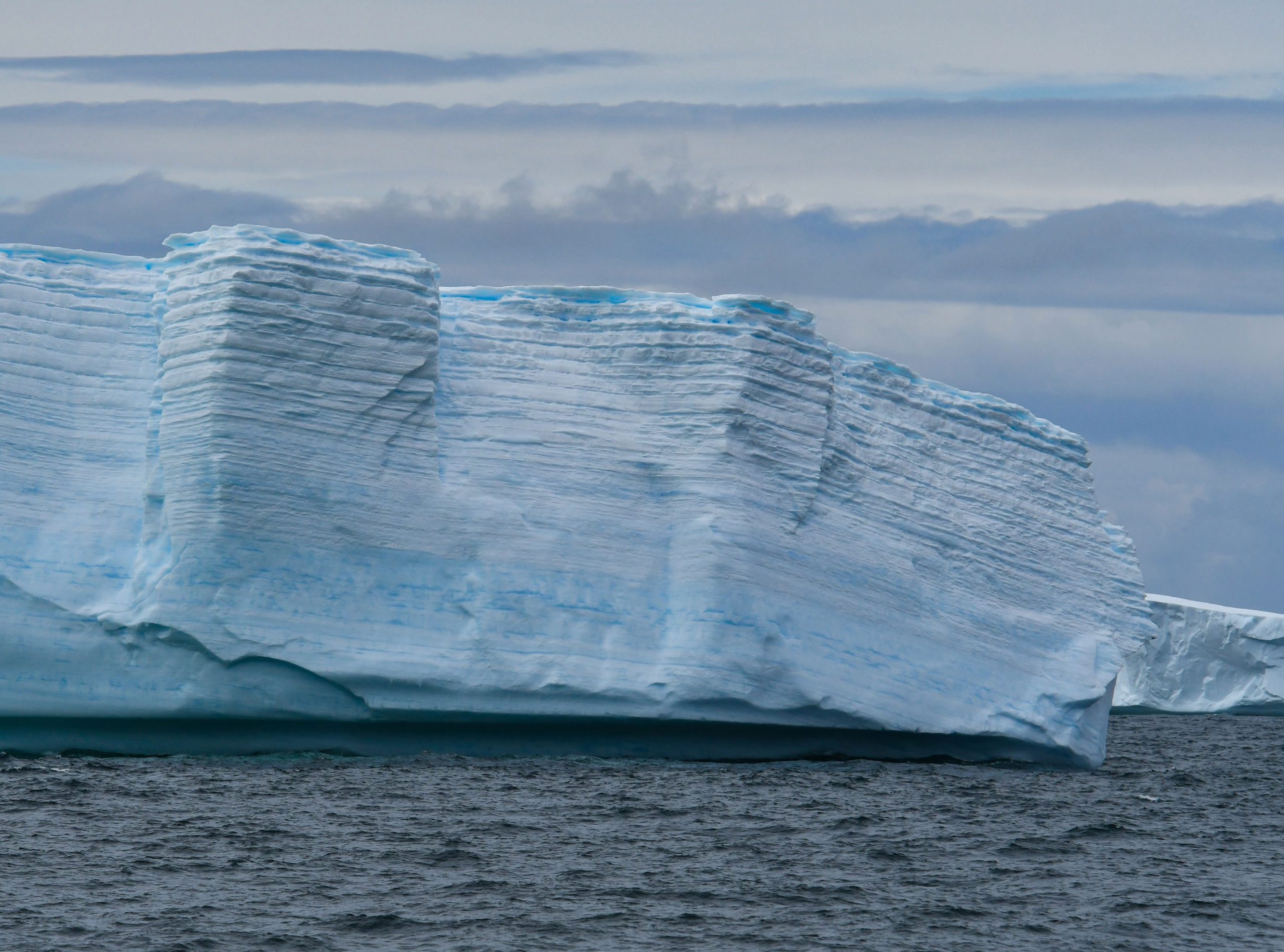
A modest warming crossed a threshold
According to Algeo, the warming unfolded over tens of thousands of years, with temperatures rising by roughly one tenth of a degree Celsius every 1,000 years. Modern warming has proceeded much faster. Researchers have measured an increase of nearly 1 degree Celsius in sea surface temperature over only the past century.
The ancient episode may have begun with volcanic activity and been reinforced by cyclical changes in the shape of Earth’s orbit, which alter how solar energy is distributed across the planet. The resulting carbon release appears to have crossed a “climatic tipping point that led to massive carbon release and transient global warming.”
Melting permafrost could amplify warming
The findings raise concerns about a similar feedback process today. As temperatures rise, thawing permafrost can release stored carbon into the atmosphere, potentially accelerating warming and causing even more permafrost to melt.
Episodes of rapid global warming are more commonly associated with what scientists call greenhouse conditions, when large concentrations of heat-trapping gases such as methane and carbon dioxide accumulate in the atmosphere.
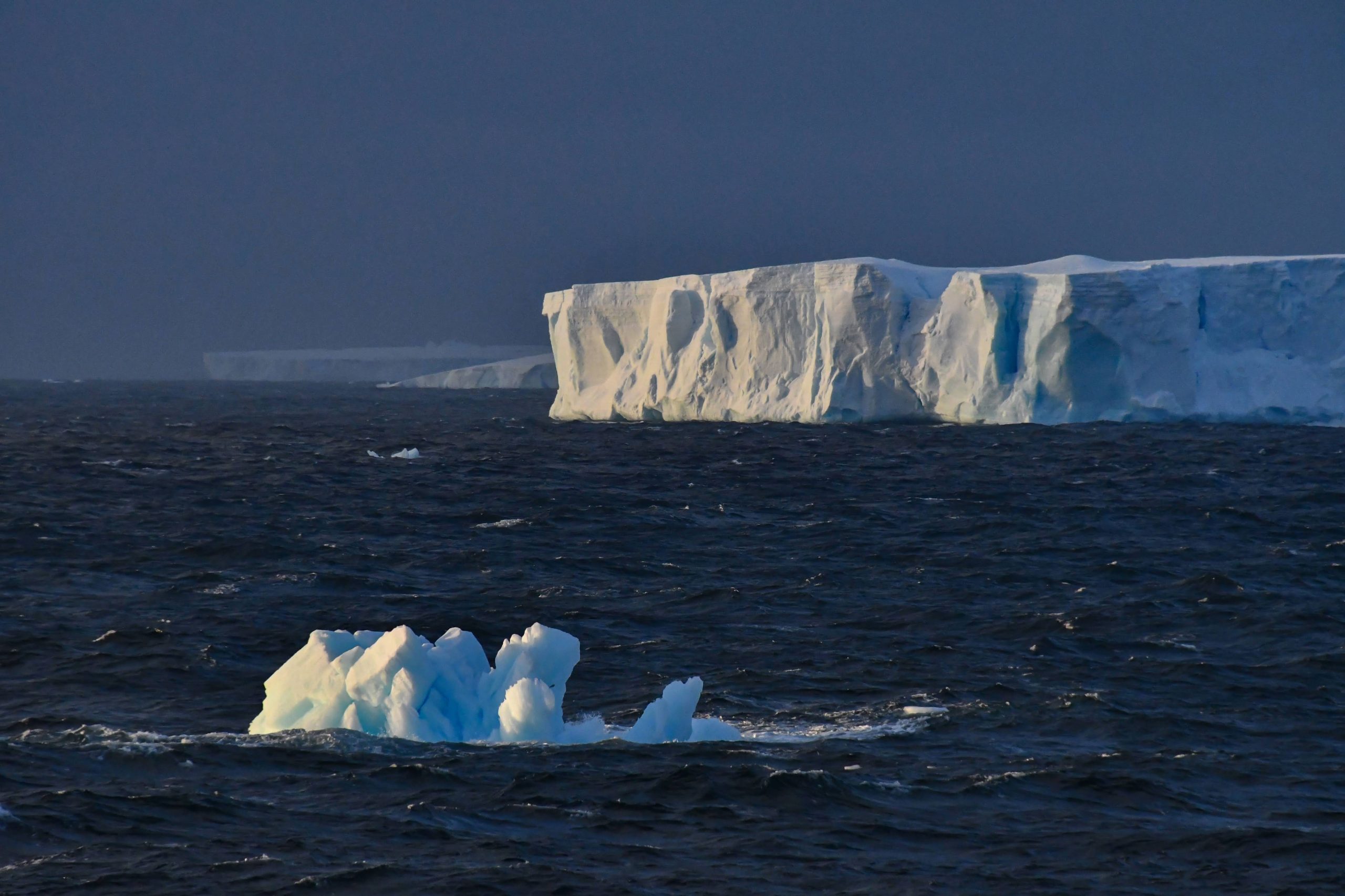
Ancient warming offers a rare comparison
Algeo noted that recorded human history has also unfolded during an ice age. The most recent glacial maximum occurred about 20,000 years ago, when woolly mammoths, cave bears, and giant ground sloths still inhabited Earth.
“We’re technically in an ice age because there are two continent-scale ice masses in Greenland and Antarctica,” he said. “What makes this warming event 304 million years ago unique is that it occurred during an ice age. That’s what makes this event important as an analog for modern-day climate warming.”
Reference: “A transient global warming event during Earth’s penultimate icehouse” by Le Yao, Thomas J. Algeo, Qiulai Wang, Wang Zheng, Qiang Wei, Yu-ping Qi, Guzel M. Sungatullina, Genming Luo, Ganqing Jiang, Guoqiang Tang, Jian Zhang, Hui Wang, Yaqiu Zhao, Xing Huang, Qiu-Li Li, Xiang-dong Wang, Shucheng Xie and Xian-Hua Li, 10 August 2026, Proceedings of the National Academy of Sciences.
DOI: 10.1073/pnas.2601643123
This work was supported by the National Natural Science Foundation of China (grant nos. 42293290, 42372038, 41630101, 42293280, 42405055, 42525302, and 42421003), the Youth Innovation Promotion Association of the CAS (grant no. 2022311), and the State Key Laboratory of Paleobiology and Stratigraphy of Nanjing Institute of Geology and Paleontology, CAS (grant no. 20232101).
Never miss a breakthrough: Join the SciTechDaily newsletter.
Follow us on Google and Google News.
4 Comments
“The KGTM was initiated by a modest carbon release and temperature increase POTENTIALLY associated with enhanced volcanic activity at an orbital eccentricity maximum, which LIKELY crossed a climatic tipping point and triggered massive carbon release and abrupt large-scale warming.”
This reads to me like an unsupported conjecture. Where is the ‘Smoking Gun?” If they are uncertain about the “volcanic activity,” then their House of Cards could easily collapse. The event took place too far back in time to retain actual ice from which methane or carbon dioxide could be retrieved. They then have to rely on leaf stomata correlations, and 18O ratios for temperatures, which are not perfect, to estimate temperatures and CO2 concentration.
It is an interesting hypothesis, but I think that they are expressing an unwarranted faith in their interpretation of incomplete data.
“What makes this warming event 304 million years ago unique is that it occurred during an ice age. That’s what makes this event important as an analog for modern-day climate warming.”
That doesn’t make the event unique! We are in the midst of an interglacial that is probably a continuation of the Pleistocene glacial. According to Wikipedia: “Over 11 major glacial events have been identified, as well as many minor glacial events. A major glacial event is a general glacial excursion, termed a ‘glacial’. Glacials are separated by ‘interglacials’.” With at least 3 traditional major Pleistocene interglacials, and the current Holocene interglacial, interglacials are anything by unique! They are a signature feature!
The late-carboniferous glacial evidence is characterized by tillites that have been subject to re-working and tectonic modification from their original horizontal positions. Unconformities have destroyed much of the original glacial till. We know far less about what happened 304 million years ago than what happened over the last 2.6 million years. Even now, however, advancing glaciers have destroyed evidence of former statial terminal and lateral moraines and left us with information primarily about the most extreme advances.
How about researching measures we can take to survive this climate change which we can do nothing about.
{+_+}
Why do you think that a warming climate is an existential threat? Since the glaciers melted the last time, we have more arable land for growing food, a greater expanse of land for animals and oxygen-producing plants, and even a greater area of benthic zone for, sessile marine animals that need light, after the continental shelves were flooded. The increased CO2 has acted as a fertilizer to expand terrestrial plants and plankton, as demonstrated by NASA. Even now, there are more people who die from cold weather than from hot weather. For humans, probably the optimum global temperature is where the loss of life is the same from both extremes. The tropics are consistently hotter than the mid-latitudes, and have greater biodiversity than anywhere else on Earth. Even the tropical oceans have greater biodiversity than the polar oceans. What’s not to like?
The latest estimates (from Wikipedia) suggest that over the last 2.6 million years, there have been about a dozen warming episodes, including the current Holocene interglacial. Cyclical warming is apparently NOT the rarity once assumed.
Why are you concerned that warming is a threat? Is it because the news media has frequent scary stories about what “could” or “might” happen, without any supported estimates of the probability or uncertainty? Some people, like the proverbial lemmings, are easily stampeded and become the instruments of their own demise.