
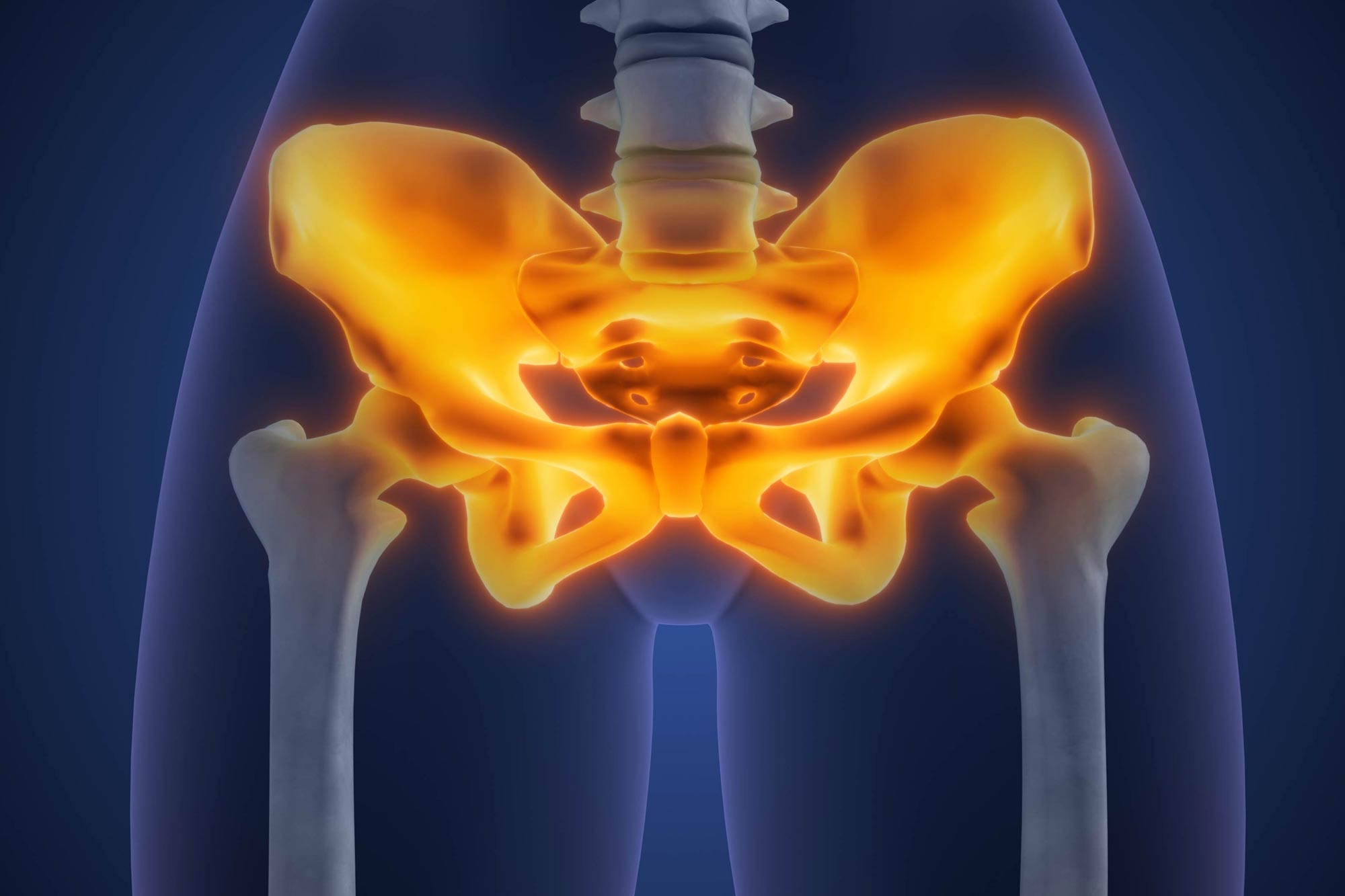
Why do men and women walk differently? A Neandertal pelvis from 35,000 years ago, when Neanderthals still coexisted with modern humans, may help explain why.
Every step humans take places the pelvis under a repeating mechanical load as the body drops and rises again. A study from the Department of Anatomy and Anthropology at Tel Aviv University, published in Scientific Reports, suggests that this everyday movement may help explain a major anatomical difference between men and women.
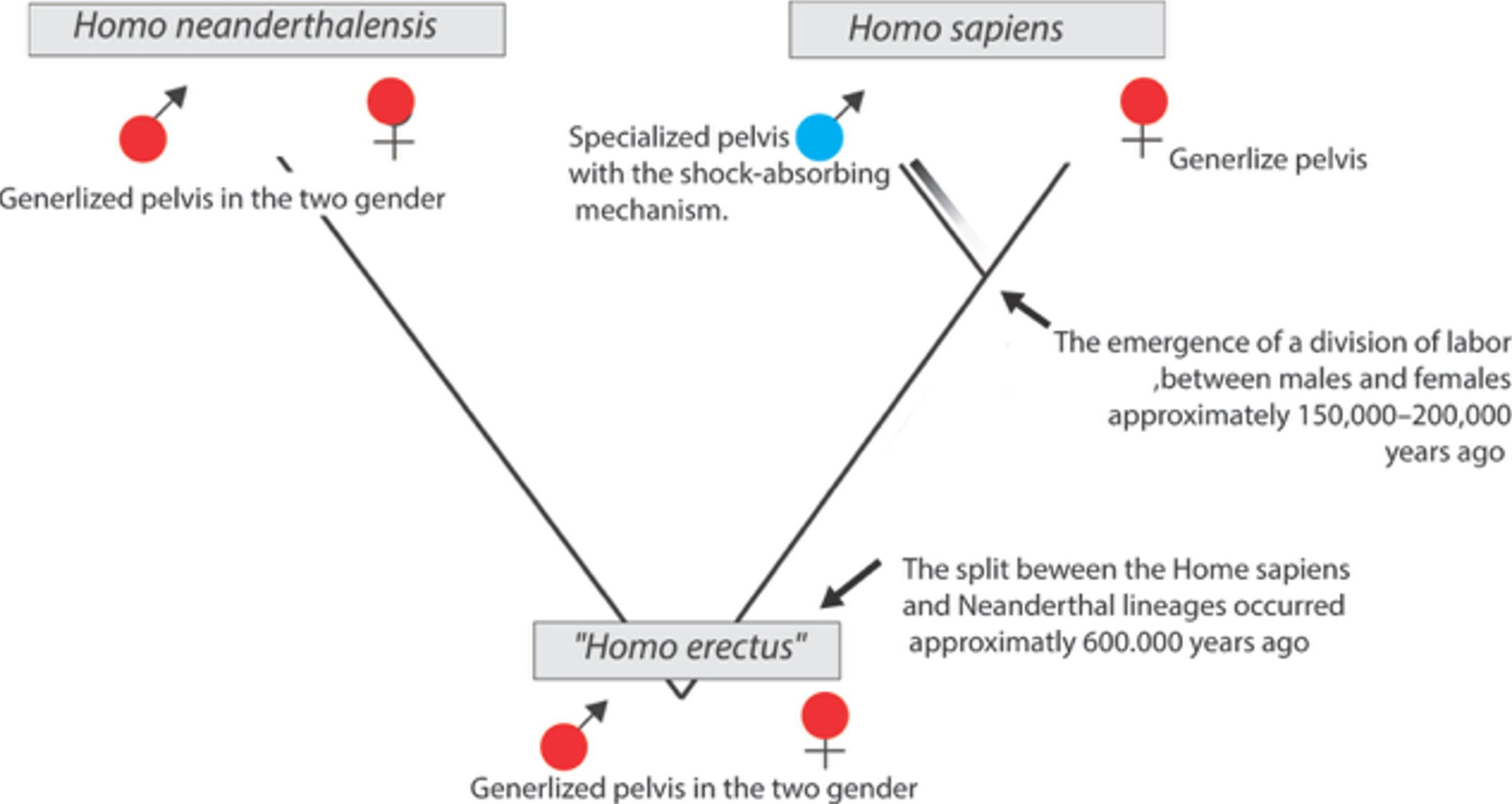
By comparing Neanderthal and modern human pelvises, researchers reached an unexpected conclusion: rather than the Neanderthal pelvis being the unusual form, as long assumed, the modern human male pelvis may represent the evolutionary departure.
The researchers propose that its structure developed into a biomechanical shock-absorbing system that stores energy and improves the efficiency of long-distance walking.
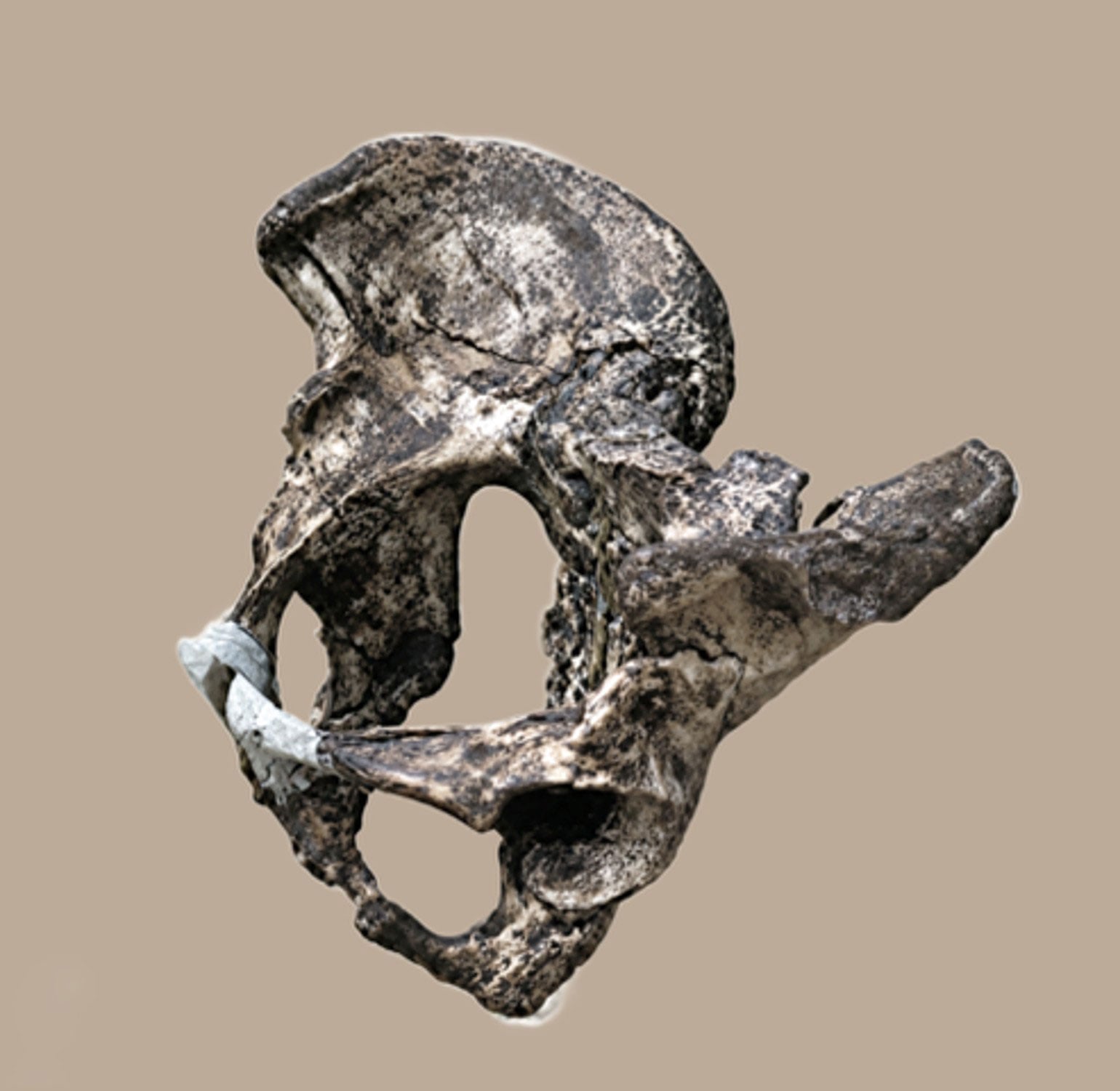
Neanderthal pelvises resembled modern female pelvises
Led by Professor Yoel Rak of Tel Aviv University’s Department of Anatomy and Anthropology, the research also involved scientists from Spain, the Technion, Bar-Ilan University, and Ono Academic College.
The researchers compared two nearly complete male Neanderthal pelvises, one from Kebara Cave in Israel and another from the Sima de los Huesos site in Spain, with dozens of modern human pelvises. Despite their large size and robust build, the Neanderthal specimens more closely matched modern female pelvises than modern male pelvises across most measurements and proportions.
For decades, scientists have treated the Neanderthal pelvis as the anatomical form that needed a special functional explanation. The comparison points toward a different interpretation. Neanderthals and modern human females may have retained an ancestral pelvic configuration, while the pelvis of modern human males underwent substantial evolutionary change and developed its own distinctive anatomy.
Modern male hips may improve walking efficiency
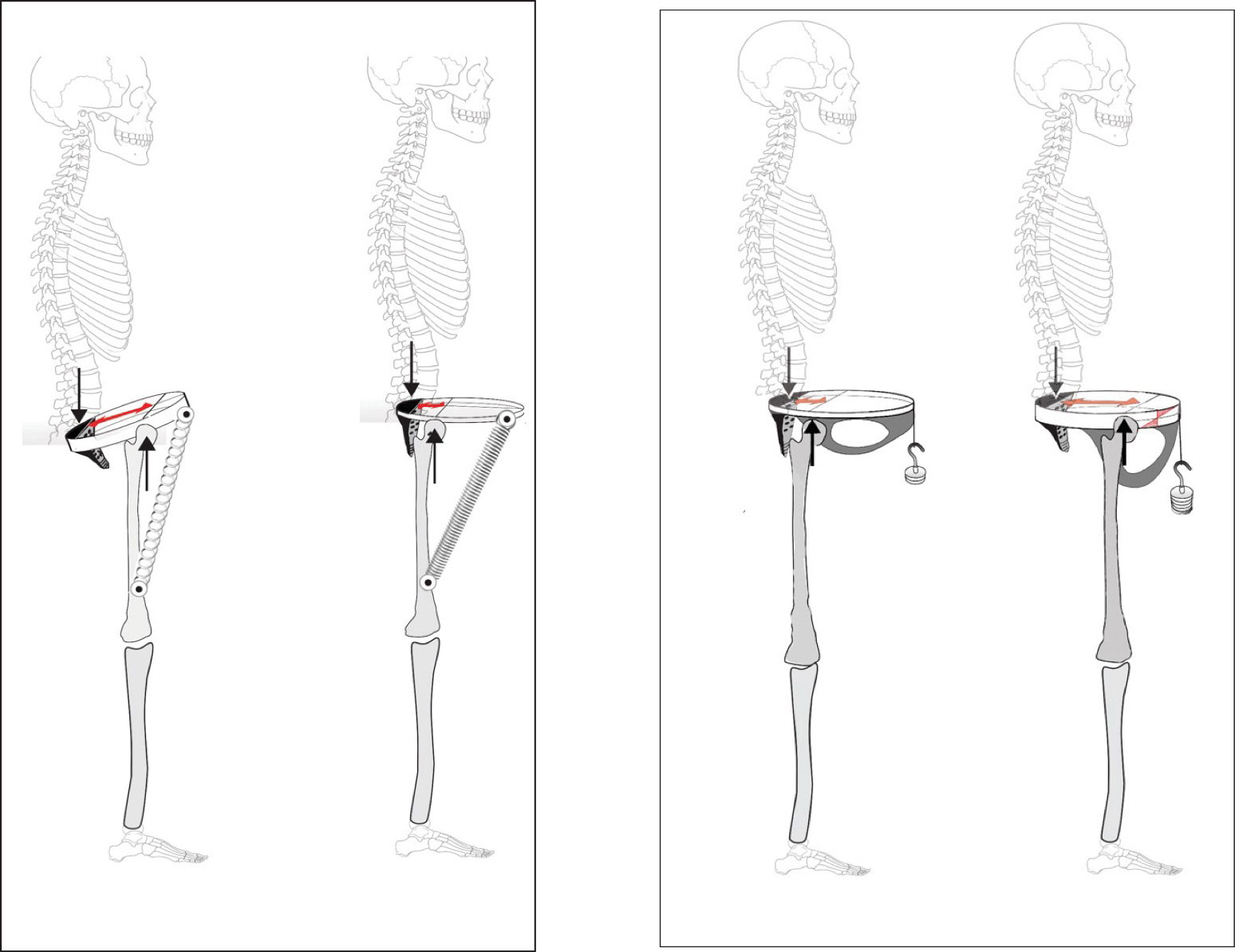
A key difference lies in the placement of the hip joints. In modern human males, they sit farther forward on the pelvic ring than they do in modern human females or male Neanderthals. According to the researchers, that shift created a mechanical arrangement in which the anterior thigh muscles attached to the front of the pelvis can act like a spring while body weight bears on the back of the pelvis.
Professor Rak explains that with every step of bipedal walking, the body’s center of mass moves downward. That movement places stress on the joints and requires energy to lift the body again for the following step.
Under the proposed model, the geometry of the male pelvis allows the thigh muscles to soften the downward movement, store potential energy during the step, and release it immediately afterward– effectively “springing” the body upward into the next step.
The researchers, therefore, describe the pelvis as a natural shock-absorber and energy-return system. This arrangement may lower energy use, make walking more efficient, and provide an advantage during long-distance travel on foot. Moving the hip joints forward also appears to have required other anatomical changes, including a thicker pubic bone and a deeper front portion of the pelvis capable of handling the altered mechanical loads.
Childbirth preserved the ancestral pelvic pattern
Modern human females, according to the researchers, could not undergo the same full set of modifications. Childbirth requires the pelvis to remain relatively shallow while preserving a sufficiently wide birth canal. As a result, the female pelvis may have remained closer to the ancestral configuration, the same general arrangement seen in male Neanderthals.
Professor Ella Been of Ono Academic College, a co-author of the study, adds: “This study demonstrates that questions about human evolution are not confined to the distant past. Understanding the evolution of our walking mechanism can contribute to contemporary research in biomechanics, musculoskeletal medicine, rehabilitation, and injury prevention. The perspective provided by the Neanderthals helps us better understand the modern human body.”
Professor Rak argues that the findings reverse the traditional way of framing pelvic evolution. In this interpretation, the Neanderthal pelvis is not the anatomical anomaly that demands explanation. Instead, the distinctive pelvis of the modern human male represents the evolutionary innovation.
The researchers say their biomechanical model could account for a substantial portion of sexual dimorphism in the human pelvis, meaning the anatomical differences between females and males. The work also suggests that even macroscopic human anatomy, despite centuries of study, may still contain previously overlooked structures, geometric relationships, and biologically important mechanisms.
Reference: “Neandertal pelvis reveals specialized walking apparatus in human males” by Yoel Rak, Juan Luis Arsuaga, Assaf Marom, Eli Geffen, Alon Barash and Ella Been, 31 July 2026, Scientific Reports.
DOI: 10.1038/s41598-026-59915-8
Never miss a breakthrough: Join the SciTechDaily newsletter.
Follow us on Google and Google News.