
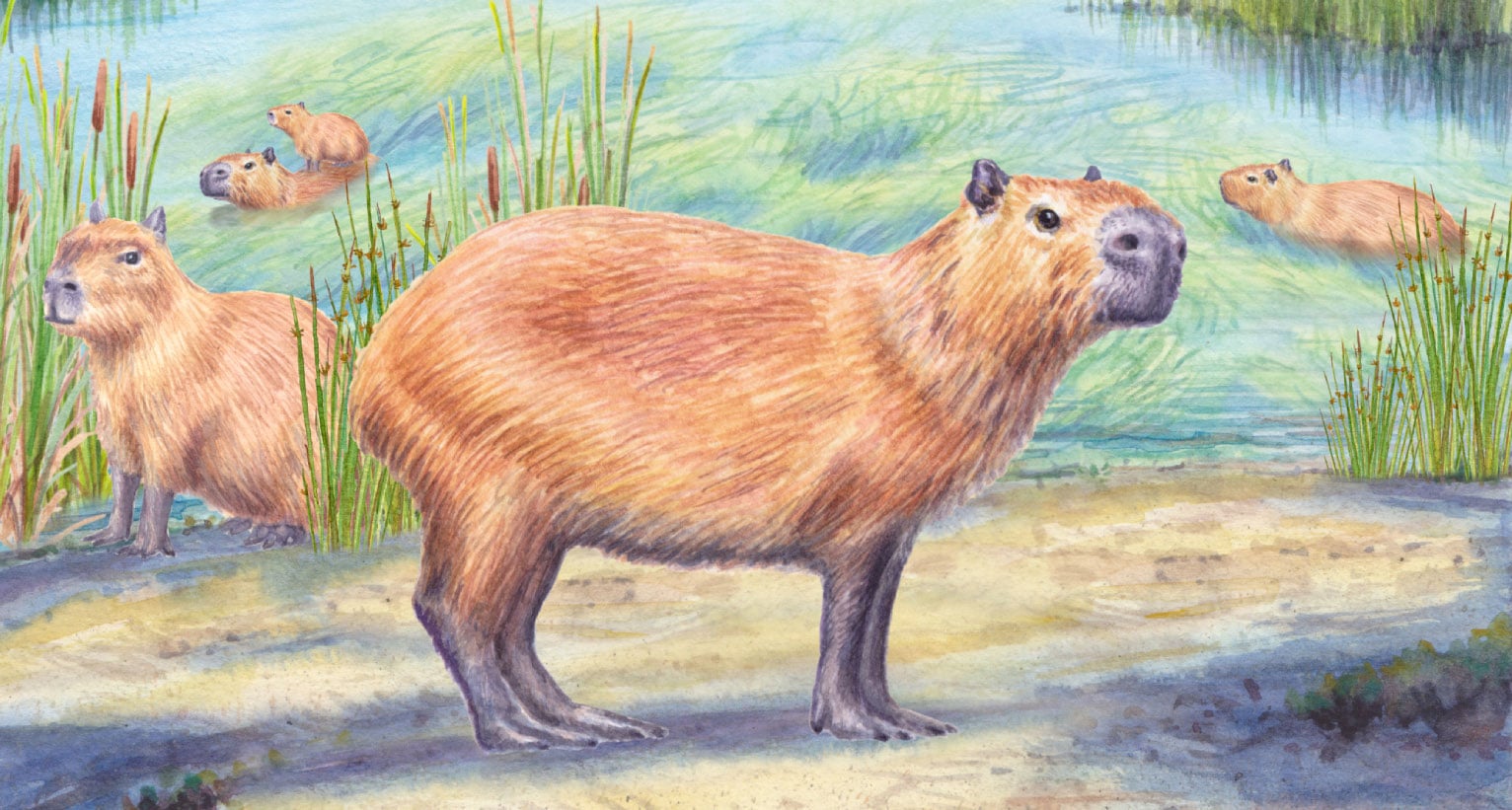
Scientists were surprised to discover a fossilized tooth from a capybara that lived almost 9 million years ago in what is now northern Chile’s Atacama Desert.
Chile’s Atacama Desert is an unlikely place to find traces of capybaras, the world’s largest living rodents, whose lives revolve around water and wetland plants. Yet a fossilized tooth places one there almost 9 million years ago, suggesting that this parched stretch of coast once offered a much wetter home.
The discovery challenges the longstanding view that the Atacama has remained continuously dry for an estimated 40 million years. Described in a study published in Scientific Reports, the tooth provides the first and oldest record of a capybara in coastal Chile, a country where none live today.
“Finding a capybara tooth in a marine deposit in what today is one of the driest regions on Earth is just freakish,” said Priscilla Martinez, the study’s lead author and a doctoral student in the University of Arizona’s Department of Geosciences.
A capybara tooth in marine sediments
Researchers recovered the tooth from a three-foot-thick sediment bed at El Morro in northern Chile. The sediments were deposited in a shallow sea between 10 million and 7 million years ago. El Morro is part of the fossil-rich Bahía Inglesa Formation, which also contains Cerro Ballena, or “Whale Hill,” recognized as the world’s largest concentration of whale fossils. No other capybara remains this old have been found in Chile.
Local residents had long recognized that the area held fossils of animals unlike those inhabiting the desert today. Many dug up specimens to sell to collectors, leaving some of that history beyond researchers’ reach.
“Many of the fossils originally discovered at that location are lost in time,” Martinez said, “but certain merchants were interested in understanding them a little bit better, and so they donated them to local scientists.”
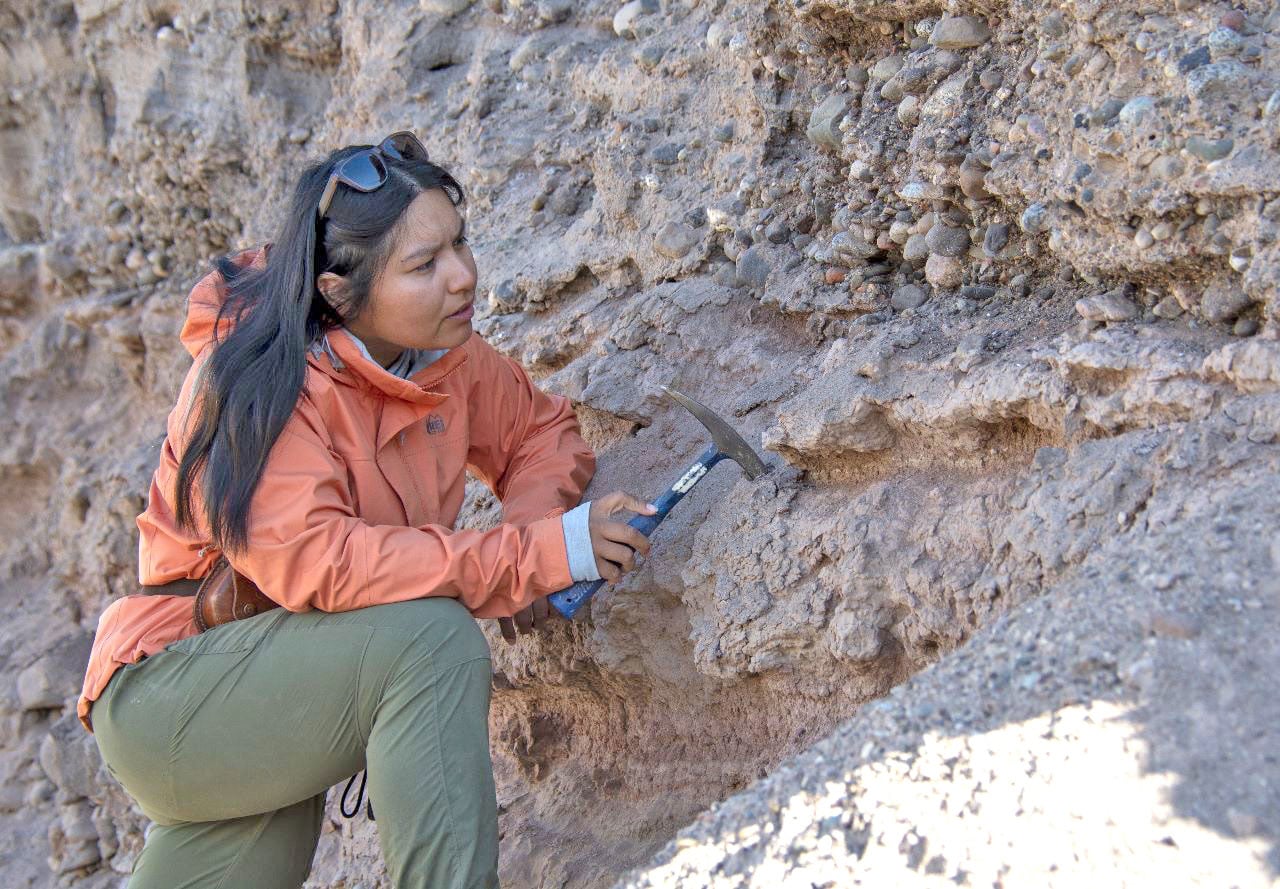
Among those scientists was the study’s first author, Carolina Gutstein, head of paleontology at the Chilean mining company Fosfatos de Caldera and a professor at Universidad Santo Tomás in Santiago. Gutstein has a longstanding working relationship with local fossil experts in the area.
Palms and crocodiles in the Atacama
The sediments also preserved microscopic traces of the plants that once grew nearby. These remains, called phytoliths, are tiny accumulations of silica that form inside plant cells and tissues as roots absorb dissolved silica from groundwater. Their shapes can help specialists identify the kinds of plants that produced them.
Co-author Caroline Strömberg, a professor at the University of Washington, specializes in reading this botanical record. Here, the evidence pointed to palms and other flowering plants, including dicots, a major group of flowering plants. Such vegetation would be out of place in the Atacama today.
“Think sunny Southern California full of palm trees,” Martinez said. “You don’t really expect the Atacama Desert to have palms, and we’re not sure if they were blooming extensively there, but they were definitely there.”
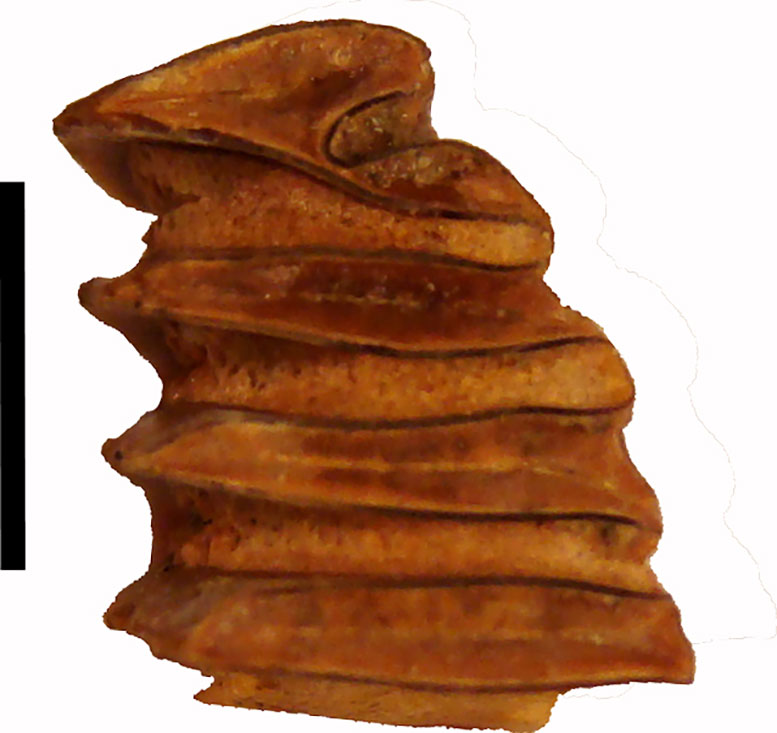
Fossils of aquatic animals strengthened the case for a landscape with fresh water.
“We have multiple lines of evidence indicative of really wet conditions that are typically associated with capybara today,” said co-author Mark Clementz, a paleobiology expert, professor, and head of the University of Wyoming’s Department of Geology and Geophysics. “The same deposits contain fossils of freshwater fishes and gavials (freshwater crocodiles).”
Together, those remains suggest more than a wet place where a single capybara happened to turn up. The combination of water and vegetation could have supplied the habitat and food these semiaquatic herbivores needed to maintain a population.
“All this supports the idea that there was enough of an ecological community to support capybara populations long term,” Clementz added.
Capybaras may have skirted the Andes
How capybaras reached Chile’s coast is another question. Capybaras and their close relatives, guinea pigs, are native to South America. Today, capybaras inhabit low-elevation wetlands east of the Andes, with their core range roughly following the Amazon River basin. Their broader distribution stretches from parts of Venezuela and Colombia south to northeastern Argentina and Uruguay.
“We don’t have any other evidence of capybaras in that part of coastal Chile,” said co-author Barbara Carrapa, a University of Arizona geosciences professor and Martinez’s doctoral advisor. “They’re not supposed to be there. So, we immediately asked ourselves, ‘Why were they there? Where did they come from?'”
The Andes stood between those eastern lowlands and the Atacama. Geologists estimate that the mountain chain, reaching elevations of up to 18,000 feet, had already formed a formidable barrier long before capybaras appeared roughly 9 million years ago. For an animal dependent on water, the dry climate of the high plateau would have compounded the difficulty of crossing.
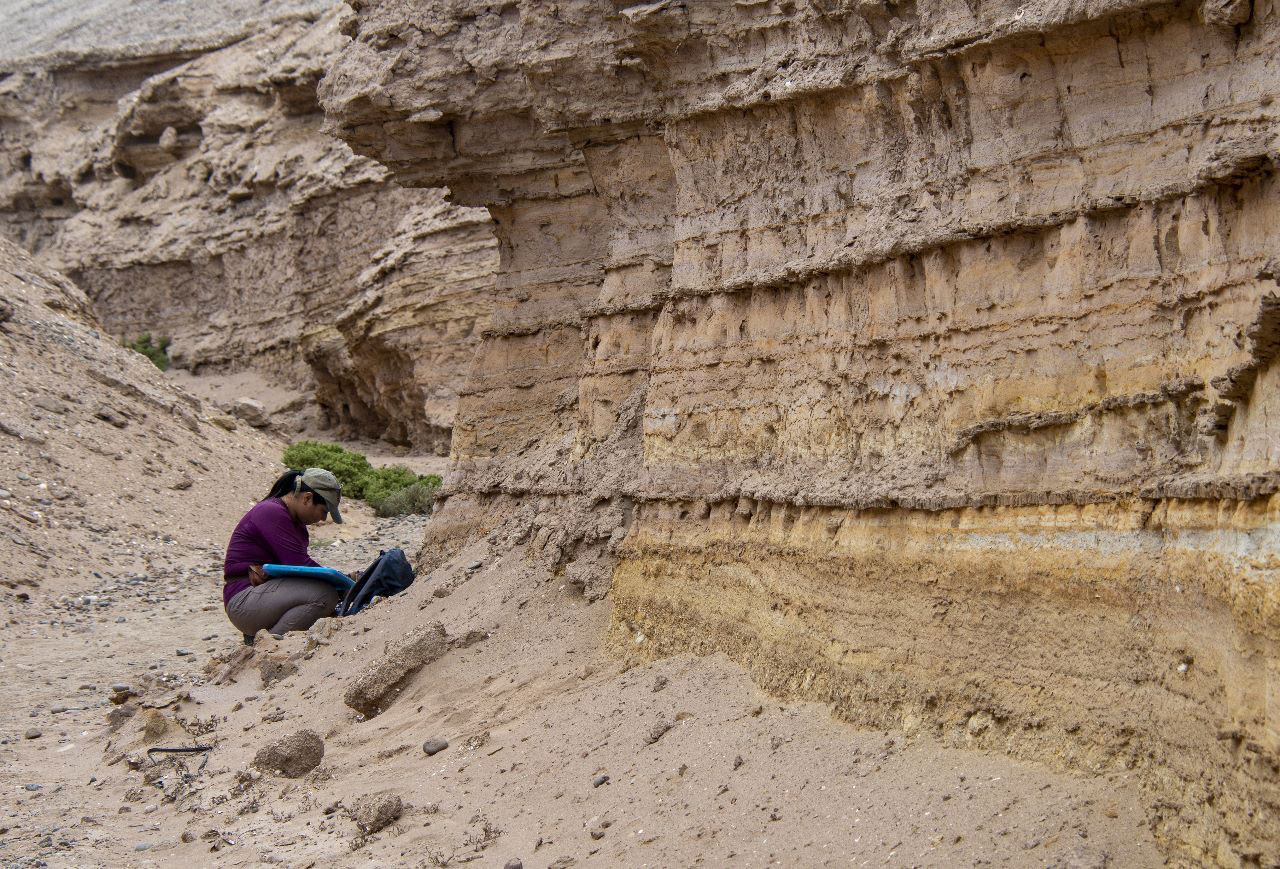
“Not only are the plateau lands of the Central Andes very tall, they’re also extremely arid,” Martinez said. “So, if capybaras originated east of the Andes in this foreland region, how in the world could these short-legged rodents make it across?”
The authors propose a route around the mountains. Capybaras move through corridors of suitable habitat along creeks and rivers, and connected low-elevation wetlands may once have allowed them to spread along the coast. That journey would have run “counterclockwise” around northern South America, from present-day Venezuela through Colombia, Ecuador, and Peru into northern Chile.
Both the proposed route and the habitat indicated by the fossils raise questions about when this part of the Atacama became persistently dry. Clementz said evidence of a different past had received too little attention under the prevailing picture of an ancient desert.
“No one really argued with that paradigm, even in the face of these other fossil finds suggesting that things were different in the past,” he said. “Finding this capybara – which I think everyone can agree is not a desert animal by any means – at that location is going to challenge many of the ideas about the Atacama’s history.”
“The more we understand deserts, which are extremely sensitive to changes in climate, including shifts in monsoon intensity from year to year, the better we can predict how they fare long term,” Martinez said. “And if we can understand past climate changes that had nothing to do with humans, it gives us a baseline to work off of to understand how climate can evolve over time with humans in the mix.”
Reference: “Late Miocene capybara in the Atacama Desert reveals a wetter climate and a transcontinental dispersal pathway” by Carolina S. Gutstein, Priscilla R. Martinez, Barbara Carrapa, Mark T. Clementz, Jorge J. Cherem, Mario A. Cozzuol, Caroline A. E. Strömberg, Mario E. Suárez, Catalina Carreño Chavarría and Jacobus P. Le Roux, 5 September 2026, Scientific Reports.
DOI: 10.1038/s41598-026-67368-2
Funding for this research was provided by the National Geographic Early Career (NGS EC) Grant #8903-11 awarded to CSG, CCC, JPLR, and MES (PI: N.D. Pyenson). Additional funding resources include the Achievement Rewards for College Scientists (ARCS) Phoenix Foundation award, SEPM Student Research Grant from the Society for Sedimentary Geology, the Lewis and Clark Exploration and Field Research Grant from the American Philosophical Society, and the NSF-GSA Graduate Student Geoscience Grant from the Geological Society of America awarded to PRM.
Never miss a breakthrough: Join the SciTechDaily newsletter.
Follow us on Google and Google News.
1 Comment
“The discovery challenges the longstanding view that the Atacama has remained continuously dry for an estimated 40 million years.”
A lot can happen in 40 million years! It is enough time to reduce a mountain range to a peneplane unless rejuvenation takes place. The Coast Ranges in California have elevated, folded Miocene-age marine deposits ranging from shallow sands to deep-water cherts and limestones. One can expect geologic events to be episodic, not unlike “punctuated evolution” that results from those episodic changes in the environment. Miocene deposits are largely absent from the Sierra Nevada, but Eocene deposits play an important role in the story of gold concentration and the reversal of topography in the western foothills.