
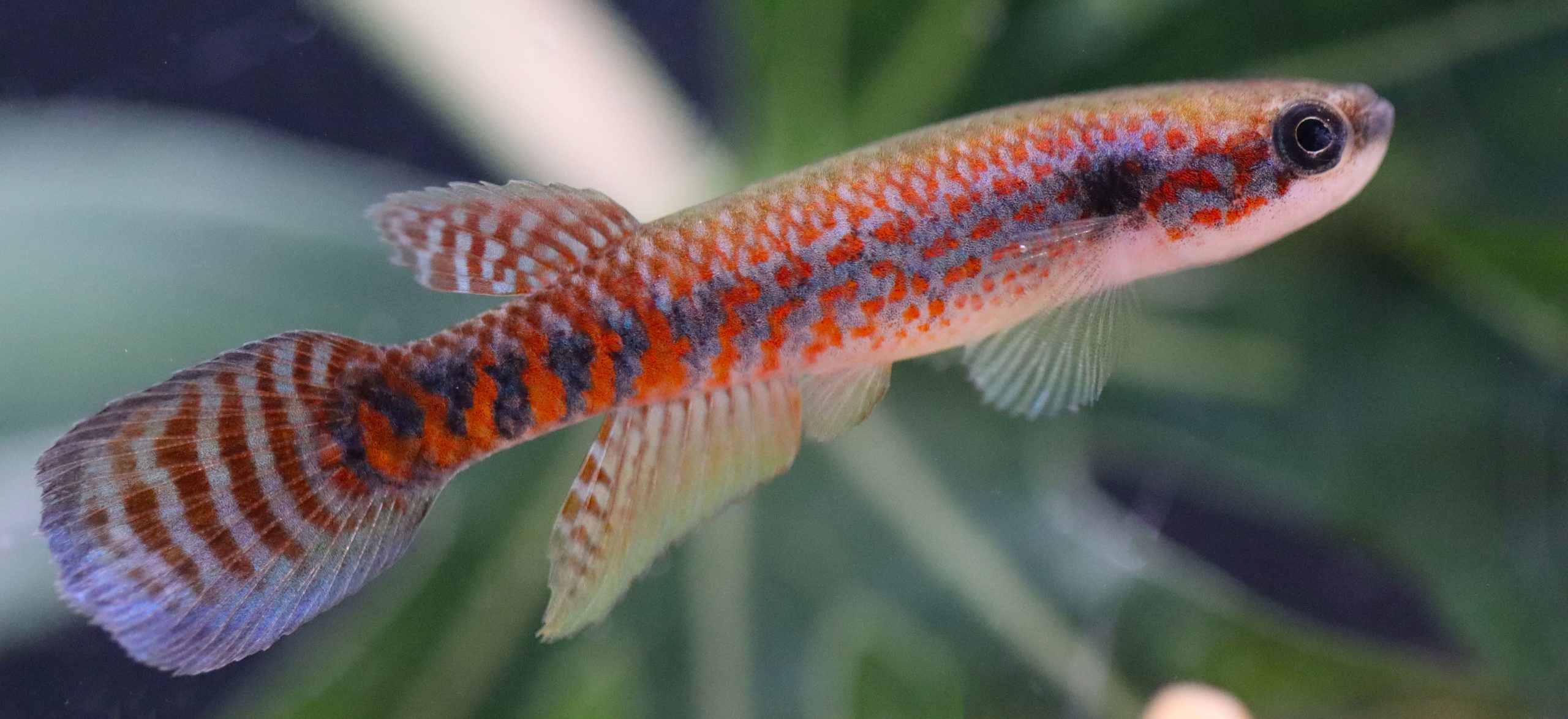
A newly identified Amazonian killifish is known from just three disturbed forest pools, prompting researchers to call for habitat protection.
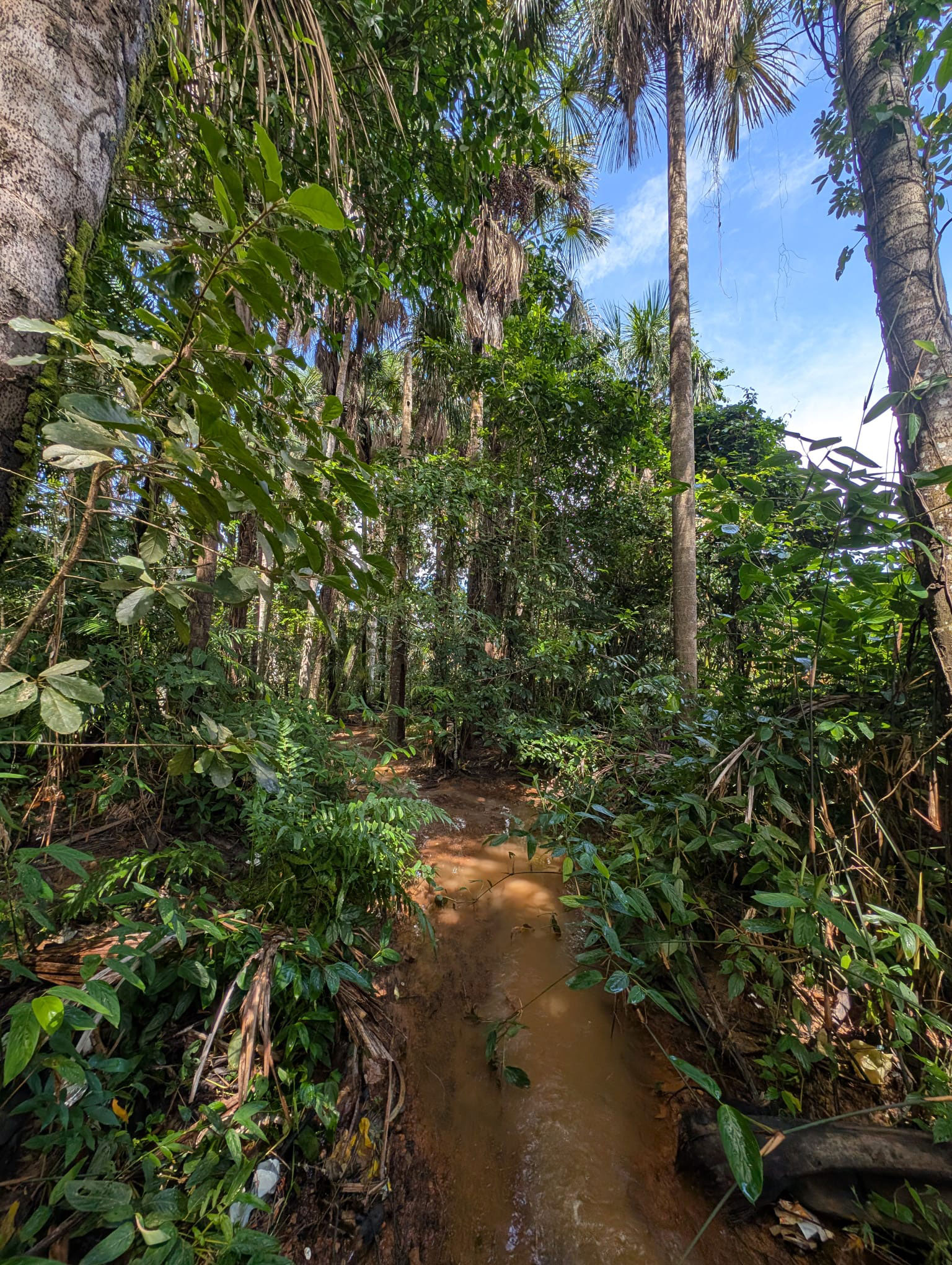
In the Brazilian Amazon, researchers have discovered a brightly colored freshwater killifish named Laimosemion laranja. It belongs to a group in which some species survive seasonal drying as embryos, pausing development entirely and lying dormant in damp mud until rains refill their forest pools. The team found the new species while surveying small rivers in the Rio Cajari drainage of Amapá state.
“Laimosemion represents one of the five independent origins of the annual life cycle within the family Rivulidae,” said lead researcher Yuri Abrantes of the Universidade Federal do Rio Grande do Norte. “Laimosemion laranja is particularly interesting because it expands our knowledge of the diversity and evolution of this group in the region.”
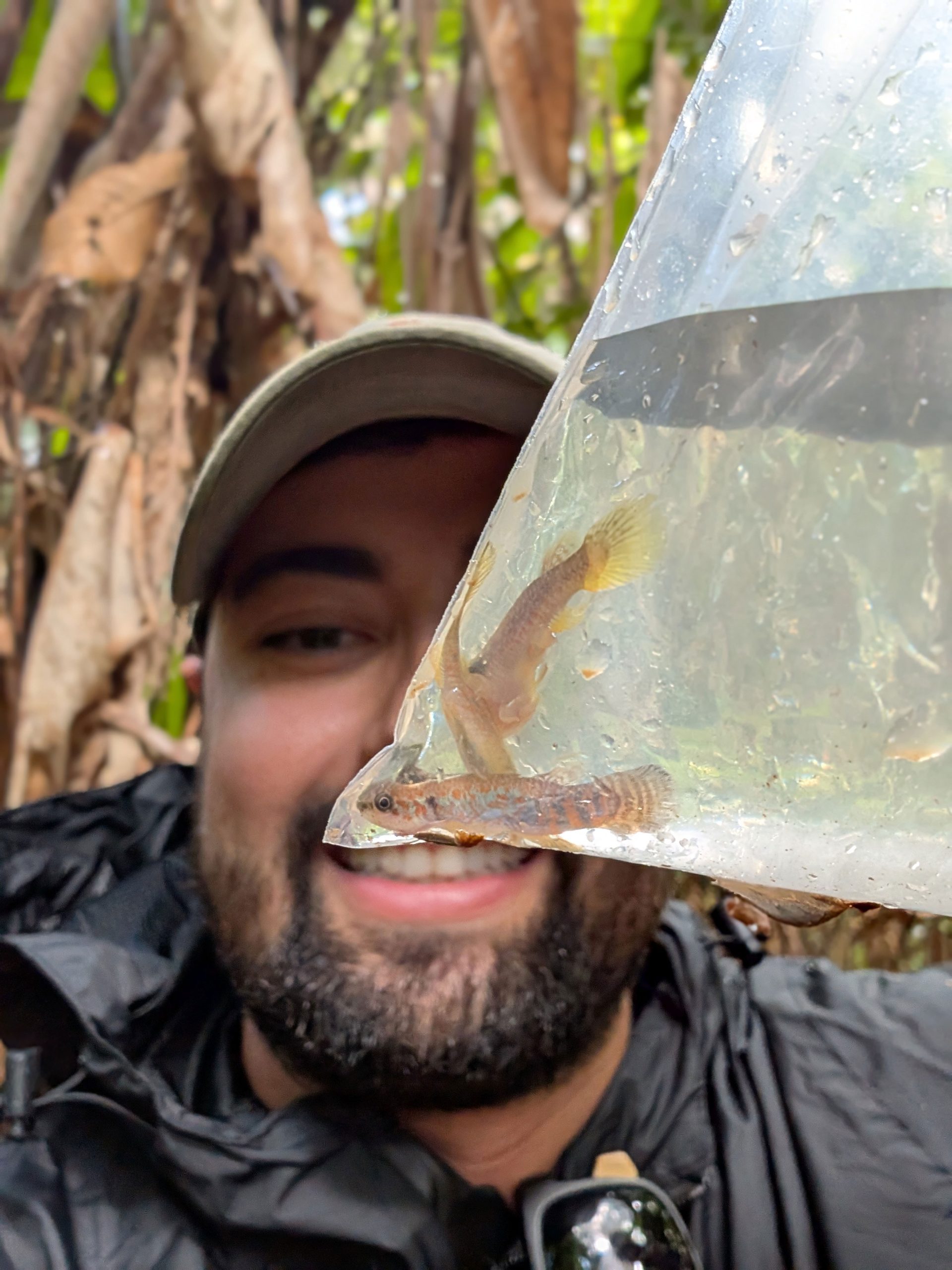
The Brazilian team also included researchers from the Instituto Peixe das Nuvens, the Universidade Federal do Pará, and the University of West Florida. Their fieldwork extended beyond identifying individual species to understanding how freshwater fish develop, survive, and reproduce.
“We are developing a research project aimed at investigating the evolution of life-history strategies in freshwater fishes of the family Rivulidae across different biomes in Brazil,” Abrantes said.
Orange markings inspire a local name
The fish they encountered near the municipality of Laranjal do Jari measures less than 3 centimeters, or about 1.2 inches, in standard length, which excludes the tail fin. Males have pale gray sides decorated with rows of orange spots along the front half of the body and bold, V-shaped orange bars toward the tail.
“During our sampling in small rivers locally known as ‘igarapés’ in the Rio Cajari region, in Amapá State, we found this fish with a very striking coloration, which immediately caught our attention.”
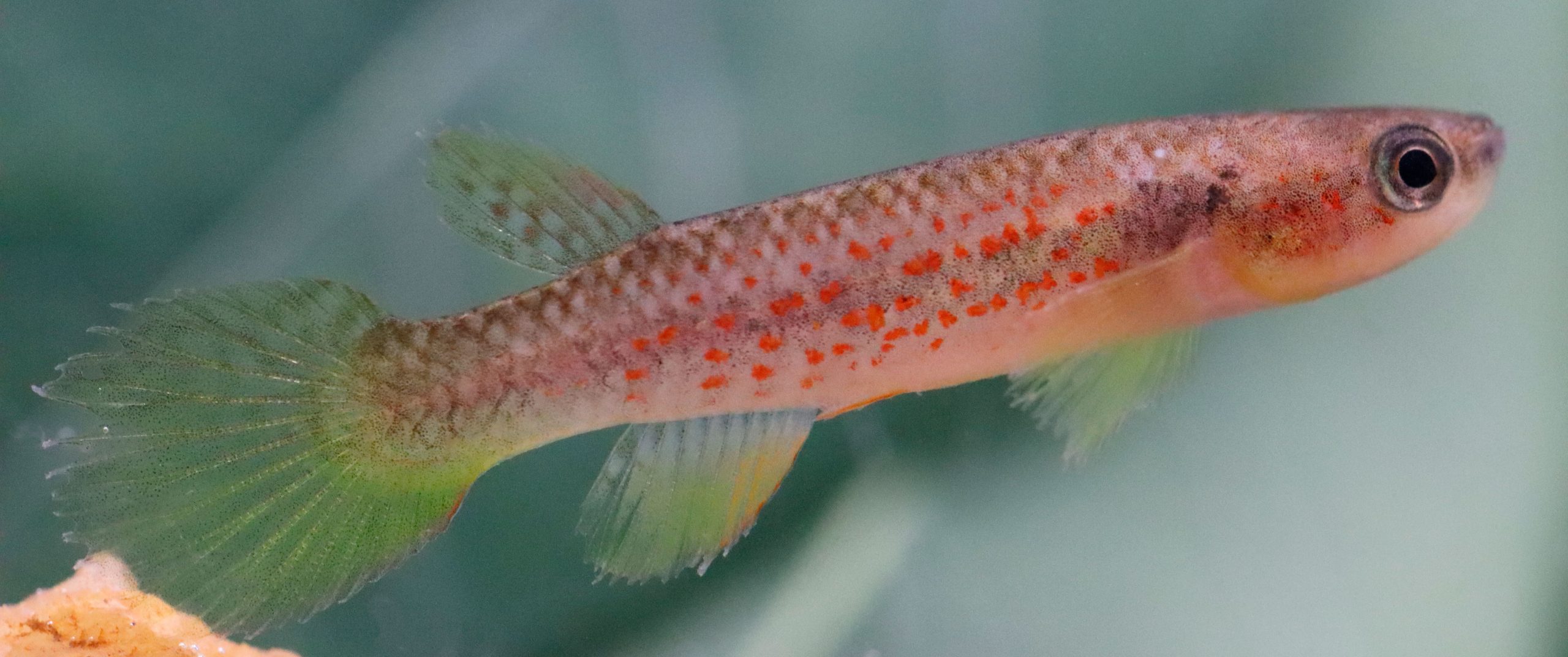
The orange markings would eventually help give the species its name. Laranja is Portuguese for both the color orange and the fruit, and the name also honors Laranjal do Jari.
“We wanted to choose a name that would highlight a characteristic of the fish while also fostering a sense of connection with the people of the region where it was discovered,” Abrantes explained.
DNA confirms a distinct killifish species
Establishing that the fish was a new species required evidence beyond its appearance. The researchers compared its body proportions, scale counts, and skeletal features with those of its closest relatives and analyzed its mitochondrial DNA, the genetic material in cells’ energy-producing structures.
Reflecting on the encounter that prompted this work, Abrantes recalled, “It was an unexpected moment,” and added, “Initially, what most caught our attention was the impressive coloration of the males and females, which was unlike anything we had previously encountered in the study area. This sparked our admiration and a great deal of curiosity.”
Three forest pools under pressure
The genetic analysis confirmed the fish’s distinct identity. Its known distribution also raised concerns about its future. Researchers have found it in just three small forest pools, all showing signs of disturbance from deforestation, mining, and urban expansion. One site lies near water discolored by mining sediment, while another, within the city itself, is affected by plastic pollution.
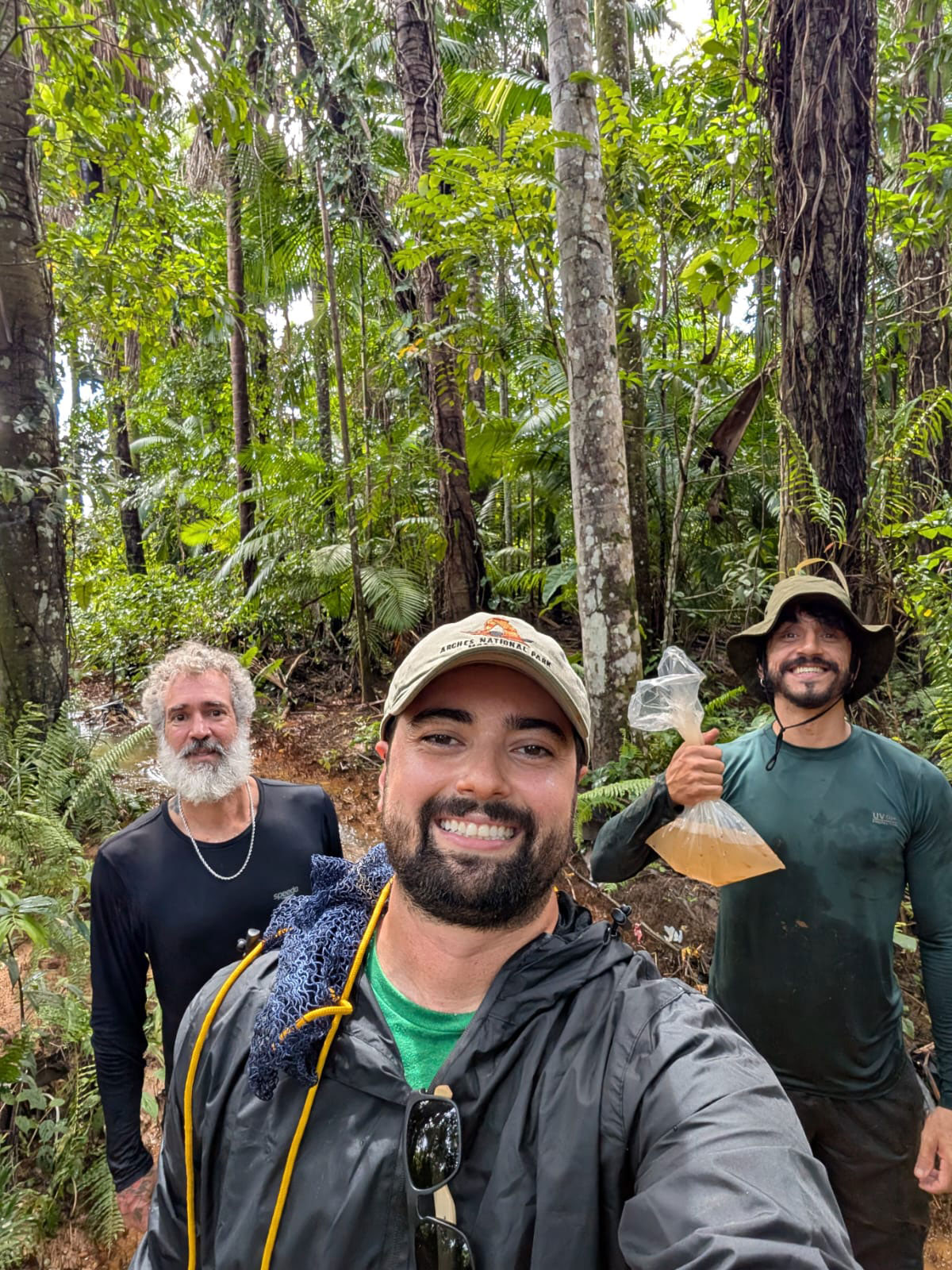
For Abrantes, confirmation that the fish was a distinct species carried significance beyond its identification. He said, “It was something special, as we saw an opportunity to contribute to increasing our knowledge of Amazonian biodiversity and to draw attention to the conservation of areas that are still poorly explored but highly threatened.”
With the species’ entire known range covering an estimated 25 square kilometers, or about 9.7 square miles, the researchers argue that it meets the criteria for an endangered listing under International Union for Conservation of Nature guidelines. They have recommended extending the boundaries of the neighboring Rio Cajari Extractive Reserve to help protect it.
Reference: “A new killifish of the genus Laimosemion (Cyprinodontiformes, Rivulidae) from Rio Cajari in the Brazilian Amazon” by Yuri Gomes Abrantes, Sergio Maia Queiroz Lima, Dalton Tavares Bressane Nielsen, Fabio Origuela de Lira, Márcio Joaquim da Silva and Waldir Miron Berbel-Filho, 20 August 2026, Zoosystematics and Evolution.
DOI: 10.3897/zse.102.187659
Never miss a breakthrough: Join the SciTechDaily newsletter.
Follow us on Google and Google News.