
Close Menu
    Facebook X (Twitter) Instagram
    SciTechDaily
    • Biology
    • Chemistry
    • Earth
    • Health
    • Physics
    • Science
    • Space
    • Technology
    Facebook X (Twitter) Pinterest YouTube RSS
    SciTechDaily
    Home»Biology»Hades’ Snake Moray Discovery Stuns Researchers in the Indo-Pacific
    Biology

    Hades’ Snake Moray Discovery Stuns Researchers in the Indo-Pacific

    By Pensoft PublishersDecember 31, 2024No Comments3 Mins Read
    Facebook Twitter Pinterest Telegram LinkedIn WhatsApp Email Reddit
    Share
    Facebook Twitter LinkedIn Pinterest Telegram Email Reddit
    Uropterygius hades Live
    Live photo of Uropterygius hades. Credit: Dr. Wen-Chien Huang

    The Hades’ snake moray, a unique species found in dim, muddy river mouths, has been discovered and named for its underworld-like qualities, including its dark coloration and burrowing behavior.

    Originating from the Central Indo-Pacific, this species stands out for its adaptability to low-light and turbid environments, sparking intrigue among scientists who stumbled upon it while seeking another eel species.

    Discovery and Naming of a Unique Moray Eel

    The Hades’ snake moray (Uropterygius hades) is a slender, dark brown eel that thrives in the dim, muddy waters of river mouths — an unusual choice compared to its mostly marine moray eel relatives. Found across the Central Indo-Pacific, this species has been recorded in locations such as southern Japan, Taiwan, the Philippines, southern Java, and Fiji. Its name, inspired by Hades, the Greek god of the underworld, reflects its unique habitat, burrowing behavior, sensitivity to light, and striking deep-dark coloration.
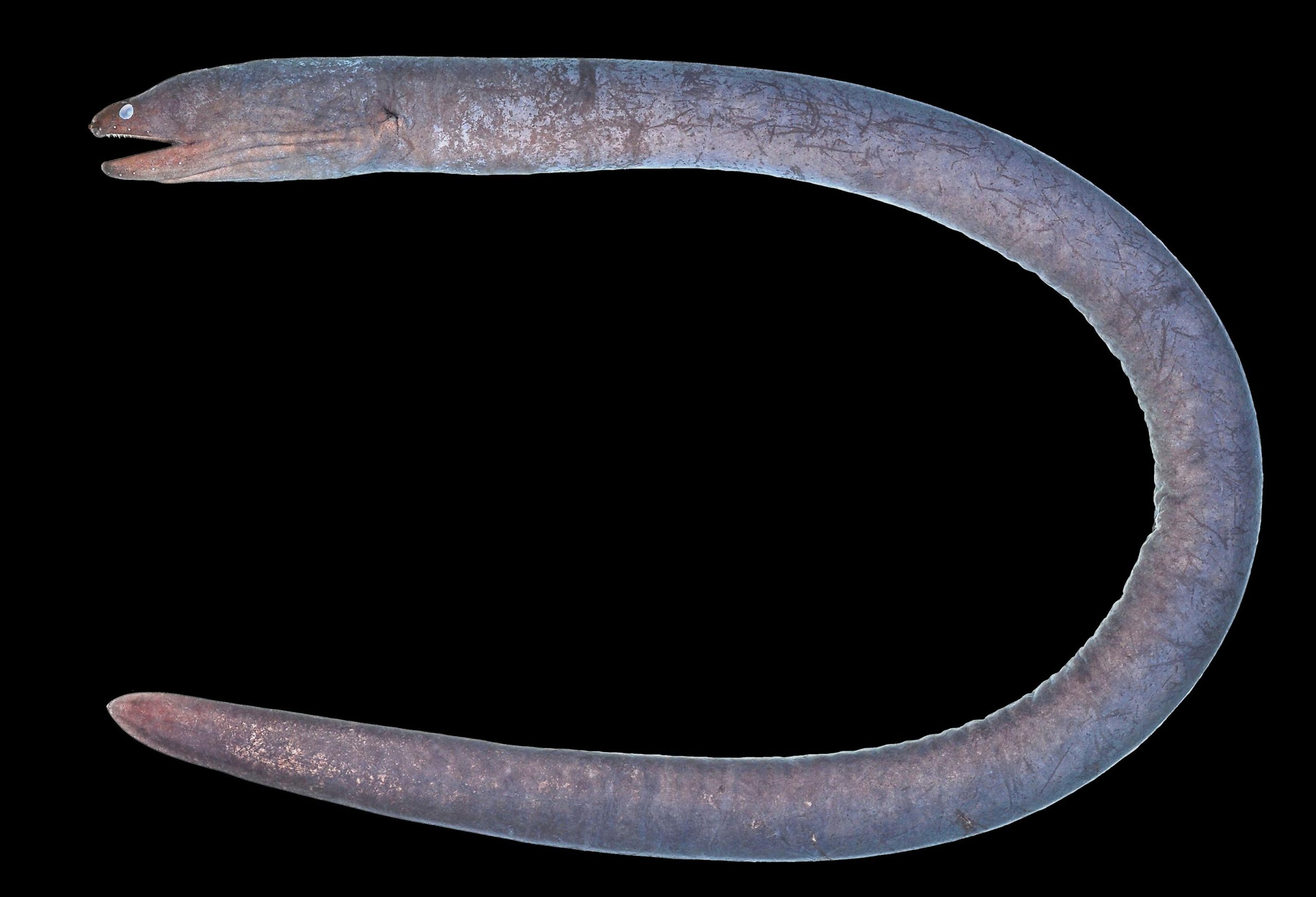
    Fresh Specimen of Uropterygius hades
    Fresh specimen of Uropterygius hades. Credit: Dr. Wen-Chien Huang

    Scientists Dr. Wen-Chien Huang, Dr. Rodulf Anthony Balisco, Dr. Te-Yu Liao, and Dr. Yusuke Hibino, affiliated with institutions in Taiwan, the Philippines, and Japan, detailed this new species in the open-access journal ZooKeys. The name Hades underscores the eel’s dramatic appearance and preference for shadowy, turbid environments. The inspiration for the name came from Dr. Huang, influenced by Ralph Fiennes’ portrayal of Hades in the movie Clash of the Titans.
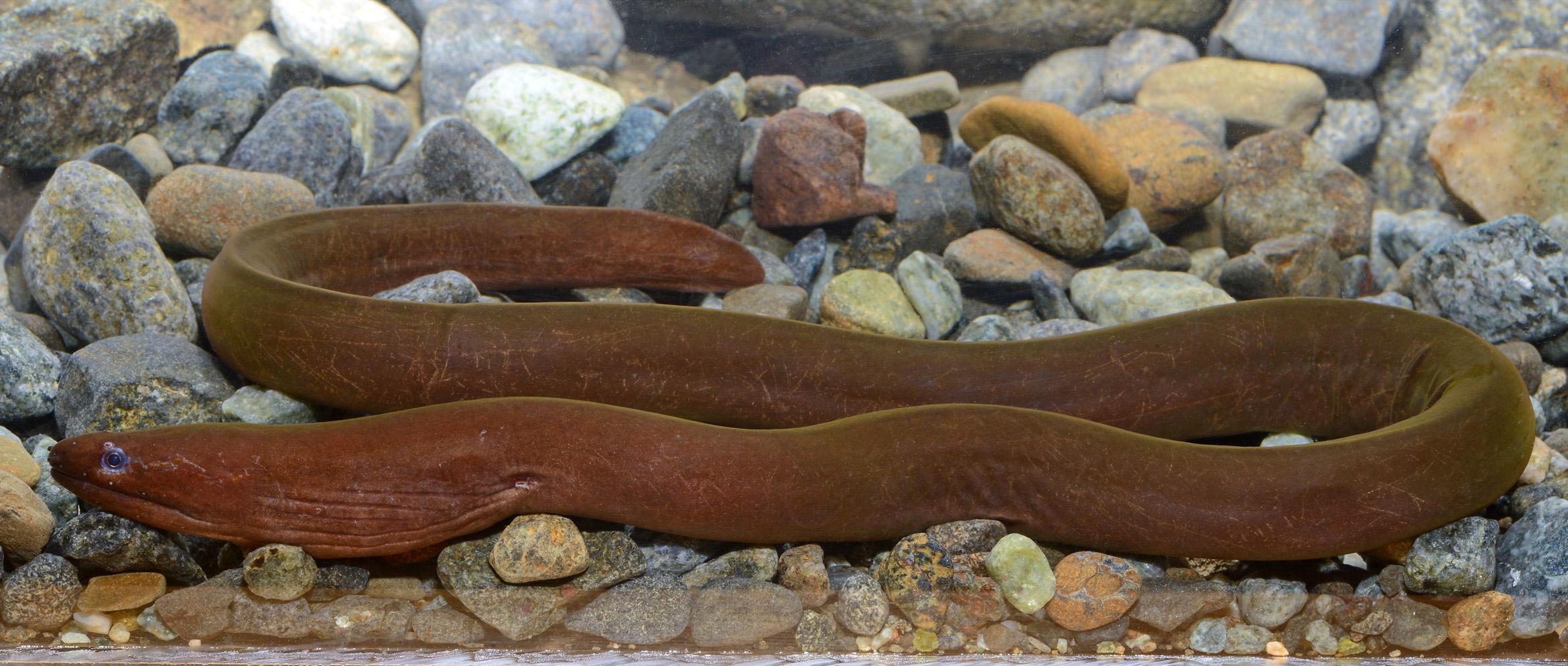
    Live Uropterygius hades
    Live photo of Uropterygius hades. Credit: Dr. Wen-Chien Huang

    Rarity of Estuarine Moray Eels

    There are approximately 230 species of moray eels worldwide, with most inhabiting marine environments. Only one species has been confirmed to spend the majority of its life in freshwater. Some marine species, like the slender giant moray (Strophidon sathete), can tolerate and occasionally enter lower-salinity environments such as river mouths. However, moray eels specifically adapted to estuarine habitats are exceedingly rare.

    Puerto Princesa Subterranean River
    Puerto Princesa Subterranean River, Palawan, the Philippines. Credit: Dr. Wen-Chien Huang

    Accidental Discovery and Adaptations

    The discovery of Hades’ snake moray was actually accidental, when the three researchers from National Sun Yat-sen University investigated the cave of the Puerto Princesa Subterranean River, aiming to survey the aquatic fauna and targeting a cave eel species, the bean-eyed snake moray (Uropterygius cyamommatus). This eel, with its highly reduced eye size, is considered an ideal example for studying the evolutionary processes that allow eels to adapt to cave environments. However, the researchers did not find any bean-eyed snake morays in the cave; instead, they collected a slender moray with a conspicuous, uniformly deep dark color.
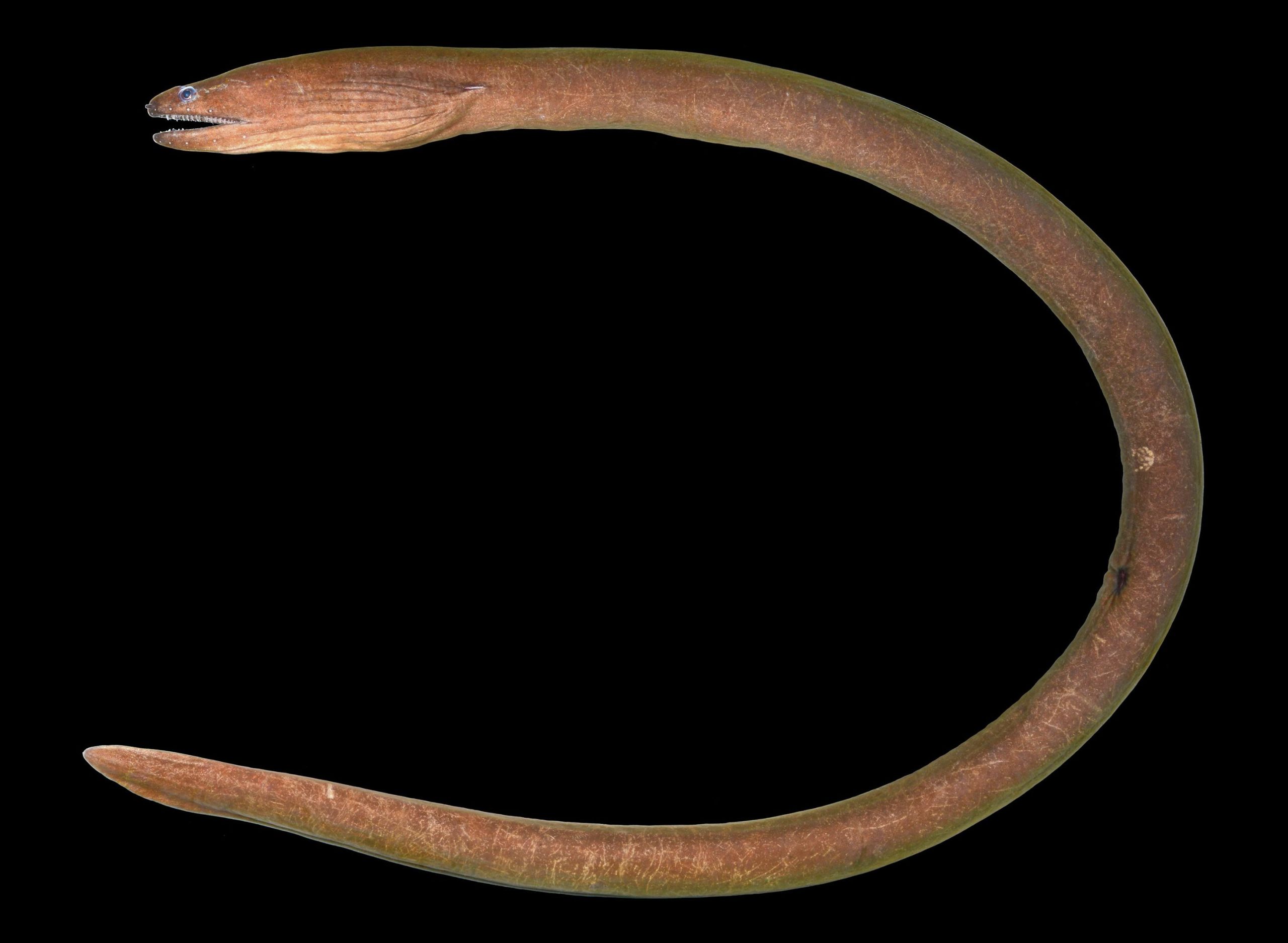
    Uropterygius hades Fresh Specimen
    Fresh specimen of Uropterygius hades. Credit: Dr. Wen-Chien Huang

    Burrowing Behavior and Sensitivity to Light

    When kept in an aquatic tank, the Hades’ snake moray exhibits tail-first burrowing behavior, which is rarely seen in moray eels. Additionally, it is highly sensitive to light, consistently attempting to hide when exposed to it. Its small eyes—thought to be an adaptation to low-light environments—and its reduced number of head sensory pores—believed to help avoid clogging by the substrate—suggest that this species might be an excellent burrower, relying primarily on chemoreception rather than vision to detect prey or avoid predators.

    Reference: “Description of a new uniformly brown estuarine moray eel (Anguilliformes, Muraenidae) from the Central Indo-Pacific Ocean” by Wen-Chien Huang, Yusuke Hibino, Rodulf Anthony Balisco and Te-Yu Liao, 9 December 2024, ZooKeys.
    DOI: 10.3897/zookeys.1220.129685

    Never miss a breakthrough: Join the SciTechDaily newsletter.
    Follow us on Google and Google News.

    Eels Fish New Species Pensoft Publishers
    Share. Facebook Twitter Pinterest LinkedIn Email Reddit

    Related Articles

    Scientists Discover “Grumpy” New Fish Species in the Red Sea

    Highly Threatened New Species of Owl Discovered in the Rainforests of Príncipe Island, Central Africa

    Striking New Species of Snake Discovered in Paraguay – Previously Unknown to Science

    Stunning New Species of Fish Discovered: The Rose-Veiled Fairy Wrasse

    New Miniature Trap-Jaw Ant Ant Species Discovered – Named in Recognition of Gender Diversity

    Serbian Tennis Player Novak Djokovic Now Has a Tiny New Snail Species Named After Him

    New Centipede Discovered on Top of Food Chain in Hellish Ecosystem of a Sulfur-Soaked Romanian Cave

    New Diamond Frog From Northern Madagascar – “As Soon as I Saw This Frog, I Knew It Was a New Species!”

    New Green Pit Viper From India Named After Salazar Slytherin From Harry Potter

    Leave A Reply Cancel Reply

    • Facebook
    • Twitter
    • Pinterest
    • YouTube

    Don't Miss a Discovery

    Subscribe for the Latest in Science & Tech!

    Trending News

    The Universe Is Expanding Too Fast and Scientists Can’t Explain Why

    “Like Liquid Metal”: Scientists Create Strange Shape-Shifting Material

    Early Warning Signals of Esophageal Cancer May Be Hiding in Plain Sight

    Common Blood Pressure Drug Shows Surprising Power Against Deadly Antibiotic-Resistant Superbug

    Scientists Uncover Dangerous Connection Between Serotonin and Heart Valve Disease

    Scientists Discover a “Protector” Protein That Could Help Reverse Hair Loss

    Bone-Strengthening Discovery Could Reverse Osteoporosis

    Scientists Uncover Hidden Trigger Behind Stem Cell Aging

    Follow SciTechDaily
    • Facebook
    • Twitter
    • YouTube
    • Pinterest
    • Newsletter
    • RSS
    SciTech News
    • Biology News
    • Chemistry News
    • Earth News
    • Health News
    • Physics News
    • Science News
    • Space News
    • Technology News
    Recent Posts
    • A Common Diabetes Drug May Hold the Key to Stopping HIV From Coming Back
    • Ancient “Syphilis-Like” Disease in Vietnam Challenges Key Scientific Assumptions
    • Drinking Alcohol To Cope in Your 20s Could Damage Your Brain for Life
    • Scientists Crack Alfalfa’s Chromosome Mystery After Decades of Debate
    • Ancient Ant-Plant Alliance Collapses As Predatory Wasps Move In
    Copyright © 1998 - 2026 SciTechDaily. All Rights Reserved.
    • Science News
    • About
    • Contact
    • Editorial Board
    • Privacy Policy
    • Terms of Use

    Type above and press Enter to search. Press Esc to cancel.