
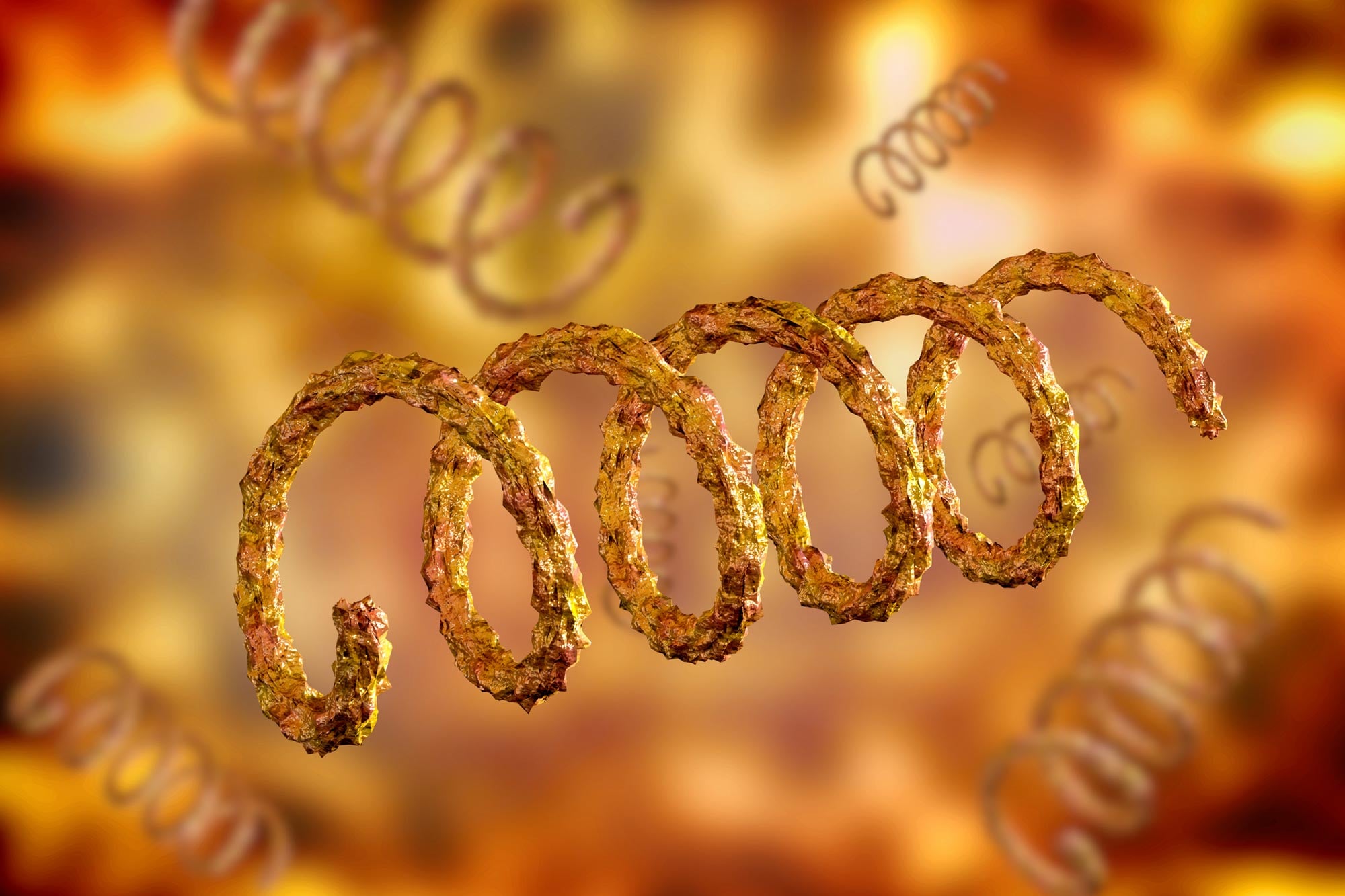
Ancient skeleton evidence suggests congenital infection doesn’t prove syphilis, pointing instead to multiple treponemal diseases in history.
New research led by a Charles Sturt University scientist is challenging a long-held assumption about ancient diseases.
- The findings could reshape a major debate in medical history: where syphilis originated.
- The research underscores the increasing difficulties scientists face when investigating ancient pathogens.
- Grasping the intricate history of treponemal diseases is key to understanding how infectious illnesses have influenced human history.
By studying skeletal remains of children from prehistoric Vietnam, researchers found evidence that congenital transmission of treponemal disease, passed from mother to child, may not always indicate venereal syphilis. Instead, this type of transmission may have occurred in other related diseases thousands of years ago.
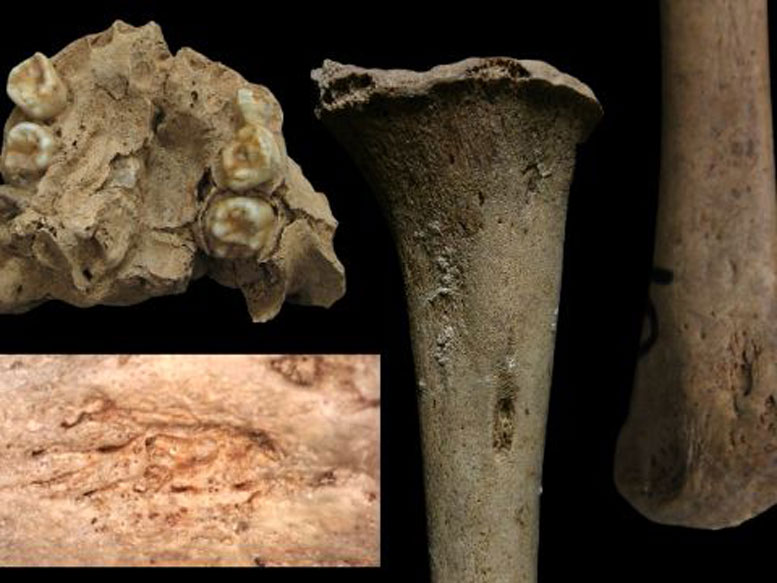
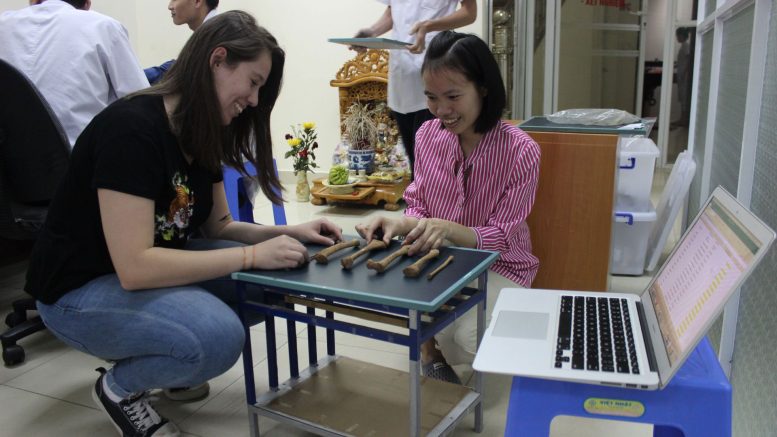
The international team, led by Dr. Melandri Vlok, a lecturer in anatomy and physiology at Charles Sturt University, examined remains from sites in northern and southern Vietnam dating back about 4,000–3,200 years.
Their study, published in the International Journal of Osteoarchaeology, identified three children with clear signs of congenital treponematosis, a group of diseases that includes syphilis, yaws, and endemic syphilis.
Non-Venereal Disease and Congenital Transmission
However, patterns across the wider population suggest the infection was more likely a non-venereal disease such as yaws. This tropical illness still affects more than 150,000 people worldwide and can lead to permanent disability.
These findings challenge a long-standing assumption used in paleopathology.
“For decades, congenital infection in archaeological remains has often been taken as strong evidence of venereal syphilis,” the study’s lead author, Dr. Melandri Vlok, said.
“Our research shows that this assumption may not always hold true. Other treponemal diseases may also have been transmitted from mother to child.”
Patterns of Infection in Ancient Populations
The study analyzed 309 individuals from 16 archaeological sites across Vietnam, covering a period from 10,000 to 1,000 years before present. Only three children showed clear markers of congenital infection, including distinctive dental defects and bone damage linked to treponemal disease from at least 3,500 years ago.
Two of these cases came from Man Bac in northern Vietnam, a site previously known for high levels of treponemal disease. At this location, infections mainly affected children and adolescents, a pattern typical of non-venereal diseases spread through skin contact rather than sexual transmission.
Implications for Syphilis Origins Debate
“The epidemiology of the site strongly points toward a non-venereal form of treponemal disease,” Dr. Vlok said. “Yet we still see evidence of congenital transmission. That’s the surprising part.”
The discovery has important implications for understanding the origins of syphilis.
Scientists have often relied on congenital cases in ancient skeletons to argue whether the disease existed outside the Americas before Christopher Columbus. These new findings suggest that congenital infection alone cannot reliably distinguish venereal syphilis from other related diseases.
Rethinking Diagnostic Evidence in Archaeology
“If congenital transmission can occur in non-venereal treponematoses, then we need to rethink how we interpret skeletal evidence in the past,” Dr. Vlok explained.
“Some cases previously labeled as congenital syphilis may represent entirely different diseases.”
So far, there is still no confirmed biological or genetic evidence of venereal syphilis in populations before Columbus, either in the Americas or elsewhere. Instead, genetic studies of ancient remains have revealed multiple treponemal diseases, highlighting their complex evolutionary history.
Challenges in Studying Ancient Pathogens
The research also underscores the challenges of studying ancient pathogens. In tropical regions like Southeast Asia, poor DNA preservation makes genetic confirmation extremely difficult. Ethical concerns around the destructive testing of human remains are also becoming more important.
“In tropical environments, recovering ancient DNA is incredibly difficult, and destructive sampling raises important ethical questions,” said co-lead author Ms. Minh Tran, a PhD student from the University of the Philippines, Diliman.
“Future research must move in new directions, working in genuine partnership with communities connected to these remains, considering preservation before any biomolecular work begins.”
Evolution of Treponemal Diseases
The team says the findings highlight how adaptable Treponema pallidum, the bacterium behind these diseases, has been over time.
Rather than focusing only on where syphilis began, they argue that future work should explore how different treponemal diseases evolved alongside human populations and changing environments.
“Treponemal diseases have a far more complex history than we once thought,” Dr. Vlok said. “Understanding that complexity is essential if we want to reconstruct how infectious diseases shaped human history. Especially as treponemal disease like yaws is re-emerging due to the climate crisis.”
Reference: “Dental Stigmata and Skeletal Lesions of Congenital Treponematosis in Early Agricultural Vietnam (4000–3500 bp)” by Melandri Vlok, Tran Thi Minh, Nicola Czaplinski, Hallie Buckley, Kate Domett, Hiep Hoang Trinh, Nguyen Thi Mai Huong, Nghia Thi Huu, Do Thi Kim Dung, Nguyen Thi Sau, Nguyen Phuong Thao, Do Thi Lan, Phan Thi Kim An, Luong Hong Phuoc, Hirofumi Matsumura and Marc Oxenham, 13 March 2026, International Journal of Osteoarchaeology.
DOI: 10.1002/oa.70096
Never miss a breakthrough: Join the SciTechDaily newsletter.
Follow us on Google and Google News.