
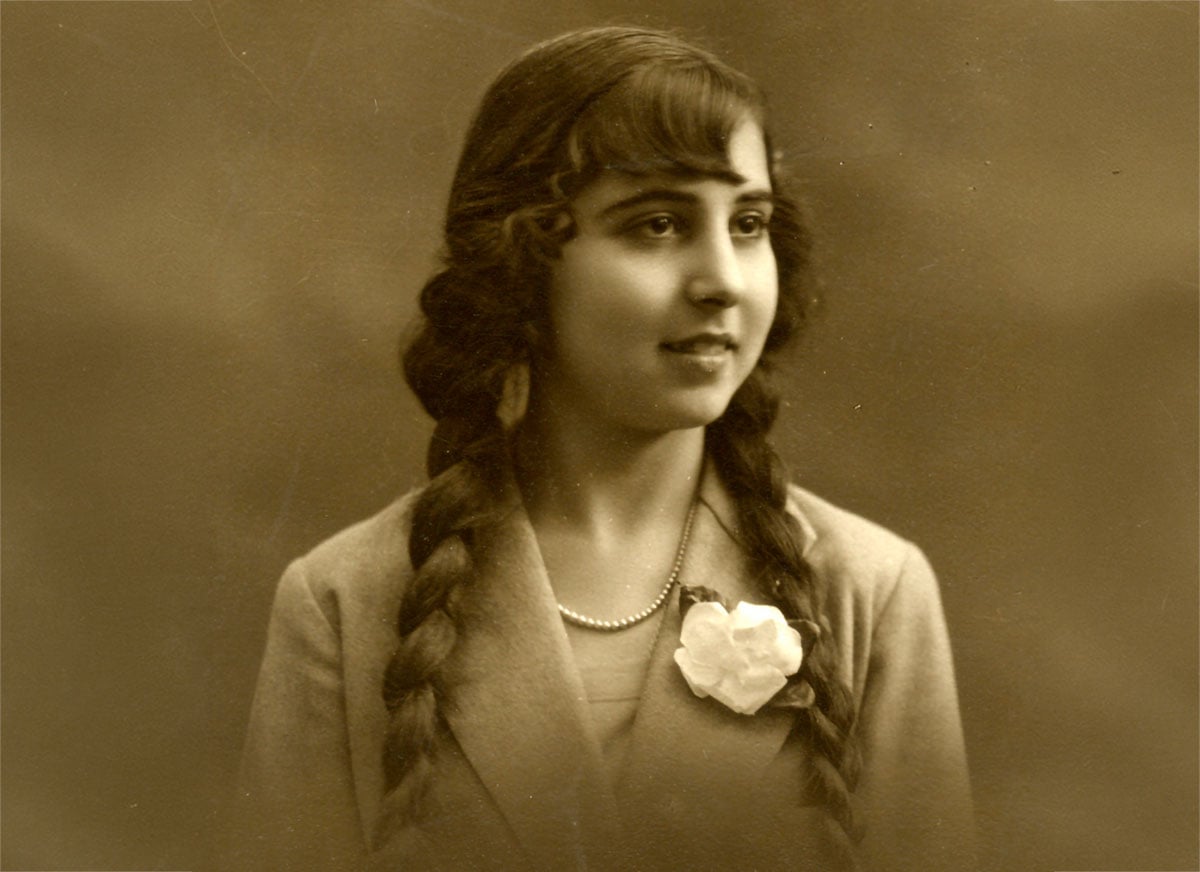
A remarkable new study of the world’s oldest verified living person reveals a surprising picture of extreme longevity.
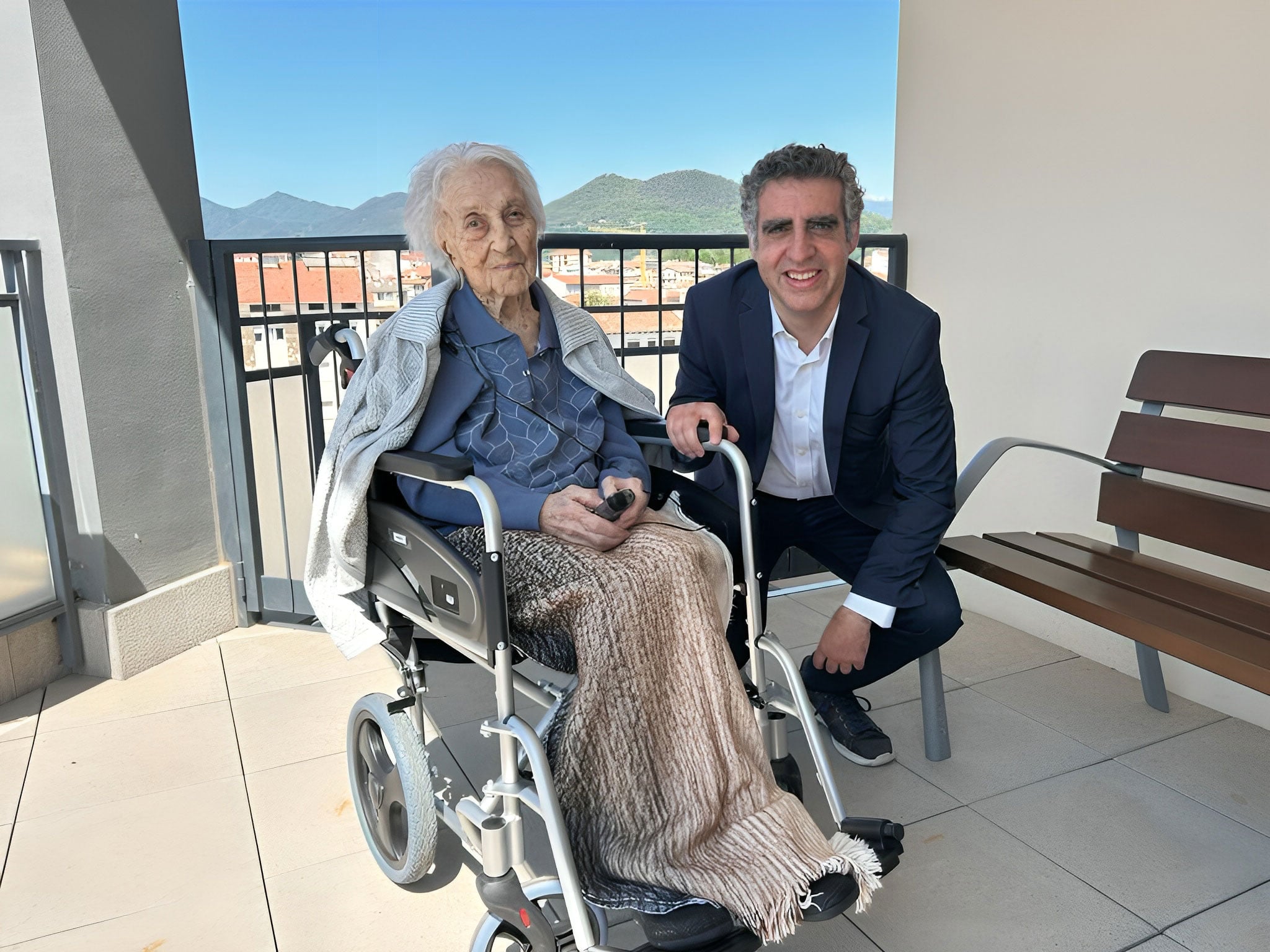
Maria Branyas lived through two world wars, the 1918 flu pandemic, the Spanish Civil War, and COVID-19. When she died in 2024 at age 117 years and 168 days, she was the oldest verified living person in the world. Now, scientists have examined her biology in unusual detail, and the results suggest that extreme aging and poor health are not always inseparable.
A team led by Dr. Manel Esteller, head of the Cancer Epigenetics Group at the Josep Carreras Leukemia Research Institute, has published the final peer-reviewed results from what researchers describe as the most comprehensive study ever performed on a supercentenarian. Using minimally invasive samples from blood, saliva, urine, and stool, the team analyzed Branyas’s genome, proteome, epigenome, metabolome, transcriptome, and microbiome.
The study, published in Cell Reports Medicine, was coordinated by Esteller and led by Eloy Santos. Its key finding is not that Branyas avoided aging. Instead, her biology showed two opposing patterns at once. As Esteller put it, she displayed a “fascinating duality: the simultaneous presence of signals of extreme aging and of healthy longevity.”
Clear Signs of Advanced Aging
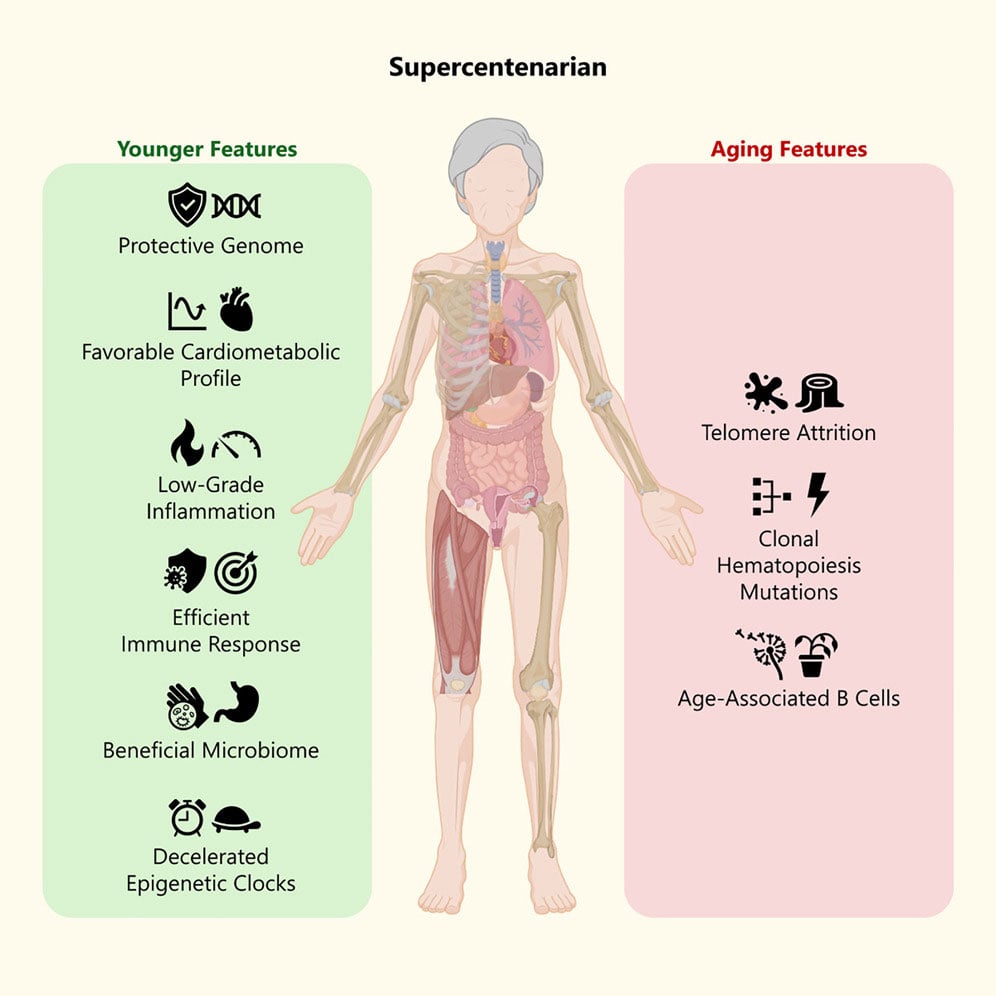
The signs of advanced age were unmistakable. Branyas had very short telomeres (the protective caps at the ends of chromosomes), an immune system with pro-inflammatory features, an aged population of B lymphocytes, and clonal hematopoiesis, an age-related condition in which blood stem cells acquire mutations. These changes are often associated with higher risks of leukemia, myelodysplastic syndromes, cardiovascular disease, and other serious conditions.
Yet Branyas did not develop cancer, dementia, or major cardiovascular disease. That contrast may be the study’s most important message: aging and disease can sometimes be separated at the molecular level.
Protective Biological Features
Alongside the markers of aging, Branyas exhibited several traits associated with resilience and healthy longevity.
The researchers found rare genetic variants linked to immune fitness, brain health, heart protection, and mitochondrial function. Her blood profile suggested unusually efficient lipid metabolism, with very low VLDL cholesterol and triglycerides and high HDL cholesterol, often called “good” cholesterol. She also had exceptionally low inflammation, a key factor because chronic inflammation is widely viewed as a driver of age-related disease.
Branyas’s gut microbiome also stood out.
Branyas had high levels of beneficial Bifidobacterium, bacteria associated with anti-inflammatory effects and healthy metabolism. This is notable because these bacteria usually decline with age, although they have also been found at higher levels in some centenarians and supercentenarians. The researchers noted that Branyas ate about three yogurts per day during the last 20 years of her life, a habit that may have helped support her gut microbiome, although the study cannot prove cause and effect.
Younger Than Expected at the Molecular Level
Perhaps the most surprising result came from her epigenome, the chemical layer that helps regulate gene activity. Epigenetic clocks use DNA methylation patterns to estimate biological age, which can differ from chronological age. Across multiple tissues and several clock methods, Branyas’s biological age appeared younger than her actual age. One analysis found a gap of more than 23 years.
As the authors write, the findings suggest that one reason she reached such an extreme age was that her cells “felt” or “behaved” as younger cells.
The researchers caution that one person’s biology cannot provide a universal formula for living past 110. Extreme longevity likely depends on a rare mix of genetics, lifestyle, environment, and chance.
Still, Branyas provides an unusually clear example of a body that carried the marks of extreme aging while avoiding many of aging’s most damaging consequences. The authors conclude: “These findings provide a fresh look at human aging biology, suggesting biomarkers for healthy aging, and potential strategies to increase life expectancy.”
Reference: “The multiomics blueprint of the individual with the most extreme lifespan” by Eloy Santos-Pujol, Aleix Noguera-Castells, Marta Casado-Pelaez, Carlos A. García-Prieto, Claudia Vasallo, Ignacio Campillo-Marcos, Carlos Quero-Dotor, Eva Crespo-García, Alberto Bueno-Costa, Fernando Setién, Gerardo Ferrer, Veronica Davalos, Elisabetta Mereu, Raquel Pluvinet, Carles Arribas, Carolina de la Torre, Francisco Villavicencio, Lauro Sumoy, Isabel Granada, Natalie S. Coles, Pamela Acha, Francesc Solé, Mar Mallo, Caterina Mata, Sara Peregrina, Toni Gabaldón, Marc Llirós, Meritxell Pujolassos, Robert Carreras-Torres, Aleix Lluansí, Librado Jesús García-Gil, Xavier Aldeguer, Sara Samino, Pol Torné, Josep Ribalta, Montse Guardiola, Núria Amigó, Oscar Yanes, Paula Martínez, Raúl Sánchez-Vázquez, Maria A. Blasco, Jose Oviedo, Bernardo Lemos, Julia Rius-Bonet, Marta Torrubiano, Marta Massip-Salcedo, Kamal A. Khidir, Thong Huy Cao, Paulene A. Quinn, Donald J.L. Jones, Salvador Macip, Eva Brigos-Barril, Mauricio Moldes, Fabio Barteri, Gerard Muntané, Hafid Laayouni, Arcadi Navarro and Manel Esteller, 24 September 2025, Cell Reports Medicine.
DOI: 10.1016/j.xcrm.2025.102368
Never miss a breakthrough: Join the SciTechDaily newsletter.
Follow us on Google and Google News.
7 Comments
Very interesting article. I’ve always been interested in the aging process , and over the years have accuired some knowledge. Telomeres is one more key to the puzzle. Diet may or may not help. Genes is another factor. First on my list was vitamin e. Keep up the good work.Edward Harris, editor As News, ceased . RSA
Not withstanding any fundamental congenital defect, anatomic or physiologic anomaly, the length of human life here on the 3rd Rock is defined by three elements: 33 1/3 % Ancestry (Genetic Inheritance), 33 1/3% Lifestyle (Behavior & Habits) and 33 1/3 % Happenstance (Dumb Luck)!
A persons longevity is determined by one thing, and one thing alone……..Gods plan do your life. Be creates your being, brings you into the world, walks you through your life (whether you believe in Him or not, as you are his personal creation and loves you to the end), and he takes you out at the time He determined before you had ever existed. Most scientists will be confounded by this phenomenon until they perish, or they recognize their creator, God.
have you ever tried to put that great knowledge of your to good use?
God is a metaphor. Why would he create, in addition to life, substances that are harmful to life?
Religious people always have answers to every argument put to them,but never proof of their beliefs.
I’m not ready to “go to the OTHER SIDE”, yet! You spend a lifetime accumulating knowledge and experience and then you die! You are at the peak of your ability to benefit the “Human Race” and then you are taken from it! That doesn’t seem logical to me!