

Thismia aliasii is a newly discovered endangered species in Malaysia, dependent on fungi and rare in the wild.
Researchers have identified a new species of the elusive ‘fairy lantern’ genus Thismia in a hill dipterocarp forest in eastern Peninsular Malaysia.
A recent study published in the open-access journal PhytoKeys describes the distinct features of this species and emphasizes its urgent need for conservation.
Mycoheterotrophic and pollination strategy
Thismia aliasii is a striking new addition to the genus. Like other species in Thismia, it is mycoheterotrophic, meaning it does not photosynthesize but instead depends entirely on fungi for its nutrients.
Members of this genus are known for their unusual flowers, which support specialized pollination systems involving small insects such as fungus gnats.
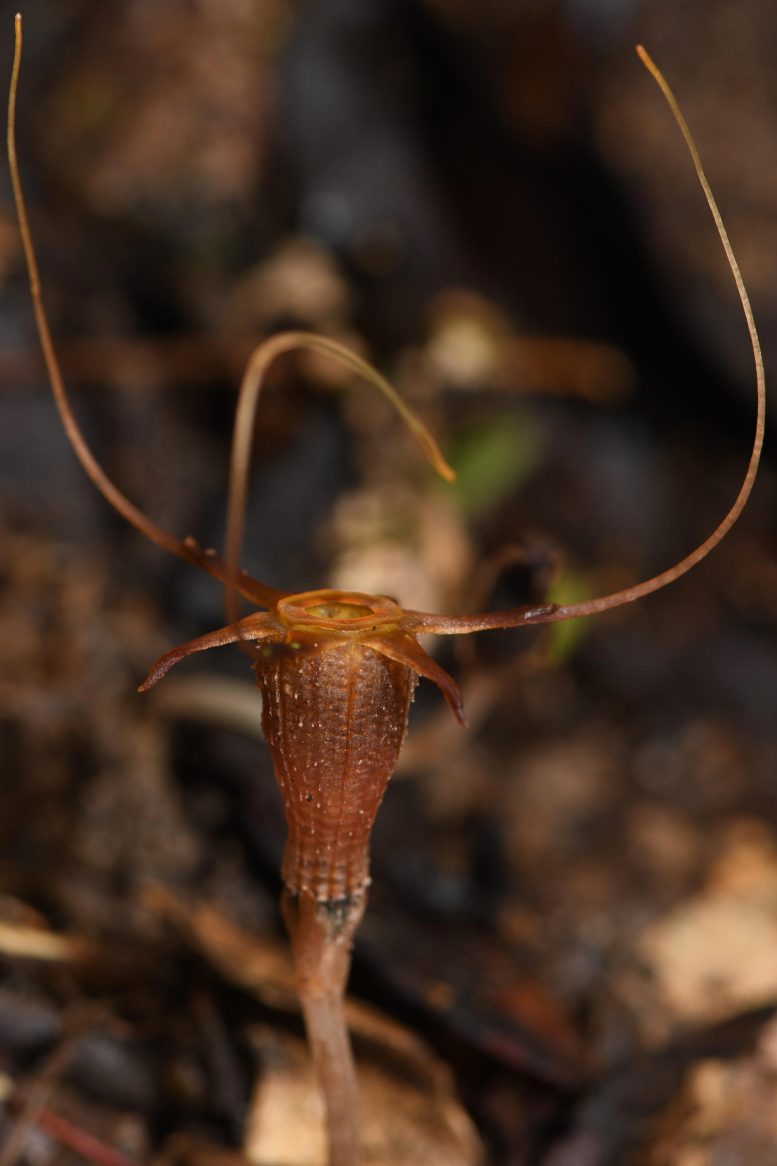
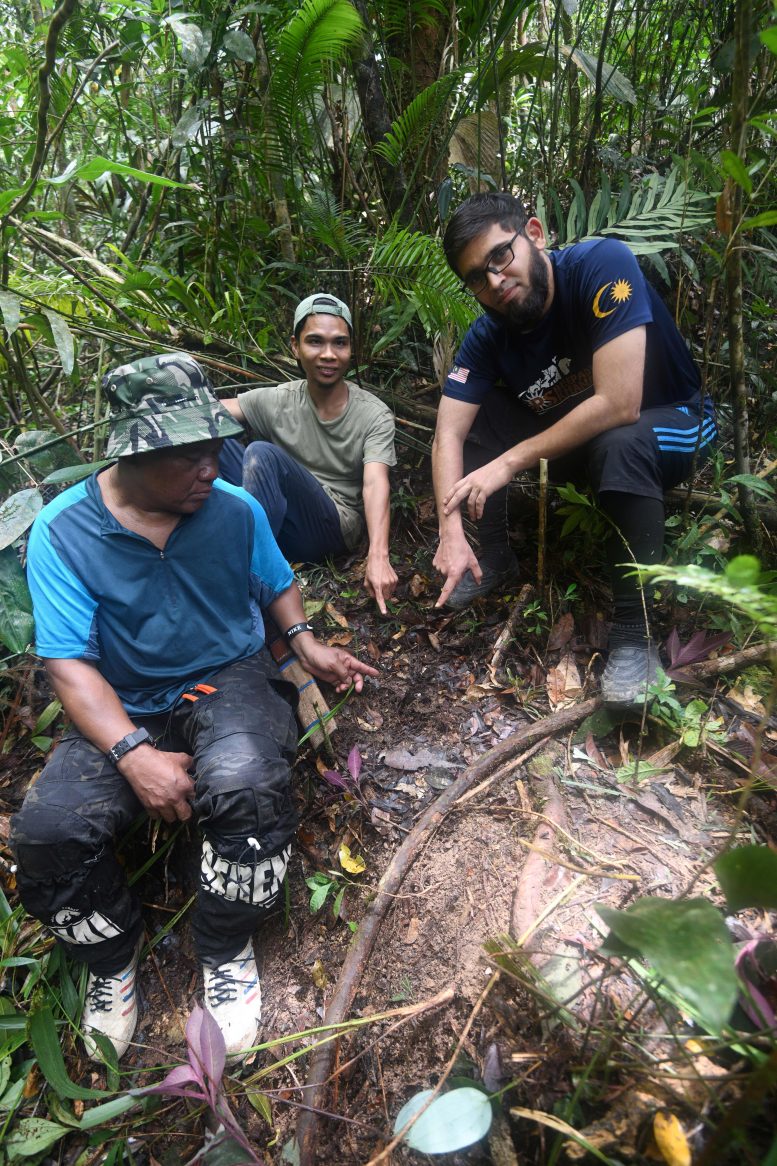
The species has a remarkable appearance and was first recorded by co-author Mohamad Alias Shakri in 2019 during a field expedition in Terengganu’s Chemerong Forest Eco Park.
Challenges in field research
“The discovery of Thismia aliasii is very interesting as it was found in a mountainous region known for its natural beauty. The discovery was made on the edge of a popular mountaineering trail, but, remarkably, the species was first recognized by Alias.

“It was not easy to obtain specimens for further study as its habitat is on the mountain and COVID time delayed search efforts. Fortunately, targeted field work to find this plant was successful with the support of NAGAO.”
Thismia aliasii. Credit: Siti-Munirah MY, Mohamad Alias S
Thismia aliasii is provisionally classified as Critically Endangered (CR) under the IUCN Red List criteria, with only five individuals observed across multiple surveys. The primary threats to its survival stem from habitat degradation due to increasing hiking activities in the region.

This discovery adds to Terengganu’s reputation as a hotspot for Thismia diversity, being home to 13 species of the genus, including six endemics.
Reference: “Thismia aliasii (Thismiaceae), a new species from Terengganu, Peninsular Malaysia” by Mat Yunoh Siti-Munirah and Shakri Mohamad Alias, 31 March 2025, PhytoKeys.
DOI: 10.3897/phytokeys.254.136085
The research was funded by the Ministry of Natural Resources and Environmental Sustainability under the 12th Malaysian Plan and supported by the Nagao Research Grant
Never miss a breakthrough: Join the SciTechDaily newsletter.
Follow us on Google and Google News.