
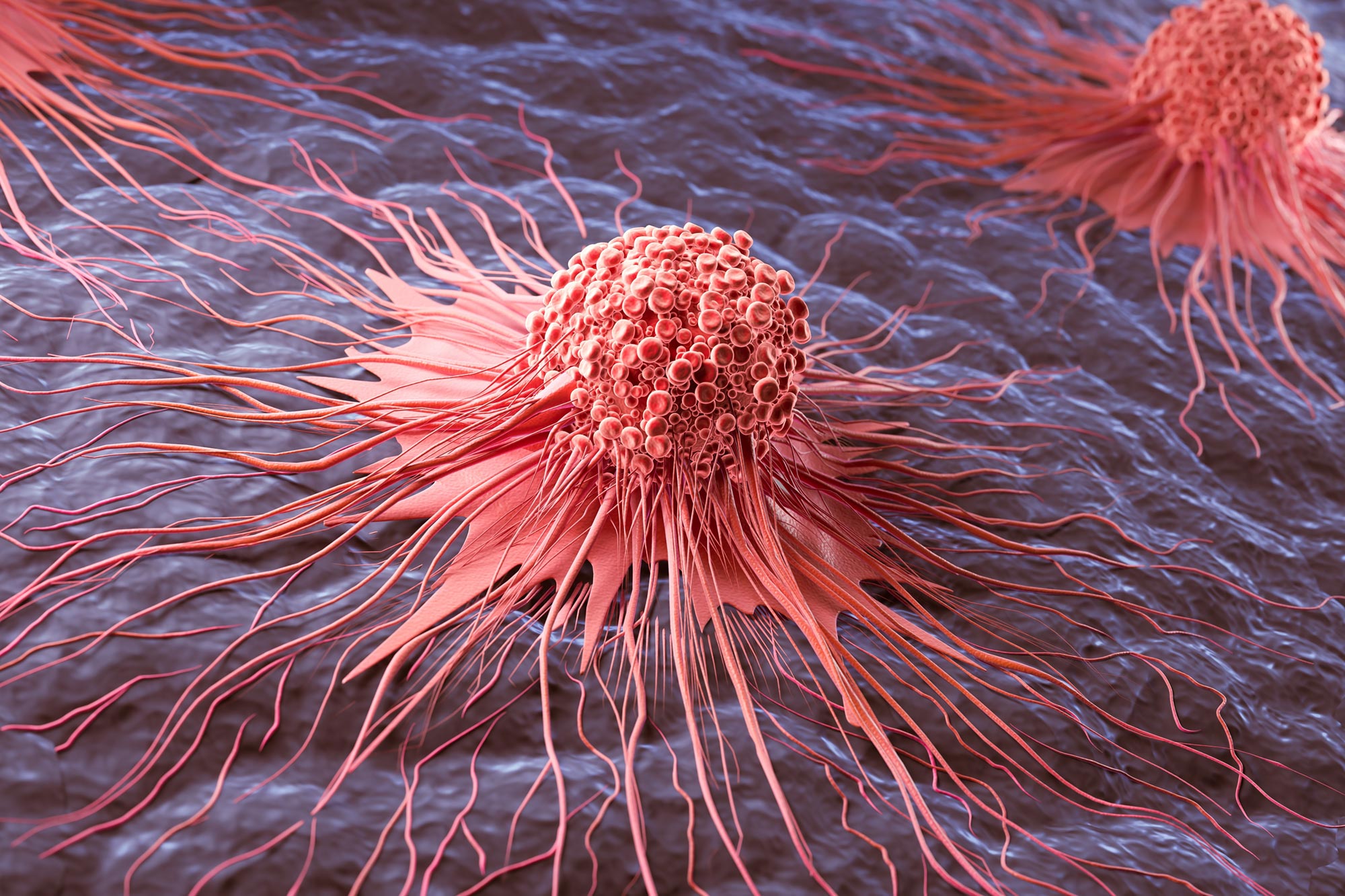
A closer look at cancer cells with extra chromosomes uncovered surprising traits linked to faster-growing, more dangerous tumors, pointing to potential new indicators of disease severity.
Cancer cells are notorious for breaking the rules of biology. One of the most dramatic violations occurs when a cell suddenly doubles its entire genetic library, creating a chromosome-packed version of itself that should be unstable and vulnerable. Yet in many cancers, these abnormal cells do more than survive. They often help drive some of the deadliest forms of the disease.
Researchers at Virginia Tech have uncovered new clues about how this happens. Their work suggests that even a small number of these genetically abnormal cells can reshape the tumor environment and may help predict which cancers are likely to behave more aggressively. The findings, published in Proceedings of the National Academy of Sciences and Cancer Research, point to previously overlooked features that could eventually improve how scientists assess cancer risk.
When Cells Gain Extra Chromosomes
At the center of the research are tetraploid cells, which contain four complete sets of chromosomes instead of the usual two found in healthy human cells.
Cells are designed to carefully copy and distribute their chromosomes during division. When that process goes wrong, chromosome numbers can become abnormal, creating a condition known as chromosomal instability. Such abnormalities are among the most common features of cancer and are often associated with tumors that evolve rapidly and resist treatment.
For years, scientists have known that tetraploid cells frequently appear during tumor development. Patients whose tumors contain these cells often face worse outcomes, but the reasons have remained unclear.
Virginia Tech graduate students Megan Sweet and Mat Bloomfield, working with cell biologist Daniela Cimini, spent years studying what happens after cancer cells acquire an extra set of chromosomes.
A Tumor’s Hidden Allies
The researchers created tetraploid cancer cells by forcing cells to duplicate their chromosomes without completing the final step of cell division. The resulting cells carried twice the normal amount of genetic material.
When the team compared tumors formed from normal diploid cancer cells and tetraploid cancer cells in mice, they encountered a surprise.
As tumors developed, tetraploid cells actually became less abundant. Despite their declining numbers, however, tumors grew larger and faster.
The explanation appeared to lie in the tumor microenvironment, the complex ecosystem of cells that surrounds a cancer.
The researchers discovered that tetraploid cells encouraged the recruitment of stromal cells, a group of noncancerous connective tissue cells that provide structural support within tissues. Scientists increasingly recognize that tumors do not grow in isolation. Instead, they interact constantly with surrounding cells, often manipulating them in ways that promote cancer growth and spread.
“The presence of even a small fraction of these tetraploid cells can promote the recruitment of extra non-cancerous cells that support further tumor progression,” Sweet said.
The finding suggests that tetraploid cells may act less like direct drivers of tumor growth and more like biological instigators, altering their surroundings in ways that help cancers thrive.
The Unexpected Importance of Cell Size
A second study led the researchers in an entirely different direction.
Bloomfield generated tetraploid human cancer cells and isolated individual cell clones for closer examination. Because tetraploid cells contain twice the genetic material of normal cells, the team expected them all to be substantially larger.
Instead, some clones were 25 to 30 percent smaller than expected.
That difference turned out to matter.
The smaller tetraploid cells consistently behaved more aggressively than their larger counterparts. They grew faster, invaded surrounding tissue more readily, and showed greater resistance to commonly used anticancer and stress-inducing drugs.
“The smaller clones are more aggressive,” Bloomfield said. “They grow faster, are more invasive, and more tolerant of common anti-cancer and stress-inducing drugs.”
Follow-up experiments in mice reinforced the pattern. Tumors containing smaller tetraploid cells tended to expand more rapidly, and the trend appeared across multiple cancer types, including colorectal and breast cancer.
A Potential New Clue for Predicting Cancer Outcomes
The researchers then asked whether the same relationship could be seen in patients.
Using data from The Cancer Genome Atlas, a major cancer database containing thousands of patient samples, they found that smaller tetraploid cells were linked to poorer survival and worse prognoses across several cancer types.
The result suggests that cell size itself may carry important biological information.
“We already knew that tetraploidy can make cells more tumorigenic, but now we know that if you incorporate the size of the cells, it can be more predictive of tumorigenic potential,” Cimini said.
Looking Beyond the Cancer Cell
The Virginia Tech team’s findings highlight just how much remains to be learned about these overlooked aspects of cancer biology. By understanding why certain tetraploid cells become especially dangerous, researchers hope to uncover new ways to identify high-risk tumors and, ultimately, develop better strategies for treating them.
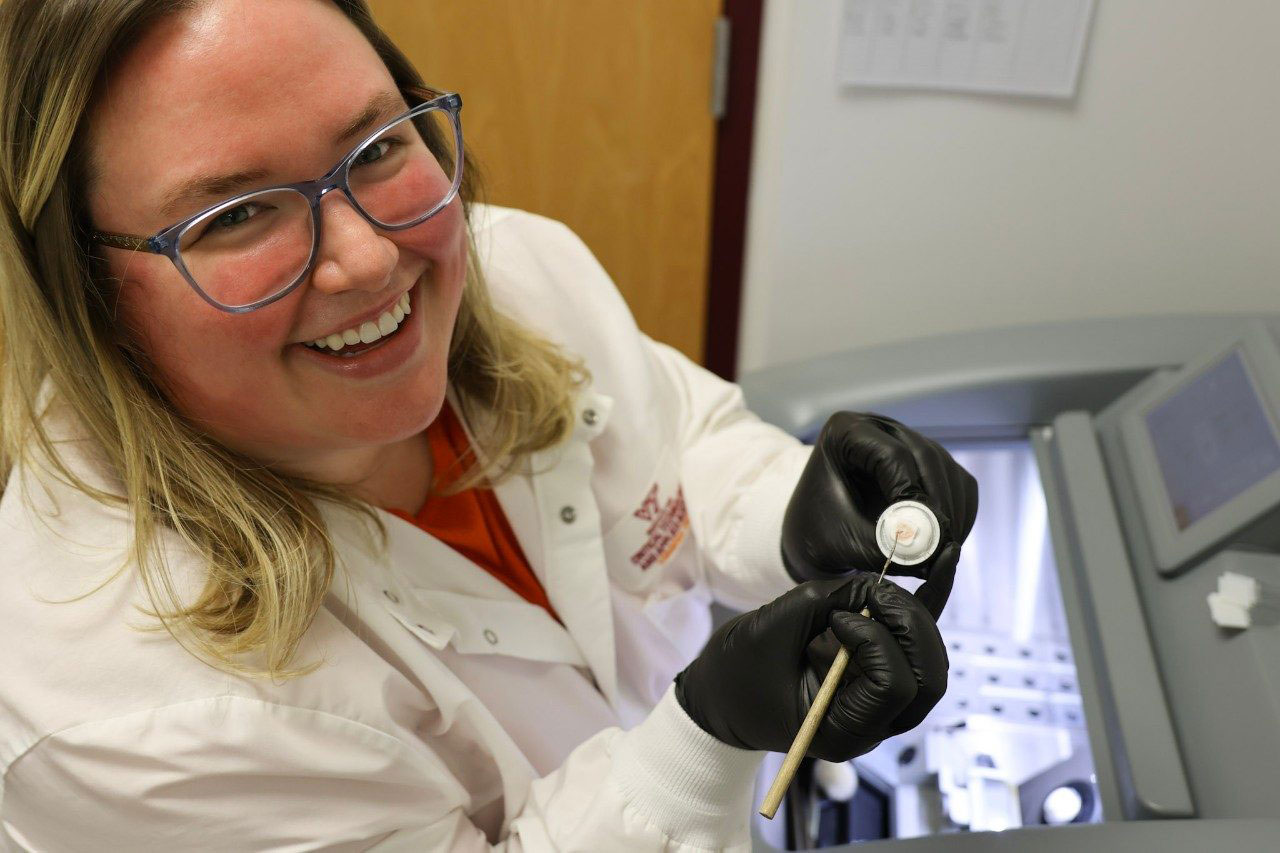
For Sweet, those discoveries begin with a deceptively simple task: slicing tumors into nearly transparent sections, one thin layer at a time.
References: “Cell and Nuclear Size Is Associated with Chromosomal Instability and Tumorigenicity in Cancer Cells That Undergo Whole Genome Doubling” by Mathew Bloomfield, Sydney M. Huth, Daniella S. McCausland, Ron Saad, Nazia Bano, Tran N. Chau, Megan L. Sweet, Nicolaas C. Baudoin, Andrew McCaffrey, Kai Fluet, Eva M. Schmelz, Uri Ben-David and Daniela Cimini, 4 May 2026, Cancer Research.
DOI: 10.1158/0008-5472.CAN-24-3718
“Oxidative stress and serum deprivation influence the evolution of newly formed tetraploid cells during tumorigenesis” by Megan L. Sweet, Mathew Bloomfield, Nicholas Keen, Nazia Bano, Xiang Pan, Nicolaas C. Baudoin, Barath Udayasuryan, Raffae N. Ahmad, Eva Riddervold, Erica Klaiber, Scott S. Verbridge, Eva M. Schmelz, Jing Chen and Daniela Cimini, 26 May 2026, Proceedings of the National Academy of Sciences.
DOI: 10.1073/pnas.2522077123
Never miss a breakthrough: Join the SciTechDaily newsletter.
Follow us on Google and Google News.
1 Comment
thanks for this