
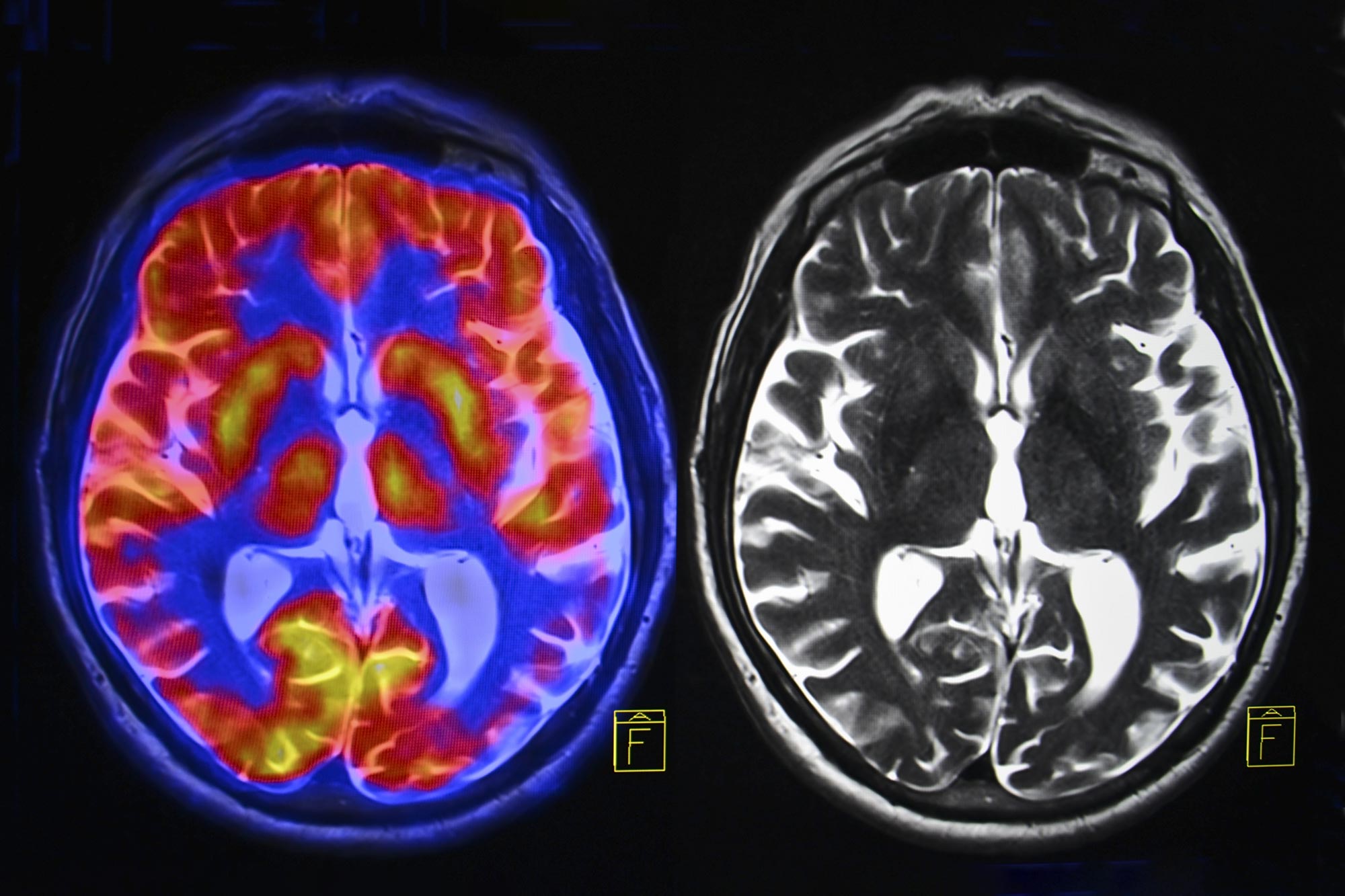
Heavy television viewing in middle age was linked to a troubling brain signature more than 20 years later.
Television may be doing more than filling quiet hours. A long-term study suggests that people who watched it most frequently in middle age later showed structural brain differences linked to memory loss, vascular damage, and dementia.
The findings, published in Alzheimer’s and Dementia: Journal of the Alzheimer’s Association, challenge the idea that all sitting affects the brain in the same way. Time spent watching television was associated with poorer brain health decades later, while sitting at work showed a very different pattern.
“For years we’ve focused on how much people sit. Our findings suggest we should also pay attention to what they’re doing while they’re sitting,” says David Raichlen, professor of biological sciences and anthropology at the USC Dornsife College of Letters, Arts and Sciences, and a senior author of the study.
What MRI Scans Revealed Decades Later
Researchers followed about 1,700 adults who joined the Atherosclerosis Risk in Communities (ARIC) Study between 1987 and 1989. Participants were 53 years old on average when they reported how often they watched television during leisure time and how much of their workday they spent seated.
More than 20 years later, MRI scans revealed notable differences between the brains of frequent viewers and those who said they watched television “never” or “seldom.”
People who reported watching television “very often” had less volume in several brain regions, including areas tied to memory and early Alzheimer’s disease. They also had smaller frontal and occipital lobes, which support planning, attention, decision-making, and visual processing.
The scans also showed more white matter hyperintensities. These bright spots on MRI can reflect damage to the brain’s small blood vessels and are commonly associated with aging, stroke risk, cognitive decline, and dementia.
Why Sitting Alone May Not Explain the Risk
Importantly, the pattern remained even after researchers accounted for physical activity, diabetes, body mass index, smoking, and alcohol use. That suggests the findings were not explained solely by exercise habits or other major health risks.
Viewing habits were self-reported, and participants did not receive MRI scans at the beginning of the project. Without baseline images, researchers could not measure precisely how each person’s brain changed over time.
Even so, the contrast with occupational sitting was striking.
Participants who spent more of the workday seated tended to have larger frontal and occipital lobes and fewer white matter hyperintensities than frequent television viewers. The researchers suggested that many desk-based jobs may require sustained attention, problem-solving, communication, and other forms of mental engagement.
Rethinking Sedentary Behavior and Brain Health
That difference raises a broader possibility: sedentary behavior may not be a single category. Reading, working, creating, socializing, and passively watching television can all involve sitting, but they may place very different demands on the brain.
Men appeared to show the clearest effects. When the researchers analyzed the MRI findings by sex, most of the brain differences associated with television viewing and occupational sitting were found among male participants. The reason remains unclear and will require further study.
The findings may eventually influence how doctors discuss sedentary behavior. Advising people to move more may not be enough. Health guidance could also encourage replacing some television time with activities that require concentration, learning, creativity, or social interaction.
“We frequently encourage the public not to spend too much time sitting down, but experts may want to expand that recommendation to encompass the activities done while sitting, since those seem to have distinct impacts on brain health,” says study corresponding author Natan Feter, postdoctoral scholar in the Human and Evolutionary Biology program at USC Dornsife.
Reference: “Associations of distinct sedentary behaviors with cortical, subcortical, and white matter hyperintensity volumes: Evidence from the ARIC study” by Natan Feter, Anamika Nanda, Sarah Hourihan, Daniel Aslan, Jayne Feter, M. Katherine Sayre, Pradyumna K. Bharadwaj, Madeline Ally, Hyun Song, Amit Arora, Silvio Maltagliati, Mark H. C. Lai, Rand R. Wilcox, Yann C. Klimentidis, Gene E. Alexander and David A. Raichlen, 10 July 2026, Alzheimer’s & Dementia.
DOI: 10.1002/alz.71582
This research was supported by National Institutes of Health grants P30AG072980, P30AG019610, R56AG067200, R01AG064587, and R01AG072445 and funding from the state of Arizona, the Arizona Department of Health Services, and the McKnight Brain Research Foundation.
Never miss a breakthrough: Join the SciTechDaily newsletter.
Follow us on Google and Google News.
1 Comment
So it boils down to active vs passive sitting. Being engaged in activity with your brain vs passively taking in the screen without much engagement or thought. Boob tube indeed.