
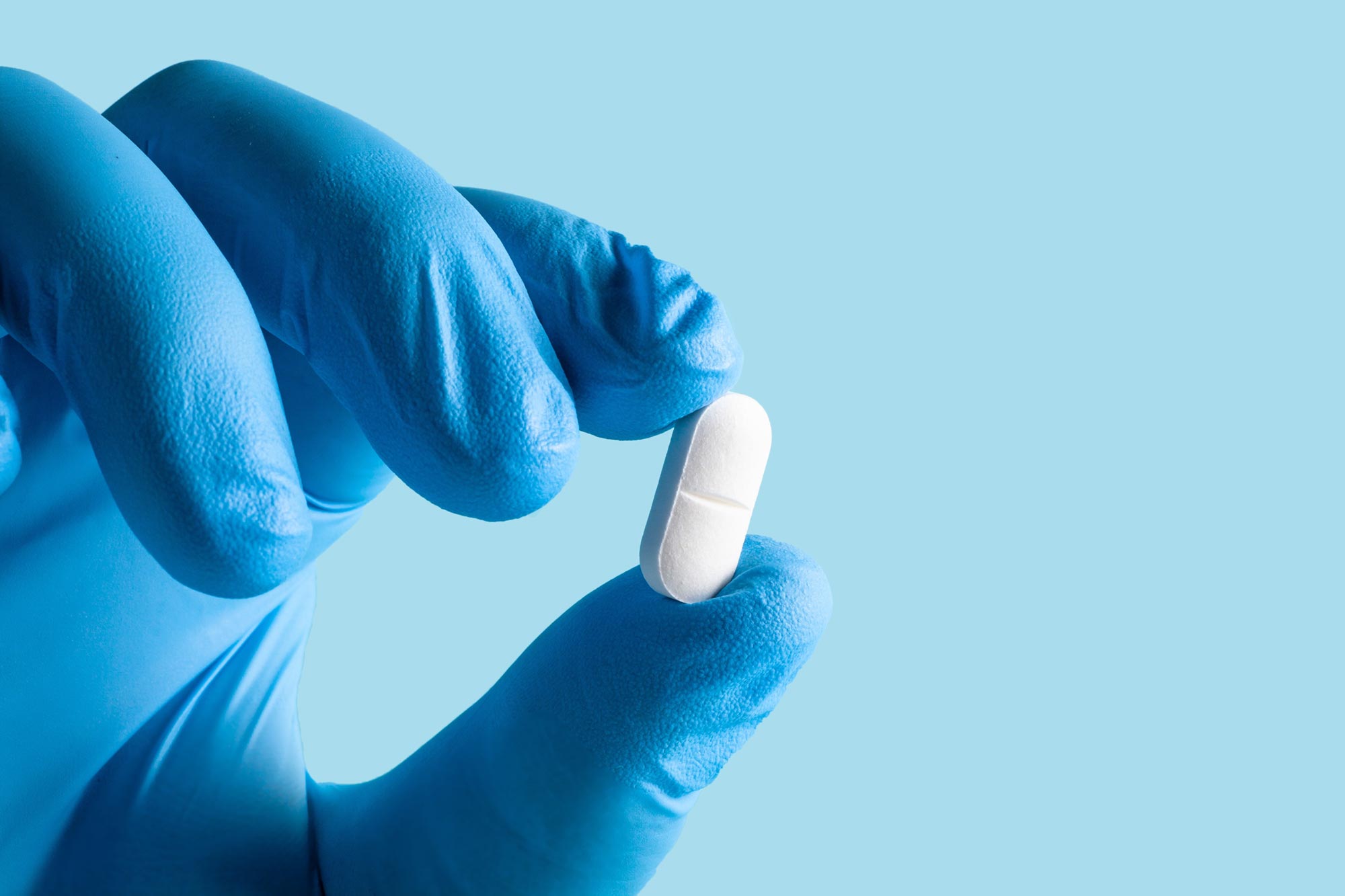
A single dose of rapamycin reversed nearly every autism-associated brain and behavioral change linked to inflammation before birth in adult mice within just two hours.
Changes laid down in the brain before birth may not be as functionally permanent as they appear. In adult mice exposed to inflammation in the womb, UCLA researchers restored more typical brain activity and eased several autism-associated behaviors in about two hours using a single dose of rapamycin.
The improvement was dramatic but short-lived. Rapamycin did not rebuild altered brain tissue or erase developmental differences. Instead, it appeared to rapidly reset how neurons and larger brain networks operated, suggesting that some persistent symptoms can arise from brain circuits that remain adjustable in adulthood.
The study, published in Nature Communications, used a mouse model of maternal inflammatory response. Previous work with this model found that even relatively mild inflammation during pregnancy can affect fetal brain development, leaving offspring with mild brain overgrowth, increased seizure susceptibility, disrupted sensory processing, and repetitive behaviors that continue into adulthood.
Maternal inflammation is one of several environmental factors being studied for its possible influence on neurodevelopment. It does not mean that inflammation during pregnancy inevitably causes autism, which is a highly complex condition shaped by many genetic and environmental influences. Animal models also reproduce only selected features associated with autism and cannot capture the full human condition.
How Pregnancy Inflammation Alters Brain Development
In the new experiments, researchers triggered a mild immune response in mice early in pregnancy using a dose that did not make the mothers significantly ill. Their offspring nevertheless developed persistent inflammation in the brain and elsewhere in the body, excessive activity in the mTOR signaling pathway, and poorly organized communication between brain regions.
The mTOR pathway acts as one of the cell’s central control systems, helping regulate growth, metabolism, and protein production. Excessive mTOR activity has been implicated in several genetic conditions associated with autism, which has made the pathway an important target for neuroscience research.
Rapamycin suppresses mTOR signaling. The drug is already used clinically to prevent organ rejection and for certain other medical conditions, but its effects on the immune system and risk of serious side effects limit its usefulness.
Rapamycin Reorganizes Brain Activity Within Hours
When the researchers gave the adult offspring one dose of rapamycin, abnormal neuronal firing quickly subsided. The mice became less vulnerable to seizures, communication among brain regions shifted toward more typical patterns, and the organization of larger functional networks improved.
Repetitive behaviors and sensory over-responsivity also declined. Sensory over-responsivity can make ordinary sounds, lights, textures, or other sensations feel unusually intense and is a common, difficult-to-treat challenge for many autistic people.
Nearly all of these changes emerged within roughly two hours. That speed was critical because remodeling synapses and physically rewiring the brain normally takes much longer. The results therefore point to a rapid functional reset rather than a structural repair.
“The level of functional normalization achieved over this short time suggests new mechanisms by which possible treatments may act,” said the study’s senior author, Dr. Harley Kornblum, director of the UCLA Intellectual and Developmental Disabilities Research Center in the Semel Institute for Neuroscience and Human Behavior. “It suggests the adult brain may be more adaptable than we assumed, even when the underlying structural changes from early development are still there. This points us toward the brain’s functional circuitry, not just its physical structure, as a target for future treatment approaches.”
Rebalancing the Brain’s Electrical Signals
To investigate what caused the rapid response, the team examined gene activity in brain cells before and after treatment. Rapamycin reversed abnormal expression in genes associated with autism, epilepsy, and ion channel function, with especially strong effects in excitatory neurons.
Ion channels help control the electrical signals used by neurons to communicate. The findings suggest that rapamycin temporarily restored a healthier balance of electrical activity, calming neurons that had become excessively excitable without first having to reconstruct their physical connections.
“These results reframe how autism-associated symptoms might be treated. If the adult brain remains capable of functional normalization, then some features of autism may be successfully addressed without needing to correct underlying structural differences,” said the paper’s first author, Dr. Janel Le Belle, an associate professor in the UCLA Department of Neurosurgery.
Promising Targets, but No Ready Treatment
The work does not establish rapamycin as an autism treatment. Its benefits faded, and daily treatment gradually lost effectiveness as the mice developed tolerance over several weeks. Long-term rapamycin use can also cause significant toxicity because mTOR signaling supports many essential processes throughout the body.
Still, the findings reveal several possible targets beyond rapamycin itself. Future treatments might seek to regulate overactive sensory circuits, rebalance excitation and inhibition among neurons, or reorganize dysfunctional brain networks without broadly suppressing mTOR throughout the body.
“This points toward new therapeutic targets like sensory circuit neuromodulation or balancing neuronal inhibition and excitation, rather than toward rapamycin itself as a treatment,” said co-senior author Dr. Neil Harris, a professor in the UCLA Department of Neurosurgery.
Reference: “Acute rapamycin treatment reveals distinct mechanisms of dysfunction in a maternal inflammation mouse model” by JE Le Belle, M. C. Condro, C. Cepeda, KD Oikonomou, K. Tessema, L. Dudley, J. Schoenfield, R. Kawaguchi, D. Geschwind, AJ Silva, Z. Zhang, K. Shokat, NG Harris and HI Kornblum, 23 July 2026, Nature Communications.
DOI: 10.1038/s41467-026-74958-1
Never miss a breakthrough: Join the SciTechDaily newsletter.
Follow us on Google and Google News.