
Strong muscle attachments and healed fractures suggest that royal women could use the weapons buried with them, while also showing that high status did not protect them from hardship.
Six royal mummies once considered lost resurfaced in 2020, giving researchers a new opportunity to examine five ancient Egyptian princesses and King Hor. The women included four sisters, Khenmet, Itaweret, Ita, and Sathathormeryt, along with Princess Noub-Hotep.
Their tombs contained bows, arrows, daggers, and other weapons, but without a modern bioarchaeological examination, researchers could not determine whether these objects were ceremonial or reflected skills the princesses had practiced. The bones revealed pronounced muscle attachments consistent with archery training, along with injuries that had received substantial care. Evidence of persistent infection and possible malnutrition also showed that royal privilege did not shield them from every hardship.
Weapons found in the burial chambers of ancient Egyptian princesses have fueled debate for decades. Were they symbols of status, or equipment the women actually knew how to handle? A new assessment of five royal women from the Middle Kingdom indicates that at least some of the princesses possessed the physical ability and training needed to use the weapons placed beside them.
“Members of the royal family, especially the women, were active participants in skilled, physically demanding activities such as archery and hunting,” said Dr Zeinab Hashesh, lead author of the article in Frontiers in Environmental Archaeology. “This conclusion is supported by the way their bones developed to sustain heavy muscle use, which corresponds directly to the weapons discovered in their tombs.”
Rediscovered mummies reopen an old question
The six mummies were originally uncovered during the 1890s at Dahshur, an ancient burial site containing pyramids and deep shaft tombs. After disappearing from scientific attention for years, they were located again at the Egyptian Museum during a collection management project in 2020.
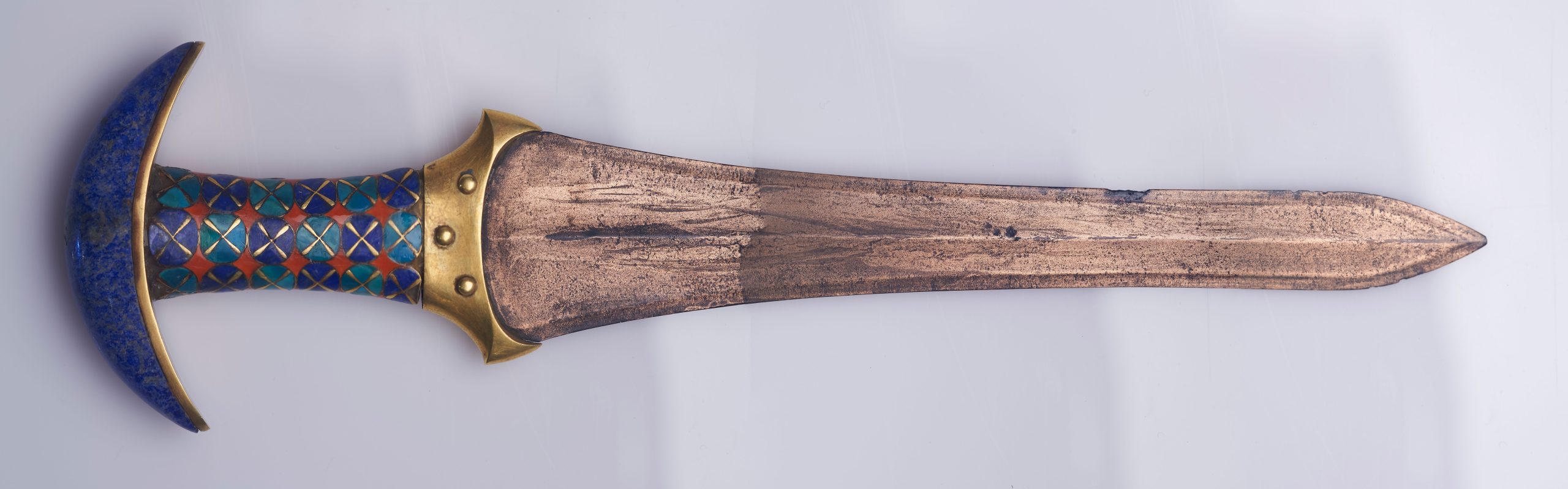
Four belonged to daughters of Pharaoh Amenemhat II who had been placed in paired underground burial chambers. Princess Ita was buried beside Princess Khenmet, while Princess Itaweret was interred with an unidentified woman tentatively recognized as Princess Sathathormeryt. Their burial goods included bows and arrows, objects traditionally associated with men, while Princess Ita’s coffin held an especially ornate dagger. Comparable royal objects accompanied Princess Noub-Hotep and King Hor, the other two individuals included in the assessment.
The mummification of all six individuals had been carefully performed, but their soft tissues had deteriorated into powder and portions of the skeletons were missing. The princesses’ skulls, which disappeared in the early 1900s, were among the losses. Even so, enough well-preserved bone remained for archaeologists to estimate age at death, height, and sex, while also searching for signs of disease, injury, and physical activity.
Each skeleton records a different life
“Princess Ita was a young woman aged between 28 and 34 with strong upper-body muscle attachments, suggesting she habitually used weapons like maces or daggers,” said Hashesh. “Princess Khenmet was a woman in her late 30s or 40s who showed signs of thinning bones, but had very robust ligament attachments. Princess Itaweret was a young woman aged between 20 and 34 who survived broken ribs and foot fractures; her skeleton shows she was a skilled archer.”
The sisters’ pronounced muscle attachments point to sustained physical activity that matches the demands of handling the weapons buried with them. Comparable skeletal patterns indicate that Princess Noub-Hotep and King Hor also practiced archery.
“We found pronounced development in the upper limbs of these individuals, which correlates to repetitive, high-intensity actions like pulling a bowstring or stabilizing a weapon, proving these activities were habitual throughout their lives,” explained Hashesh. “This directly explains the presence of bows, arrows, and maces in the women’s tombs; these were not just symbolic gifts but tools they actively used.”
Royal status did not prevent hardship
Several of the royals showed evidence of injury, infection, and nutritional problems. Princess Itaweret’s broken ribs were probably caused by a forceful impact or a fall from a height. Rare abnormalities in the sisters’ spines also suggest that their parents and extended family were closely related.
“These injuries were most likely caused by accidents, falls, hard blows, or other impacts linked to an active lifestyle, whether through hunting, military training, or other demanding activities,” said Hashesh. “What is remarkable is that the injuries healed well, which suggests they had access to advanced medical care for their time.”
Missing skulls leave questions unanswered
The missing skulls restrict what archaeologists can determine about the princesses. Other planned work also remains incomplete, including stable isotope analysis, which could provide more information about diet and possible nutritional deficiencies.
“Our dream would be to go far beyond simply identifying the Dahshur royals,” said Hashesh. “We would try to tell their full life stories, their families, health, and even their political roles, with as much detail as possible. Beyond the science, we would preserve the remains, create 3D prints for teaching and virtual exhibitions, and display them alongside their jewelry, weapons, and funerary objects. All of this would be done with respect, ensuring the remains are presented ethically, just as they were originally buried.
“Their objects and jewelry are truly fascinating, breathtaking in their craftsmanship. Yet, while archaeologists have long focused on preserving these treasures, the people themselves were often forgotten. Our study seeks to change that.”
Reference: “Bioarchaeological reassessment of Dahshur royal skeletal remains from the Late Middle Kingdom (c. 1850–1700 BCE)” by Zeinab Hashesh, Ahmed Gabr and Roxie Walker, 16 July 2026, Frontiers in Environmental Archaeology.
DOI: 10.3389/fearc.2026.1844402
Never miss a breakthrough: Join the SciTechDaily newsletter.
Follow us on Google and Google News.