
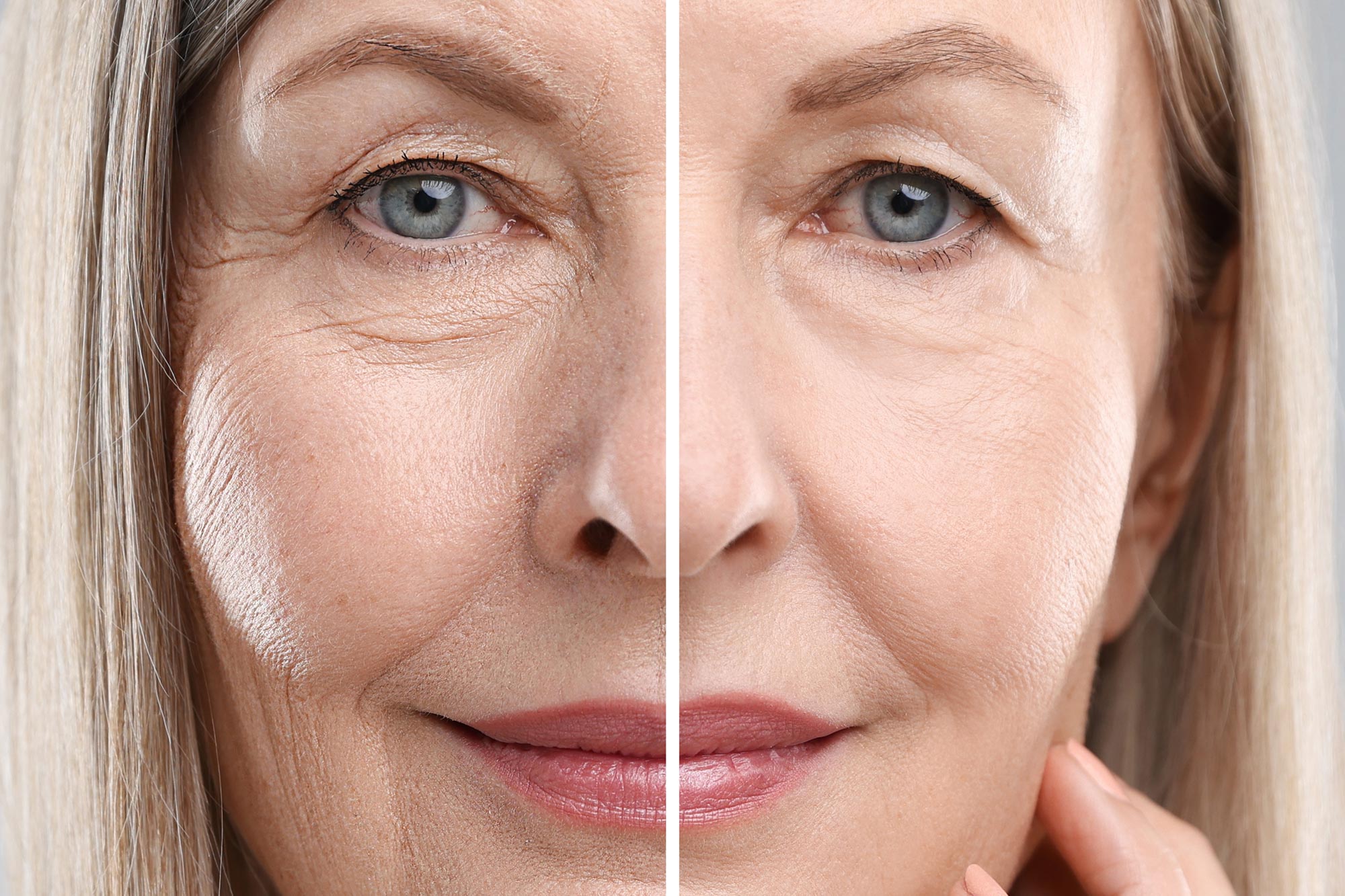
Scientists are discovering that some of the cells linked to aging may also be key to staying healthy.
A growing body of research is changing how scientists view one of aging biology’s most studied cell types: senescent cells, often called “zombie cells.” While these cells have long been associated with aging and chronic disease, new evidence suggests their role in the body is far more complex than previously believed.
A review published in Aging-US, titled “Cellular senescence: from pathogenic mechanisms to precision anti-aging interventions,” explores how senescent cells contribute to aging throughout the body and why future anti-aging therapies may need a much more targeted approach.
The review was led by first author Jian Deng and corresponding author Dong Yang of the Department of Targeting Therapy and Immunology at the Cancer Center of West China Hospital, Sichuan University in Chengdu, China.
Senescent Cells Are Not Always Harmful
Senescent cells are cells that have permanently stopped dividing. For years, they have largely been viewed as harmful byproducts of aging because they accumulate over time and release inflammatory molecules that can damage surrounding tissues.
However, researchers now recognize that senescent cells are not universally detrimental. In some situations, they serve important functions, including supporting wound healing, aiding embryonic development, and helping maintain normal tissue balance.
This growing understanding is reshaping how scientists think about aging and age-related disease.
How Senescence Affects Different Organs
The review examines the development of cellular senescence in several major organs and tissues, including the liver, lungs, kidneys, heart, adipose tissue, brain, and skin.
Across these systems, aging-related cellular damage can result from a combination of factors, including oxidative stress, mitochondrial dysfunction, DNA damage, chronic inflammation, metabolic stress, telomere shortening, and environmental exposures such as ultraviolet radiation and pollution.
Over time, senescent cells accumulate in specialized cell types throughout the body. These include hepatocytes, endothelial cells, fibroblasts, macrophages, astrocytes, and epithelial cells. As their numbers increase, they can alter tissue structure and contribute to the development and progression of chronic diseases.
Why Context Matters
One of the review’s central themes is that senescent cells are highly diverse. Rather than acting as a single uniform group, they can behave very differently depending on the tissue and biological conditions involved.
Some senescent cells may help prevent excessive scarring or support tissue repair. Others may promote chronic inflammation, metabolic disorders, tissue degeneration, and even cancer progression.
Because of these differences, researchers are increasingly moving away from the idea that all senescent cells should be eliminated.
“Based on these insights, this review summarizes the induction mechanisms of cellular senescence and the subsequent evolution of their functional phenotypes across diverse tissues.”
The recognition that senescent cells can have both beneficial and harmful effects has prompted a significant shift in anti-aging research toward more selective treatment strategies.
The Rise of Precision Anti-Aging Therapies
The review also highlights rapid advances in therapies designed to target cellular senescence.
Early senolytic drugs, including dasatinib, quercetin, and fisetin, were developed to destroy senescent cells by disrupting pathways that help them survive.
Newer approaches are becoming more sophisticated. Researchers are exploring highly targeted immunotherapies, including CAR-T cells engineered to recognize markers found on senescent cells. Other experimental treatments, known as senomorphics, aim to reduce the harmful inflammatory signals produced by senescent cells without eliminating the cells themselves.
These emerging strategies reflect a broader effort to intervene more precisely in the aging process.
Precision Geroprotection and the Future of Longevity Research
A major concept discussed in the review is “precision geroprotection.” Rather than removing all senescent cells, this approach seeks to identify and eliminate only those cell populations that contribute to disease while preserving senescent cells that continue to support tissue maintenance and repair.
To achieve this goal, researchers are increasingly relying on advanced technologies such as single-cell omics, lineage tracing, and spatial profiling. These tools may help scientists better understand the many subtypes of senescent cells and identify safer therapeutic targets.
At the same time, significant challenges remain before these therapies can be widely used in patients.
Researchers point to several obstacles, including the lack of highly specific biomarkers for senescence, difficulties delivering treatments to the correct cells, concerns about unintended tissue damage, and limited knowledge of how senescent cell populations change over time within different organs.
The authors note that indiscriminate removal of senescent cells could potentially interfere with important biological functions such as tissue repair, immune surveillance, vascular stability, and structural integrity, particularly in sensitive organs like the heart, lungs, and brain.
A More Nuanced View of Aging
Overall, the review presents a more balanced perspective on cellular senescence and its role in aging.
Instead of treating all senescent cells as harmful targets for removal, the authors advocate for a more personalized strategy focused on prevention, detailed functional analysis, and precision intervention.
As research continues to uncover the diverse roles these cells play throughout the body, future therapies may be able to promote healthier aging by targeting the cells that drive disease while preserving those that contribute to tissue health and recovery.
Reference: “Cellular senescence: from pathogenic mechanisms to precision anti-aging interventions” by Jian Deng, Ruipu Sun, Zhiyong Bai, Lisha Fang, Xudong Zhao and Dong Yang, 4 May 2026, Aging-US.
DOI: 10.18632/aging.206375
Never miss a breakthrough: Join the SciTechDaily newsletter.
Follow us on Google and Google News.