
Close Menu
    Facebook X (Twitter) Instagram
    SciTechDaily
    • Biology
    • Chemistry
    • Earth
    • Health
    • Physics
    • Science
    • Space
    • Technology
    Facebook X (Twitter) Pinterest YouTube RSS
    SciTechDaily
    Home»Biology»Fear of Predators in Grasshoppers Slows Plant Decay in Ecosystem
    Biology

    Fear of Predators in Grasshoppers Slows Plant Decay in Ecosystem

    By SciTechDailyJune 19, 2012No Comments2 Mins Read
    Facebook Twitter Pinterest Telegram LinkedIn WhatsApp Email Reddit
    Share
    Facebook Twitter LinkedIn Pinterest Telegram Email Reddit
    stressed-grasshopper
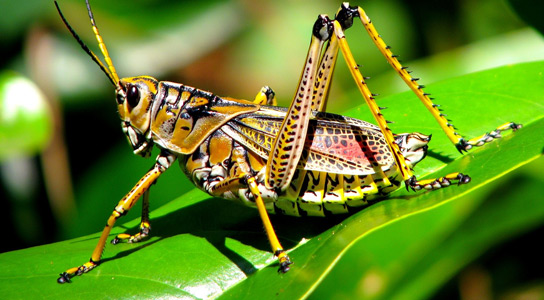
    Stressed grasshoppers’ deaths alter their environment by changing the chemistry of their bodies, affecting how soil microbes decompose nearby dead plant material.

    The fear of predators in an ecosystem can have a vast impact on soil ecology, simply due to the stress they put upon their prey. Dror Hawlena, ecologist at the Hebrew University in Jerusalem and his colleagues, showed that when stressed grasshoppers died, they impact their environment by the chemical differences in their bodies, affecting how the surrounding dead plant material is broken down by soil microbes.

    The scientists published their findings in the journal Science, and were interested in organism ecology and biogeochemistry. This allowed them to make predictions about how food web structure affects nutrient cycling.
    green-grasshopper

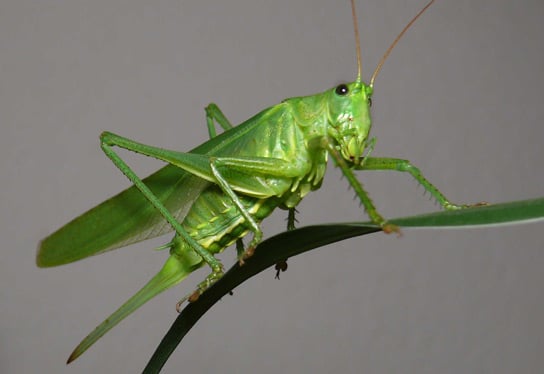
    Other studies have shown the impact of stress on animals, which will eat more carbohydrates to meet their heightened energy requirements. This in turn leaves a chemical trace in the bodies of the stressed animals. The nitrogen-poor corpses affect the metabolism of soil microbes, causing bacteria that require nitrogen to falter in the production of their decomposing enzymes.

    Hawlena and his team reared grasshoppers in field cages with predatory spiders that had their mouths glued shut. When the grasshoppers died, the remains were examined in a lab. The samples were then added to leaf litter to see how quickly plant material would decompose by soil microbes.

    The overall indirect effect of this predatory stress on soil microbes is lasting, and the rate of decomposition was 200% less than in samples treated with non-stressed grasshoppers. Predators actually affect soil microbe communities and the cycling of nutrients in more ways than just eating their prey.
    apex-predator

    The effects of this cascade isn’t immediately obvious, but this paper is added to the growing number of studies that detail the knock-off effects that predation has on organisms in an ecosystem, including soil fertility, plant growth and nutrition.

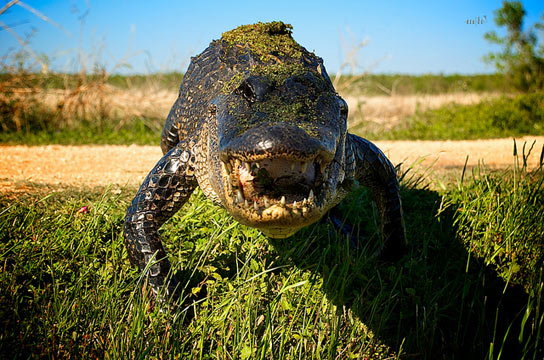
    It’s also hard to speculate how losing apex-level predators will affect soil ecology and biodiversity globally, but predators have a dramatic effect on the biogeochemical processes in ecosystems.

    Reference: “Fear of Predation Slows Plant-Litter Decomposition” by Dror Hawlena, Michael S. Strickland, Mark A. Bradford and Oswald J. Schmitz, 15 June 2012, Science.
    DOI: 10.1126/science.1220097

    Never miss a breakthrough: Join the SciTechDaily newsletter.
    Follow us on Google and Google News.

    Biogeochemistry Ecology Ecosystems Grasshopper Predator
    Share. Facebook Twitter Pinterest LinkedIn Email Reddit

    Related Articles

    This Animal Can Scuba Dive: Meet the Lizard That Uses Air Bubbles To Breathe Underwater

    Ants Help Researchers Understand Why Biodiversity is Higher in Tropical Regions

    Researchers Reveal Human Threats to the Amphibian Tree of Life

    University Scientists Track Dynamic Changes in Marine Life

    New Research Shows Suburbanization Alters Small Pond Ecosystems

    Marine Reserves Enhance Resilience to Climatic Impacts & Aid in Ecosystem Recovery

    First Direct Observation of an Under-Ice Algal Bloom in the Arctic

    Recreational Fishing is Causing the Collapse of Cape Cod’s Salt Marsh Ecosystems

    Ecologists Document Changes in Fragile Land-Sea Ecological Chain

    Leave A Reply Cancel Reply

    • Facebook
    • Twitter
    • Pinterest
    • YouTube

    Don't Miss a Discovery

    Subscribe for the Latest in Science & Tech!

    Trending News

    JWST Finds a “Star” 100 Billion Times Brighter Than Any Star Should Be

    Scientists Find a Hidden Biological Link Across Different Forms of Autism

    Astronomers Discover a Ghostly River of Stars That Could Reveal Dark Matter

    Why Is Colorectal Cancer Rising in People Under 50? New Clues Point to the Environment

    Quantum Fluctuations Break a Crystal’s Symmetry Rules

    Why Does an Irregular Heartbeat Strike 40 Years Early in Some People?

    Scientists Reveal How ADHD Could Fuel Creative Thinking

    Scientists Find Just 3 Minutes of Sprinting Can Transform Blood Chemistry

    Follow SciTechDaily
    • Facebook
    • Twitter
    • YouTube
    • Pinterest
    • Newsletter
    • RSS
    SciTech News
    • Biology News
    • Chemistry News
    • Earth News
    • Health News
    • Physics News
    • Science News
    • Space News
    • Technology News
    Recent Posts
    • Cleaner Cars May Be Hiding a New Pollution Problem
    • Common Plant Chemical Linked to Widespread Organ Damage in Aquatic Animals
    • Scientists Discover a Hidden Baobab Species in Madagascar
    • Dogs and Humans May Share a Surprising Biological Secret to Longevity
    • A 150-Million-Year-Old Dinosaur Flight Mystery May Finally Have an Answer
    Copyright © 1998 - 2026 SciTechDaily. All Rights Reserved.
    • Science News
    • About
    • Contact
    • Editorial Board
    • Privacy Policy
    • Terms of Use

    Type above and press Enter to search. Press Esc to cancel.