
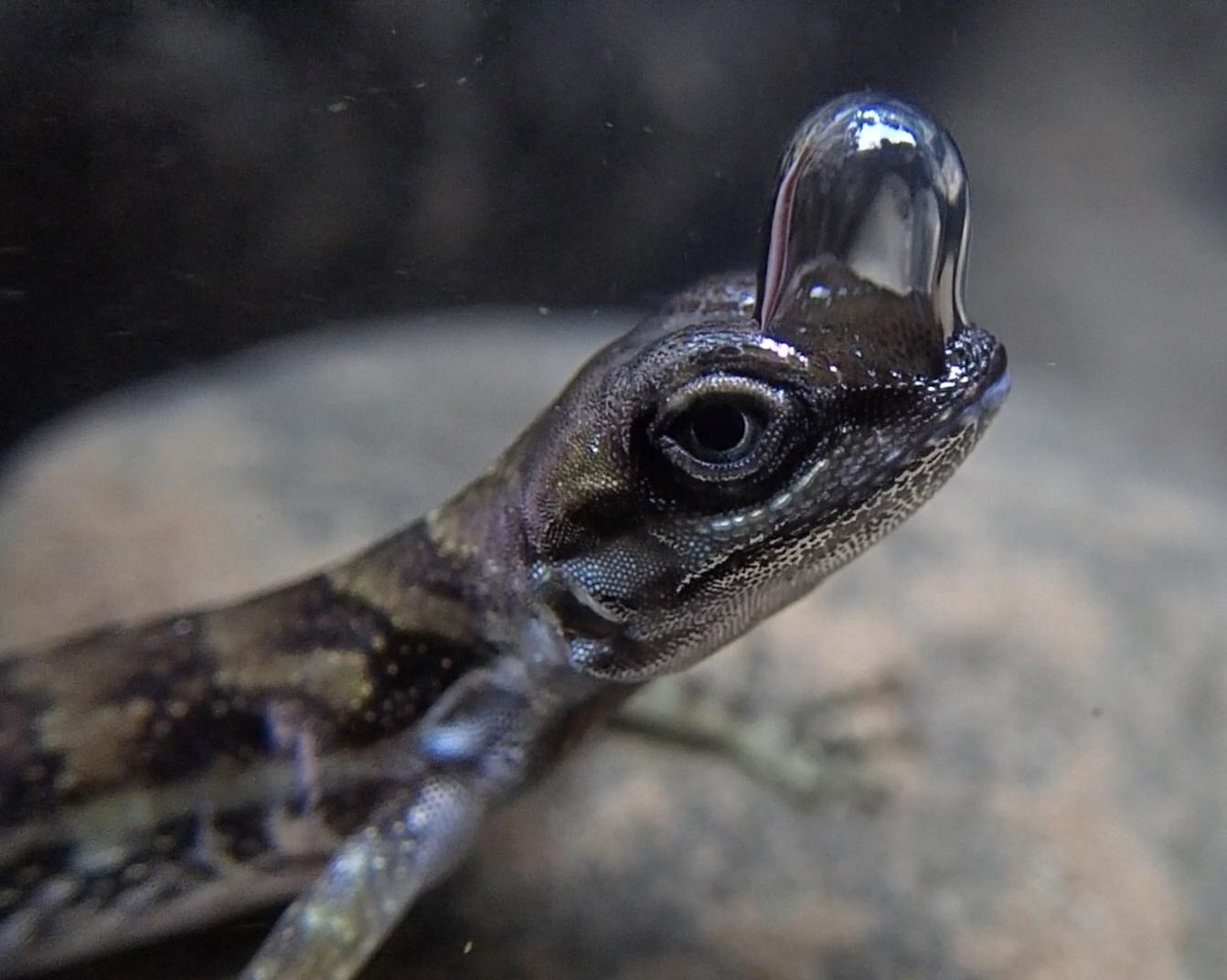
A species of semi-aquatic lizard creates bubbles to breathe underwater and avoid predators, with studies suggesting a vital respiratory function, possibly similar to insects’ physical gills.
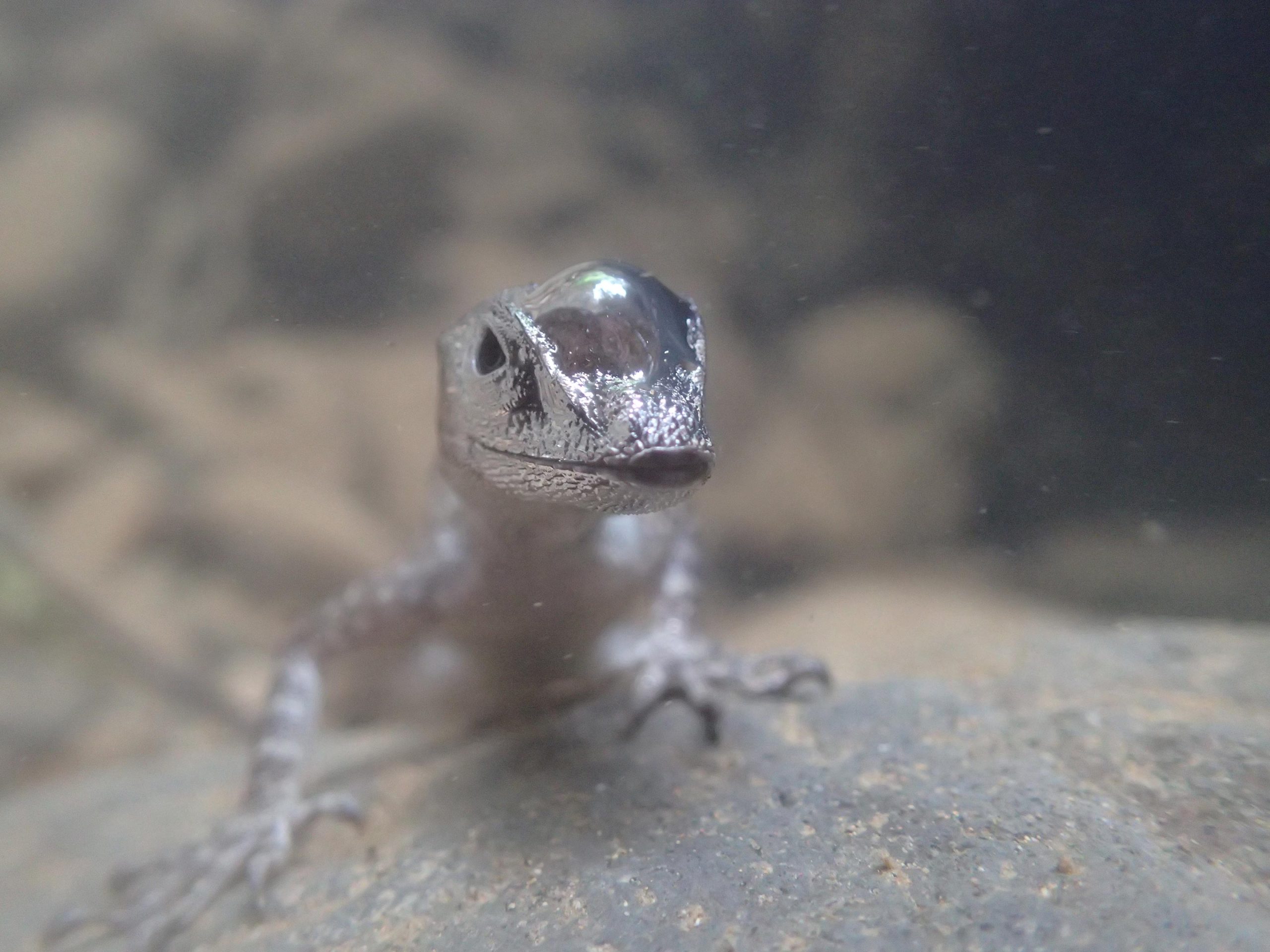
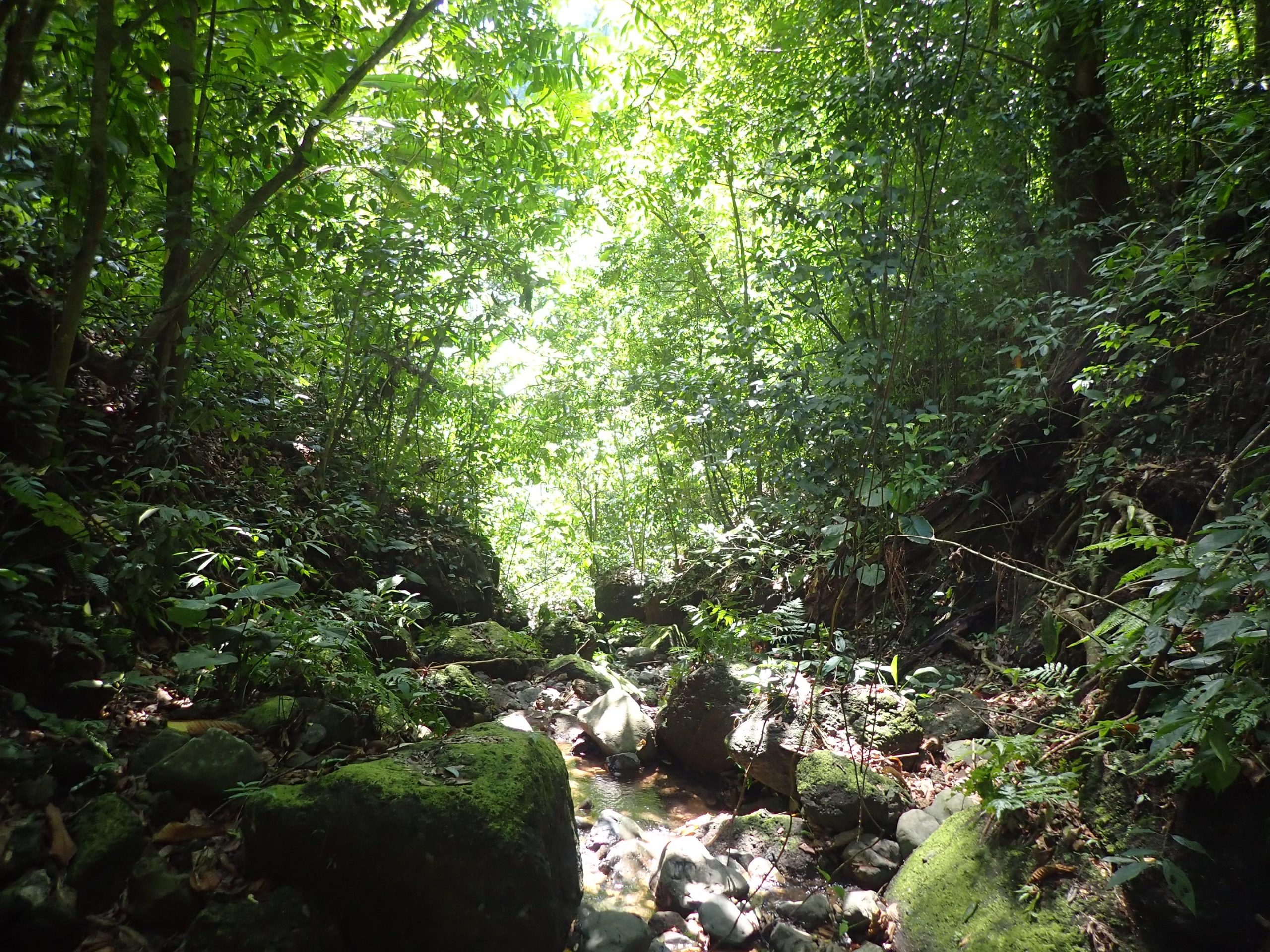
A small species of semi-aquatic lizard may have evolved the ability to “scuba-dive,” according to a new study by Binghamton University, State University of New York. The study reveals that the water anole, found in the tropical forests of southern Costa Rica, produces a special bubble over its nostrils to breathe underwater to avoid predators.
Water anoles were previously documented using bubbles underwater by Lindsey Swerk, an assistant research professor of biological sciences at Binghamton University who studies water anoles. When these lizards feel threatened by a predator, they dive underwater and breathe a bubble over their heads.
A Costa-Rican lizard species may have evolved scuba-diving qualities allowing it to stay underwater for 16 minutes, according to faculty at Binghamton University, State University of New York. Credit: Binghamton University, State University of New York
Investigating the Functional Role of Bubbles in Lizard Respiration
“We know that they can stay underwater for a really long time. We also know that they’re pulling oxygen from this bubble of air,” said Swierk. “We didn’t know whether there was actually any functional role for this bubble in respiration. Is it something that lizards do that is just a side effect of their skin’s properties or a respiratory reflex, or is this bubble actually allowing them to stay underwater longer than they would, say, without a bubble?”
To investigate whether the bubble serves a functional role in respiration or is merely a byproduct, Swierk applied a substance to the lizards’ skin surface that would prevent bubble formation.
Experimental Findings on Lizards’ Underwater Survival
“Lizard skin is hydrophobic. Typically, that allows air to stick very tightly to the skin and permits this bubble to form. But when you cover the skin with an emollient, air no longer sticks to the skin surface, so the bubbles can’t form,” said Swierk.
Swierk recorded the number of bubbles that the lizards could produce and how long they could stay underwater and compared them to lizards in a control group that were allowed to breathe normally. She found that the lizards in the control group could stay underwater 32% longer than those with impaired bubble formation.
“This is really significant because this is the first experiment that truly shows adaptive significance of bubbles. Rebreathing bubbles allow lizards to stay underwater longer. Before, we suspected it – we saw a pattern – but we didn’t actually test if it served a functional role,” said Swierk.
Exploring Broader Implications and Future Research
The study, published in Biology Letters, confirmed that the bubble helps lizards stay underwater for longer periods, providing them with a refuge from predators.
“Anoles are kind of like the chicken nuggets of the forest. Birds eat them, snakes eat them,” said Swiek. “So by jumping in the water, they can escape a lot of their predators, and they remain very still underwater. They’re pretty well camouflaged underwater as well, and they just stay underwater until that danger passes. We know that they can stay underwater at least about 20 minutes, but probably longer.”
Going forward, Swierk wants to figure out whether lizards are using the bubble as something called a physical gill. A physical gill occurs in insects that use bubbles to breathe underwater. Insects have smaller oxygen requirements, and the amount of oxygen that diffuses from the water into the air of the bubble is enough to sustain them. Water anoles are likely too big to be supported merely by the oxygen that’s diffusing into a bubble. One of Swierk’s graduate students, Alexandra Martin, is testing whether a physical gill-type action is allowing lizards to spend even more time underwater by changing the oxygenation of the water and measuring its effects on lizards’ dive time.
Swierk said that the research is exciting because scientists don’t know much about vertebrate bubble use, which can open the door to bioinspired materials It’s also just interesting to learn about a new animal behavior.
“I’ve had people talk to me about how much they love scuba diving and freediving, and how they’re interested in how animals might do the same thing,” said Swierk. “So there’s a great opportunity to get people excited about science by having this relationship between what they love to do and what’s evolved in nature. Even in animals that seem commonplace – you’re always finding new things.”
Reference: “Novel rebreathing adaptation extends dive time in a semi-aquatic lizard” by Lindsey Swierk, 1 September 2024, Biology Letters.
DOI: 10.1098/rsbl.2024.0371
Never miss a breakthrough: Join the SciTechDaily newsletter.
Follow us on Google and Google News.