
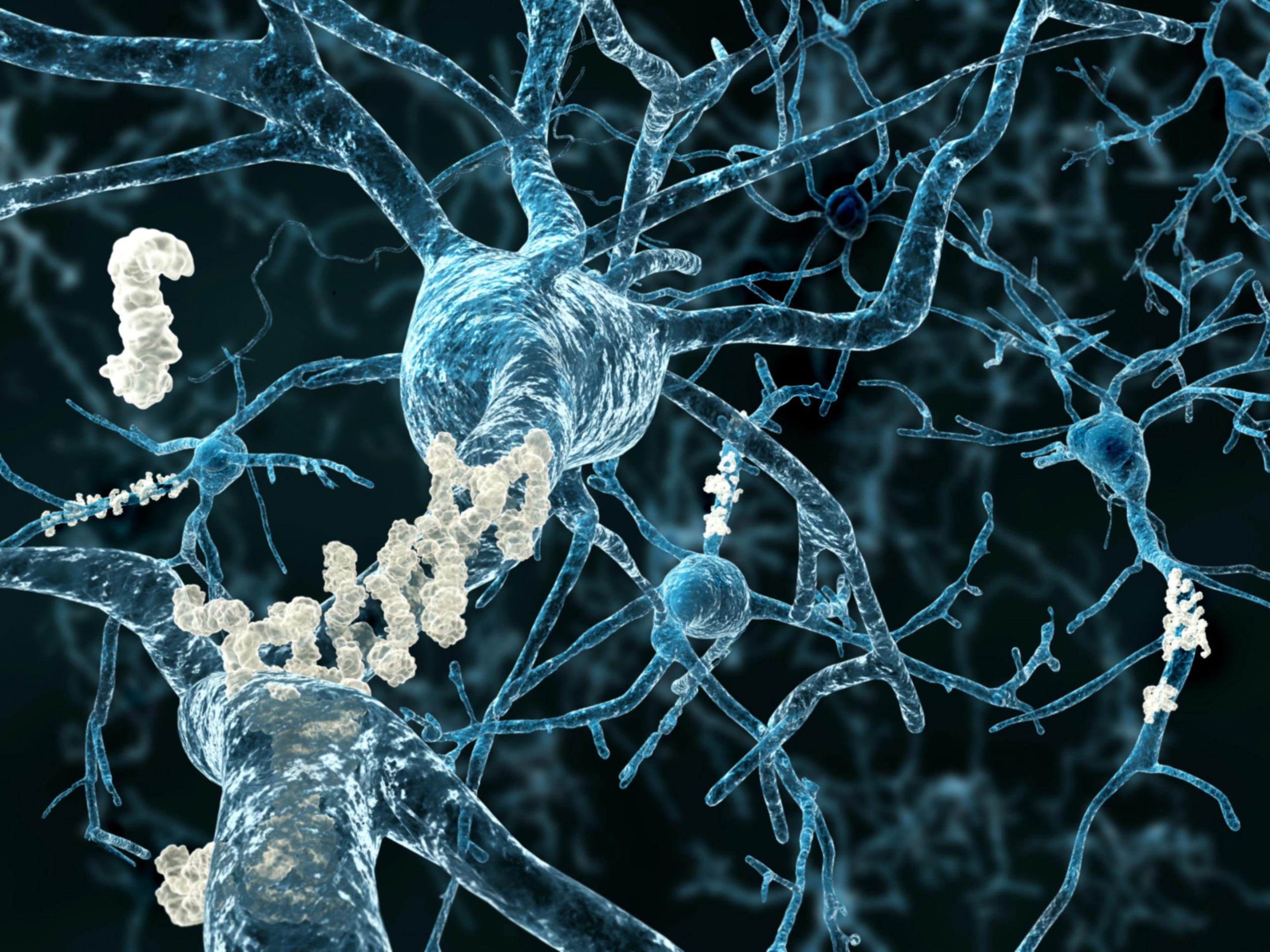
A study conducted by Università Cattolica in Rome and the Fondazione Policlinico Universitario Agostino Gemelli IRCCS has uncovered a significant mechanism involved in Alzheimer’s disease and identified potential new therapeutic approaches.
A potential future treatment for Alzheimer’s disease could involve a nasal spray. Researchers from Università Cattolica and Fondazione Policlinico Universitario A. Gemelli IRCCS have identified a way to counteract cognitive decline and brain damage associated with the disease by targeting the brain enzyme S-acyltransferase (zDHHC) with a nasal-spray drug. The study was led by Professor Claudio Grassi, Director of the Neuroscience Department, and Professor Salvatore Fusco, in collaboration with the University of Catania.
The researchers observed that the post-mortem brains of Alzheimer patients contained an excess of S-acyltransferase, which could be a promising therapeutic target of new drugs. They also found that higher concentrations of this enzyme were associated with worse cognitive performance. Thanks to a €890,000 grant from the Ministry of Health’s 2023 PNRR call, new therapeutic approaches against this enzyme will be explored.
Background
The development of Alzheimer is driven by alterations in certain proteins, including beta-amyloid and tau, which aggregate and accumulate in the brain. These proteins’ functions are regulated by multiple signals and modifications, including the attachment of a fatty acid molecule in a biochemical reaction called “S-palmitoylation,” which is performed by S-acyltransferase enzymes (zDHHC).
“In previous studies, we demonstrated that altered S-palmitoylation of synaptic proteins plays a critical role in cognitive decline induced by metabolic diseases like type 2 diabetes (Spinelli et al., Nature Communications) and that brain insulin resistance may impact the amount of active zDHHC enzymes in the brain,” Prof. Fusco explains. The authors also note a well-established link between insulin resistance and neurodegenerative diseases, so much so that Alzheimer’s is often called type III diabetes.
“In this new study, we showed that in the early stages of Alzheimer’s, molecular changes resembling a scenario of brain insulin resistance cause an increase of zDHHC7 enzyme levels and alter the S-palmitoylation of key proteins involved in cognitive functions and beta-amyloid accumulation.”
Toward New Treatment Options
“Our findings show that in animal models of Alzheimer’s disease, both pharmacological and genetic inhibition of protein S-palmitoylation can counteract the accumulation of harmful proteins in neurons and delay the onset and progression of cognitive decline”, the lead author of the study Dr. Francesca Natale adds. Furthermore, in post-mortem brain samples from Alzheimer’s patients, there are elevated levels of zDHHC7 and S-palmitoylated proteins, with an inverse correlation between BACE1 S-palmitoylation levels and cognitive maintenance scores on the Mini Mental State Examination.
In experiments performed on genetically modified mice replicating Alzheimer’s disorder, researchers turned off zDHHC enzymes using an experimental nasal-spray drug called “2-bromopalmitate”. This approach successfully stopped neurodegeneration, reduced symptoms, and even extended the animals’ lifespan.
“Currently, no drugs can selectively block zDHHC7, and 2-bromopalmitate is not sufficiently precise”, Prof. Grassi says. However, thanks to the PNRR 2023 funding, new approaches—potentially translatable to human therapies—will be tested, including “genetic patches” (small ‘oligonucleotides’ that bind to the zDHHC7 enzyme’s RNA and prevent its maturation) or engineered proteins that can interfere with zDHHC enzyme activity.”
Reference: “Inhibition of zDHHC7-driven protein S-palmitoylation prevents cognitive deficits in an experimental model of Alzheimer’s disease” by Francesca Natale, Matteo Spinelli, Marco Rinaudo, Walter Gulisano, Ida Nifo Sarrapochiello, Giuseppe Aceto, Daniela Puzzo, Salvatore Fusco and Claudio Grassi, 26 November 2024, Proceedings of the National Academy of Sciences.
DOI: 10.1073/pnas.2402604121
Never miss a breakthrough: Join the SciTechDaily newsletter.
Follow us on Google and Google News.