
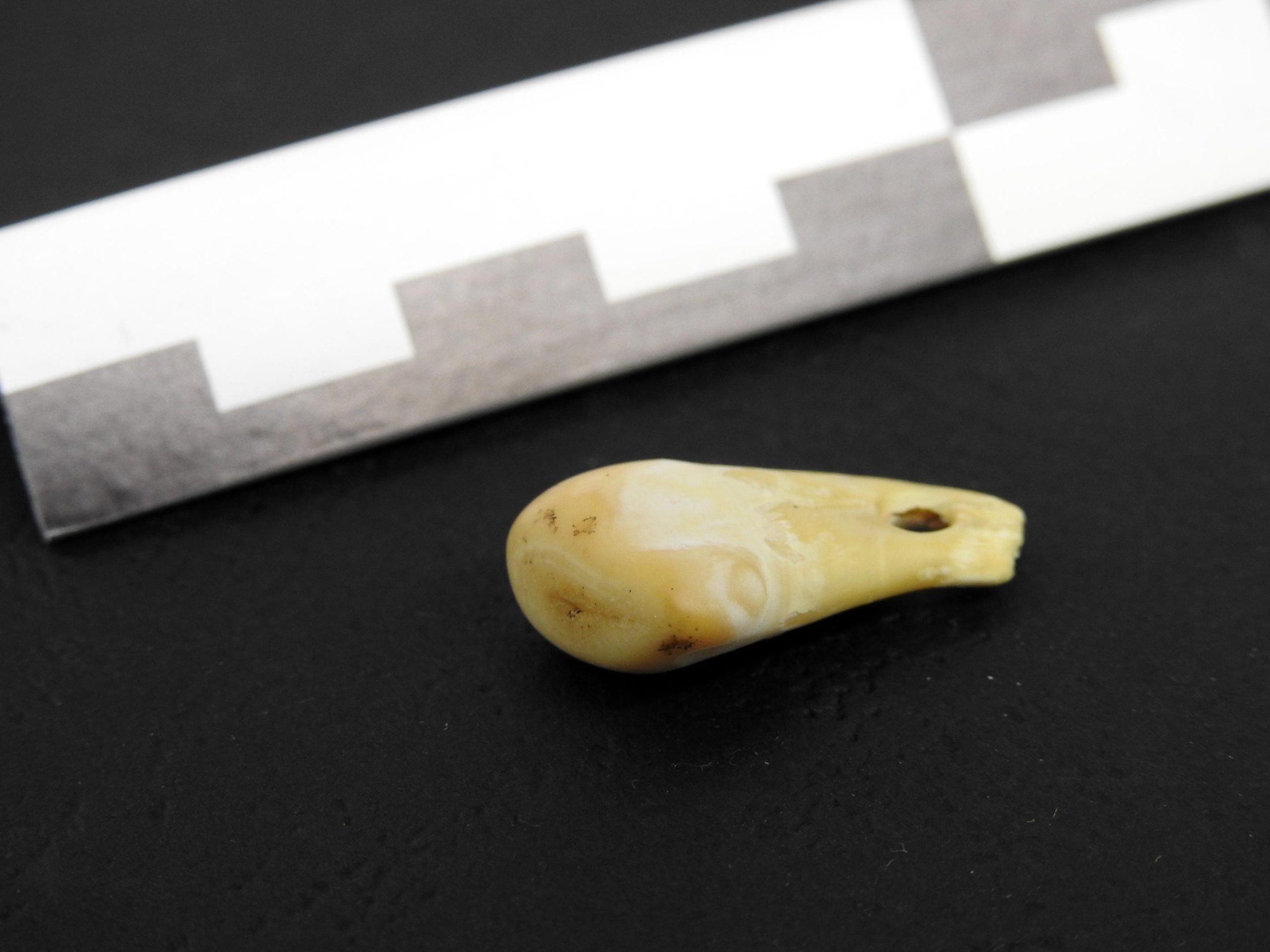
Researchers from the Max Planck Institute have successfully isolated ancient human DNA from a Paleolithic deer tooth pendant, paving the way for directly identifying the users of artifacts from the deep past and gaining deeper insights into Paleolithic societies.
An international research team led by the Max Planck Institute for Evolutionary Anthropology in Leipzig, Germany, has for the first time successfully isolated ancient human DNA from a Paleolithic artifact: a pierced deer tooth discovered in Denisova Cave in southern Siberia. To preserve the integrity of the artifact, they developed a new, non-destructive method for isolating DNA from ancient bones and teeth. From the DNA retrieved they were able to reconstruct a precise genetic profile of the woman who used or wore the pendant, as well as of the deer from which the tooth was taken. Genetic dates obtained for the DNA from both the woman and the deer show that the pendant was made between 19,000 and 25,000 years ago. The tooth remains fully intact after analysis, providing testimony to a new era in ancient DNA research, in which it may become possible to directly identify the users of ornaments and tools produced in the deep past.
Artifacts made of stone, bones, or teeth provide important insights into the subsistence strategies of early humans, their behavior, and culture. However, until now it has been difficult to attribute these artifacts to specific individuals, since burials and grave goods were very rare in the Palaeolithic. This has limited the possibilities of drawing conclusions about, for example, division of labor or the social roles of individuals during this period.
In order to directly link cultural objects to specific individuals and thus gain deeper insights into Paleolithic societies, an international, interdisciplinary research team, led by the Max Planck Institute for Evolutionary Anthropology in Leipzig, has developed a novel, non-destructive method for DNA isolation from bones and teeth. Although they are generally rarer than stone tools, the scientists focused specifically on artifacts made from skeletal elements, because these are more porous and are therefore more likely to retain DNA present in skin cells, sweat, and other body fluids.
A New DNA Extraction Method
Before the team could work with real artifacts, they first had to ensure that the precious objects would not be damaged. “The surface structure of Paleolithic bone and tooth artifacts provides important information about their production and use. Therefore, preserving the integrity of the artifacts, including microstructures on their surface, was a top priority” says Marie Soressi, an archaeologist from the University of Leiden who supervised the work together with Matthias Meyer, a Max Planck geneticist.
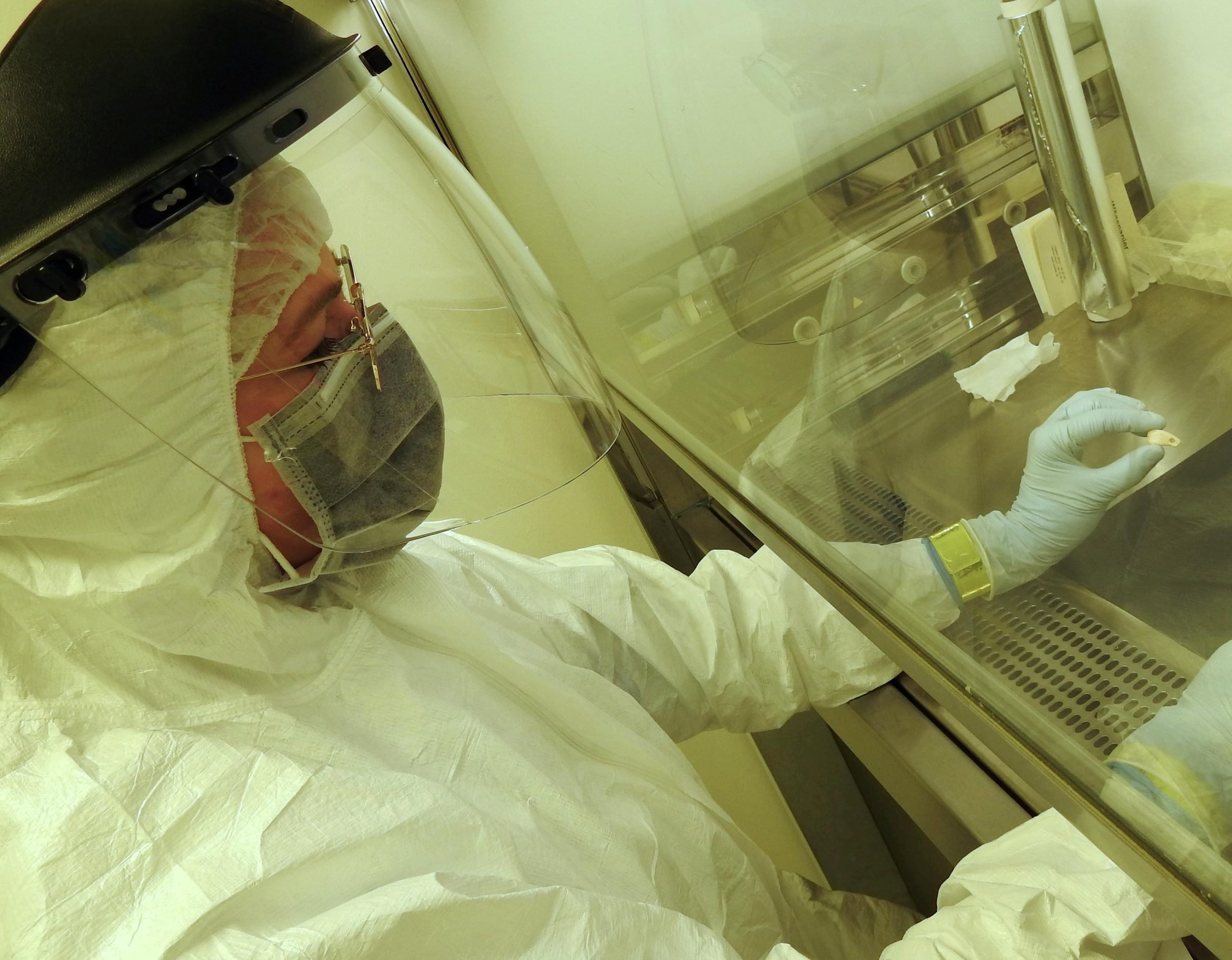
The team tested the influence of various chemicals on the surface structure of archaeological bone and tooth pieces and developed a non-destructive phosphate-based method for DNA extraction. “One could say we have created a washing machine for ancient artifacts within our clean laboratory,” explains Elena Essel, the lead author of the study who developed the method. “By washing the artifacts at temperatures of up to 90°C, we are able to extract DNA from the wash waters, while keeping the artifacts intact.”
Early Setbacks
The team first applied the method to a set of artifacts from the French cave Quinçay excavated back in the 1970s to 1990s. Although in some cases it was possible to identify DNA from the animals from which the artifacts were made, the vast majority of the DNA obtained came from the people who had handled the artifacts during or after excavation. This made it difficult to identify ancient human DNA.
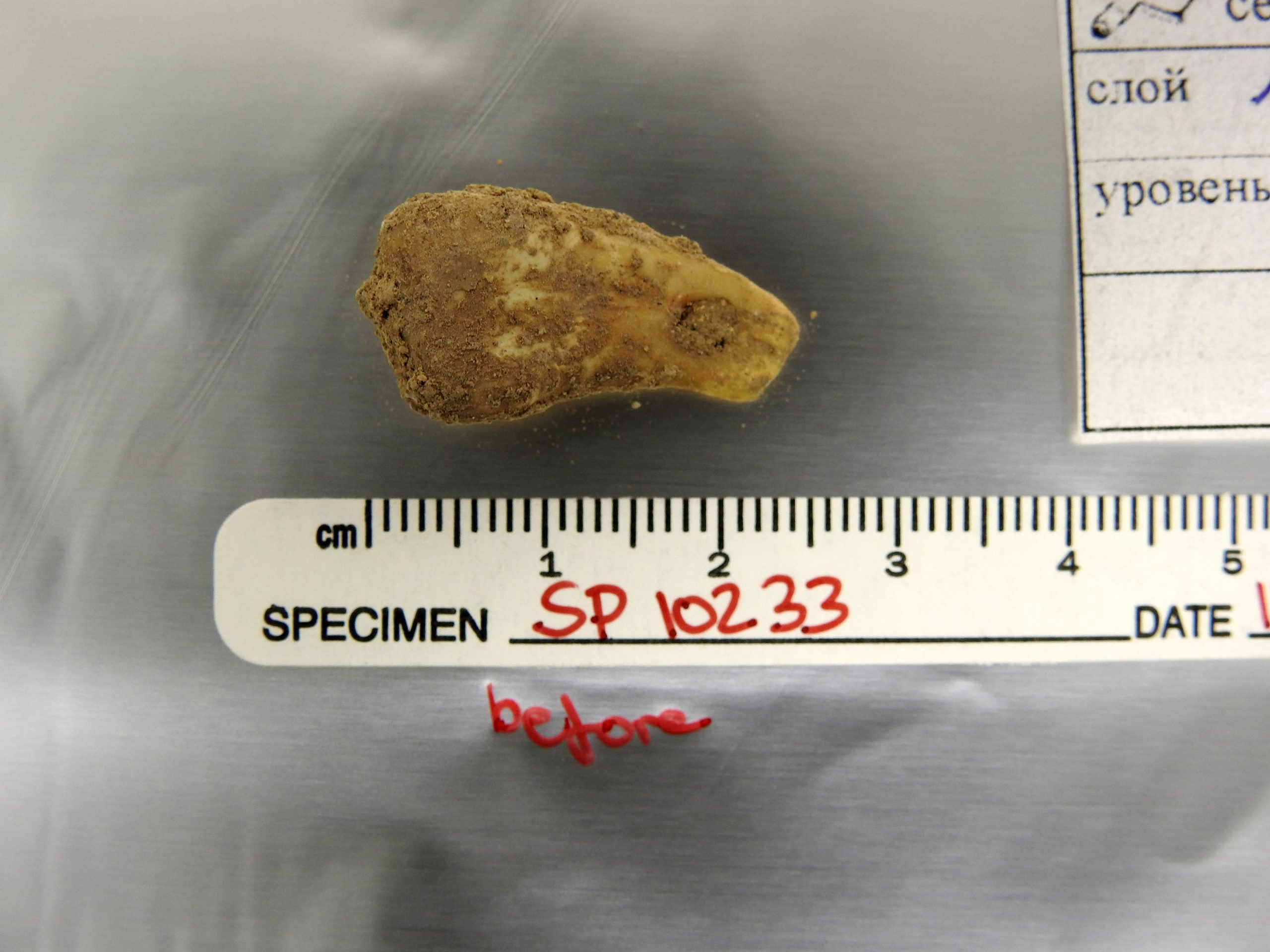
To overcome the problem of modern human contamination, the researchers then focused on material that had been freshly excavated using gloves and face masks and put into clean plastic bags with sediment still attached. Three tooth pendants from Bacho Kiro Cave in Bulgaria, home to the oldest securely dated modern humans in Europe, showed significantly lower levels of modern DNA contamination; however, no ancient human DNA could be identified in these samples.
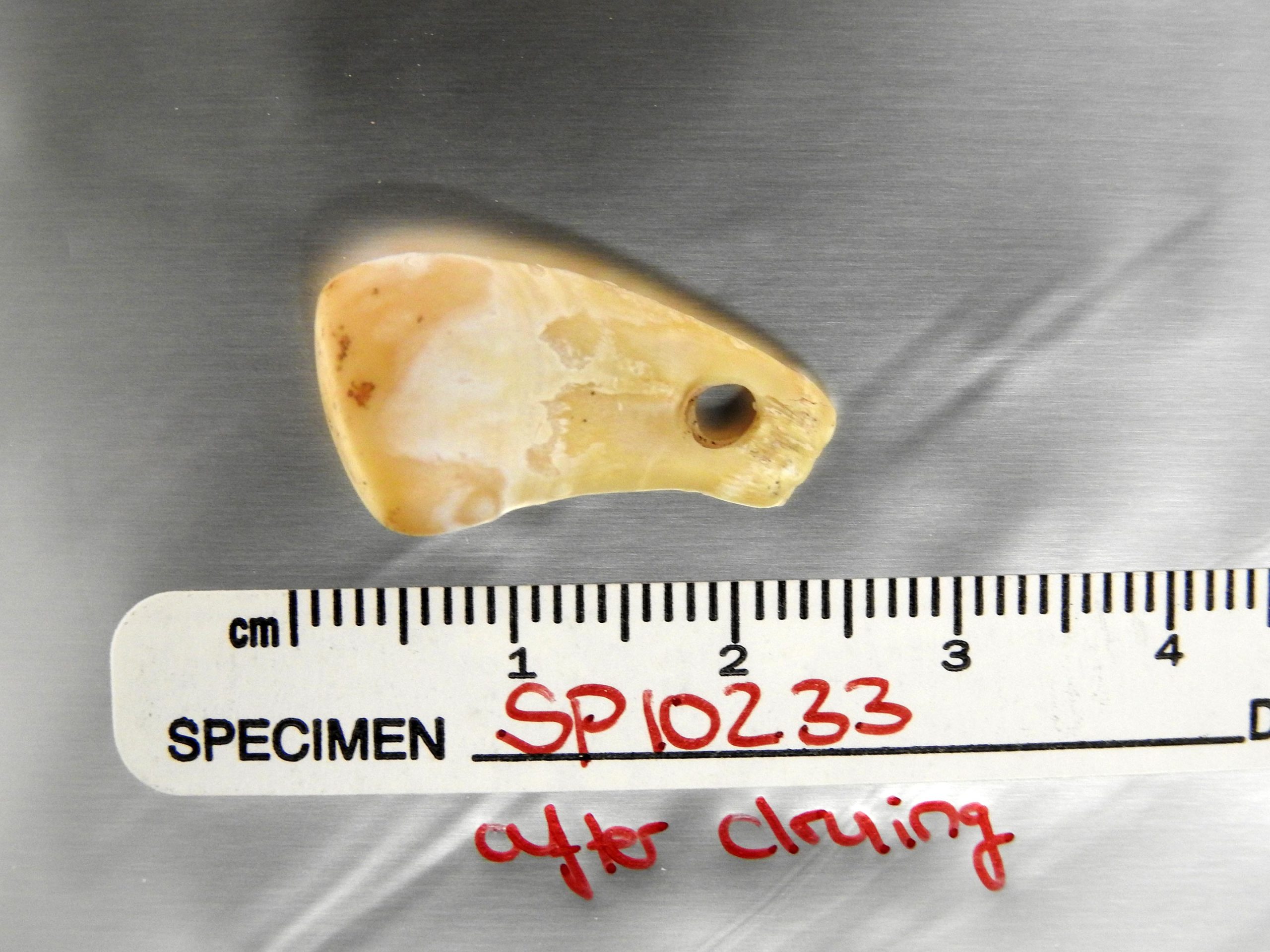
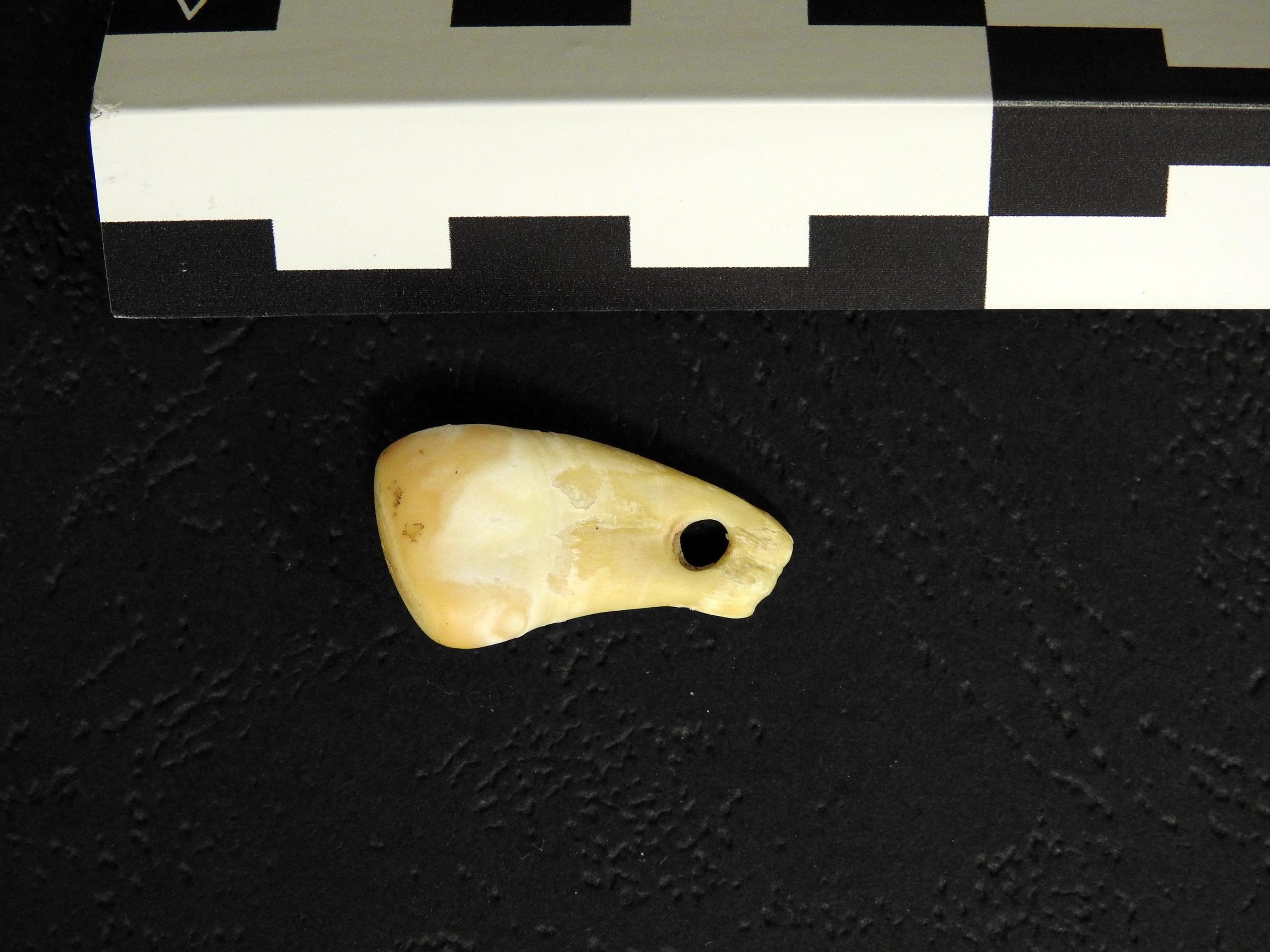
A Pendant From Denisova Cave
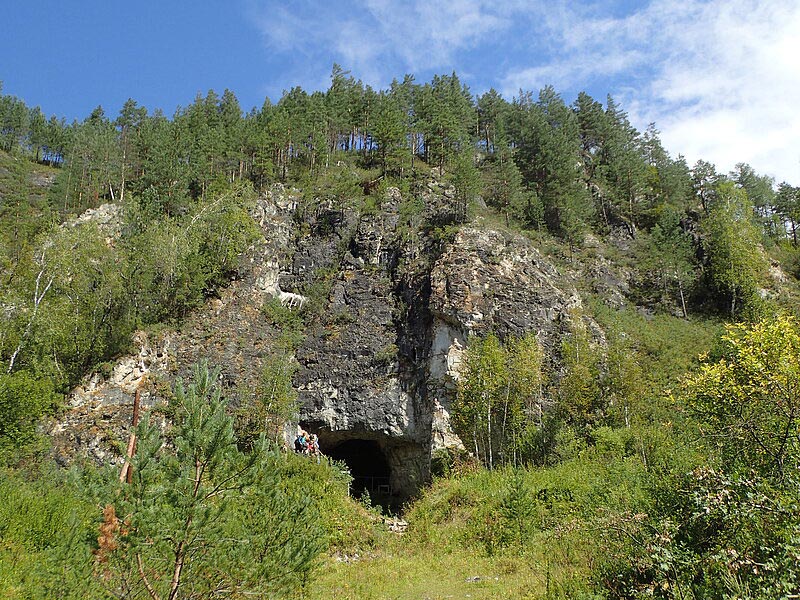
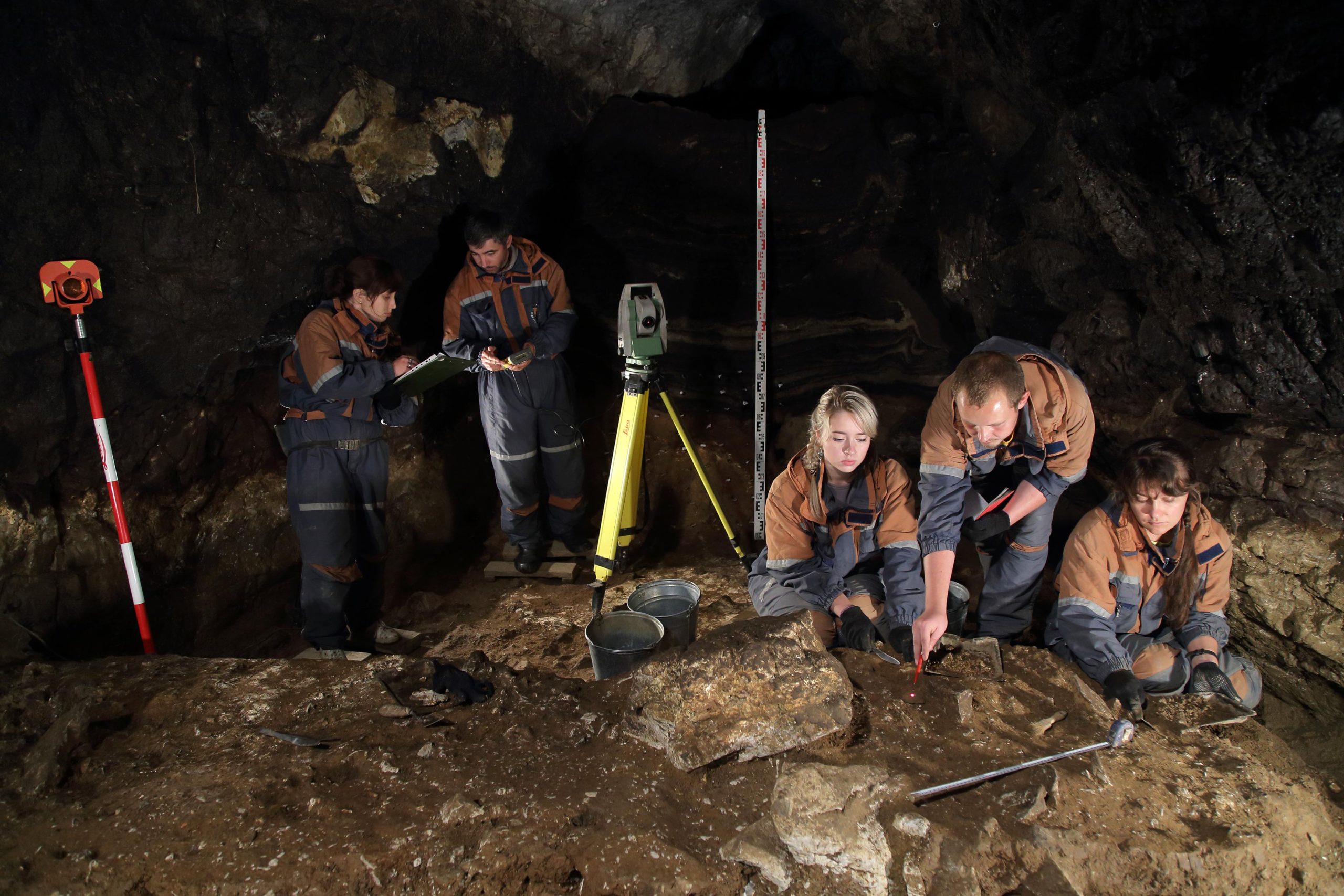
The breakthrough was finally enabled by Maxim Kozlikin and Michael Shunkov, archaeologists excavating the famous Denisova Cave in Russia. In 2019, unaware of the new method being developed in Leipzig, they cleanly excavated and set aside an Upper Paleolithic deer tooth pendant. From this, the geneticists in Leipzig isolated not only the DNA from the animal itself, a wapiti deer, but also large quantities of ancient human DNA. “The amount of human DNA we recovered from the pendant was extraordinary,” says Elena Essel, “almost as if we had sampled a human tooth.”
Based on the analysis of mitochondrial DNA, the small part of the genome that is exclusively inherited from the mother to their children, the researchers concluded that most of the DNA likely originated from a single human individual. Using the wapiti and human mitochondrial genomes they were able to estimate the age of the pendant at 19,000 to 25,000 years, without sampling the precious object for C14 dating.
In addition to mitochondrial DNA, the researchers also recovered a substantial fraction of the nuclear genome of its human owner. Based on the number of X chromosomes they determined that the pendant was made, used or worn by a woman. They also found that this woman was genetically closely related to contemporaneous ancient individuals from further east in Siberia, the so-called ‘Ancient North Eurasians’ for whom skeletal remains have previously been analyzed. “Forensic scientists will not be surprised that human DNA can be isolated from an object that has been handled a lot,” says Matthias Meyer, “but it is amazing that this is still possible after 20,000 years.”
The scientists now hope to apply their method to many other objects made from bone and teeth in the Stone Age to learn more about the genetic ancestry and sex of the individuals who made, used, or wore them.
Reference: “Ancient human DNA recovered from a Palaeolithic pendant” by Elena Essel, Elena I. Zavala, Ellen Schulz-Kornas, Maxim B. Kozlikin, Helen Fewlass, Benjamin Vernot, Michael V. Shunkov, Anatoly P. Derevianko, Katerina Douka, Ian Barnes, Marie-Cécile Soulier, Anna Schmidt, Merlin Szymanski, Tsenka Tsanova, Nikolay Sirakov, Elena Endarova, Shannon P. McPherron, Jean-Jacques Hublin, Janet Kelso, Svante Pääbo, Mateja Hajdinjak, Marie Soressi and Matthias Meyer, 3 May 2023, Nature.
DOI: 10.1038/s41586-023-06035-2
Funding: Max-Planck-Gesellschaft, French Ministry of Culture, Russian Science Foundation, NWO VICI award, H2020 European Research Council, Adolph C. and Mary Sprague Miller Institute for Basic Research in Science
Never miss a breakthrough: Join the SciTechDaily newsletter.
Follow us on Google and Google News.
7 Comments
Are they sure it was a woman? You know how confused scientists are there days.
Scientists aren’t at all confused about this, but those profoundly ignorant of the science around gender evidently are.
How dare the scientists assume the gender!
What if “it” identified as a wookie?
There are several known genes that cause people to be misgendered. One is seldom detected unless the individual either competes in the Olympics, goes to a doctor to find out why they haven’t been able to become pregnant (and never started menstrual periods by their mid 20s), or are diagnosed with testicular cancer.
Another kind is characterized by an apparent female suddenly developing male sexual characteristics when “she” enters adolescence. In the communities that have significant numbers of people with that non-typical gene, the community apparently simply accepts that they were initially incorrect in considering that individual female and he starts doing the things boys in that community do. It is my impre
Why do “scientists” always give dates of thousands or millions of years ago without any proof. How do you know this for sure? How are these dates determined? These are all guesses and people need to stop passing this information as fact.
There are several and diverse means that scientists use to date ancient materials of various types. These scientists are not guessing. Why don’t you perform an internet search, something like “dating ancient artifacts”, omit the quotation marks and you can learn about these dating methods.
HI ,thank you for all the hard work.
Have a nice day!