
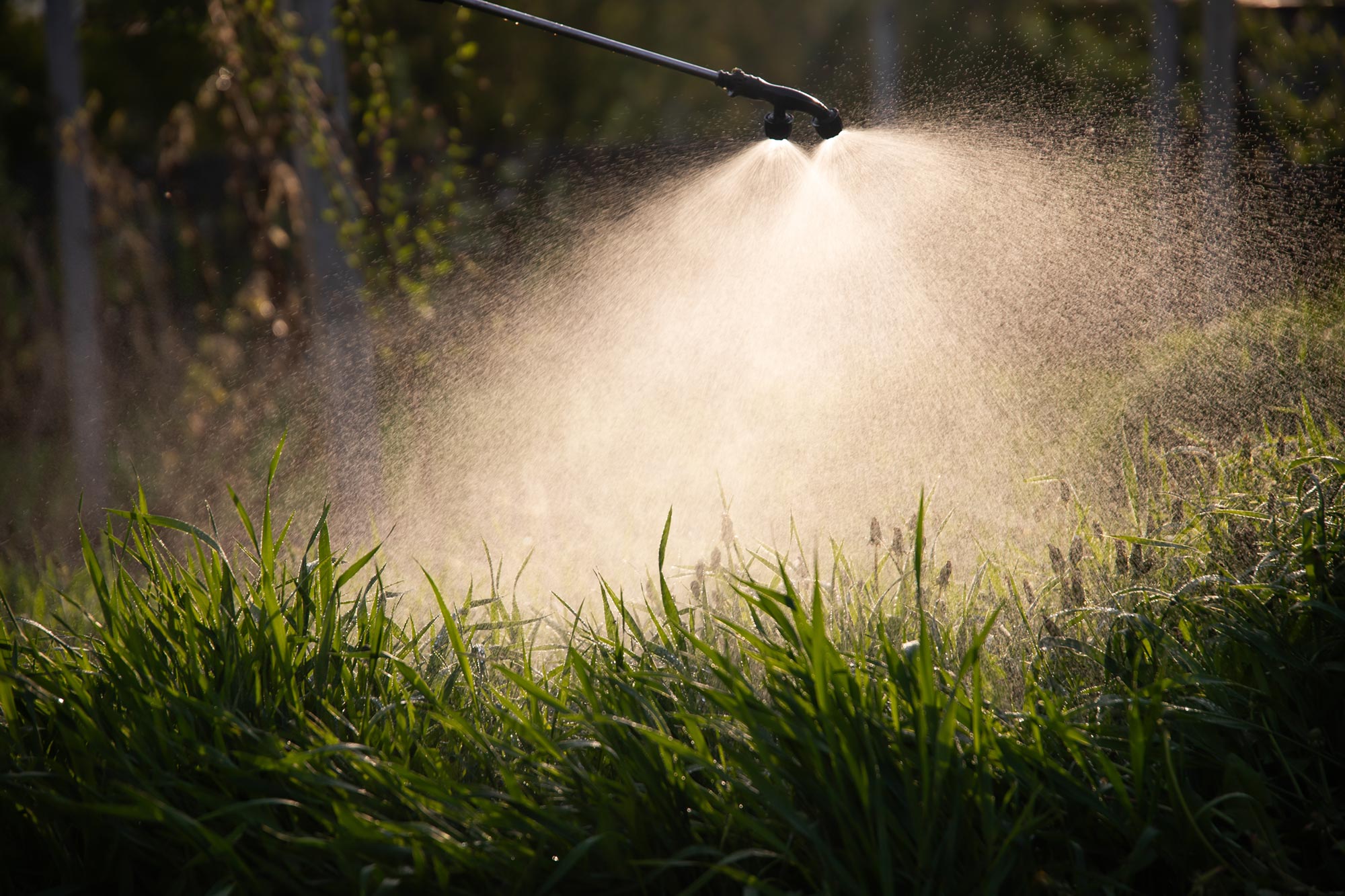
Pesticide exposure during childhood may quietly shift one of puberty’s most important milestones.
Researchers in Spain found that exposure to two common pesticide-related compounds was associated with changes in the timing of menstruation. One was linked to an earlier first period, while the other was connected to a later one. The findings suggest that chemicals capable of disturbing hormone activity may affect puberty in different and sometimes opposing ways.
The study, published in Environmental Research, involved 506 girls participating in the INMA (Childhood and Environment) collaborative birth cohort study. Researchers from the University of Granada and the ibs.granada Biomedical Research Institute followed participants from Asturias, Guipúzcoa, Sabadell, and Valencia.
Urine samples were collected between 2013 and 2016, when the girls were 7 to 10 years old. The researchers used those samples to look for compounds produced as the body processes several pesticides. They then followed the girls until ages 14–16 and recorded when each participant experienced her first menstrual period.
Two Chemicals, Opposing Effects
The clearest finding involved ethylenethiourea (ETU), a residue associated with dithiocarbamate-type fungicides. Girls with higher ETU concentrations tended to experience menarche (first menstruation) at a younger age.
ETU can interfere with thyroid function. Because thyroid hormones help coordinate growth, metabolism, and development, the researchers suspect that this disruption could affect the biological signals controlling the start of puberty.
A different pattern emerged for TCPy, a substance formed when the body breaks down the insecticide chlorpyrifos. Girls in whom TCPy was detected generally began menstruating later. This association was particularly noticeable among participants who were overweight or obese, suggesting that body composition may influence how chemical exposures affect development.
How Endocrine Disruptors Affect Development
Puberty depends on a carefully coordinated exchange of signals among the brain, ovaries, thyroid, and other parts of the endocrine system. Endocrine disruptors can interfere with this communication by imitating hormones, blocking them, or changing how they are produced and processed. Exposure may be especially important during childhood, when the reproductive system is still developing.
The timing of a first period is more than a developmental milestone. Earlier menstruation has been associated with emotional and psychological difficulties during adolescence, as well as a higher risk of hormone-dependent cancers, including breast cancer, later in life. Delayed puberty may also signal disruptions in development, although its causes and consequences can vary widely.
Chlorpyrifos and several dithiocarbamate fungicides, including mancozeb and maneb, are no longer approved in the European Union (EU) because of concerns involving neurological development, fertility, and environmental damage. Chlorpyrifos has also been targeted internationally as a persistent organic pollutant. However, exposure can continue through residues, environmental contamination, imported products, or other pesticides that remain in use.
Under the “Farm to Fork” strategy of the Green Deal, the EU has set nonbinding goals to reduce both the use and risk of chemical pesticides and the use of more hazardous pesticides by 50% by 2030. Studies such as this one may help identify which exposures deserve the closest attention as regulators work toward those targets.
Reference: “Age at menarche and exposure to non-persistent pesticides in Spanish girls from the INMA (environment and childhood) project” by Carmen Freire, Alicia Olivas-Martinez, Francesca Castiello, Alba Jimeno-Romero, Sara Lopez de Calle, Beatriz Suárez, Adonina Tardón, Marta M. Rodriguez-Suarez, Mònica Guxens, Martine Vrijheid, Andrea Beneito and Maria-Jose Lopez-Espinosa, 6 April 2026, Environmental Research.
DOI: 10.1016/j.envres.2026.124450
Never miss a breakthrough: Join the SciTechDaily newsletter.
Follow us on Google and Google News.
1 Comment
As a now 82 year old lay American male I’m not the least bit qualified to discuss the role of fungicides and pesticides in causing the global age at menarche to fall but, having found some interesting statistics in the “Introduction” of the reference article, it appears that officially (FDA in the US) approved food poisoning with phytoestrogen (similar to human female estrogen) rich soy is the more likely cause. Toxic soy has been increasingly foisted upon unsuspecting Americans since the late 1960s. The “obesity” and “overweight” factors in both articles suggest added MSG, FDA approved for expanded use in 1980 with the US obesity epidemic presenting by 1990 (CDC data).