
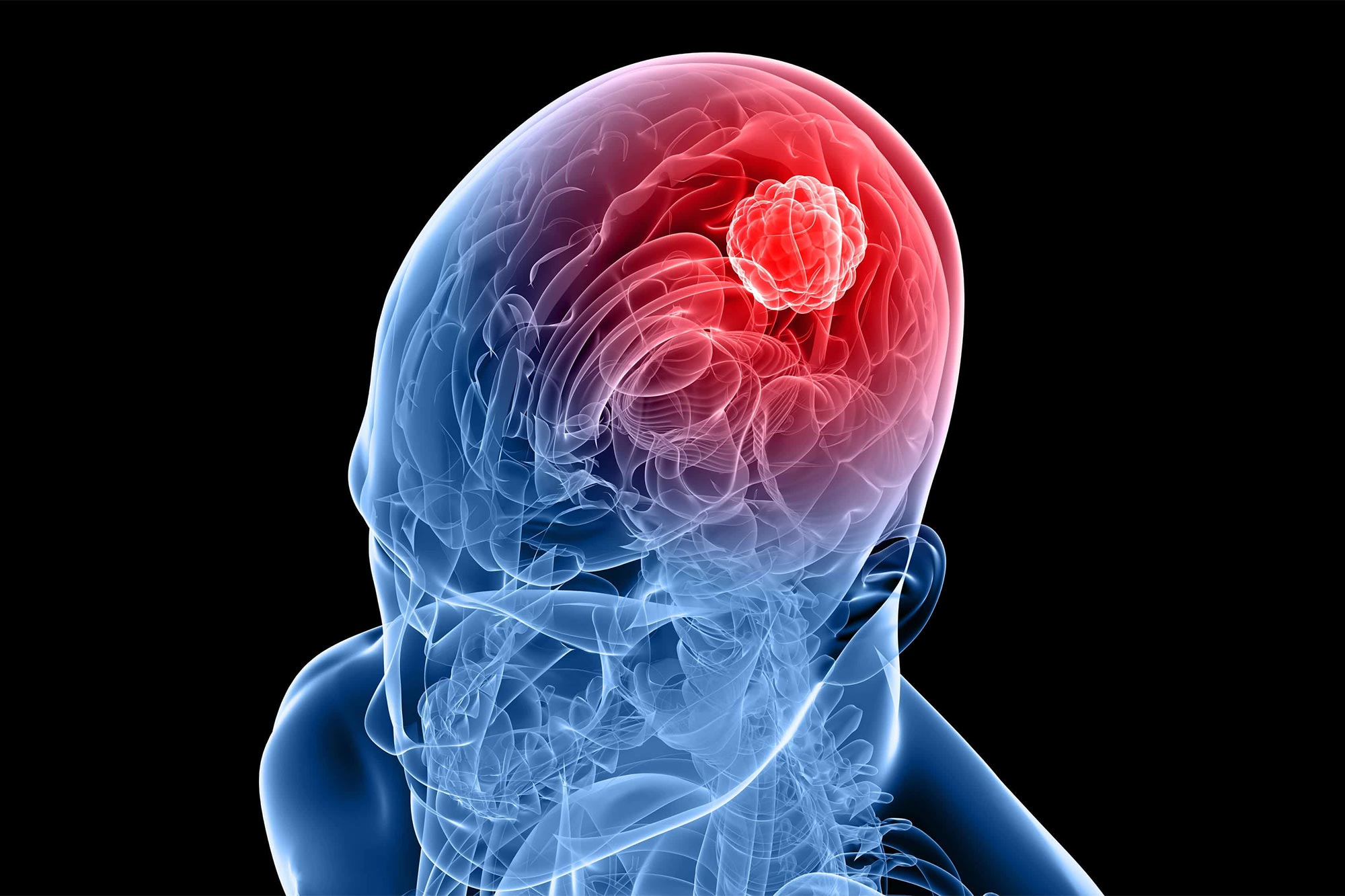
Targeting SET may make glioblastoma more responsive to radiation and chemotherapy.
Glioblastoma can survive attacks that destroy many other cancer cells, helping make it one of the deadliest cancers and leaving patients with few major treatment advances. Researchers at The Ohio State University Comprehensive Cancer Center – Arthur G. James Cancer Hospital and Richard J. Solove Research Institute have identified a protein called SET as a possible way to weaken that resistance and make existing treatments more effective.
Rather than replacing radiation or chemotherapy, the strategy is intended to make glioblastoma more vulnerable to them. In preclinical models, suppressing SET prevented tumors from developing, making it the most promising of the proteins examined.
Researchers also found that interfering with related proteins increased glioblastoma cells’ sensitivity to radiation. Together, the results point to a biological pathway that might eventually be targeted with drugs.
Blocking PP2A defenses weakened cancer cells
The researchers focused on PP2A, an enzyme that regulates signals involved in cancer cell growth, survival, and repair after treatment. Glioblastoma cells appear to suppress PP2A using three proteins called ANP32A, CIP2A, and SET. When the researchers blocked these proteins in laboratory and animal models, fewer cancer cells survived, and the remaining cells became more sensitive to radiation.
“Glioblastoma is hard to treat because it can adapt and survive,” said Arnab Chakravarti, MD, chair of radiation oncology at the OSUCCC – James. “Our findings suggest that restoring PP2A activity may make glioblastoma cells less able to survive treatment. That gives us a clear path to test whether this approach can make radiation and chemotherapy more effective for patients with GBM.”
Patient testing remains ahead
The research remains at a preliminary stage and has not been tested in patients. Investigators are now examining whether SET or the other proteins that suppress PP2A can be targeted safely and whether doing so improves responses to standard glioblastoma therapy.
The researchers also evaluated an FDA-approved antipsychotic medication known to increase PP2A activity. Its effects provide additional reason to investigate drugs that influence this pathway, but the medication is not ready to treat glioblastoma in people and should not be used for that purpose outside a clinical trial.
“This is an important first step,” said Chakravarti. “By understanding how SET and related PP2A blockers help GBM survive treatment, we can test ways to block that protection and make current therapies more effective.”
Reference: “Endogenous inhibitors of PP2A activate oncogenic and DNA damage response kinases in glioblastoma” by John Ryan Jacob, Shahid M. Nimjee, J. Bradley Elder, Arnab Chakravarti and Kamalakannan Palanichamy, 20 February 2026, Cancer Letters.
DOI: 10.1016/j.canlet.2026.218325
Never miss a breakthrough: Join the SciTechDaily newsletter.
Follow us on Google and Google News.
1 Comment
Discovery MSM siarka organiczna antycancer !!!!!!!! SULFUR ORGANIC!!!!!!!!!!!!