
UCSF researchers are beginning to uncover how Candida auris, a skin fungus, threatens the most vulnerable patients.
A fungus that can live unnoticed on human skin has become a serious threat in hospitals around the world. First identified in Japan in 2009, Candida auris can become deadly if it enters the bloodstream and kills about 3,000 patients each year in U.S. hospitals and long-term care facilities.
Researchers at UC San Francisco have now identified a mechanism that may help explain why the fungus is so difficult to eliminate from the skin.
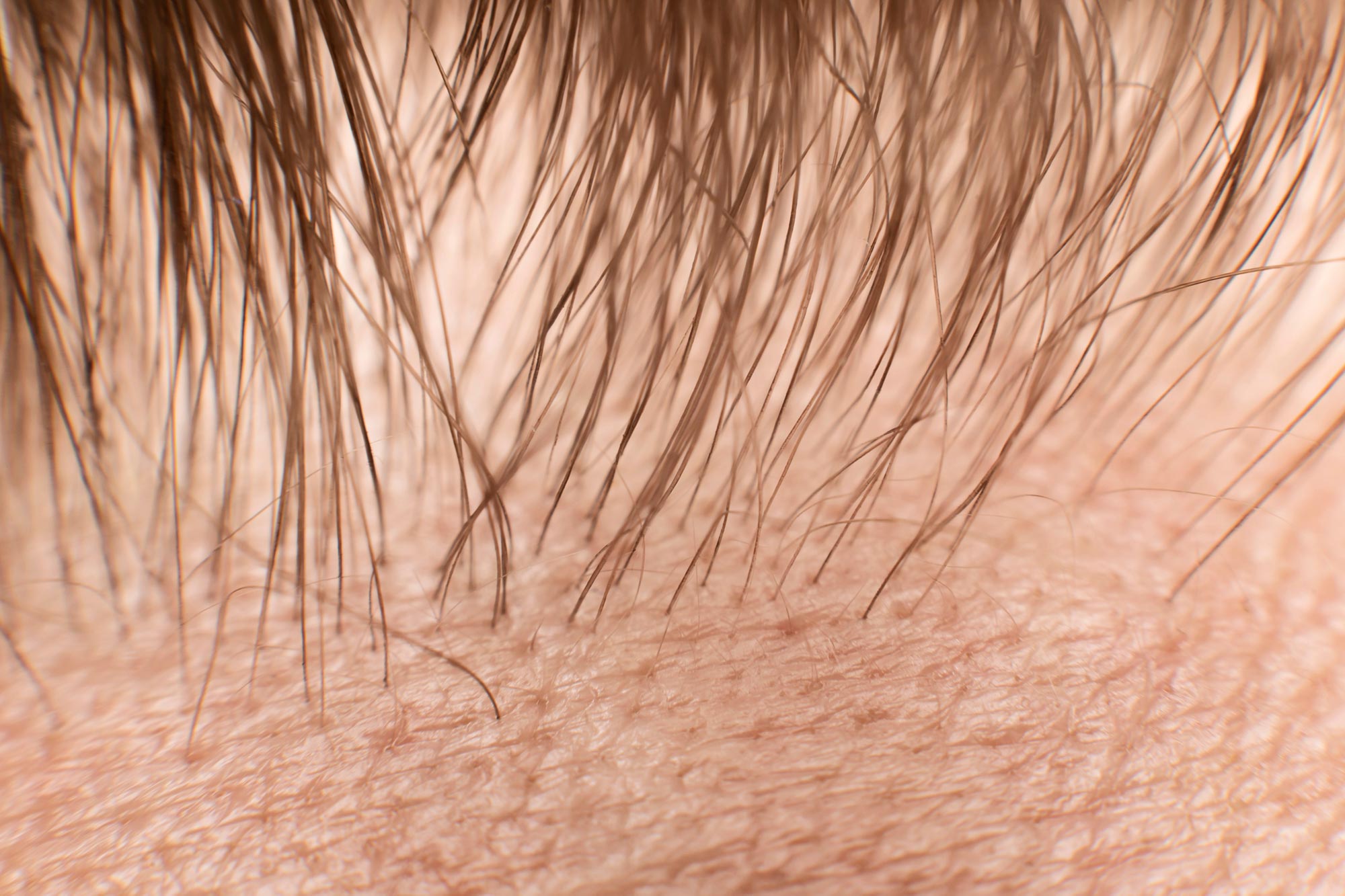
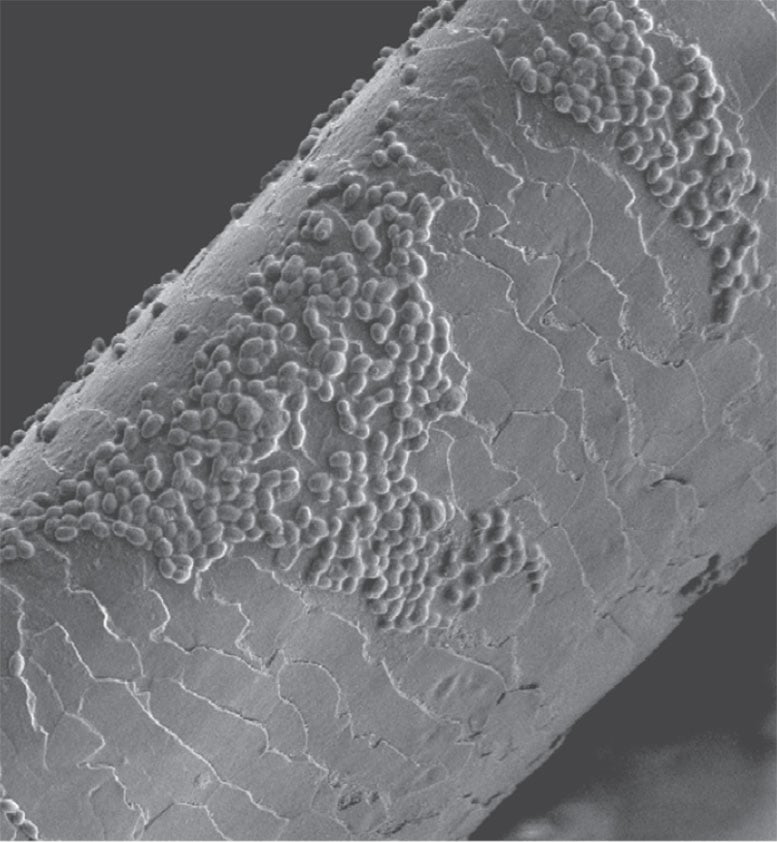
To investigate, the researchers compared C. auris with Candida albicans, a common skin fungus that is usually removed quickly by the immune system. In mice, C. albicans vanished within days. C. auris, however, remained on the animals by settling into their hair follicles.
“Candida auris colonizes skin way better than most other fungi, setting it up to invade once the immune system is weakened,” said Dean Merrill, MD, a UCSF dermatologist and professor who is first author of the study, published in Science on August 6. “The big clinical problem is that we have no effective way to remove it from the skin.”
The fungus redirects the immune response
The two fungi provoked strikingly different responses from the immune system. C. albicans activated an immune signal called IL-17, which encouraged renewal of the skin surface and strengthened antifungal defenses until the infection was cleared. C. auris instead stimulated interferon gamma, a signal more often associated with viral infections.
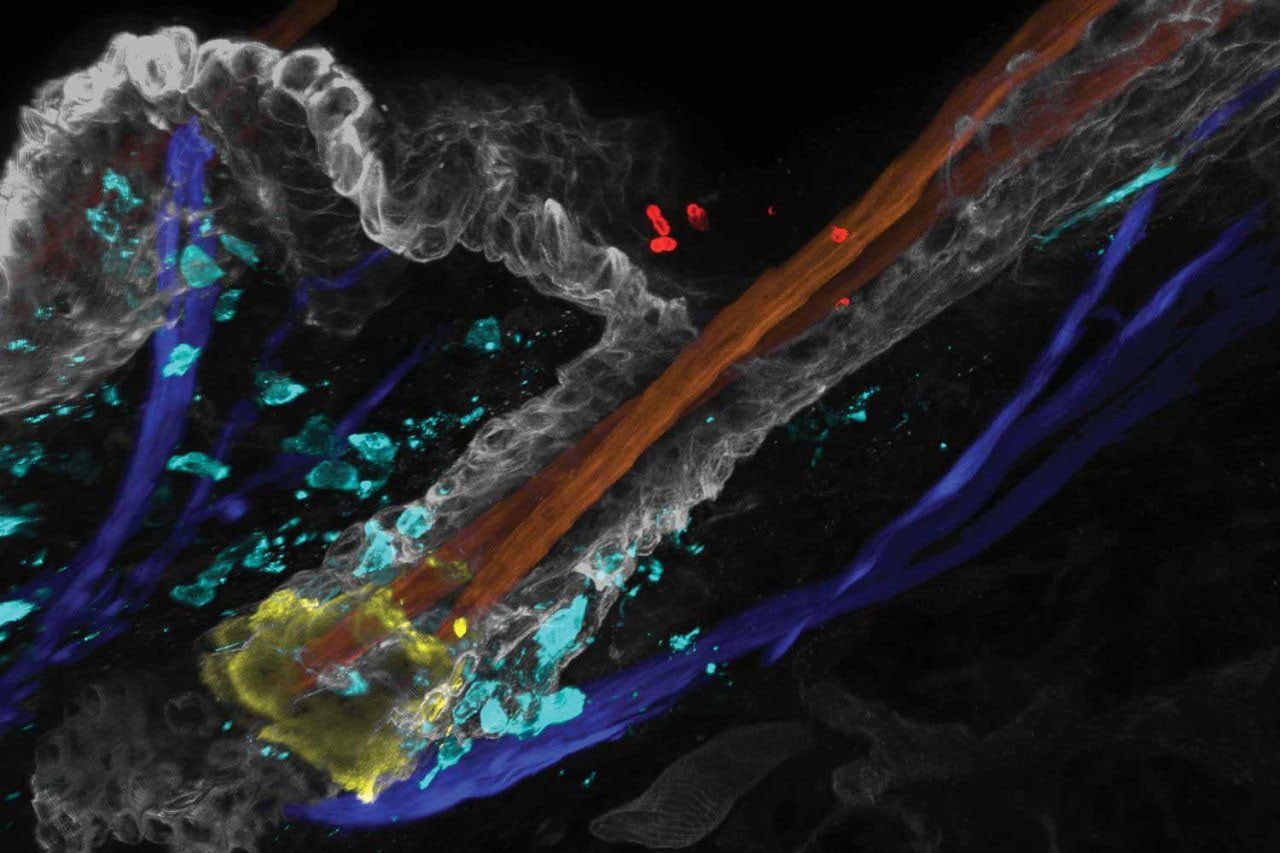
The researchers found that C. auris reshaped its outer cell wall so that more chitin was exposed. This molecule prompted immune cells around hair follicles to produce interferon gamma, which then suppressed antifungal defenses, including IL-17. Interferon gamma also slowed the normal replacement of cells in the hair follicle, allowing older, damaged cells to accumulate and creating conditions where C. auris could persist.
“Chitin is widespread in nature, so it’s not like the human skin never encounters it, but we were surprised to see that C. auris actively uses its chitin to turn the skin into a perfect nest,” said Suzanne Noble, MD, PhD, a UCSF professor of microbiology and co-senior author of the paper.
New targets could disrupt skin colonization
The mechanism points to possible ways of preventing C. auris from remaining on the skin.
According to Merrill, one strategy might be to shift immune activity away from interferon gamma and toward IL-17, restoring the skin’s normal antifungal response. Another possibility would be to block chitin so that the fungus cannot intensify interferon gamma signaling.
The findings also provide a broader example of how microbes can remain harmlessly present in the body before becoming dangerous under different circumstances.
“For most people, Candida auris hangs out on the skin and doesn’t cause any problems. It’s only when it reaches deeper tissues in medically vulnerable patients that it becomes dangerous,” said Ari Molofsky, MD, PhD, a UCSF immunologist, professor, and co-senior author of the paper. “Understanding how it survives on the skin may help explain how it eventually causes serious infections.”
Reference: “The fungal pathogen Candida auris exposes chitin to trigger IFNγ and persist in hair follicles” by Eric Dean Merrill, Victoria Prudent, Pauline Basso, Emilie Rapp, Parna Moghadam, Abram Rodriguez, Ethan Hung, Charlotte Hurabielle, Jeffrey Cheng, Raymond Jaihyun Cho, Brook Abegaze, Amanda Buck, Kennedi Pyper, Alessandra Veinbachs, Elina K. C. Wells, Tiffany C. Scharschmidt, Michael D. Rosenblum, Ari B. Molofsky and Suzanne M. Noble, 6 August 2026, Science.
DOI: 10.1126/science.adu6688
Funding: National Institutes of Health (T32AR007175-44, T32AR079068, R01NS126765, R01AI180438, R01AR084863, R21AI171789, 1S10OD028511-01); Dermatology Foundation; UCSF Department of Laboratory Medicine; Grunfeld Scholar Award San Francisco VAMC; UCSF PBBR; RRP IMIA; Veterans Health Administration Office of Research and Development (I01CX002608).
Never miss a breakthrough: Join the SciTechDaily newsletter.
Follow us on Google and Google News.
2 Comments
I have all 32 tooth.i so have every good hearing.My vision 20/20. Now for Hair I’ll need little help.71 Brain still working pro are con. It’s Just my hair needs a lot of work.i Don’t have any body Hair at all.
Sounds like you’re a good looking fella for your age. I’m 43 but I’ve always rathered older men. My daughters father is about your age. Where are you located? I’m in new Orleans Louisiana. My name is kellie btw. Anyways if you ever feel like chatting text me at 504 five 13 9six13