
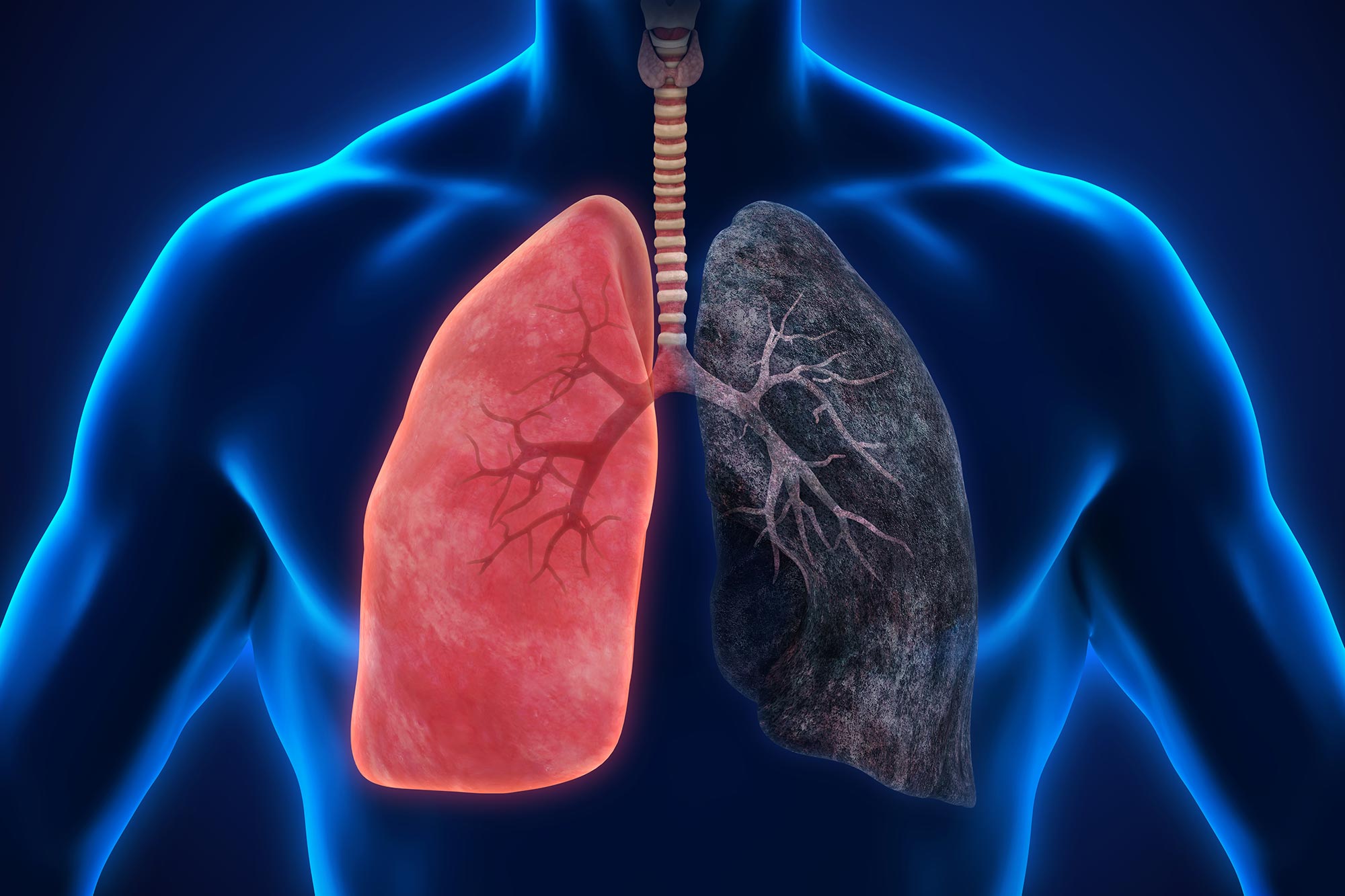
Aging lungs may be sabotaging themselves—fueling runaway inflammation that turns mild infections into life-threatening illness.
Older adults face a much higher risk of severe illness from flu or COVID, and new research from UC San Francisco points to a key reason. Aging lung cells appear to trigger overly strong immune reactions, which can turn even mild infections into serious health threats.
These findings shed light on the chronic inflammation linked to aging and help explain why something as simple as a cough can escalate into a hospital visit for older individuals.
Aging Lung Cells and Excessive Immune Response
To investigate what changes in older lungs, researchers altered fibroblasts, the structural cells that help support lung tissue, in young mice. They activated a distress signal typically associated with aging. This caused the lungs to develop clusters of inflamed cells, including some carrying the GZMK gene, which has previously been linked to severe COVID-19. Scientists believe future treatments could focus on these cells to interrupt the harmful cycle known as inflammaging.
“We were surprised to see lung fibroblasts working hand-in-hand with immune cells to drive inflammaging,” said Tien Peng, MD, a professor of Medicine and a member of the Cardiovascular Research Institute and Bakar Aging Research Institute at UCSF. “It suggests new ways to intervene before patients progress to severe inflammation that can require intubation.”
Peng is the senior author of the study, which was published in Immunity today (March 27). Nancy Allen MD, PhD, a clinical fellow in the Pulmonary and Critical Care Division in the UCSF Department of Medicine, is the first author.
Fibroblasts and the NF-kB Inflammation Pathway
Fibroblasts play an essential role in maintaining the structure of the lungs, keeping airways intact and functional. However, they are also known to contribute to inflammation in conditions such as COPD. The researchers set out to determine whether signals from these cells could disrupt otherwise healthy lung tissue.
They focused on a signaling pathway called NF-kB, which is commonly associated with age-related diseases. When activated, fibroblasts stimulated macrophages in the lungs to initiate an immune response. This, in turn, drew additional immune cells from the bloodstream, including those marked by GZMK.
Although GZMK-positive cells did not effectively fight infection, they still caused damage to lung tissue.
Immune Cell Clusters and Severe Lung Damage
After these inflammatory clusters formed, the young mice began to show severe symptoms when infected, resembling the response seen in older individuals. When researchers used a genetic approach to remove the GZMK cells, the mice were better able to tolerate the infection.
This points to a key conclusion: aging lung tissue itself may be a driving force behind harmful inflammation.
The team also analyzed lung samples from older patients hospitalized with COVID-related ARDS (acute respiratory distress syndrome). These samples contained similar clusters of inflamed cells to those observed in the mice. Patients with more severe illness had larger numbers of these clusters, while healthy donor lungs showed none.
“We saw during COVID that our most vulnerable patients no longer had the infection but still had persistent and devastating lung inflammation,” Peng said. “This circuit of dysfunction between lung and immune cells makes for a promising new therapeutic target.”
Reference: “NF-κB-activated fibroblasts orchestrate inflammaging and emergence of pro-inflammatory granzyme K+ T cells” by Nancy C. Allen, Christian Ringler, Sang Ho Woo, Sophie Phipps, Jin Young Lee, Nabora Reyes, Ritusree Biswas, Lucile Neyton, Andrew Willmore, Sofia Caryotakis, Jessica Roginsky, Lu Guo, Melia Magnen, Pedro Ruivo, Chaz Langelier, Mark Looney, Averil Ma, Vincent Auyeung, Carolyn Calfee, Ari B. Molofsky and Tien Peng, 27 March 2026, Immunity.
DOI: 10.1016/j.immuni.2026.02.016
Other UCSF authors are Christian Ringler; Sang Ho Woo, PhD; Sophie Phipps; Jin Young Lee, PhD; Nabora Reyes, PhD; Ritusree Biswas, PhD; Lucile Neyton, PhD; Andrew Willmore; Sofia Caryotakis; Jessica Roginsky, PhD; Lu Guo; Melia Magnen, PhD; Chaz Langelier, MD, PhD; COMET Consortium; Mark Looney, MD; Averil Ma, MD; Vincent Auyeung, MD, PhD; Carolyn Calfee, MD; and Ari B. Molofsky, MD, PhD; as well as Pedro Ruivo of UC Davis.
This work was supported by the National Institutes of Health (P30DK063720, R01HL160895, F32HL156452, K08HL169723) and the Bakar Aging Research Institute.
Never miss a breakthrough: Join the SciTechDaily newsletter.
Follow us on Google and Google News.