
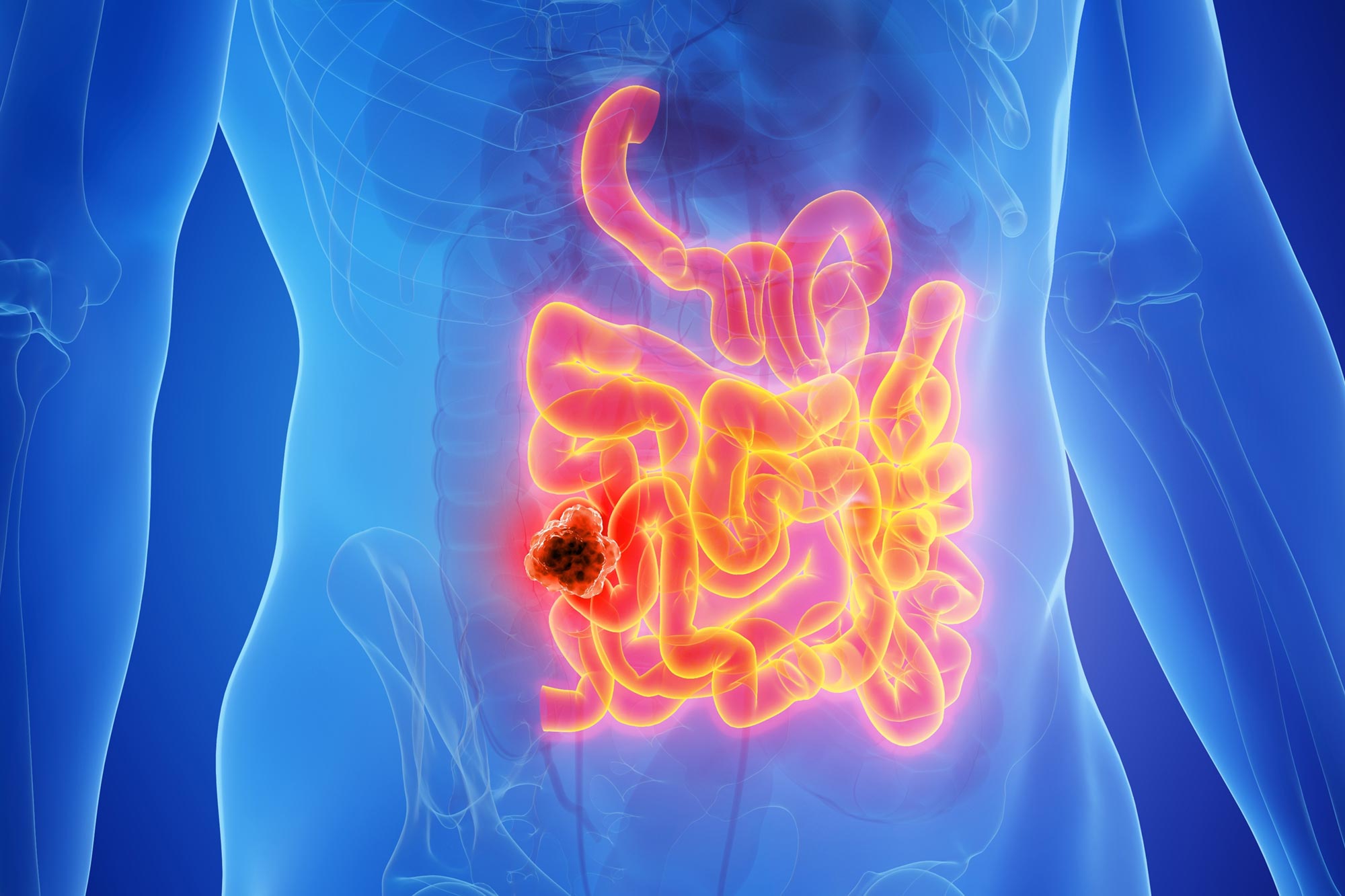
A new approach to treating certain bowel cancers is showing long-lasting effects.
Patients with a particular form of bowel cancer have remained cancer-free for nearly three years after receiving a short course of immunotherapy before surgery, rather than chemotherapy afterward. These findings come from the NEOPRISM-CRC clinical trial led by researchers at UCL and UCLH.
The results, presented at the American Association for Cancer Research (AACR) Annual Meeting 2026 in April, expand on earlier data showing that nine weeks of preoperative treatment with pembrolizumab significantly reduced tumor size in patients with stage two or three bowel cancer.
Early outcomes showed that 59% of patients had no detectable cancer following pembrolizumab treatment and their scheduled surgery.
Durable Responses and Reduced Recurrence
After 33 months of follow-up, none of the patients in the study have experienced a recurrence. This includes individuals with no remaining cancer after treatment as well as those with small residual traces that have not progressed or spread.
Under standard care, about 25% of patients treated with surgery followed by chemotherapy are expected to relapse within three years. These results suggest that giving immunotherapy before surgery may offer longer-lasting cancer control for this subgroup of patients.
Researchers also examined blood samples to better understand why the therapy is effective and to identify which patients are most likely to benefit. They developed personalized blood tests that can detect early signs of treatment success and determine whether any cancer remains in circulation.
Dr. Kai-Keen Shiu, Chief Investigator of the trial from the UCL Cancer Institute and a Consultant Medical Oncologist at UCLH, said: “Seeing that no patients have experienced a cancer recurrence after almost three years of follow-up is extremely encouraging and strengthens our confidence that pembrolizumab is a safe and highly effective treatment to improve outcomes in patients with high-risk bowel cancers.
“What is particularly exciting is that we now may be able to predict who will respond to the treatment using personalized blood tests and immune profiling. These tools could help us tailor our approach, identifying patients who are doing well and may need less therapy before and after surgery versus patients at higher risk of disease progression or relapse who need additional treatment.”
Understanding Bowel Cancer and Risk Profiles
Bowel cancer is the fourth most common cancer in the UK, with about 44,000 new cases each year. While it mainly affects older adults, diagnoses in people under 50 have been rising in recent decades.
Outcomes depend heavily on how early the disease is found. Around 90% of patients with stage one bowel cancer survive at least five years. However, some subtypes respond less effectively to treatment and are more likely to return. Survival rates drop to 65% for stage three and 10% for stage four disease.
The NEOPRISM-CRC trial enrolled 32 patients with stage two or three bowel cancer that had a specific genetic profile (MMR deficient/MSI-high bowel cancer) from five hospitals across the UK. This subtype accounts for about 10-15% of such cases, or roughly 2,000-3,000 diagnoses each year in the UK.
Participants received up to nine weeks of pembrolizumab before surgery, instead of the standard approach of surgery followed by three to six months of chemotherapy. They were then monitored over time.
The latest phase of the trial, presented at AACR in San Diego, California, was led by UCL and UCLH. Collaborating centers included University Hospital Southampton, St. James’s University Hospital in Leeds, and The Christie NHS Foundation Trust in Manchester. UCL and the biotechnology company Personalis carried out the translational research.
Biological Insights Into Treatment Effectiveness
Professor Marnix Jansen, a clinician scientist and consultant histopathologist leading the trial’s translational research at UCL Cancer Institute and UCLH, said: “These results not only confirm the durability of responses we saw almost three years ago, but also provide crucial biological insights into why immunotherapy is so effective in this setting.”
Yanrong Jiang, first author of the latest abstract and a clinical PhD student at the UCL Cancer Institute, said: “As a research team, we were thrilled to be able to follow patients very closely using the personalised blood tests. When tumor DNA disappeared from the blood, patients were much more likely to have no cancer remaining, and this matched the long-term results we’re now seeing.
“In addition, we also saw that immune profiling from tumour tissue, before patients start their first cycle of treatment, can help to predict response. We hope these tests may be used to guide treatment decisions in a more practical and timely way.”
Patient Experience and Real-World Impact
UCLH patient Christopher Burston was diagnosed with bowel cancer in February 2023 after taking part in routine screening. He had been completing the bowel screening kits sent by post for several years when one returned a positive result.
Christopher, 73, of Portland, Dorset, said: “One came back with indications of blood in my stool. I went through further tests, and it was at the colonoscopy that they identified a cancer in my bowel.”
A couple of weeks after diagnosis, his oncologist suggested he might be suitable for the NEOPRISM clinical trial testing immunotherapy before surgery. Despite the need to travel to London for treatment, he decided to take part and was referred to UCLH for his care.
He received three doses of immunotherapy over nine weeks, followed by surgery in May 2023. He experienced minimal side effects and recovered well after spending a week in the hospital.
He said: “The outcome of the surgery was essentially that the cancer had melted away, these were the doctor’s words. The immunotherapy had an almost immediate effect. I saw the images when I had the first colonoscopy, and could see it was really quite a substantial lump. So as I say, it wasn’t a minor thing, I was diagnosed with stage 3 cancer.”
Over three years later, he remains cancer-free and has since returned to normal activities, attending regular follow-up appointments.
Christopher said, “The recovery went fine. I didn’t have any problems. And since then, I’ve been feeling pretty much back to normal. I feel very lucky that I’ve reached the stage where my main problem is age rather than cancer or any illness.”
Meeting: American Association for Cancer Research (AACR) Annual Meeting 2026
Never miss a breakthrough: Join the SciTechDaily newsletter.
Follow us on Google and Google News.
10 Comments
Have you done any research on FAP?
I have been diagnosed with PANCREATIC Cancer. Are there any studies I can join for this Cancer? I moved to Oregon to be in their Hospice program because I saw no hope.
Regards
Carolyn Quinn
[email protected]
Does this work ok 3rd stage colon cancer
The depiction shows cancer in the small bowel. Is this experimental approach limited to cancer in the small bowel, and is not used for cancer in the large intestine, sigmoid colon, rectum, and/or anus?
Hello in 2012 I was diagnosed with stage 3 coilrectal cancer doctors did chemo radiation combo before surgery then they did aggressive surgery rectum remmoved lower colon as well permiinent ostonmy left hand side we are 2026 inm still cancer free today diagnosed at 42 will be 56 in nmay
I had stage 4 lung cancer terminaland was told i had 50/50% chance that this drug would work for me. After 2yrs of treatment im in remisission all gone. i had no Chemo at all because of my heart condion.
This is really cool. Is there a way to heal lung cancer stage 4 because my friend!s brother has it 😭😢😩😫😖😣😔😟😕🙁☹️
I hope this can heal all cancer
After this ..this treatment will dissappear! Why? Their is no money to be made .. sick people make money 💰 🤑 💸 🤧 😪 😕 💰 🤑 💸 🤧 😪 😕 💰 its crazy cycle
I have bowl cancer, how can I get treatment ?