
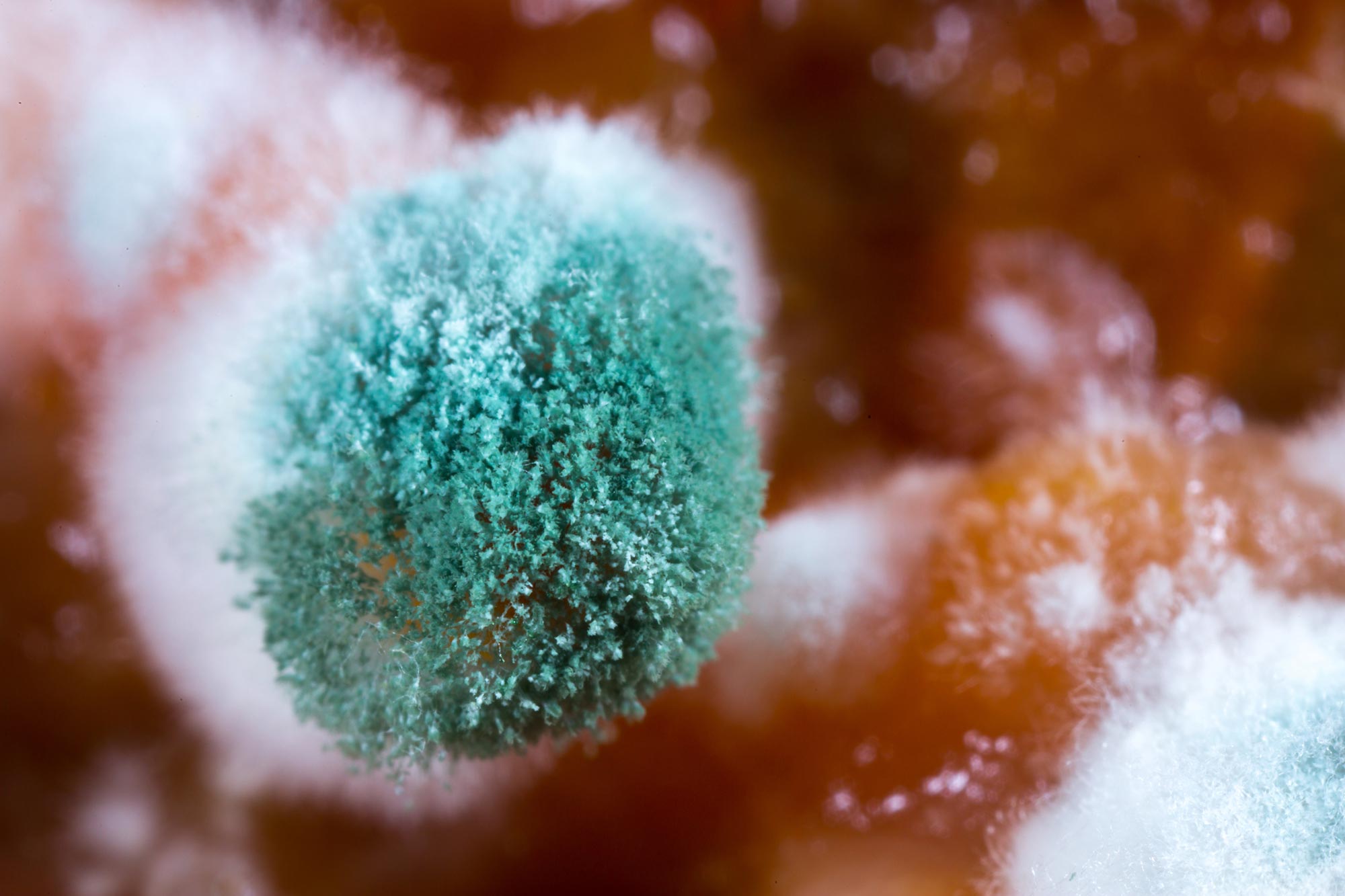
Albumin has been identified as a powerful natural defense against mucormycosis, with low levels signaling heightened risk and a potential opportunity for new preventive therapies.
An international research team has reported in Nature that albumin, the most plentiful protein in human blood, plays a much stronger role in protecting the body against mucormycosis than previously recognized.
The study was led by George Chamilos, MD, and his laboratory at the University of Crete and the Institute of Molecular Biology and Biotechnology, with key contributions from a Lundquist Institute for Biomedical Innovation group led by Professor Ashraf Ibrahim, PhD.
A lethal infection with few defenses
Mucormycosis, often referred to as “black fungus,” is an aggressive infection caused by Mucorales fungi. It can be fatal in up to half of all cases, and in some situations, the diagnosis is associated with an almost certain risk of death. The disease gained global attention during the COVID-19 pandemic, when cases rose sharply in India, particularly among people with diabetes, compromised immune systems, or malnutrition.
The researchers found that patients diagnosed with mucormycosis consistently had much lower levels of albumin than patients with other fungal infections. These reduced albumin levels, known as hypoalbuminemia, emerged as the strongest indicator of poor outcomes, including death, across patient groups studied in multiple regions of the world.
“This is a remarkable finding and has the potential to change the way clinicians care for mucormycosis,” said Dr. Ibrahim, a senior author on the study. Essentially, the study identified hypoalbuminemia as a biomarker for identifying who would be at risk of developing this deadly disease. Therefore, patients can receive albumin loaded with free fatty acids to prevent the infection from taking place, which is the best way of dealing with mucormycosis given its aggressive nature.
How albumin disarms the fungus
“The study also tells us how albumin works on nullifying critical virulence factors, including toxins and other fungal proteins involved in causing tissue damage and in aggressively invading human organs,” explained Dr. Ibrahim. The study raises the potential in pairing albumin therapy with immunotherapies that target Mucorales virulence factors, for which the Lundquist Institute investigators are currently developing.
Researchers showed that albumin selectively inhibits Mucorales fungi, while leaving other microbes unaffected. Removing albumin from healthy human blood samples allowed the fungus to grow unrestricted, while mice lacking albumin were highly susceptible to infection. In contrast, restoring albumin levels protected against the disease.
Further experiments revealed that albumin exerts its antifungal effects through fatty acids bound to the protein, which disrupt fungal metabolism and protein production required for tissue invasion and disease progression. Blood samples from mucormycosis patients showed increased oxidation of these fatty acids, helping explain their vulnerability to infection.
A new path for prevention and treatment
The findings uncover a previously unknown host-defense mechanism and suggest that albumin-based therapies could offer a new strategy to prevent or treat mucormycosis, a disease with limited effective treatment options.
Reference: “Albumin orchestrates a natural host defence mechanism against mucormycosis” by Antonis Pikoulas, Ioannis Morianos, Vassilis Nidris, Rania Hamdy, Evangelia Intze, Ángeles López-López, Maria Moran-Garrido, Valliappan Muthu, Maria Halabalaki, Varvara Papaioanou, Maria Papadovasilaki, Irene Kyrmizi, Yiyou Gu, Sandra M. Camunas-Alberca, Robina Aerts, Toine Mercier, Yuri Vanbiervliet, Sung-Yeon Cho, Amy Spallone, Ying Jiang, Dimitrios Samonakis, Efstathios Kastritis, Carlos Lax, Maria Tzardi, Aristides Eliopoulos, Konstantina Georgila, Agostinho Carvalho, Oliver Kurzai, Shivaprakash Mandya Rudramurthy, Caroline Elie, Fanny Lanternier, Kyriakos Petratos, Victoriano Garre, Elias Drakos, Johan Maertens, Vincent M. Bruno, Dimitrios P. Kontoyiannis, Coral Barbas, Sameh S. M. Soliman, Ashraf S. Ibrahim and Georgios Chamilos, 7 January 2026, Nature.
DOI: 10.1038/s41586-025-09882-3
Never miss a breakthrough: Join the SciTechDaily newsletter.
Follow us on Google and Google News.
3 Comments
very good
Toenail fungus????
No. Not toenail fungus