
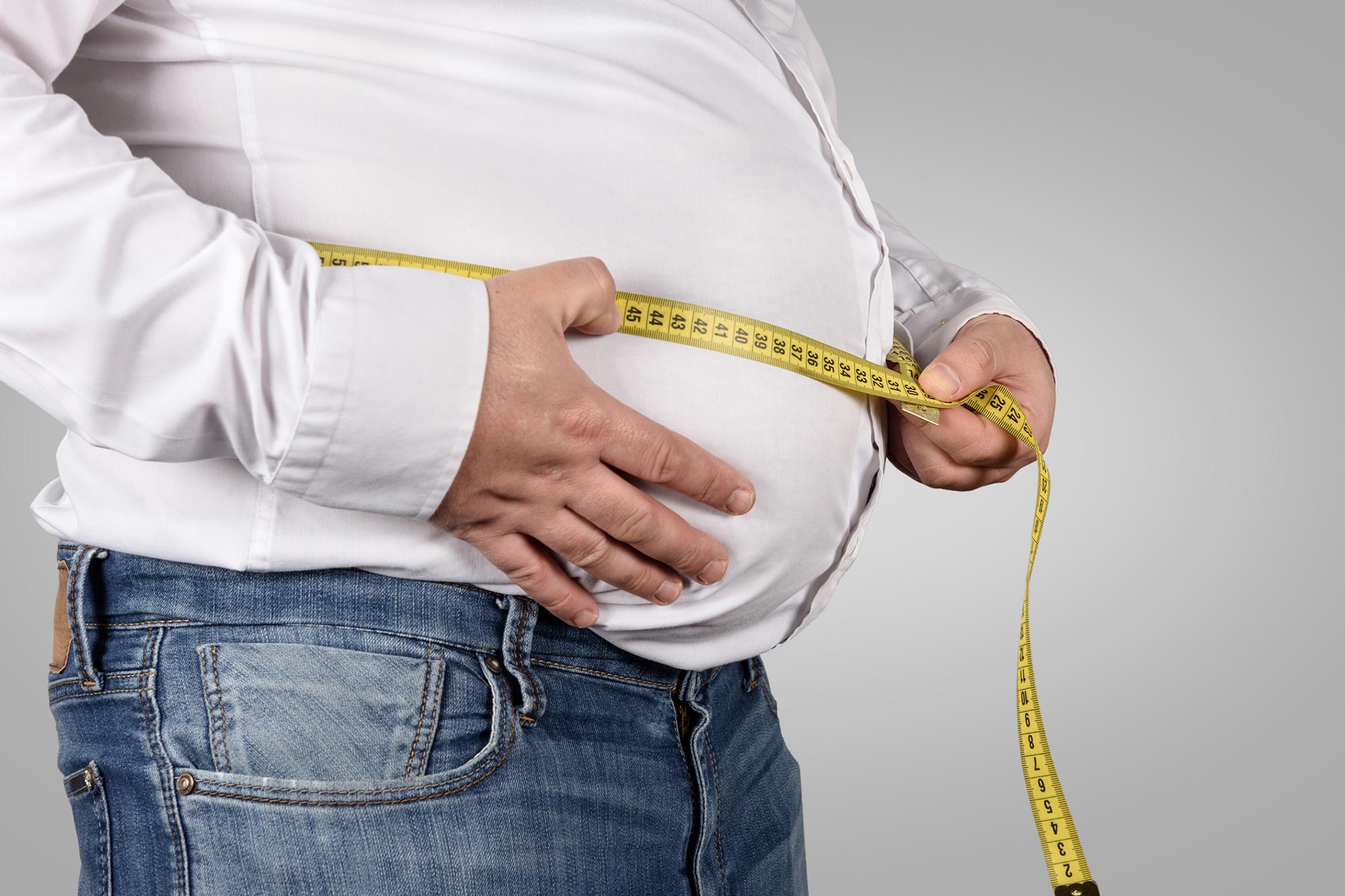
A low-fat vegan diet helped people consume fewer calories and lose more weight without intentionally eating less.
People trying to lose weight are often told to eat less. But in a randomized clinical trial, adults following a low-fat vegan diet lost weight while continuing to eat roughly the same amount of food by weight. The key difference was that their meals contained about 30% fewer calories per gram, according to research published in JAMA Network Open.
Participants assigned to the ad libitum low-fat vegan diet were free to eat until satisfied rather than follow a calorie limit. Even so, the amount of energy packed into each gram of their food fell substantially, a change that was associated with lower calorie intake and greater weight loss.
“This helps answer a question people often have about plant-based eating: How can you lose weight without counting calories or going hungry?” said Hana Kahleova, MD, PhD, director of clinical research at the Physicians Committee for Responsible Medicine and lead author. “The answer is energy density. Plant foods are rich in water and fiber, so you can fill your plate, feel full, and still take in fewer calories.”
Participants ate the same food weight
The analysis came from a 16-week randomized trial involving adults with overweight. One group followed an unrestricted low-fat vegan diet centered on fruits, vegetables, grains, and legumes, while the control group continued eating as usual. Neither group received a calorie target. Researchers calculated dietary energy density by dividing each participant’s daily calorie intake by the total weight of food consumed each day.
- The overall weight of food eaten did not change significantly in either group, meaning participants following the vegan diet consumed about the same amount of food by weight.
- Daily calorie intake decreased in both groups, but the vegan group showed the larger reduction, at roughly 357 kcal per day.
- Energy density remained essentially unchanged in the control group but fell by about 30% among those eating the vegan diet.
- Larger decreases in energy density were associated with greater weight loss, even after researchers accounted for changes in calorie intake.
Food choices drove the lower density
The difference came from changes in what participants ate. The vegan diet removed calorie-dense animal products including meat, dairy, and eggs, while substantially increasing consumption of high-volume foods with relatively few calories per gram, particularly vegetables and legumes. That combination allowed participants to eat generous portions while taking in less energy.
“This isn’t about willpower or smaller portions,” Dr. Kahleova said. “It’s about choosing foods that naturally deliver fewer calories in every bite. A 30% reduction in energy density is a substantial shift that would be very hard to achieve and sustain through portion control alone.”
Lower density may support fullness
Energy density—the number of calories contained in each gram of food—has long been investigated as an influence on how much people consume. Controlled feeding research has found that meals with lower energy density can promote fullness and reduce subsequent food intake without decreasing the total volume of food served.
“When the foods you eat are lower in energy density, your body’s natural appetite signals work in your favor,” Dr. Kahleova said. “You eat until you’re satisfied, and you simply end up with fewer calories. That’s a sustainable way to manage weight.”
Diet composition offers another strategy
Instead of focusing only on smaller portions or explicit calorie cutting, the findings point to the composition of the diet as another way to reduce energy intake. Foods that are high in water and fiber but relatively low in calories may allow people to eat satisfying amounts while consuming less energy overall.
“From a clinical standpoint, targeting energy density offers a realistic strategy for weight loss,” Dr. Kahleova said. “Instead of telling people to eat less, we can help them eat differently—and the results follow.”
The findings suggest that a low-fat vegan diet can substantially reduce dietary energy density, allowing people to consume fewer calories and lose weight without being instructed to restrict calories.
“You don’t have to eat less,” Dr. Kahleova said. “You can eat more food, feel full, and still lose weight—by choosing foods that are naturally lower in energy density.”
Reference: “Vegan Diets and Dietary Energy Density: A Secondary Analysis of a Randomized Clinical Trial” by Hana Kahleova, Tatiana Znayenko-Miller, Cristina Maracine, Richard Holubkov and Neal D. Barnard, 06 August 2026, JAMA Network Open.
DOI: 10.1001/jamanetworkopen.2026.27483
Never miss a breakthrough: Join the SciTechDaily newsletter.
Follow us on Google and Google News.
1 Comment
Mysteriously, seriously ill in early 1981, in late 1981 I began to almost completely avoid cow’s milk and partially avoid other good quality dairy and meats for newly diagnosed (e.g., “cytotoxic blood testing;” medically abandoned soon after) food allergy (e.g., “The Pulse Test,” Dr. Arthur F. Coca, 1956) reasons. By early 2009 I was mysteriously, seriously ill again and a new medical check-up and new-to-me RAST IgE antibody allergy testing failed to indicate anything wrong. In late 2010, through almost a year of at-home diet, pH (saliva and/or urine; slightly alkaline being one published “healthy normal”) and nutritional supplementation experimentation, I finally discovered I was seriously deficient of calcium and that standard blood serum testing for calcium is unreliable (e.g., blood pH regulation). Then, it took until the summer of 2000 for me to learn of the true toxicity of added MSG (FDA approved for expanded use in 1980) from another adult male victim of the early 1980s and, later, how it could aggravate my practically harmless individual brief (about 6 to 12 hours) sub-acute (nearly subclinical) non-IgE-mediated food allergy reactions to turn them chronic and deadly dangerous (e.g., chronic low-grade inflammation), long-term. A 16 week study? An ignorant and incompetent waste of professional time and limited resources.