

A study conducted by the Salk Institute and the University of California School of Medicine found that time-restricted eating enhanced cardiometabolic health in adults suffering from metabolic syndrome.
Over one-third of U.S. adults suffer from metabolic syndrome, which encompasses a group of factors that greatly increase the risk of heart disease, stroke, and type 2 diabetes. This syndrome is characterized by conditions such as high blood pressure, high blood sugar, excess fat around the waist, and abnormal cholesterol levels.
In a new clinical trial, researchers at the Salk Institute and the University of California San Diego School of Medicine found that time-restricted eating—also known as intermittent fasting—could offer significant health benefits to adults with metabolic syndrome. Patients who ate within a consistent eight-to-ten-hour window each day for three months saw improvements in several markers of blood sugar regulation and metabolic function compared to those who received standard treatments.
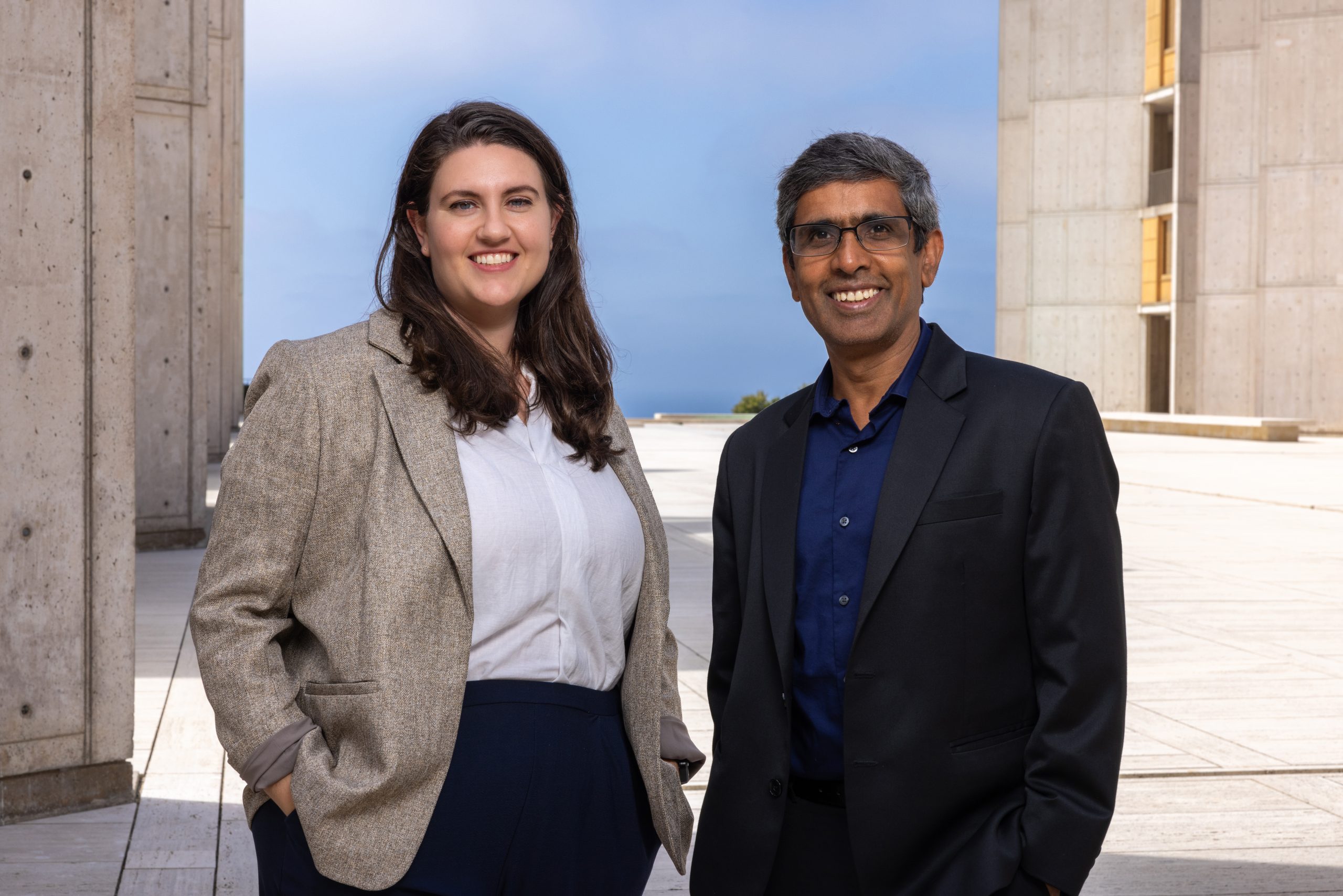
“Our bodies actually process sugars and fats very differently depending on the time of day,” says Salk Professor Satchidananda Panda, co-corresponding author of the study and holder of the Rita and Richard Atkinson Chair. “In time-restricted eating, we are re-engaging the body’s natural wisdom and harnessing its daily rhythms to restore metabolism and improve health.”
The TIMET Study
The TIMET study is the first to evaluate the benefits of a customized time-restricted eating schedule in patients taking medication for metabolic syndrome. The results were published on September 30, 2024, in Annals of Internal Medicine.
“For many patients, metabolic syndrome is the tipping point that leads to serious and chronic diseases like diabetes and heart disease,” says co-corresponding author Pam Taub, professor of medicine at the UC San Diego School of Medicine and a cardiologist at UC San Diego Health. “There is an urgent need for more effective lifestyle interventions that are accessible, affordable, and sustainable for the average American.”
Salk Professor Satchin Panda and UC San Diego Health physician Pam Taub describe the findings of the TIMET clinical trial. Credit: Salk Institute
Western diets high in sugar, salt, and fat, combined with increasingly sedentary lifestyles, are thought to have contributed to the rising rates of metabolic dysfunction. While the initial recommendation may be to “eat less and move more,” these lifestyle changes are difficult for most people to sustain long-term. The researchers say time-restricted eating offers a more practical approach accessible to a wider range of patients, including those already on medication.
“Unlike expensive pharmaceuticals like Ozempic, which require lifetime use, time-restricted eating is a simple lifestyle change that doesn’t cause side effects and can be maintained indefinitely,” says first author Emily Manoogian, a staff scientist in Panda’s lab at Salk. “Patients appreciate that they don’t have to change what they eat, just when they eat.”
Study Methodology and Findings
In the new study, time-restricted eating protocols were customized to each participant’s eating habits, sleep/wake schedules, and personal commitments. The resulting regimen had them reduce their eating window to a consistent eight to ten hours per day, beginning at least one hour after waking up and ending at least three hours before going to sleep. Manoogian says this personalized approach made the intervention easier for patients to complete, compared to other intermittent fasting studies, which typically assign the same strict time window to all participants.
The TIMET study also accepted participants who were on medication for metabolic syndrome—a group usually excluded from such trials. This makes it the first study to measure the benefits of time-restricted eating in addition to existing standard-of-care pharmacological treatments.
In the study, 108 adults with metabolic syndrome were randomly sorted into either the time-restricted eating group or the control group. Both groups continued to receive standard-of-care treatments and underwent nutritional counseling on the Mediterranean diet. Participants also logged their meals using the myCircadianClock mobile app, developed at Salk.
After three months, patients who had completed the time-restricted eating regimen showed improvements in key markers of cardiometabolic health, including blood sugar and cholesterol. They also saw lower levels of hemoglobin A1c, a marker of long-term blood sugar control. This reduction was similar in scale to what is typically achieved through more intensive interventions by the National Diabetes Prevention Program.
The time-restricted eating group also showed 3-4% greater decreases in body weight, body mass index (BMI), and abdominal trunk fat, a type of fat closely linked to metabolic disease. Importantly, these participants did not experience significant loss of lean muscle mass, which is often a concern with weight loss.
The TIMET trial adds to a growing body of evidence supporting the use of time-restricted eating as a practical, low-cost intervention to improve cardiometabolic health. The promising results suggest that healthcare providers could consider recommending the lifestyle intervention to patients with metabolic syndrome as a complement to existing treatments, though additional long-term studies are needed to determine whether time-restricted eating can sustain these benefits and ultimately reduce the risk of chronic disease.
Reference: “Time-Restricted Eating in Adults With Metabolic Syndrome: A Randomized Controlled Trial” by
Emily N.C. Manoogian, Michael J. Wilkinson, Monica O’Neal, Kyla Laing, Justina Nguyen, David Van, Ashley Rosander, Aryana Pazargadi, Nikko R. Gutierrez, Jason G. Fleischer, Shahrokh Golshan, Satchidananda Panda and Pam R. Taub, 1 October 2024, Annals of Internal Medicine.
DOI: 10.7326/M24-0859
Other authors include Monica O’Neal, Kyla Laing, and Nikko R. Gutierrez of Salk, and Michael J. Wilkinson, Justina Nguyen, David Van, Ashley Rosander, Aryana Pazargadi, Jason G. Fleischer, and Shahrokh Golshan of UC San Diego.
The work was supported by the National Institutes of Health (R01DK118278, R01CA258221, P30CA014195, UL1TR001442), the Robert Wood Johnson Foundation (76014), and the Larry L. Hillblom Foundation Postdoctoral Fellowship.
Never miss a breakthrough: Join the SciTechDaily newsletter.
Follow us on Google and Google News.