
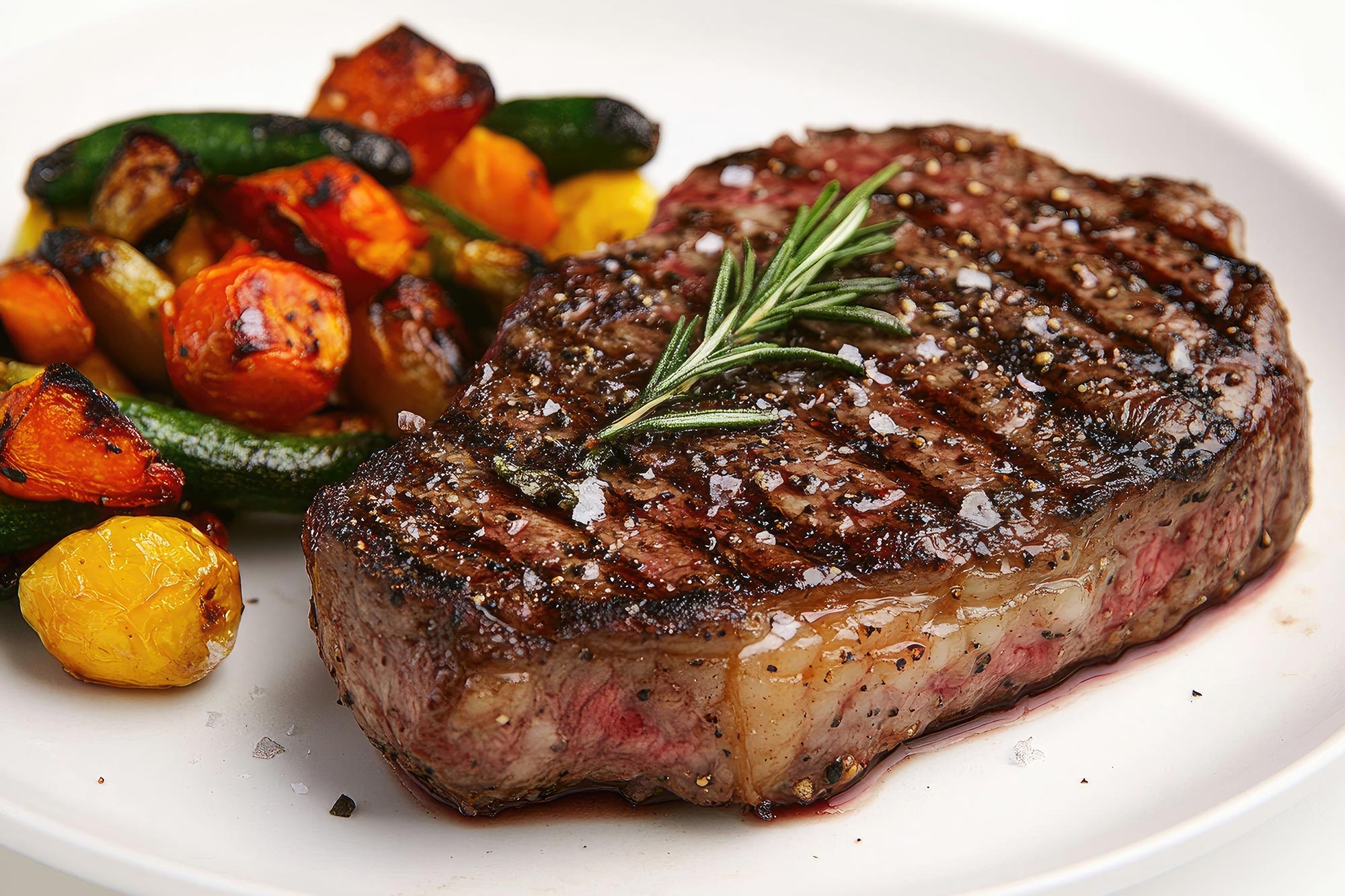
A new study found that including moderate amounts of lean beef in a Mediterranean-style diet did not raise a key marker of heart disease risk.
Eating moderate portions of lean beef within a Mediterranean-style diet does not raise a developing marker linked to cardiovascular disease, according to new research from an interdisciplinary team at Penn State. The study looked at measures of heart health and gut microbiome diversity in young, generally healthy adults who rotated through four controlled diets for four weeks, each featuring different quantities and types of beef.
As reported in Journal of the American Heart Association, participants who followed a Mediterranean diet that included either .5 or 2.5 ounces of lean beef per day did not show an increase in trimethylamine N-oxide (TMAO), a metabolic compound associated with higher cardiovascular risk. These results were compared with outcomes from an average American diet that provided 2.5 ounces of regular beef daily and a Mediterranean diet that supplied 5.5 ounces of lean beef each day. TMAO forms during metabolism and is commonly produced when people eat animal-based foods, including beef.
“Observational evidence shows higher levels of TMAO are associated with higher cardiovascular risk,” said Kristina Petersen, associate professor of nutritional sciences and senior author of this study. “In this study we wanted to better understand the relationship between lean beef consumption and TMAO levels in the context of a healthy, Mediterranean style diet.”
Petersen noted that people are often advised to limit beef because higher intake has been tied to increased risk of heart disease. She explained that the new findings support earlier studies on related risk factors and indicate that eating modest amounts of lean, unprocessed beef within an overall healthy eating pattern does not appear to negatively influence heart disease risk.
Measuring the impact of different diets
The researchers analyzed samples from a previous study involving Petersen that examined beef in a Mediterranean diet. For this analysis, 30 participants were provided with all meals and snacks for four separate four-week periods. In this experimental design, every participant consumed all four diets, which reduced the possibility that results could occur due to differences between the people eating each diet.
During one of the four-week study periods, participants consumed an average American diet, based on U.S data from the time the study was designed. In the American diet period, participants consumed meals that were composed of 52% carbohydrates, 15% proteins and 33% fats. Each day, they ate 2.5 ounces — about the size of a deck of cards — of regular beef, which contains more than 10% fat. The American diet is higher in saturated fats and lower in olive oil, fruits, and vegetables than the Mediterranean diet, Petersen said.
During the other periods of the study, participants consumed Mediterranean-style diets that were composed of 42% carbohydrates, 17% proteins, and 41% fats. The Mediterranean diet included more olive oil, fruits, and vegetables than the American diet.
During one of the Mediterranean diet periods, participants ate .5 ounces of beef each day, which is a cube of meat smaller than one inch and reflects the amount of red meat consumed in a traditional Mediterranean diet. During another Mediterranean diet period, participants ate 2.5 ounces of beef each day. During the other Mediterranean period, participants ate 5.5 ounces of beef each day.
The beef consumed in the Mediterranean diet periods was either lean — less than 10% fat — or extra lean — less than 5% fat — while the beef in the American diet period was not lean. All beef in the study was unprocessed.
Participants ate each diet in a random order and were given at least one week off between dietary periods. Researchers used three types of biological samples — blood, feces and urine — from each participant to measure TMAO levels and the diversity of participants’ gut microbiomes.
Can lean beef be part of a healthy diet?
When participants ate .5 or 2.5 ounces of lean beef as part of a Mediterranean diet, they had lower blood levels of TMAO than when they ate the American diet, according to the results of the study. When participants ate the American diet with 2.5 ounces of non-lean beef daily or the Mediterranean diet with 5.5 ounces of lean beef daily, their TMAO levels were not different. These findings suggest dietary quality was more important than the amount of beef eaten, the researchers said.
“We chose 2.5 ounces of lean beef because that approximates the amount of beef that the average American consumes each day,” said Zachary DiMattia, doctoral candidate in nutritional sciences and lead author of this study. “This study suggests that, in the context of a healthy dietary pattern, people may be able to include similar amounts of lean beef without increasing their TMAO levels. If people eat reasonable portions of lean, unprocessed beef as part of a Mediterranean-style diet, we would not expect this specific marker of cardiovascular disease risk to rise.”
In addition to TMAO levels, the researchers examined how the different diets affected the diversity of participants’ gut microbiomes. Results indicated that all three Mediterranean diets increased gut microbiome diversity compared to the American diet.
The researchers said that further research is needed to understand the role the gut microbiome plays in the relationship between diet and TMAO levels. They agreed, however, that this study has implications for individuals who want to eat a healthy diet.
“Lean, moderately sized, unprocessed cuts of beef can be included as part of a healthy diet when people are consuming plenty of fruits, vegetables and healthy fats like olive oil,” DiMattia said.
More dietary impacts of lean beef
This study focused on TMAO levels, but Petersen’s laboratory group previously explored other health effects of adding lean beef to a Mediterranean diet.
In a study from earlier this year using the same data, the researchers examined how beef consumption affected the blood vessel health. The researchers found that a Mediterranean diet with lean beef resulted in lower blood pressure than when participants consumed an American diet.
Additionally, doctoral student Fatemeh Jafari led a review of previous studies that examined whether red meat consumption raised TMAO levels. The literature review highlighted the complicated nature of TMAO, Petersen said. Just under half of the studies found that red meat increased TMAO, while the rest showed no increase in TMAO associated with beef consumption.
Healthy eating is essential
The most important way to reduce risk, according to the researchers, is to establish healthy eating habits. They said that by consuming more vegetables, fruits and whole grains and reducing saturated fats, people can reduce their risk of heart disease. They also cautioned against taking these results out of context.
“This evidence does not mean you can necessarily eat a week’s worth of beef — for example, a single, 17.5-ounce steak — at one time and see the same results,” Petersen said. “Additionally, this recommendation does not extend to non-lean beef or processed meats like sausage or salami. Finally, these studies were conducted in relatively young, healthy individuals, so further research is needed in older people or anyone with elevated heart disease risk.”
Reference: “Effect of Varying Quantities of Lean Beef as Part of a Mediterranean‐Style Dietary Pattern on Gut Microbiota and Plasma, Fecal, and Urinary Metabolites: A Randomized Crossover Controlled Feeding Trial” by Zachary S. DiMattia, Jingcheng Zhao, Fuhua Hao, Sergei Koshkin, Jordan E. Bisanz, Andrew D. Patterson, Jennifer A. Fleming, Penny M. Kris‐Etherton and Kristina S. Petersen, 19 September 2025, Journal of the American Heart Association.
DOI: 10.1161/JAHA.125.041063
This research was funded by the National Cattlemen’s Beef Association — a contractor to the Beef Checkoff — and Penn State.
Never miss a breakthrough: Join the SciTechDaily newsletter.
Follow us on Google and Google News.
8 Comments
This research was funded by the National Cattlemen’s Beef Association……
Being funded by NCBA might warrant raising a cautionary flag, but the study should be judged on the facts, not potential bias. After all, one wouldn’t expect some vegan organization to fund such a study. Do we accept ignorance on the subject because of a risk of bias?
Anyone that falls for the “meat bad” dillusion needs to understand all these studies that come up with this stuff are not for your benefit.
They all serve an agenda and they all reflect the results of whoever funds them.
I don’t think any food in its unprocessed form and in reasonable quantities with plenty of diversity in a whole foods diet would consistently be shown to be bad for the average human who is in decent health.
The satisfaction I get from a really good steak is something I will continue to enjoy from time to time regardless of the billions in research money spent trying to prove whether it will kill me or not.
Not that surprising but, 2.5 oz of beef seems a bit less than the what the average American beef eater eats.
When I was younger it was not uncommon for me to eat an 8 or 10 oz steak at a single meal, and do so several times a week. The 2.5 oz ‘meal’ seems low to me also.
I question whether the sensitivity and accuracy for TMAO is sufficient to detect it on such low quantities as was used in this study.
The study mentioned in this article was a complete waste of 4 weeks 😂
I would take everything written in this article with a grain of salt, which is just as bad for the heart as beef it.