
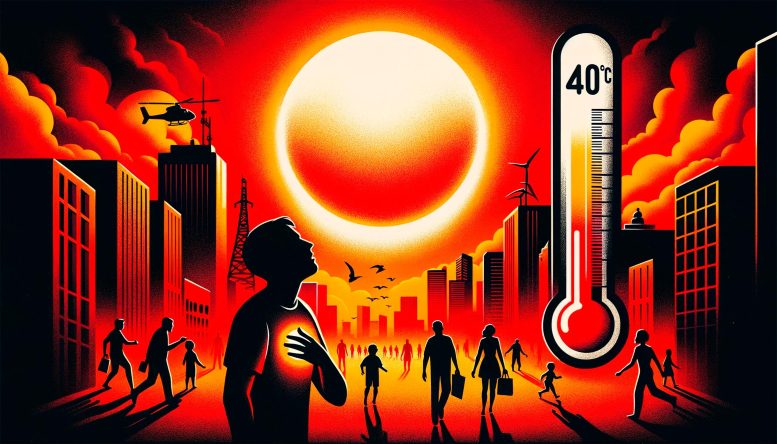
A new study predicts a significant increase in heat-related cardiovascular deaths in the U.S. over the next four decades.
The number of heat-related cardiovascular deaths in the United States will increase over the next four decades, according to a new analysis from the Perelman School of Medicine at the University of Pennsylvania. Extreme heat can impact heart health in many ways, including increased heart rate, changes in blood pressure, and increased inflammation. Left untreated, these issues can be deadly. The findings, published today in Circulation, also indicate that older adults and black adults will experience greater increases in excess cardiovascular deaths due to extreme heat.
Understanding the Impact of Rising Temperatures
“As global temperatures rise, analyzing how demographic and environmental trends are connected is necessary for accurate forecasts of how extreme heat events will impact the cardiovascular health of U.S. adults in the coming decades,” said Sameed Khatana, MD, MPH, an assistant professor of Cardiovascular Medicine at Penn and senior author of the study.
According to the analysis, the number of cardiovascular deaths associated with extreme heat among adults living in the United States is projected to have a statistically significant increase from the current period (2008-2019) to the mid-century period (2036-2065).
Research Methodology and Findings
To reach this conclusion, researchers evaluated the number of cardiovascular deaths that were associated with extreme heat from 2008-2019. In that time period, there were an average of 54 days each summer when the heat index rose to or above 90 degrees and a total of 1,651 related cardiovascular deaths annually. Researchers then combined this estimate with the projected number of extreme heat days, as well as population levels in the middle of the century. As a result of more regularly recurring hot temperatures and demographic changes, they project between 4,320 to 5,491 deaths annually come the middle of the 21st century.
Furthermore, they analyzed this impact on subgroups of populations, including older adults and black adults. The researchers found that black adults may experience even greater increases of cardiovascular-related deaths due to heat exposure, with a more than 500 percent increase in the coming decade compared to current deaths from cardiovascular-related complications. This could be due to the increased risks black adults have for cardiovascular disease, which can be tied to factors such as social determinants of health (like neighborhood poverty level) and clinical factors (such as blood pressure). Additionally, previous studies have shown that neighborhoods with a higher proportion of non-white residents have lower air conditioning access and less tree canopy cover which increases heat exposure to the residents of these neighborhoods.
Addressing Health Disparities and Recommendations
“This is a health equity issue and without steps to mitigate its impacts, extreme heat may widen the pre-existing cardiovascular health disparities that already exist between communities in the United States,” said Khatana.
Additionally, people with underlying conditions such as diabetes and heart disease are at a greater risk when temperatures rise. Irregular heartbeat, heart attack, or stroke can occur as the body tries to cool itself down.
The authors recommend infrastructure investment in high-risk communities to help mitigate the impacts of climate change. For example, increasing tree canopy cover and developing heat action plans—which ensure vulnerable populations have ways to cool down during instances of increasing temperatures—are all ways to help lower the number of cardiovascular deaths related to extreme heat.
Reference: “Projected Change in the Burden of Excess Cardiovascular Deaths Associated With Extreme Heat by Midcentury (2036–2065) in the Contiguous United States” by Sameed Ahmed M. Khatana, Lauren A. Eberly, Ashwin S. Nathan and Peter W. Gro, 30 October 2023, Circulation.
DOI: 10.1161/CIRCULATIONAHA.123.066017
The research was partially supported by grants from the American Heart Association (20CDA35320251) and National Heart, Lung, and Blood Institute (K23 HL153772).
Never miss a breakthrough: Join the SciTechDaily newsletter.
Follow us on Google and Google News.
2 Comments
Looks like they have found a convenient scapegoat.
Of course these cardiovascular deaths are linked to climate change and not experimental RNA shots.
Morons.
Perhaps they are linked to both the vaks and a hotter climate? Like killing two birds with the same stone. I mean if the shot wasnt supposed to prevent the effect of the pathogen, we can only wonder as to the effect its designed to have.