
Close Menu
    Facebook X (Twitter) Instagram
    SciTechDaily
    • Biology
    • Chemistry
    • Earth
    • Health
    • Physics
    • Science
    • Space
    • Technology
    Facebook X (Twitter) Pinterest YouTube RSS
    SciTechDaily
    Home»Health»Healing Through the Skull: Infrared Light Therapy Offers New Hope for Brain Injury Recovery
    Health

    Healing Through the Skull: Infrared Light Therapy Offers New Hope for Brain Injury Recovery

    By University of BirminghamOctober 16, 2024No Comments3 Mins Read
    Facebook Twitter Pinterest Telegram LinkedIn WhatsApp Email Reddit
    Share
    Facebook Twitter LinkedIn Pinterest Telegram Email Reddit
    Traumatic Brain Injury X Ray
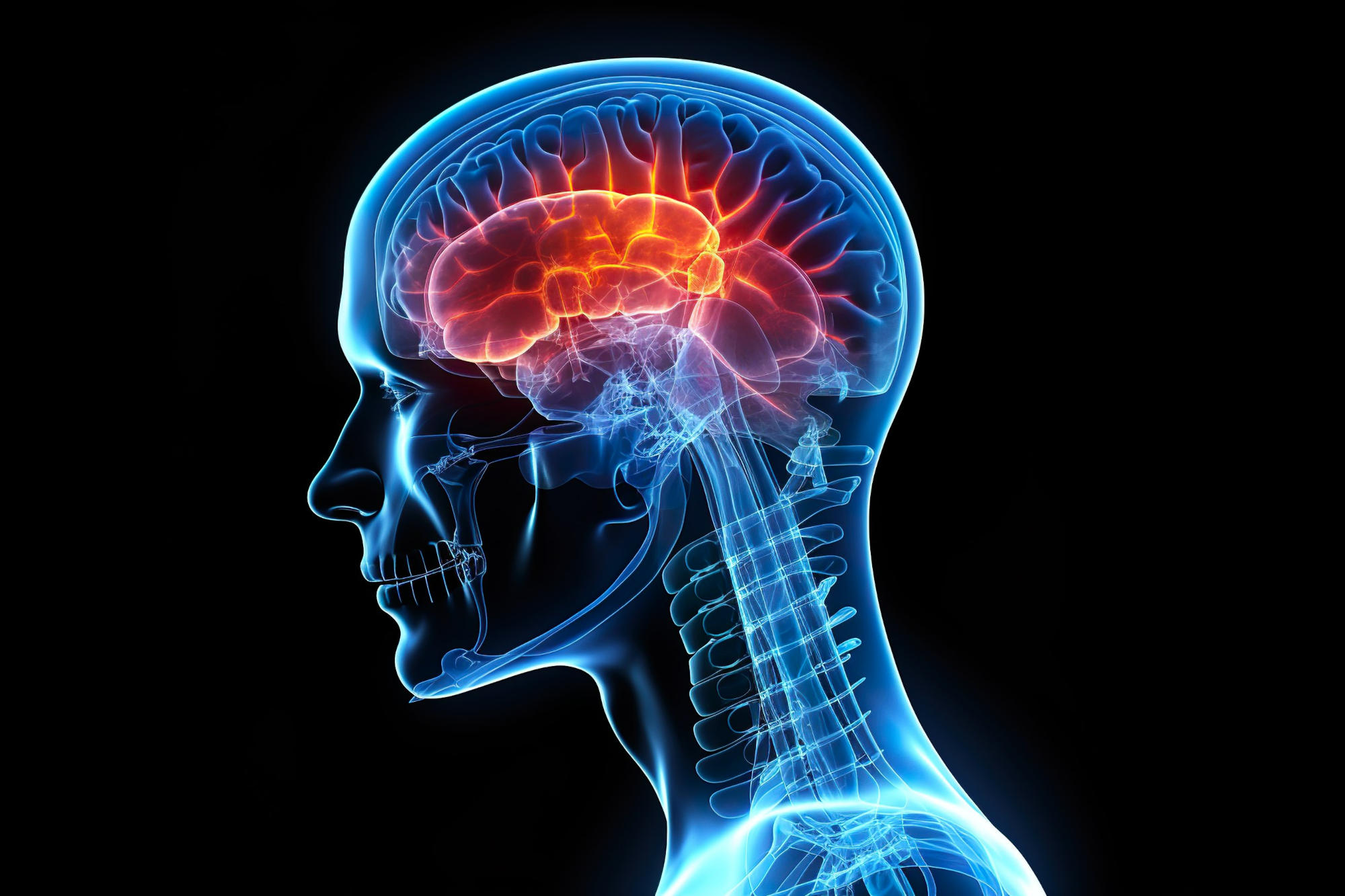
    Birmingham scientists have developed a transcranial light therapy that helps tissue repair after mild traumatic brain injury (mTBI) by reducing inflammation and cell death. Credit: SciTechDaily.com

    Scientists in Birmingham have shown that near-infrared light therapy can accelerate recovery from mild traumatic brain injury by reducing inflammation and cell death. This promising approach may lead to a new treatment for mTBI, with researchers aiming to develop it into a medical device.

    Scientists in Birmingham have demonstrated that transcranial light therapy, delivered through the skull, can promote tissue repair following mild traumatic brain injury (mTBI).

    Their research, published in the journal Bioengineering & Translational Medicine, indicates that this novel method could result in a new treatment option in an area of medicine that currently has few, if any, treatment options.

    Traumatic brain injury (mTBI) results when the initial trauma of head injury is magnified by a complex set of inflammatory changes that occur in the brain. These secondary processes, which take place from minutes to hours after a head injury, can dramatically worsen outcomes for patients.

    The method invented by scientists at the University of Birmingham, U.K., and patented by University of Birmingham Enterprise aims to protect against this secondary damage, and stimulate faster, and better recovery for patients.

    Study Details: Infrared Light Therapy

    In the study, the Birmingham team, comprising researchers Professor Zubair Ahmed, Professor Will Palin, Dr. Mohammed Hadis, and surgeons Mr. Andrew Stevens and Mr. David Davies, examined the effect of two wavelengths of near infrared light (660nm and 810nm) on recovery following injury.

    The study in preclinical models used daily two-minute bursts of infrared light, delivered by a laser, for three days post-injury.

    The findings showed significant reductions in the activation of astrocytes and microglial cells, which are heavily implicated in the inflammatory processes in the brain that follow head trauma, and significant reductions in biochemical markers of apoptosis (cell death).

    At four weeks, there were significant improvements in performance in functional tests involving balance and cognitive function. The red light therapy also accelerated recovery compared to controls, with superior outcomes for light with a wavelength of 810nm.

    The study builds on research published earlier this year which showed near infrared light delivered directly to the site of spinal cord injury both improves survival of nerve cells and stimulates new nerve cell growth.

    Professor Ahmed, who led the study, said: “We want to develop this method into a medical device that can be used to enhance recovery for patients with traumatic brain or spinal cord injury, with the aim of improving outcomes for patients.”

    The researchers are seeking commercial partners to co-develop the device and take it to market.

    Reference: “Photobiomodulation improves functional recovery after mild traumatic brain injury” by Andrew R. Stevens, Mohammed Hadis, Abhinav Thareja, Freya G. Anderson, Michael R. Milward, Valentina Di Pietro, Antonio Belli, William Palin, David J. Davies and Zubair Ahmed, 11 October 2024, Bioengineering & Translational Medicine.
    DOI: 10.1002/btm2.10727

    The study was funded by the Medical Research Council.

    Never miss a breakthrough: Join the SciTechDaily newsletter.
    Follow us on Google and Google News.

    Brain Injury Neurology University of Birmingham
    Share. Facebook Twitter Pinterest LinkedIn Email Reddit

    Related Articles

    The Hidden Consequences of Brain Trauma: Study Uncovers New Insights

    New Drug Could Treat “Blinding” IIH Headaches

    Serious Head Injuries Increase Your Risk of Dementia by 50%

    Biomarker Discovery May Lead to New Treatments for People With ALS

    “Bath Salts” Effects on the Brain Are Comparable to Cocaine

    Examining the Relationship Between Diabetes and Cognitive Decline

    Controlled Trial Shows Cannabis Reduces Some Symptoms of MS

    Custom Tailored Brain Cancer Vaccine Proves Effective

    Researchers Find Possible Link Between Diet Soda and Vascular Risks

    Leave A Reply Cancel Reply

    • Facebook
    • Twitter
    • Pinterest
    • YouTube

    Don't Miss a Discovery

    Subscribe for the Latest in Science & Tech!

    Trending News

    Scientists Discover Cheap, Natural Remedy for High Blood Pressure

    Earth’s Upper Atmosphere Is Cooling Fast and Scientists Finally Know Why

    32,000 Olympic Pools of Magma Nearly Erupted Beneath Atlantic Island

    Exercise Changes the Heart in a Way Researchers Never Expected

    Too Much Sleep May Age Your Body Faster, New Study Warns

    Scientists Uncover Promising New Strategy To Stop Parkinson’s in Its Tracks

    Experts Reveal the Surprising Cancer Link Behind a Common Vitamin

    This Strange “Golden Orb” Found 2 Miles Deep Stumped Scientists for Years

    Follow SciTechDaily
    • Facebook
    • Twitter
    • YouTube
    • Pinterest
    • Newsletter
    • RSS
    SciTech News
    • Biology News
    • Chemistry News
    • Earth News
    • Health News
    • Physics News
    • Science News
    • Space News
    • Technology News
    Recent Posts
    • The Type of Alcohol You Drink Could Affect How Long You Live
    • 19-Year Study Reveals the Surprising Truth About Sitting and Dementia
    • This Common Vitamin May Help Stop Prediabetes From Turning Into Diabetes
    • Canada’s Billion-Year-Old Rocks Could Hold the Future of Clean Energy
    • Climate Change Is Quietly Choking Rivers Across the Planet
    Copyright © 1998 - 2026 SciTechDaily. All Rights Reserved.
    • Science News
    • About
    • Contact
    • Editorial Board
    • Privacy Policy
    • Terms of Use

    Type above and press Enter to search. Press Esc to cancel.