
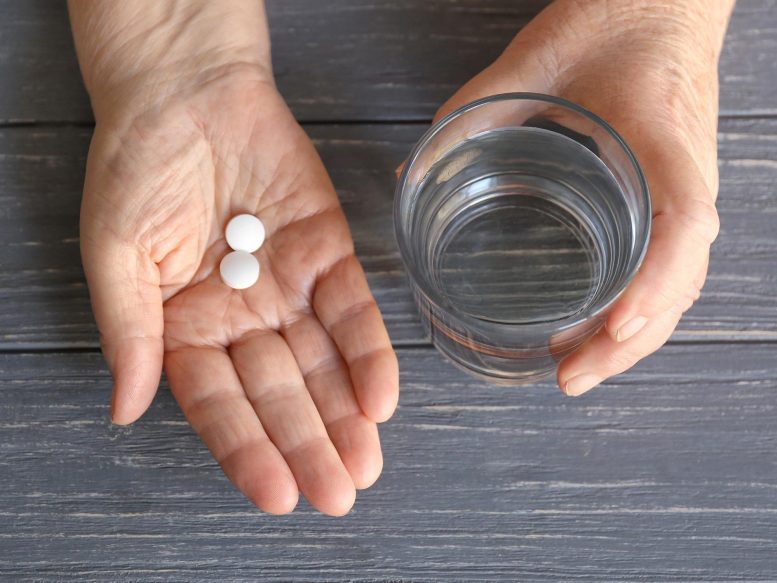
Benefits of the blood pressure medication verapamil include delayed disease progression, lowered insulin requirements, and preservation of some beta cell function.
Use of the drug verapamil to treat Type 1 diabetes continues to show benefits lasting at least two years, researchers report in the journal Nature Communications. Patients taking the oral blood pressure medication not only required less daily insulin two years after first diagnosis of the disease, but also showed evidence of surprising immunomodulatory benefits.
Continuing medication was necessary. In the two-year study, subjects who stopped daily doses of verapamil at one year saw their disease at two years worsened at rates similar to those of the control group of diabetes patients who did not use verapamil at all.
Verapamil’s Effects on Pancreatic Beta Cells
Type 1 diabetes is an autoimmune disease that causes loss of pancreatic beta cells, which produce endogenous insulin. To replace that, patients must take exogenous insulin by shots or pumps and are at risk of dangerous low blood sugar events. There is no current oral treatment for this disease.
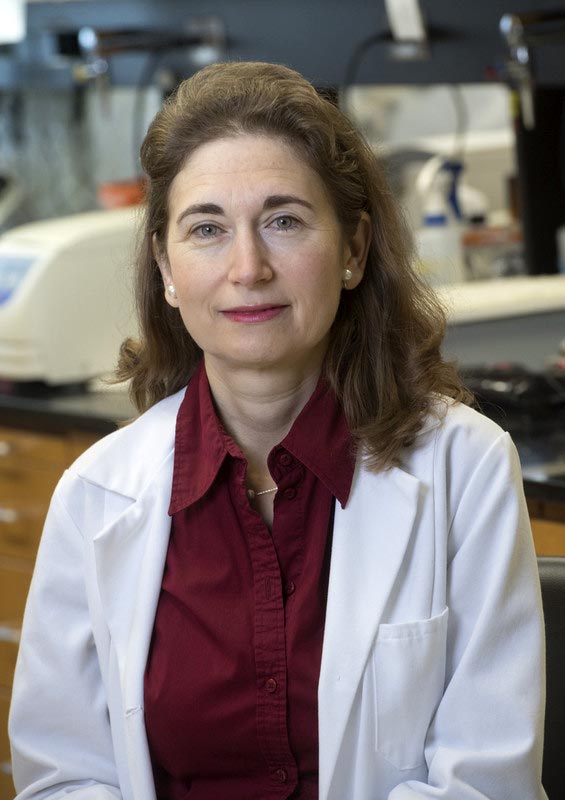
The suggestion that verapamil might serve as a potential Type 1 diabetes drug was the serendipitous discovery of study leader Anath Shalev, M.D., director of the Comprehensive Diabetes Center at the University of Alabama at Birmingham. This finding stemmed from more than two decades of her basic research into a gene in pancreatic islets called TXNIP. In 2014, Shalev’s UAB research lab reported that verapamil completely reversed diabetes in animal models, and she announced plans to test the effects of the drug in a human clinical trial. The United States Food and Drug Administration approved verapamil for the treatment of high blood pressure in 1981.
In 2018, Shalev and colleagues reported the benefits of verapamil in a one-year clinical study of Type 1 diabetes patients, finding that regular oral administration of verapamil enabled patients to produce higher levels of their own insulin, thus limiting their need for injected insulin to regulate blood sugar levels.
The current study extends on that finding and provides crucial mechanistic and clinical insights into the beneficial effects of verapamil in Type 1 diabetes, using proteomics analysis and RNA sequencing.
To examine changes in circulating proteins in response to verapamil treatment, the researchers used liquid chromatography-tandem mass spectrometry of blood serum samples from subjects diagnosed with Type 1 diabetes within three months of diagnosis and at one year of follow-up. Fifty-three proteins showed significantly altered relative abundance over time in response to verapamil. These included proteins known to be involved in immune modulation and autoimmunity of Type 1 diabetes.
Changes in Chromogranin A and Beta Cell Function
The top serum protein altered by verapamil treatment was chromogranin A, or CHGA, which was downregulated with treatment. CHGA is localized in secretory granules, including those of pancreatic beta cells, suggesting that changed CHGA levels might reflect alterations in beta cell integrity. In contrast, the elevated levels of CHGA at Type 1 diabetes onset did not change in control subjects who did not take verapamil.
CHGA levels were also easily measured directly in serum using a simple ELISA assay after a blood draw, and lower levels in verapamil-treated subjects correlated with better endogenous insulin production as measured by mixed-meal-stimulated C-peptide, a standard test of Type 1 diabetes progression. Also, serum CHGA levels in healthy, non-diabetic volunteers were about twofold lower compared to subjects with Type 1 diabetes, and after one year of verapamil treatment, verapamil-treated Type 1 diabetes subjects had similar CHGA levels compared with healthy individuals. In the second year, CHGA levels continued to drop in verapamil-treated subjects, but they rose in Type 1 diabetes subjects who discontinued verapamil during year two.
“Thus, serum CHGA seems to reflect changes in beta cell function in response to verapamil treatment or Type 1 diabetes progression and therefore may provide a longitudinal marker of treatment success or disease worsening,” Shalev said. “This would address a critical need, as the lack of a simple longitudinal marker has been a major challenge in the Type 1 diabetes field.”
Verapamil’s Effects on Immune Markers and Gene Expression
Other labs have identified CHGA as an autoantigen in Type 1 diabetes that provokes immune T cells involved in the autoimmune disease. Thus, Shalev and colleagues asked whether verapamil affected T cells. They found that several proinflammatory markers of T follicular helper cells, including CXCR5 and interleukin 21, were significantly elevated in monocytes from subjects with Type 1 diabetes, as compared to healthy controls, and they found that these changes were reversed by verapamil treatment.
“Now our results reveal for the first time that verapamil treatment may also affect the immune system and reverse these Type 1 diabetes-induced changes,” Shalev said. “This suggests that verapamil, and/or the Type 1 diabetes improvements achieved by it, can modulate some circulating proinflammatory cytokines and T helper cell subsets, which in turn may contribute to the overall beneficial effects observed clinically.”
To assess changes in gene expression, RNA sequencing of human pancreatic islet samples exposed to glucose, with or without verapamil was performed and revealed a large number of genes that were either upregulated or downregulated. Analysis of these genes showed that verapamil regulates the thioredoxin system, including TXNIP, and promotes an anti-oxidative, anti-apoptotic and immunomodulatory gene expression profile in human islets. Such protective changes in the pancreatic islets might further explain the sustained improvements in pancreatic beta cell function observed with continuous verapamil use.
Shalev and colleagues caution that their study, with its small number of subjects, needs to be confirmed by larger clinical studies, such as a current verapamil-Type 1 diabetes study ongoing in Europe.
But the preservation of some beta cell function is promising. “In humans with Type 1 diabetes, even a small amount of preserved endogenous insulin production — as opposed to higher exogenous insulin requirements — has been shown to be associated with improved outcomes and could help improve quality of life and lower the high costs associated with insulin use,” Shalev said. “The fact that these beneficial verapamil effects seemed to persist for two years, whereas discontinuation of verapamil led to disease progression, provides some additional support for its potential usefulness for long-term treatment.”
Reference: “Exploratory study reveals far reaching systemic and cellular effects of verapamil treatment in subjects with type 1 diabetes” by Guanlan Xu, Tiffany D. Grimes, Truman B. Grayson, Junqin Chen, Lance A. Thielen, Hubert M. Tse, Peng Li, Matt Kanke, Tai-Tu Lin, Athena A. Schepmoes, Adam C. Swensen, Vladislav A. Petyuk, Fernando Ovalle, Praveen Sethupathy, Wei-Jun Qian and Anath Shalev, 3 March 2022, Nature Communications.
DOI: 10.1038/s41467-022-28826-3
At UAB, Shalev is a professor in the Department of Medicine Division of Endocrinology, Diabetes and Metabolism, and she holds the Nancy R. and Eugene C. Gwaltney Family Endowed Chair in Juvenile Diabetes Research.
Co-authors with Shalev, in the Nature Communications report “Exploratory study reveals far reaching systemic and cellular effects of verapamil treatment in subjects with type 1 diabetes,” are Guanlan Xu, Tiffany D. Grimes, Truman B. Grayson, Junqin Chen, Lance A. Thielen and Fernando Ovalle, UAB Department of Medicine, Division of Endocrinology, Diabetes and Metabolism; Hubert M. Tse, UAB Department of Microbiology; Peng Li, UAB School of Nursing; Matt Kanke and Praveen Sethupathy, College of Veterinary Medicine, Cornell University, Ithaca, New York; and Tai-Tu Lin, Athena A. Schepmoes, Adam C. Swensen, Vladislav A. Petyuk and Wei-Jun Qian, Biological Sciences Division, Pacific Northwest National Laboratory, Richland, Washington.
Support came from National Institutes of Health grants DK078752, Human Islet Research Network DK120379, DK110844 and DK122160; and the American Diabetes Association Pathway Award 1-16-ACE-47.
The UAB departments of Medicine and Microbiology and the UAB Comprehensive Diabetes Center are part of the Marnix E. Heersink School of Medicine.
Never miss a breakthrough: Join the SciTechDaily newsletter.
Follow us on Google and Google News.