
Close Menu
    Facebook X (Twitter) Instagram
    SciTechDaily
    • Biology
    • Chemistry
    • Earth
    • Health
    • Physics
    • Science
    • Space
    • Technology
    Facebook X (Twitter) Pinterest YouTube RSS
    SciTechDaily
    Home»Science»Scientists Studied 865 Humpback Whales and Found They Grow Faster Than Expected
    Science

    Scientists Studied 865 Humpback Whales and Found They Grow Faster Than Expected

    By Griffith UniversityOctober 24, 2026No Comments3 Mins Read
    Facebook Twitter Pinterest Telegram LinkedIn WhatsApp Email Reddit
    Share
    Facebook Twitter LinkedIn Pinterest Telegram Email Reddit
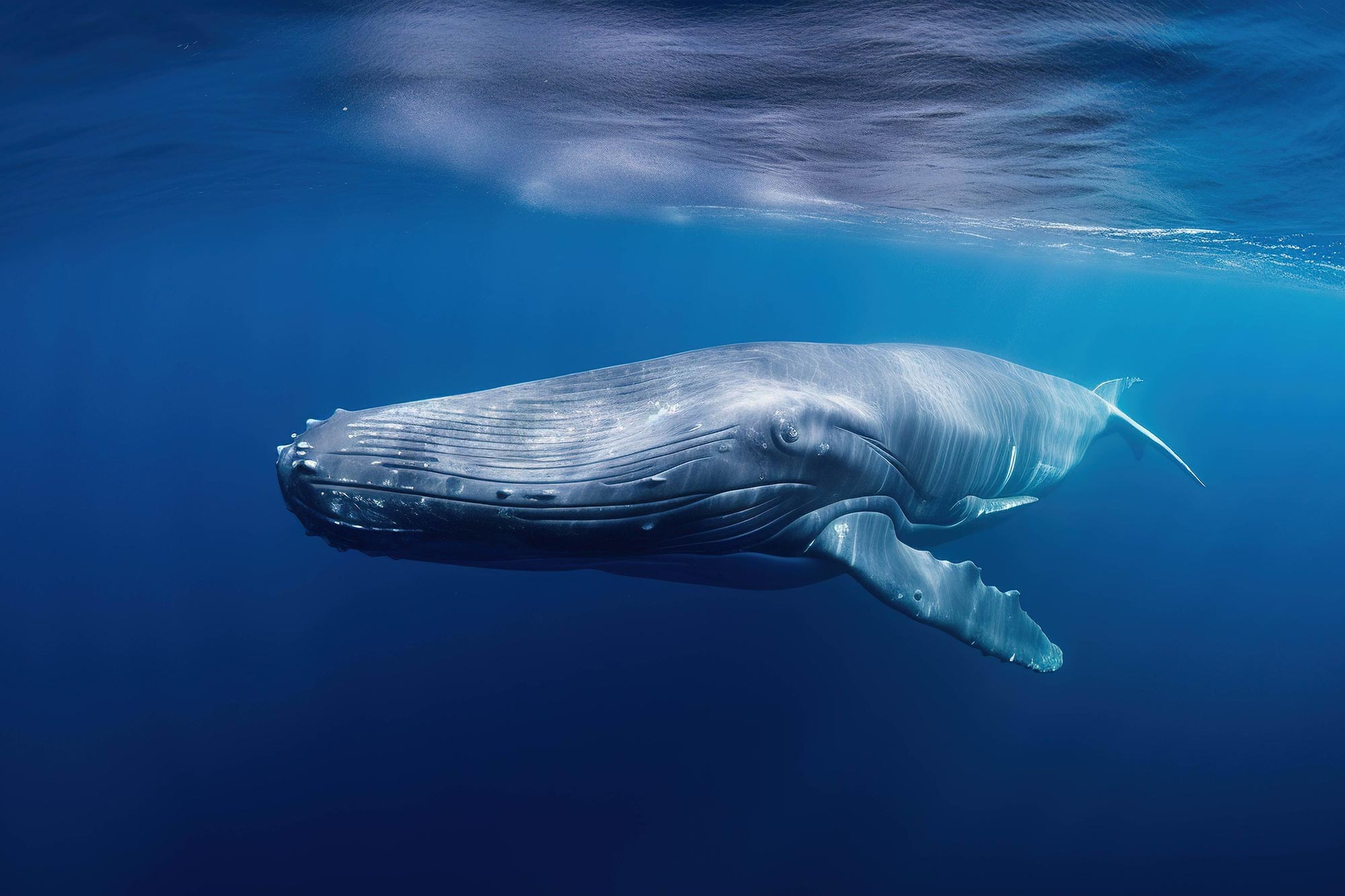
    Majestic Humpback Whale Swimming Underwater
    Eastern Australian humpback whales are a migratory population that travels thousands of miles each year between feeding grounds in Antarctica and warmer breeding waters along Australia’s eastern coast. Credit: Shutterstock

    Despite decades of environmental change and population recovery, eastern Australian humpback whales appear to have maintained their historical adult size.

    Eastern Australian humpback whales grow at an extraordinary pace, reaching approximately 10.9 meters (35.8 feet) in length by age five. By six or seven years old, they have already attained about 90 percent of their eventual adult body length, according to new research led by Griffith University.

    The findings, published in Marine Mammal Science, suggest these whales grow faster than humpback populations studied elsewhere. “This is faster growth than other humpback whale populations that have been measured,” said lead researcher Stephanie Stack, a Griffith University PhD candidate.

    Drones Reveal How Quickly Humpback Whales Grow

    To investigate how humpbacks develop throughout their lives, researchers measured 865 individually identified whales between 2021 and 2024. Using drones to photograph the animals from above, they calculated body lengths without physically disturbing the whales. Long-term photo-identification records helped the team track growth across newborn calves, juveniles, and adults more than 40 years old.

    The measurements showed that humpbacks experience their fastest growth during early life, with the rate gradually declining as they approach adult size. Including calves and young whales allowed scientists to examine these crucial developmental stages directly rather than relying on estimates derived from older animals.
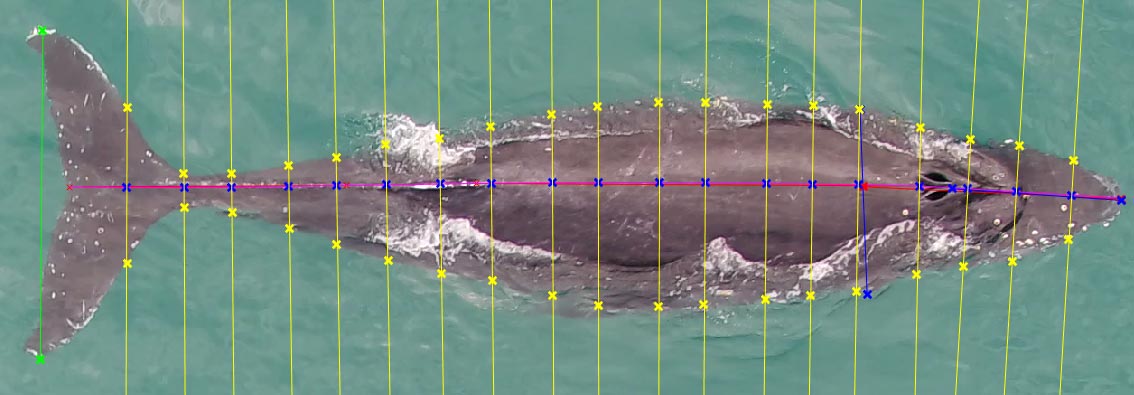
    Measuring Humpback Whales
    The study’s findings suggested eastern Australian humpback whales grew faster than other humpback whale populations studied elsewhere in the world. Credit: Pacific Whale Foundation

    Replacing Decades-Old Whaling Data

    “These are also the first contemporary growth curves developed for eastern Australian humpback whales using measurements from living animals, updating knowledge that has relied heavily on measurements collected during the commercial whaling era in the mid-20th century,” Stack said.

    Eastern Australia’s humpback population has recovered dramatically since commercial whaling ended, becoming one of the world’s most successful examples of whale conservation. Despite this population rebound and decades of environmental change, the new measurements closely match historical estimates of adult humpback size in Australian waters.

    “These new growth curves establish a baseline for investigating how whale biology may respond to changing environmental conditions.”

    Understanding Whale Health in a Changing Ocean

    “Understanding how quickly whales grow provides another piece of the puzzle in understanding the biology of this recovering population,” Stack said. “Growth influences many aspects of a whale’s life, including its health, energy requirements and potentially the timing of reproduction.”

    The new growth curves provide researchers with a reference point for tracking possible changes in humpback development as ocean conditions shift. Future measurements could help determine whether environmental changes are affecting growth patterns in this recovering population.

    “As environmental conditions continue to change, having robust biological benchmarks like these will be essential for understanding how whale populations are responding,” Stack said.

    Reference: “Contemporary Growth Curves for Individual Humpback Whales in Eastern Australia Using Aerial Photogrammetry” by S. H. Stack, T. Fettermann, B. McGovern and S. M. Bengtson Nash, 15 October 2026, Marine Mammal Science.
    DOI: 10.1111/mms.70296

    Never miss a breakthrough: Join the SciTechDaily newsletter.
    Follow us on Google and Google News.

    Conservation Griffith University Marine Biology Oceanography Popular Whales
    Share. Facebook Twitter Pinterest LinkedIn Email Reddit

    Related Articles

    Life Finds a Way: Thriving Ecosystems Discovered on WWII Warheads

    Shocking Scientists: Iconic Bluebottle Jellyfish Revealed To Be Four Distinct Species

    Watch: How Killer Whales Hunt the Largest Fish in the Sea

    Sahara Dust Transforms Into Ocean Life Fuel Across the Atlantic

    Mysteries of the Deep: Tracking Whale Journeys After Death

    Gigantic New Beast – One of the Largest Animals Ever – Discovered High in the Alps

    Scientists Discover Why Whales Migrate – They Return to the Tropics to Shed Their Skin

    Captive Beluga Whale Was Able to Mimic Speech

    Baleen Whales Disturbed by Underwater Noises From 120 Miles Away

    Leave A Reply Cancel Reply

    • Facebook
    • Twitter
    • Pinterest
    • YouTube

    Don't Miss a Discovery

    Subscribe for the Latest in Science & Tech!

    Trending News

    Just Two Days on a Vegan Diet Triggered Unexpected Changes in the Liver

    Antarctica’s “Doomsday Glacier” Could Raise Sea Levels Twice As Much as Scientists Feared

    Snakebites Are Far Deadlier Than We Thought, New Study Reveals

    Scientists Studied 865 Humpback Whales and Found They Grow Faster Than Expected

    Archaeologists May Have Just Discovered the World’s Oldest Shipwreck

    Researchers Find That Arthritis May Leave a Hidden Memory in Your Joints

    These Giant-Headed Ants Are Breaking a Fundamental Rule of Biology

    Scientists Discover a Hidden Cholesterol Switch That Could Change How We Treat Heart Disease

    Follow SciTechDaily
    • Facebook
    • Twitter
    • YouTube
    • Pinterest
    • Newsletter
    • RSS
    SciTech News
    • Biology News
    • Chemistry News
    • Earth News
    • Health News
    • Physics News
    • Science News
    • Space News
    • Technology News
    Recent Posts
    • Scientists Trap a Rare-Earth Metal in a Molecular Cage, Unlocking a Strange New State
    • Why Do We Have Necks? Scientists Uncover a 380-Million-Year-Old Evolutionary Twist
    • Tiny Magnets Implanted in Muscles Are Giving Prosthetic Hands a Remarkable New Ability
    • “Strangest of Its Kind”: Scientists Uncover a Bizarre Bacterial Self-Destruct Switch
    • Scientists Discover a Strange Insect in the Himalayas Where No One Expected It
    Copyright © 1998 - 2026 SciTechDaily. All Rights Reserved.
    • Science News
    • About
    • Contact
    • Editorial Board
    • Privacy Policy
    • Terms of Use

    Type above and press Enter to search. Press Esc to cancel.