
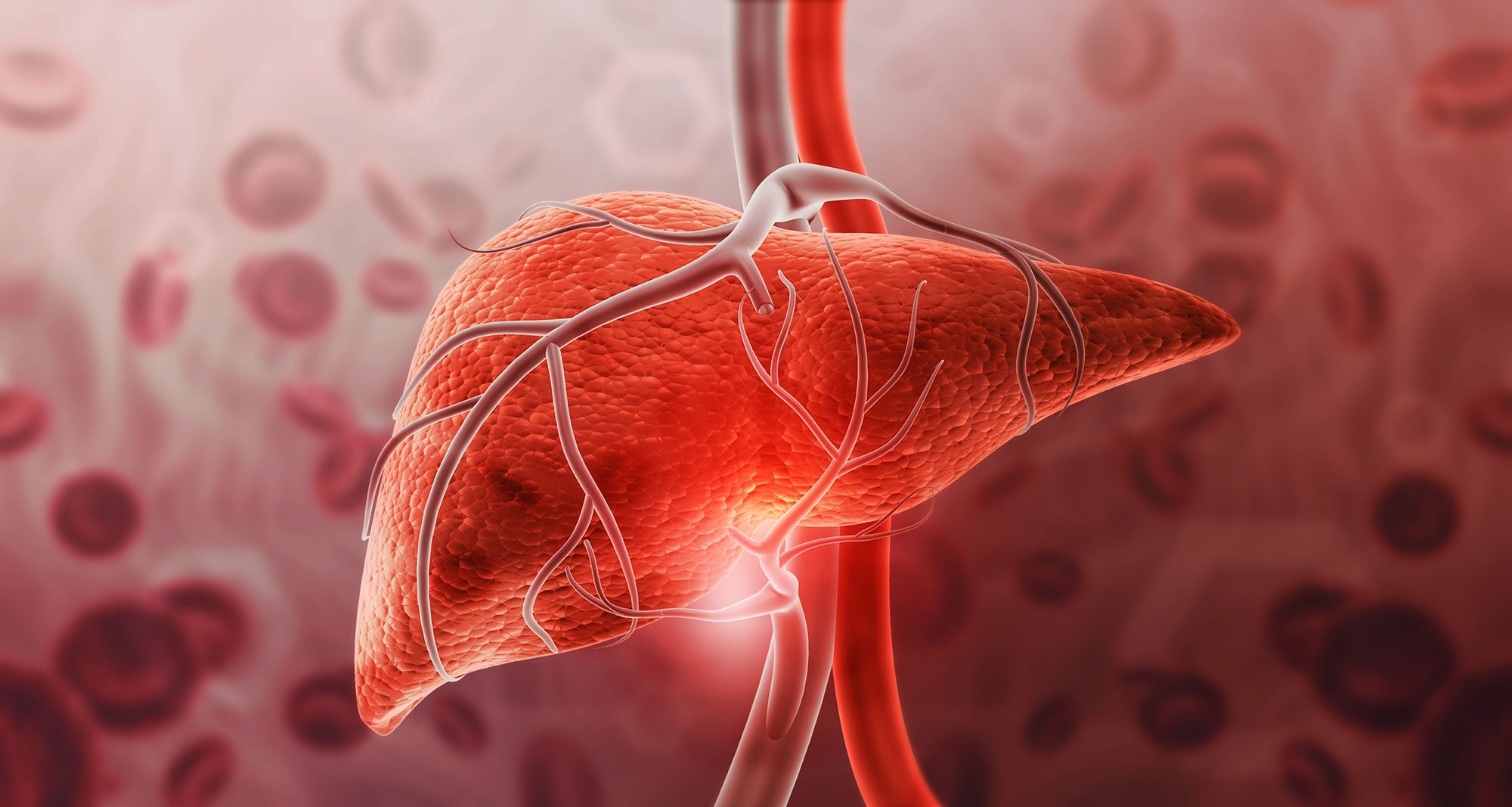
Switching from a vegetarian to a vegan diet altered liver metabolism in mice within just two days, making glucose production and toxic waste removal less efficient.
Millions of people follow a vegan diet, excluding all animal-derived products. Plant-based eating is recommended in part for its environmental benefits, but the health consequences of getting all dietary protein from plants are not yet fully understood. For researchers, that raises a question about how the body responds when the source of its protein changes.
Scientists at the University of Geneva (UNIGE) investigated that question in mice, focusing on the liver, which helps maintain blood sugar and processes the components of dietary protein. Their study, published in Molecular Metabolism, compared a lacto-vegetarian diet containing both animal and plant proteins with a vegan diet.
“In just two days, the mice fed an exclusively vegan diet showed less efficient glucose production,” explains Pierre Maechler, full professor in the Department of Cell Physiology and Metabolism and at the Diabetes Center of the UNIGE Faculty of Medicine. “Furthermore, their livers were less effective at eliminating ammonia, a toxic substance released during the breakdown of amino acids. A significant reduction in physical activity also suggests effects on the body as a whole.”
Protein helps maintain blood sugar
Proteins from plants and animals consist of amino acids, small molecules joined together like links in a chain. Their types and proportions differ depending on the food source, so changing protein sources gives the body a different mixture to process. Plant proteins naturally contain fewer branched-chain amino acids than animal proteins. Along with helping build the body’s proteins, these amino acids supply some of the raw material the liver uses to produce glucose and maintain sufficient blood sugar during fasting.
“Overall, a change in diet alters liver metabolism very quickly, but this effect is just as rapidly reversible,” emphasizes Maechler. “The body adapts within one to two days to even subtle changes in dietary composition and returns to normal upon the reintroduction of animal proteins.”
Without GDH, ammonia builds up
The combination of less efficient glucose production and ammonia removal pointed the team toward a liver enzyme called glutamate dehydrogenase, or GDH. Located in mitochondria, the structures inside cells that help process fuel, GDH connects protein metabolism with sugar metabolism. To investigate its role, the researchers compared two groups of mice lacking the enzyme in their livers. One group ate a lacto-vegetarian diet, while the other ate a strict vegan diet.
Without GDH, the mice eating only plant proteins developed a severe buildup of ammonia and impaired blood glucose regulation compared with mice whose diet also included animal proteins. This confirmed the enzyme’s essential role in the metabolic response to an exclusively plant-based diet.
Human effects remain uncertain
The experiments were conducted in mice, so they do not establish that people would experience the same changes. They do, however, provide a way to investigate the physiological questions that accompany a change in protein source.
“In addition to the ethical and environmental considerations that often motivate a switch to a plant-based diet, there are also scientific factors relating to the physiological functioning of our metabolism that are worth being aware of,” notes Maechler.
For people following a strict vegan diet, the researchers emphasize choosing protein sources rich in branched-chain amino acids, such as nuts, tofu, and lentils, to support the liver’s metabolic functions. They place that consideration alongside the need to ensure an adequate intake of specific vitamins.
Reference: “Transition to dietary plant-based proteins requires functional liver GDH for proper control of ammonia and energy homeostasis” by Yan Zhou, Angela M. Ramos-Lobo, Tingting Fu, Hector Gallart-Ayala, Julijana Ivanisevic and Pierre Maechler, 4 September 2026, Molecular Metabolism.
DOI: 10.1016/j.molmet.2026.102435
The work was funded by the Swiss National Science Foundation (#310030_192486 to P.M.) and the canton of Geneva.
Never miss a breakthrough: Join the SciTechDaily newsletter.
Follow us on Google and Google News.