
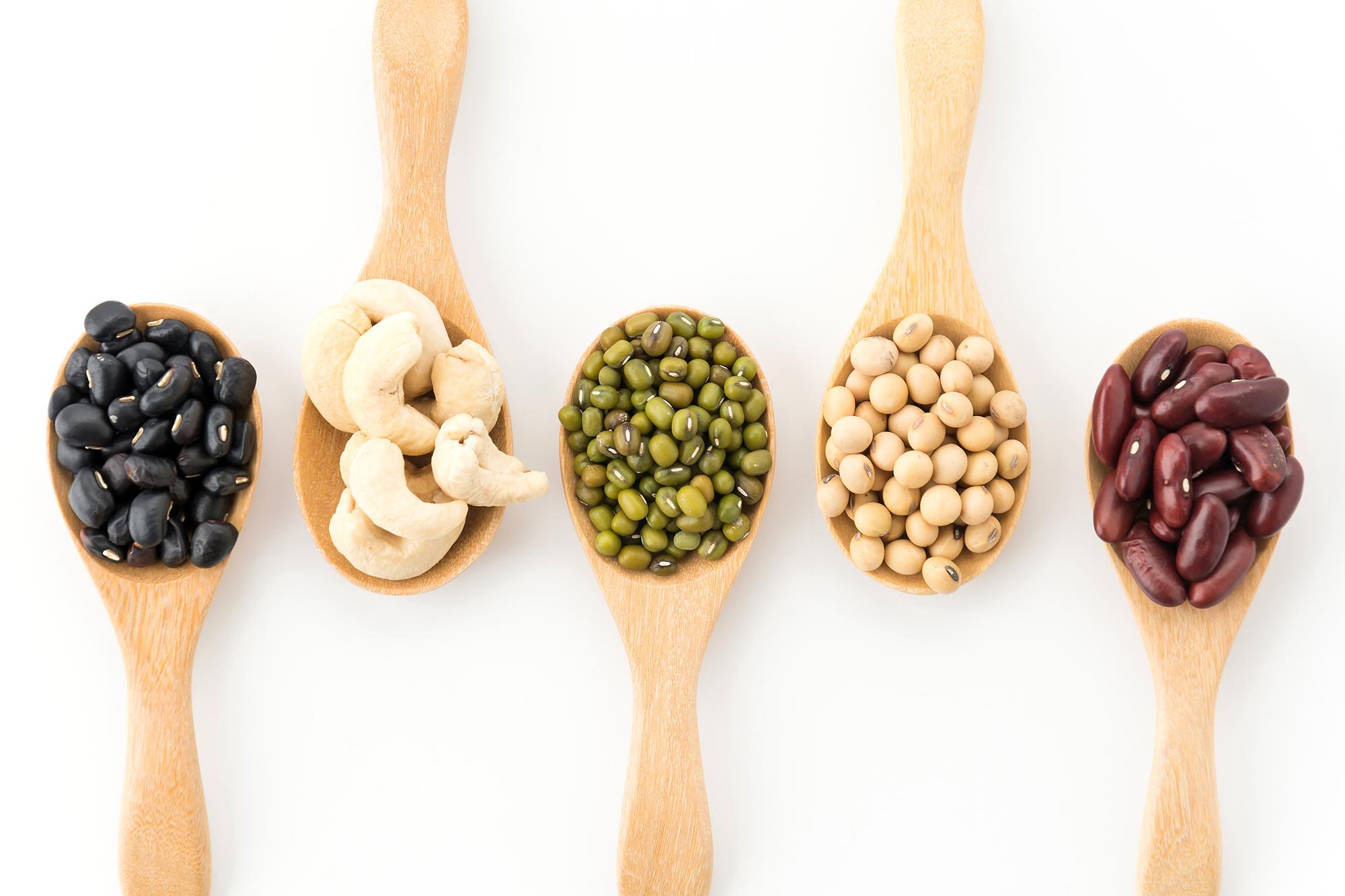
Increased bean and pulse intake boosts diet quality and nutrient intake, offering substantial health benefits and lower risks of major diseases.
Increased bean and pulse consumption is associated with improved shortfall nutrient intakes and higher diet quality in American adults, according to new research presented during the Academy of Nutrition and Dietetics (the Academy) Food & Nutrition Conference & Expo (FNCE) 2024 in Minneapolis, MN.
Nutritional Impact of Increased Bean Consumption
In the study, researchers assessed the effect of increased bean and pulse consumption, in the typical US dietary pattern, on shortfall nutrient intakes and diet quality outcomes. According to the findings, dietary patterns rich in beans and pulses are associated with significantly higher diet quality scores and greater intake of shortfall nutrients, including nutrients of public health concern.
Pulses are the edible seeds of plants in the legume family. They grow in pods and come in a variety of shapes, sizes, and colors and include beans, peas, chickpeas, and lentils. For this study, canned and dried kidney beans, black beans, chickpeas, and pinto beans (beans) were included in the composite.
Benefits of Beans on Nutrient Intake
Using data from the National Health and Nutrition Examination Survey, 2001-2018, the analyses modeled the addition of one- and two-servings of beans (as outlined above) in adults. Results show that greater consumption of beans is associated with significant increases in several shortfall nutrients, including dietary fiber, potassium, magnesium, iron, folate, and choline.
Enhancing Diet Quality with Beans
The research also revealed that the addition of 1 and 2 servings of beans daily to the US typical dietary pattern significantly increased overall diet quality, as assessed by USDA’s Healthy Eating Index-2015 (HEI-2015). HEI-2015 total scores were 15% greater with an additional serving of beans and 19% higher with 2 servings of beans, relative to the US typical dietary pattern.
Extensive Health Benefits and Recommendations
In both younger and older adults, this evaluation showed that beans contributed to a substantial increase in daily dietary fiber intake.iv This is critical since fewer than 1 in 10 US adults meet fiber recommendations to maintain optimal digestive health and prevent chronic diseases, including cardiovascular disease, diabetes, obesity, and certain cancers.[1] Additionally, the majority of US adults fall short of meeting potassium recommendations.[2] According to the American Heart Association,[3,4] “foods with potassium can help control blood pressure by blunting the effects of sodium and the more potassium you eat, the more sodium you process out of the body.”
Conclusion and Implications of Bean Consumption
“This research clearly shows that eating beans and pulses is good, but eating more is better,” states study author Yanni Papanikolaou, of Nutritional Strategies Inc. “Beans and pulses are excellent sources of fiber, folate and potassium and excellent sources of plant protein that also provides iron and zinc like other protein foods.”
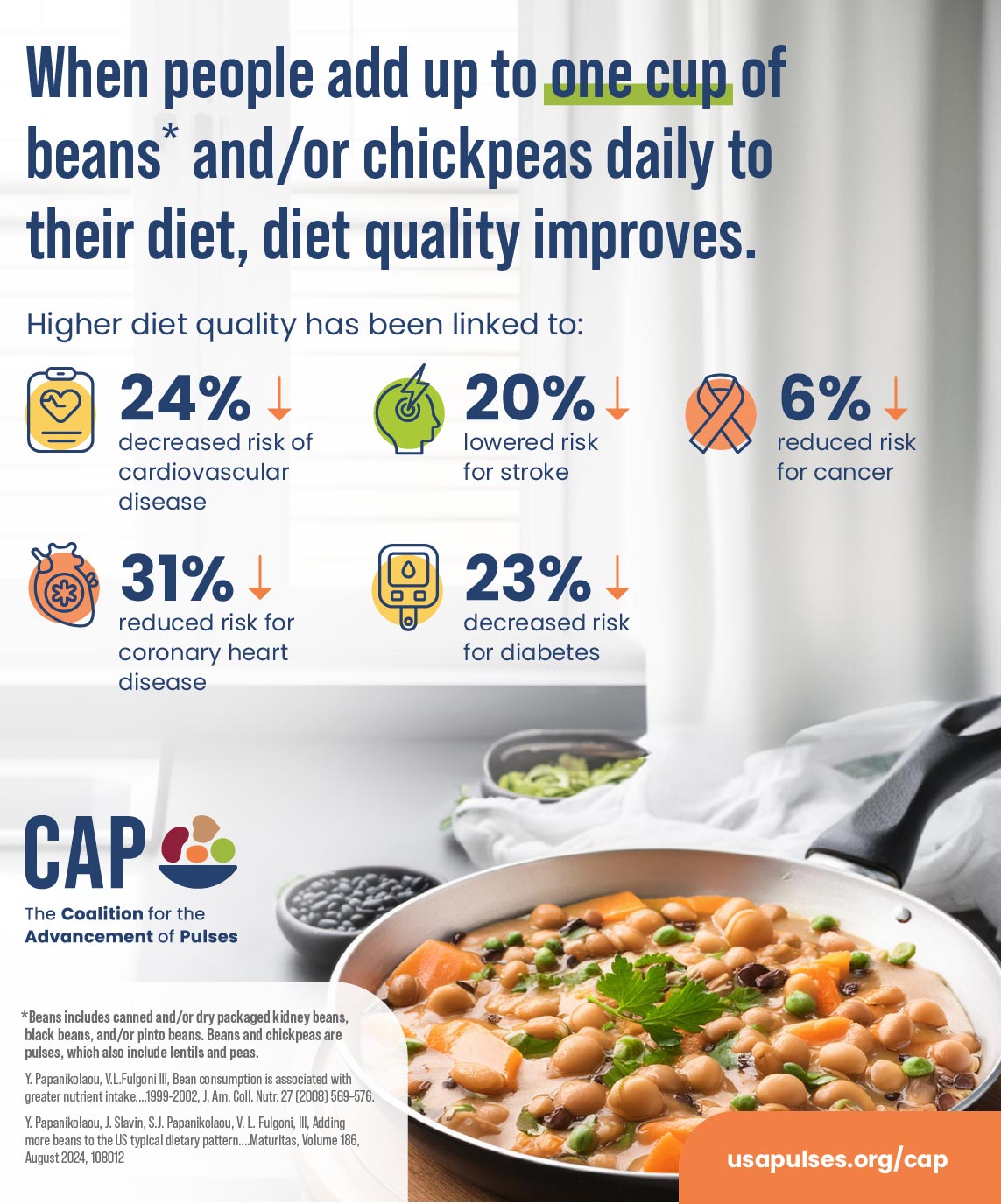
Beans and pulses remain under-consumed in the United States, with over 80% of the population below recommendations.[5] Consumption data show beans, peas, and legumes are consumed in relatively small amounts, at an average of 0.1 cup/day.[6] Recent research published in April and June of 2024 shows that dietary patterns rich in canned and dried kidney beans, black beans, pinto beans, and/or chickpeas are associated with significantly higher diet quality scores.[7,8] Highest diet quality scores are associated with 24% decreased risk of cardiovascular disease, 31% reduced risk for coronary heart disease, 20% lowered risk for stroke, 23% decreased risk for diabetes, and 6% reduced risk for cancer.[9]
“This research supports the growing body of evidence that consumption of beans and pulses may have numerous nutrient and public health benefits,” said Tim McGreevy, CEO, of USA Pulses. “In fact, pulses are so nutritious that they were recently listed on DietaryGuidelines.gov as among the highest sources of potassium, iron and fiber, three nutrients of concern, in the latest health professional resources.”
Notes
- US Department of Agriculture; U.S. Department of Health and Human Services. Dietary Guidelines for Americans, 2020–2025, 9th ed.; 2020. Available online: https://www.dietaryguidelines.gov/sites/default/files/2020-12/Dietary_Guidelines_for_Americans_2020-2025.pdf (accessed on 4 April 2023).
- National Academies of Sciences, Engineering, and Medicine 2019. Dietary Reference Intakes for Sodium and Potassium. Washington, DC: The National Academies Press. https://doi.org/10.17226/25353. Available online: http://nap.edu/25353 (accessed on 17 September 2023).
- American Heart Association. How Potassium Can Help Control High Blood Pressure. Available online: https://www.heart.org/en/health-topics/high-blood-pressure/changes-you-can-make-to-manage-high-blood-pressure/how-potassium-can-help-control-high-blood-pressure (accessed on 20 September 2023).
- American Heart Association. A Primer on Potassium. Available online: https://www.heart.org/en/healthy-living/healthy-eating/eat-smart/sodium/potassium (accessed on 20 September 2023).
- US Department of Agriculture; U.S. Department of Health and Human Services. Dietary Guidelines for Americans, 2020–2025, 9th ed.; 2020. Available online: https://www.dietaryguidelines.gov/sites/default/files/2020-12/Dietary_Guidelines_for_Americans_2020-2025.pdf (accessed on 4 April 2023).
- Proprietary data calculated by Bush’s Best and based in part on data reported by NIQ through its Syndicated database for the Bean category (branded only) for the Latest 52 weeks ending 4/29/23, for Total US xAOC (sales in the Food, Drug, Mass, Club, Dollar, and Military channels), according to the NIQ standard product hierarchy. Copyright © 2023, Nielsen Consumer LLC.
- Papanikolaou, Y., Slavin, Papanikolaou, S., J., Fulgoni, V. L.III, Adding more beans to the US typical dietary patterncan lead to greater intake of shortfall nutrients and a higher diet quality in younger and older adults, Maturitas,Volume 186, August 2024, 108012
- Papanikolaou, Y., Slavin, J. & Fulgoni, V.L. Adult dietary patterns with increased bean consumption are associated with greater overall shortfall nutrient intakes, lower added sugar, improved weight-related outcomes and better diet quality. Nutr J 23, 36 (2024). https://doi.org/10.1186/s12937-024-00937-1
- M.L. McCullough, D. Feskanich, M.J. Stampfer, E.L. Giovannucci, E.B. Rimm, F.B. Hu, D. Spiegelman, D.J. Hunter, G.A. Colditz, W.C. Willett. Diet quality and major chronic disease risk in men and women: Moving toward improved dietary guidance. Am J Clin Nutr. 76 (2002) 1261-1271.
Reference: “Adult dietary patterns with increased bean consumption are associated with greater overall shortfall nutrient intakes, lower added sugar, improved weight-related outcomes and better diet quality” by Yanni Papanikolaou, Joanne Slavin and Victor L. Fulgoni III, 20 March 2024, Nutrition Journal.
DOI: 10.1186/s12937-024-00937-1
The study was funded by Cannedbeans.org on behalf of Bush’s Best and the Coalition for the Advancement of Pulses.
Never miss a breakthrough: Join the SciTechDaily newsletter.
Follow us on Google and Google News.
1 Comment
What is good for arthritis and osteopenia in the bones