
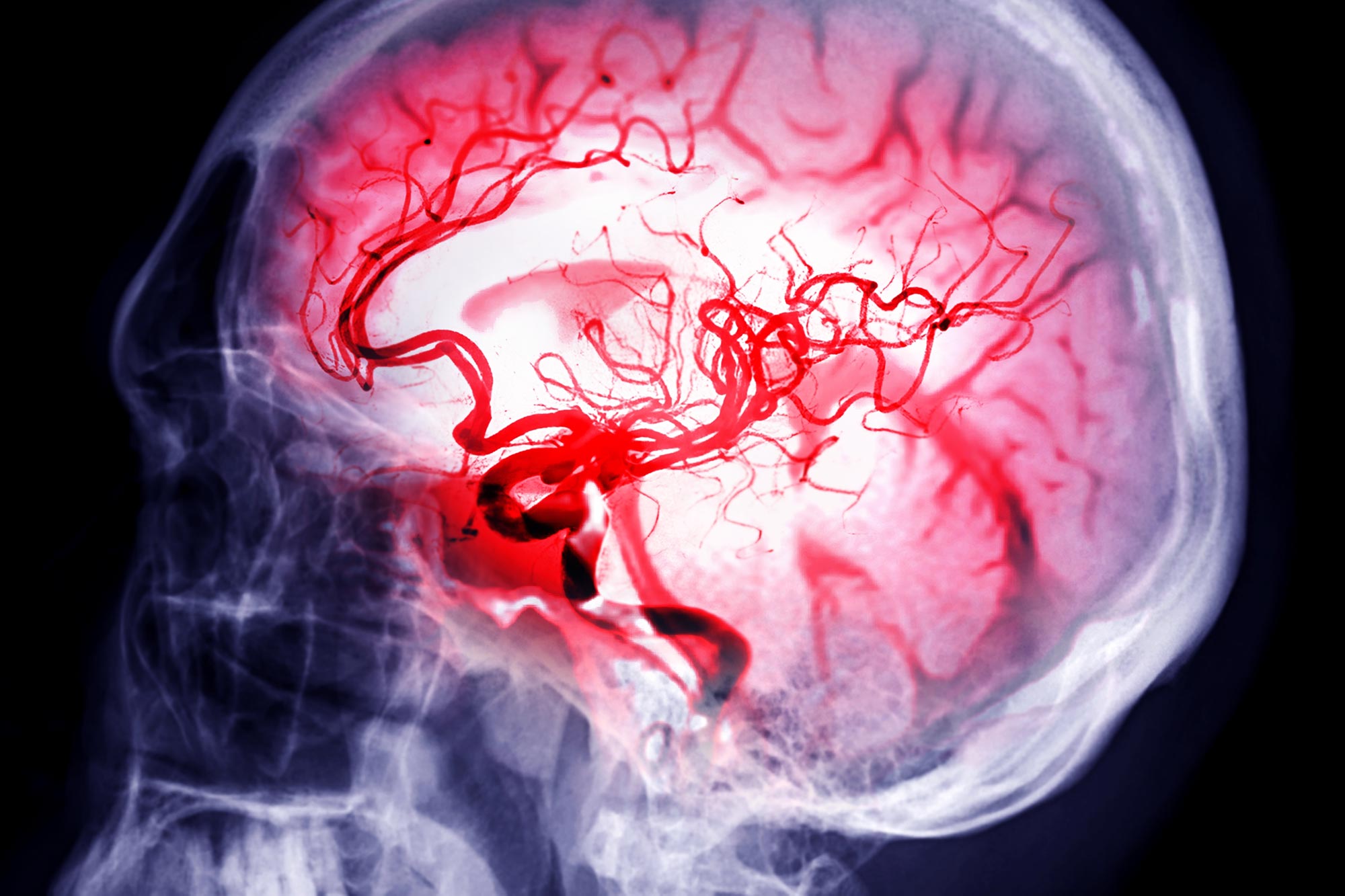
A Cleveland Clinic study found that testosterone may help limit glioblastoma growth, with supplemental testosterone linked to a 38% lower risk of death in men with the disease.
An NIH-funded study from Cleveland Clinic suggests that male hormones linked to development, including testosterone, may help slow the growth of glioblastoma, an aggressive form of brain cancer that is more common in men. Researchers found that reducing androgen hormones in a preclinical glioblastoma model accelerated tumor growth by increasing inflammation and triggering the release of stress hormones.
The team also reviewed data from more than 1,300 men with glioblastoma and found that patients receiving supplemental testosterone had significantly better survival outcomes. The findings aligned with results seen in the preclinical experiments.
“This outcome is a welcome surprise and may potentially offer a lead for new treatments for a kind of cancer that is deadlier in men,” said Anthony Letai, M.D., Ph.D., director of NIH’s National Cancer Institute (NCI).
Brain Environment Changes Researchers’ Understanding of Androgens
Because both glioblastoma and androgen hormones are more common in men, scientists have long suspected these hormones could contribute to the disease. However, earlier research had not fully examined how androgens behave within the brain’s highly specialized environment.
“The brain has evolved to keep stuff out, and that includes immune cells from elsewhere in the body. It’s a delicate tissue that often doesn’t want huge immune reactions,” said corresponding author Justin Lathia, Ph.D., a professor of cancer sciences and scientific director of the Brain Tumor Center at Cleveland Clinic.
Lathia and his team discovered that androgens help regulate protective systems in the brain differently than they do in other tissues. In mouse models of glioblastoma, lowering androgen levels overstimulated the hypothalamus-pituitary-adrenal (HPA) axis, a neuroendocrine system involved in stress responses. This led to increased stress hormone production, which encouraged certain cells to strengthen the brain’s barriers against the rest of the body.
Testosterone Loss Creates an Immunosuppressive Brain Environment
As these protective barriers became stronger, the brain developed a more immunosuppressive environment. Fewer immune cells could reach the tumors, allowing cancer growth to continue with little resistance. Researchers also noted that testosterone did not trigger the same response in female mice.
The scientists believe inflammation in the hypothalamus caused by tumors in androgen-deficient mice likely activates the HPA axis. Future studies will investigate how tumors can influence activity in a separate area of the brain.
To examine whether the same relationship exists in humans, the team analyzed clinical data from the NIH/NCI Surveillance, Epidemiology, and End Results (SEER) database. Men with glioblastoma who were taking supplemental testosterone for unrelated reasons had a 38% lower risk of death compared to those who were not receiving testosterone therapy.
Clinical Trials May Explore Testosterone Therapy for Glioblastoma
Although the results do not prove cause and effect, the researchers say the combination of observational data and preclinical findings supports the need for clinical trials in people with glioblastoma.
“An obvious follow-up study would be to find out whether androgen deprivation, which is a common treatment for cancer, is actually detrimental for glioblastoma,” Lathia said.
Reference: “Androgen loss accelerates brain tumour growth via HPA axis activation” by Juyeun Lee, Yoon-Mi Chung, Daniel J. Silver, Yue Hao, Dylan Scott Lykke Harwood, Alyssa Ealy, Amanda M. Serapiglia, Lee Curtin, Julia R. Benedetti, Christine Ann Pittman Ballard, Kamya Lapsley, Andrea Alvarez-Vazquez, Jessica Goldberg, Cathy Li, Sehaj Kaur, Rian Neal, Sabrina Z. Wang, Kristen E. Kay, Josephine Volovetz, Ellen S. Hong, R’ay Fodor, Jakub Jarmula, Michael Nicosia, Joshua B. Rubin, Kristin R. Swanson, Quinn T. Ostrom, Nikhil Panicker, Bjarne Winther Kristensen, Michael Berens, Nima Sharifi and Justin D. Lathia, 6 May 2026, Nature.
DOI: 10.1038/s41586-026-10451-5
NIH supported this research through NCI grants P01CA245705, F31CA264849, R01CA261995, R01CA236780, R01CA172382, U54CA274504, U01CA250481, and U01CA220378, National Institute on Aging (NIA) grants P30AG072959 and R00AG066862, and National Institute of Neurological Disorders and Stroke (NINDS) grant R35NS127083.
Never miss a breakthrough: Join the SciTechDaily newsletter.
Follow us on Google and Google News.