
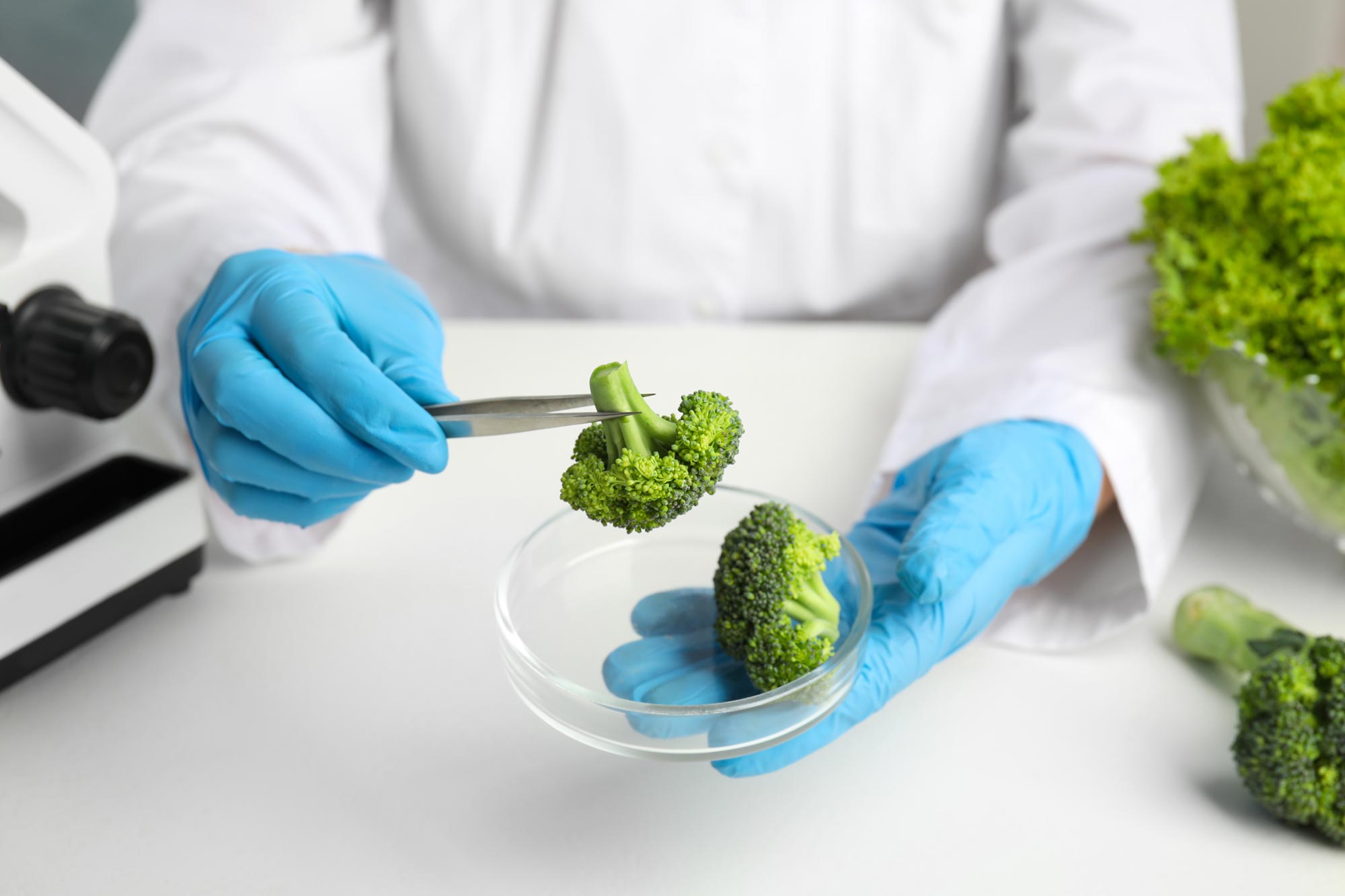
Swinburne researchers have discovered how broccoli could help treat an extremely rare and incurable disease that affects only about 200 Australians.
A naturally occurring compound in broccoli is being investigated as a possible treatment for Friedreich ataxia, a rare nervous system disease. Research from Swinburne suggests the compound can act on biological processes involved in the condition.
Friedreich ataxia develops as neurons in the brain and spinal cord deteriorate, progressively affecting movement, speech, and survival. Around 200 Australians have the disease, for which there is currently no cure.
Broccoli compound raises a key protein
The research found that sulforaphane, a natural compound present in broccoli, can raise levels of frataxin, the protein that is deficient in people with Friedreich ataxia. It also helped protect vulnerable nerve cells from damage.
Sulforaphane has also been found to affect several disease-related processes, including cellular stress and inflammation.
Children have few treatment options
Swinburne Associate Professor Faith Kwa, the study’s lead author, says the findings are particularly important because there are currently no approved treatments specifically for children, even though children account for most people affected by the disease.
“Friedreich ataxia is a devastating rare genetic disease that progressively steals a child’s ability to walk, speak, play, and ultimately survive,” she says.
“This novel therapeutic agent can target the underlying cause of the disease, while delivering an affordable and accessible therapy worldwide, improving treatment opportunities for families affected by this life-limiting disease.
“This discovery brings us closer to a future where children with Friedreich ataxia experience a better quality of life, greater independence, and an improved chance of long-term survival.”
Clinical trials are the next hurdle
Associate Professor Kwa says the rarity of Friedreich ataxia means that public awareness is limited, which can make securing research funding more difficult.
“We are hoping to gain funding to conduct clinical trials and further prove the positive impact the broccoli compound could have on those suffering from Friedreich ataxia,” she says.
“Sulforaphane already has an established safety record in children and adults, and its pure and bioactive form is commercially available. This means if clinical trials prove successful, its rollout could accelerate the path to patient impact.
“Even if we can raise awareness of this debilitating condition or improve one person’s quality of life, our efforts will have been worth it.”
Reference: “Unlocking Sulforaphane’s Potential in Friedreich Ataxia: Further Evidence from Preclinical Investigations Using Induced Pluripotent Stem Cell-Derived Sensory Neurons” by Wenyao Yang, Bruce Thompson, Sara Miellet, Marnie Maddock, Marek Napierala, Mirella Dottori and Faith A. A. Kwa, 22 February 2026, Antioxidants & Redox Signaling.
DOI: 10.1177/15230864261470377
Never miss a breakthrough: Join the SciTechDaily newsletter.
Follow us on Google and Google News.