
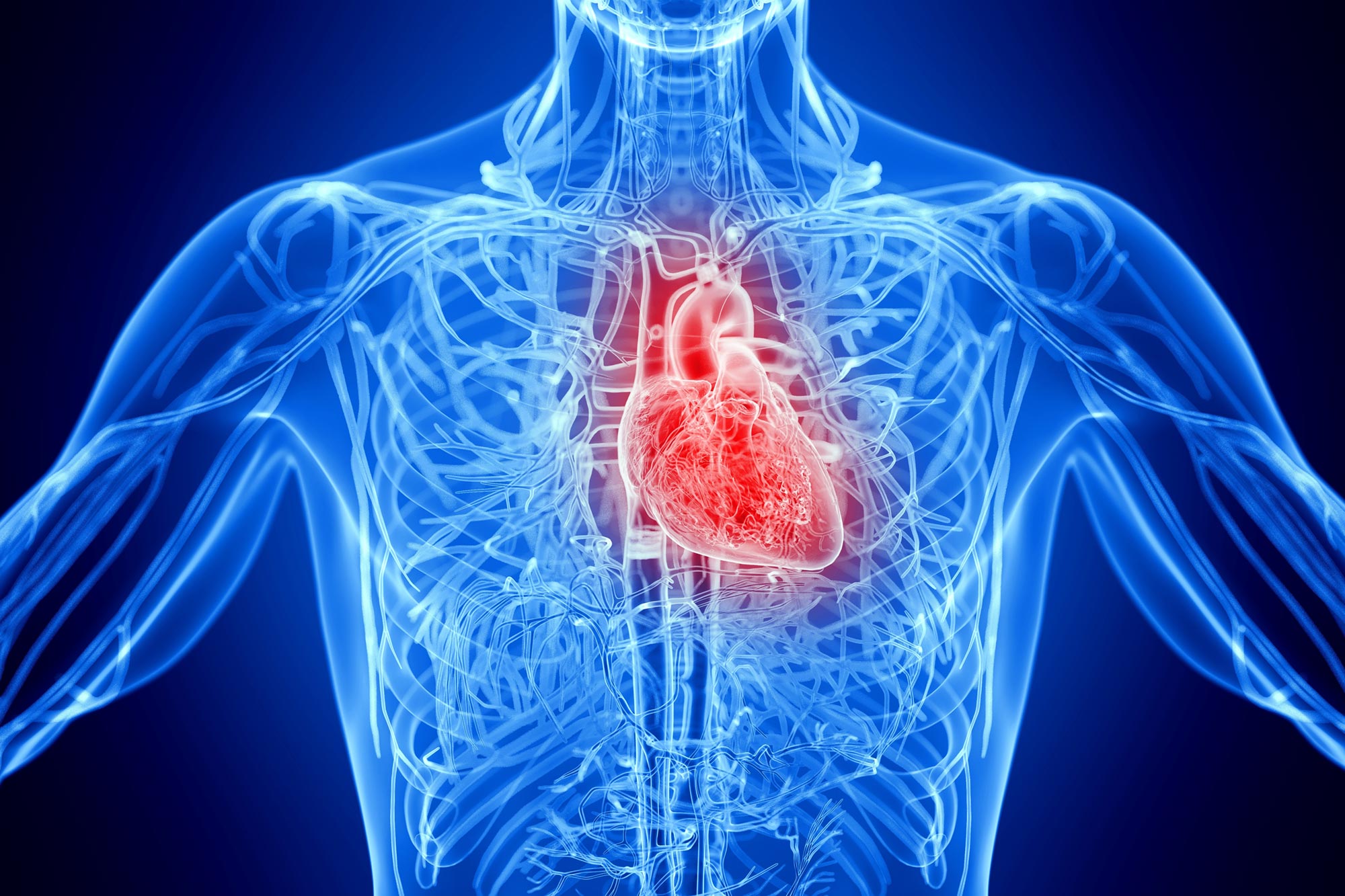
Silent changes in the heart may signal cardiovascular danger long before symptoms emerge.
The effects of chronic inflammation may be reshaping people’s hearts long before they experience any warning signs. In a study of nearly 480,000 UK adults, researchers found that higher inflammation levels were associated with thicker heart walls, smaller heart chambers, and a reduced ability of the heart to fill with blood. These changes can develop silently for years and may eventually contribute to heart failure.
People with the highest inflammation levels (the top 20%) also faced a 43% greater risk of heart attack and stroke than those with the lowest levels (the bottom 20%). The research suggests that chronic inflammation may help explain how socioeconomic disadvantage, psychological distress, and lifestyle factors become linked to cardiovascular disease.
Hidden Inflammation and the Changing Heart
Led by scientists at the MRC Laboratory of Medical Sciences (LMS) and Imperial College London, the study combined heart imaging, genetic information, and blood measurements from the UK Biobank. Researchers assessed inflammation using glycoprotein acetyls (GlycA), a blood marker associated with ongoing inflammatory activity.
Inflammation normally helps the body respond to injury and infection. When it remains active at low levels over long periods, however, it can contribute to diseases including diabetes and cancer. The new findings strengthen evidence linking persistent inflammation to changes in the heart’s structure, even in people without previously diagnosed heart disease.
Professor Declan O’Regan, British Heart Foundation Chair of Cardiovascular AI at Imperial College London and Head of the Computational Cardiac Imaging Group at the LMS, warned that “millions of people could be living with hidden inflammation, which is slowly changing their heart and causing long-term damage.”
How Social Conditions and Genetics Influence Risk
Inflammation levels were closely associated with economic disadvantage, poor mental health, smoking, and excess body fat. These relationships suggest that the conditions in which people live may influence cardiovascular health partly through prolonged immune system activity, although the observational findings cannot establish direct cause and effect.
“The surprising thing was how much social factors and mental health are linked to inflammation and damage to the heart,” O’Regan said. “There was also a strong genetic factor, with some people being naturally more resilient or susceptible to the inflammatory damage that comes from different lifestyles.”
Genetic susceptibility does not mean that heart disease is unavoidable, and the researchers emphasized that inflammation can be addressed through preventive measures. “But while tackling health inequalities remains an issue, there are things that we can do about inflammation, including reducing risk factors like smoking and obesity,” O’Regan added.
Could Inflammation Become a Target for Heart Disease Prevention?
The researchers identified inflammatory proteins from the interleukin-1 and TNF families as possible contributors to structural heart damage. Some of these proteins are already being targeted by drugs in clinical trials, suggesting that treatments designed to reduce specific inflammatory processes could eventually help protect the heart before symptoms develop.
Professor Bryan Williams, Chief Scientific and Medical Officer at the British Heart Foundation, said: “Inflammation is part of the body’s healing process, but there is also a darker side to it. This large-scale study found people with higher levels of inflammation experienced silent changes to the structure of their hearts and had a higher risk of major cardiac events, including heart attacks and strokes.”
“The research provides valuable insights into how our genes and lifestyle factors, such as smoking, poor mental health and socioeconomic status, can converge to trigger inflammation. It also identifies several inflammatory proteins that appear to play a key role in the heart changes linked to chronic inflammation, and it is to be hoped that anti-inflammatory medicines could become an important tool in preventing cardiovascular disease.”
Identifying Heart Damage Before Symptoms Appear
The findings also point toward a potential strategy for earlier detection. Combining inflammation blood tests with genetic risk scores could help identify people who are particularly susceptible to cardiovascular damage and may benefit from preventive treatment. Further studies will be needed to establish whether targeting the identified inflammatory pathways can prevent heart damage and reduce cardiovascular events.
“These findings reinforce the importance of tackling the causes of inflammation and poor cardiovascular health, while also supporting people to make lifestyle changes that can help protect their hearts,” Williams said.
Reference: “Gene–environment interactions shape cytokine-mediated inflammation and cardiovascular risk” by Mattia Corianò, Shamin Tahasildar, Ling Huang, Khaled Rjoob, Majid Vafaeezadeh, Soodeh Kalaie, Jin Zheng, Lara Curran, Parisa Gifani, Marc-Emmanuel Dumas and Declan P O’Regan, 18 September 2026, European Journal of Preventive Cardiology.
DOI: 10.1093/eurjpc/zwag435
The study was funded by the Medical Research Council and British Heart Foundation.
The work was also supported by the NIHR Imperial Biomedical Research Centre, a translational research partnership between Imperial College Healthcare NHS Trust and Imperial College London.
Never miss a breakthrough: Join the SciTechDaily newsletter.
Follow us on Google and Google News.
1 Comment
In the early 1900s American industrialist John D. Rockefeller did a great disservice to humanity. He instigated a conspiracy to reorient mainstream medicine from prevention and cures to perpetual treatments, for profits (“Murder by Injection,” Eustace Mullins, 1988). Too successful, by the time then renowned American immunologist Arthur F. Coca identified, studied and reported on a (my) kind of sub-acute non-IgE-mediated food (minimally) allergies (https://www.seleneriverpress.com/historical/nonreaginic-allergy-in-theory-and-practice/), by 1935, Dr. Coca’s findings were largely ignored; woe to the world. Also not yet factored-in to the UK Biobank study, since Dr. Coca’s time the US FDA has approved at least a few toxic food additives (soy, tBHQ and added MSG, minimally) which can aggravate (extend and/or intensify) my kind of food allergy reactions to turn them from brief (about six to twelve hours), and practically harmless individual, to chronic and potentially deadly, long term. Whether inherited or acquired, my kind of allergy reactions can also result in higher blood serum levels of uric acid (which may crystallize inside of cardiovascular tissues) and free radicals.