
Close Menu
    Facebook X (Twitter) Instagram
    SciTechDaily
    • Biology
    • Chemistry
    • Earth
    • Health
    • Physics
    • Science
    • Space
    • Technology
    Facebook X (Twitter) Pinterest YouTube RSS
    SciTechDaily
    Home»Health»Low-Dose Aspirin Use for Heart Disease May Reduce Likelihood of COVID-19 Infection
    Health

    Low-Dose Aspirin Use for Heart Disease May Reduce Likelihood of COVID-19 Infection

    By Bar-Ilan UniversityMarch 28, 2021No Comments3 Mins Read
    Facebook Twitter Pinterest Telegram LinkedIn WhatsApp Email Reddit
    Share
    Facebook Twitter LinkedIn Pinterest Telegram Email Reddit
    Aspirin Heart Disease
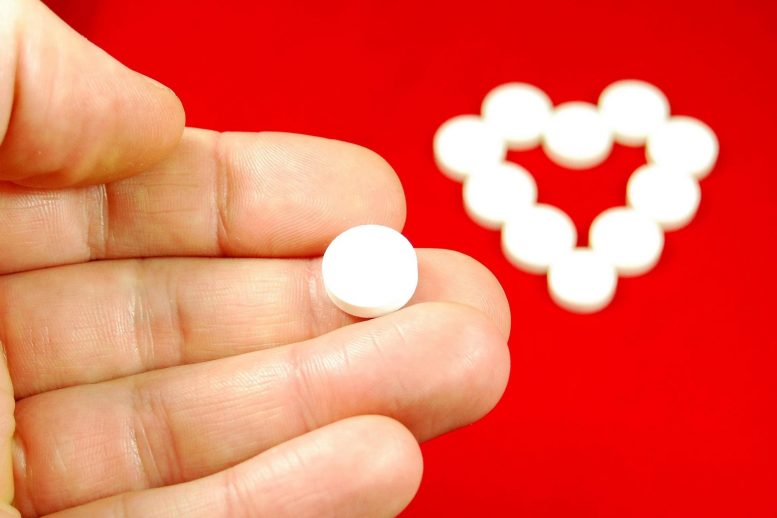
    The observation of potential benefits from low doses of aspirin on COVID-19 infection is preliminary but appears promising.

    People who took low-dose aspirin had fewer COVID infections and recovered faster. 

    Aspirin is an established, safe, and low-cost medication in long-standing common use in the prevention and treatment of cardiovascular diseases, and in the past a pain relief and fever-reducing medication. The use of aspirin was very popular during the 1918 Spanish Influenza pandemic, several decades before in-vitro confirmation of its activity against RNA viruses. Studies showed that aspirin, in addition to its well-known anti-inflammatory effects, could modulate the innate and adaptive immune responses helping the human immune system battle some viral infections.

    With this information in mind Israeli researchers hypothesized that pre-infection treatment with low-dose aspirin (75mg) use might have a potential beneficial effect on COVID-19 susceptibility and disease duration. A joint team from Leumit Health Services, Bar-Ilan University, and Barzilai Medical Center conducted an observational epidemiological study, utilizing data from Leumit Health Services, a national health maintenance organization in Israel. Their findings were recently published in The FEBS Journal.

    The researchers analyzed data of 10,477 persons who had been tested for COVID-19 during the first COVID-19 wave in Israel from February 1, 2020 to June 30, 2020. Aspirin use to avoid the development of cardiovascular diseases in healthy individuals was associated with a 29% lower likelihood of COVID-19 infection, as compared to aspirin non-users. The proportion of patients treated with aspirin was significantly lower among the COVID-19-positive individuals, as compared to the COVID-19-negative ones. And those subjects who had been treated with aspirin were less associated with the likelihood of COVID-19 infection than those who were not. Moreover, the group observed that the conversion time of SARS-CoV-2 PCR test results from positive to negative among aspirin-using COVID-positive patients was significantly shorter, and the disease duration was two-three days shorter, depending upon the patients’ pre-existing conditions.

    “This observation of the possible beneficial effect of low doses of aspirin on COVID-19 infection is preliminary but seems very promising,” says Prof. Eli Magen from the Barzilai Medical Center, who led the study.

    Study principal investigator Dr. Eugene Merzon, from Leumit Health Services, emphasizes the importance of repeating the study results using larger samples, and including patients from other hospitals and countries, to verify the results.

    Dr. Milana Frenkel-Morgenstern, of the Azrieli Faculty of Medicine of Bar-Ilan University: “The present study sought to better understand the potential favorable effects of aspirin in aiding the human immune system battle COVID-19. We intend to investigate a larger cohort of patients and in randomized clinical trials.”

    Reference: “The use of aspirin for primary prevention of cardiovascular disease is associated with a lower likelihood of COVID‐19 infection” by Eugene Merzon, Ilan Green, Shlomo Vinker, Avivit Golan‐Cohen, Alessandro Gorohovski, Eva Avramovich, Milana Frenkel‐Morgenstern and Eli Magen, 23 February 2021, FEBS Journal.
    DOI: 10.1111/febs.15784

    Never miss a breakthrough: Join the SciTechDaily newsletter.
    Follow us on Google and Google News.

    Bar-Ilan University Cardiology COVID-19 Heart Infectious Diseases Public Health
    Share. Facebook Twitter Pinterest LinkedIn Email Reddit

    Related Articles

    COVID-19 Infections Increase Risk of Serious Heart Conditions Up to a Year Later

    Pick Up the Pace! Slow Walkers Almost Four Times More Likely to Die From COVID-19

    Research Reveals How COVID-19 Can Kill Heart Muscle Cells, Interfere With Contraction

    Heart Damage Found in More Than Half of COVID-19 Patients Discharged From Hospital

    Just a Single Dose of COVID-19 Vaccine Provokes Strong Immune Response in Those Previously Infected

    Cardiac Ultrasounds Show Damaging Impact of COVID-19 on the Heart

    Aspirin Use Significantly Reduces Risk of Death in Hospitalized COVID-19 Patients

    COVID-19’s Impact on the Heart – An In-Depth Look

    Doctors Shocked by Heart Damage in COVID-19 Patients – Unique Pattern of Cell Death Revealed by Autopsies

    Leave A Reply Cancel Reply

    • Facebook
    • Twitter
    • Pinterest
    • YouTube

    Don't Miss a Discovery

    Subscribe for the Latest in Science & Tech!

    Trending News

    New Pill Lowers Stubborn Blood Pressure and Protects the Kidneys

    Humans May Have Hidden Regenerative Powers, New Study Suggests

    Scientists Just Solved the Mystery of Why Crabs Walk Sideways

    Doctors Are Surprised by What This Vaccine Is Doing to the Heart

    This Popular Supplement May Boost Your Brain, Not Just Your Muscles

    Scientists Say This Simple Supplement May Actually Reverse Heart Disease

    Warming Oceans Could Trigger a Dangerous Methane Surge

    This Simple Movement Could Be Secretly Cleaning Your Brain

    Follow SciTechDaily
    • Facebook
    • Twitter
    • YouTube
    • Pinterest
    • Newsletter
    • RSS
    SciTech News
    • Biology News
    • Chemistry News
    • Earth News
    • Health News
    • Physics News
    • Science News
    • Space News
    • Technology News
    Recent Posts
    • AI Learns To Work Backward and Reveal Hidden Forces in Nature
    • Scientists Warn of Rising Male Childlessness As Global Fertility Changes
    • New Discovery Challenges Decades-Old Theory of DNA Damage and Aging
    • Scientists Just Rewrote Biology: “Hidden” Mechanism Could Transform Diabetes Treatment
    • Scientists Solve 320-Million-Year Mystery of Reptile Skin Armor
    Copyright © 1998 - 2026 SciTechDaily. All Rights Reserved.
    • Science News
    • About
    • Contact
    • Editorial Board
    • Privacy Policy
    • Terms of Use

    Type above and press Enter to search. Press Esc to cancel.