
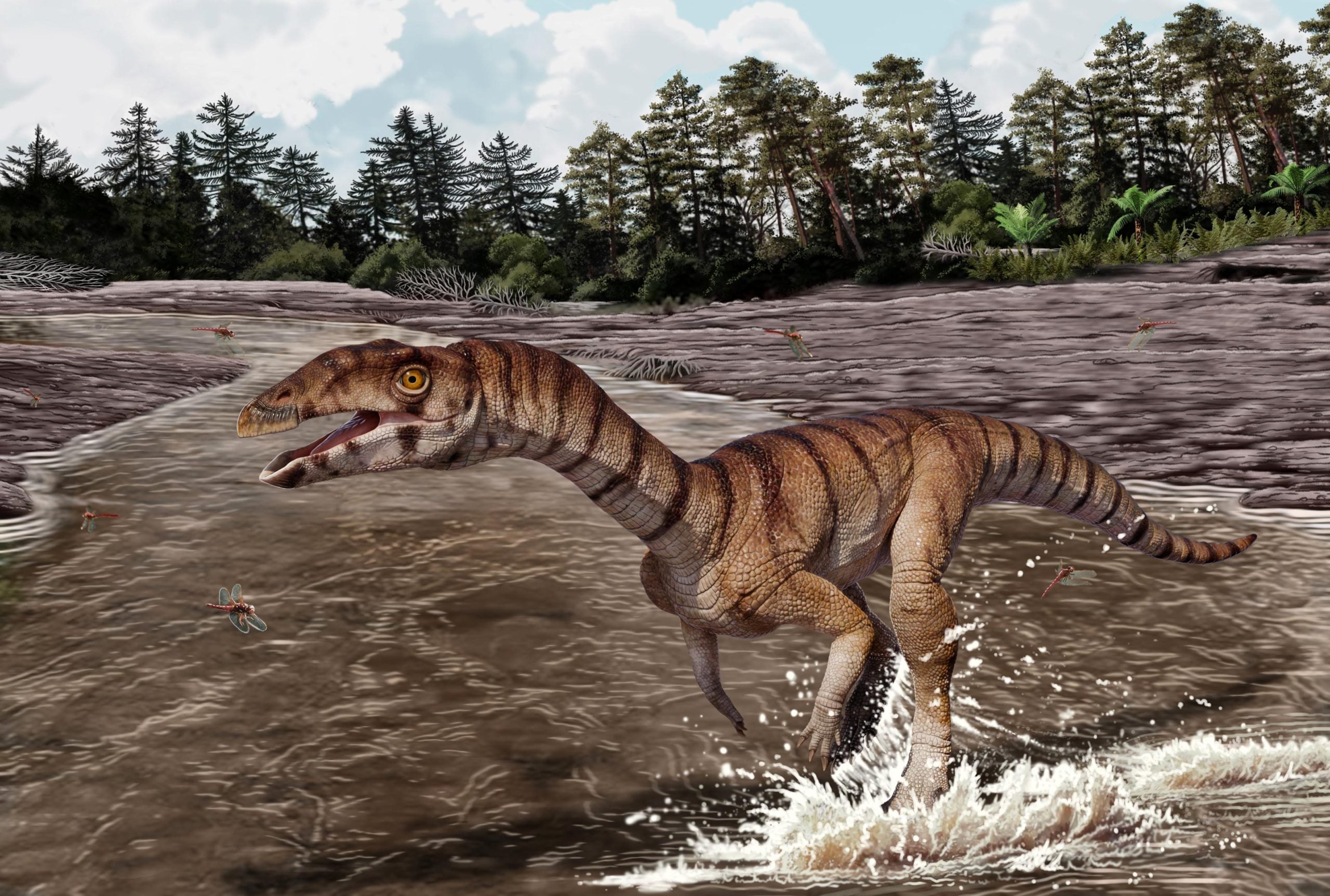
A newly discovered crocodile relative from the Triassic had a beak, tiny arms, and walked on two legs, making it look more like an ostrich-like dinosaur than a crocodile.
During the Triassic Period, the ancestors of many modern animal groups were branching into an astonishing variety of shapes and lifestyles. Evolution was experimenting with body plans that often resemble familiar animals today, even though those ancient creatures belonged to very different lineages.
One striking new example is Labrujasuchus expectatus.
Described in the Journal of Vertebrate Paleontology, this newly identified reptile had a body shape that would seem more at home among ostrich-like dinosaurs than crocodile relatives. Yet despite its appearance, Labrujasuchus belonged to the archosaur lineage that eventually gave rise to modern crocodiles.
Unlike today’s crocodilians, which are four-legged predators with powerful jaws and plenty of teeth, Labrujasuchus moved on two legs, had tiny forelimbs, and possessed a toothless beak. In many ways, it looked about as different from a crocodile as possible.
As the researchers note, when it comes to the Triassic, surprises are the norm.
A World Filled With Evolutionary Experiments
The Triassic was home to an extraordinary collection of reptiles that often seem almost alien by modern standards.
Among them were lagerpetids, close relatives of dinosaurs whose descendants would eventually evolve into flying pterosaurs. There was also the unusual tree-dwelling Drepanosaurus, which sported a large claw reminiscent of a tree sloth’s and an additional claw on its prehensile tail. Another resident of this strange world was Vancleavea, an armored aquatic reptile sometimes compared to a miniature tank.
Into this landscape stepped Labrujasuchus expectatus, the newest known member of Shuvosauridae. This small group consisted of crocodile relatives whose body plans closely resembled those of bipedal theropod dinosaurs, complete with reduced forelimbs.
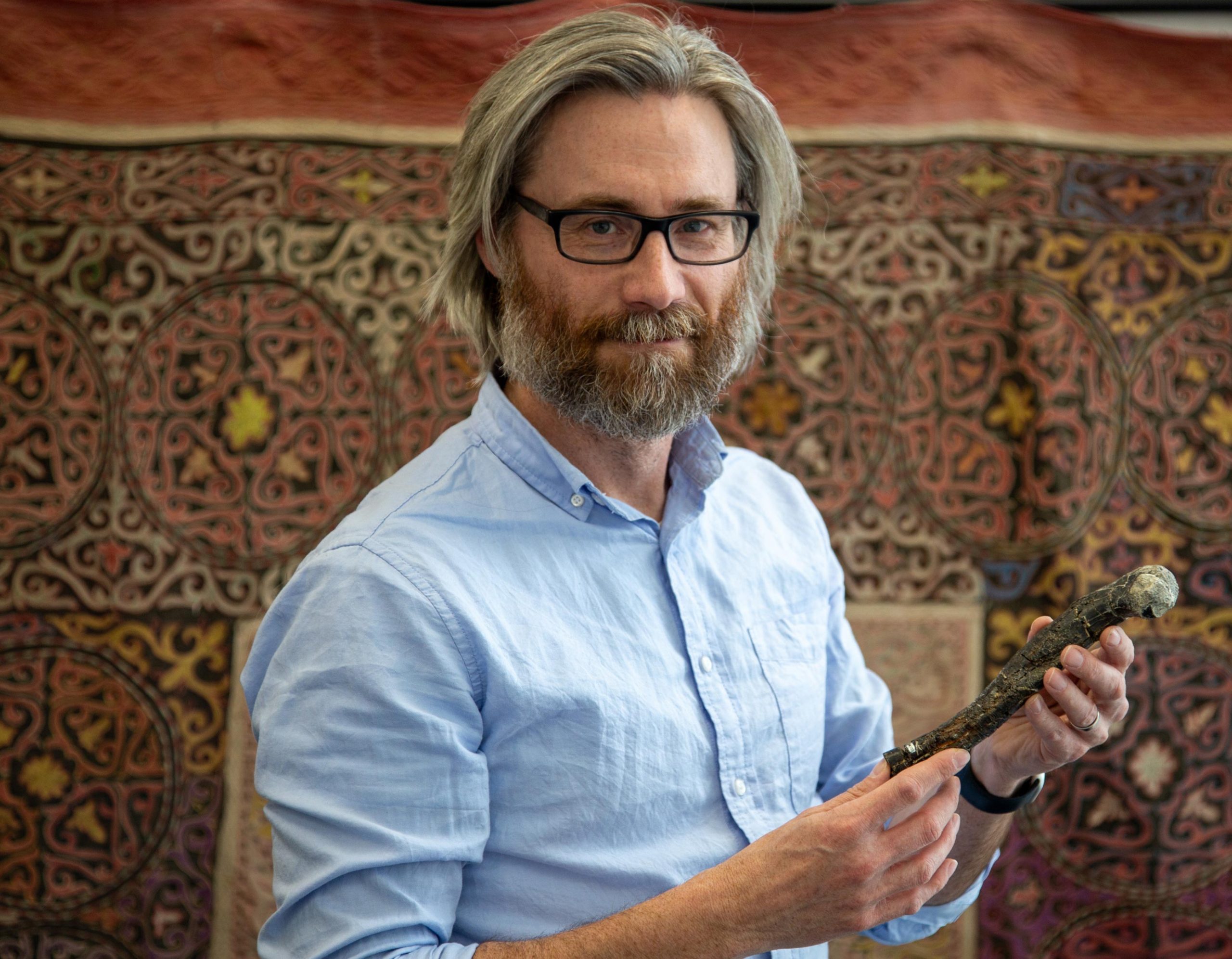
“We see a lot of the successful strategies for modern animals and non-avian dinosaurs first arise in the Triassic, and shuvosaurs are a great example of that convergent evolution,” says Dr. Alan Turner, lead author on the paper. “Bipedalism is certainly a unique path for crocodile relatives to take, but it’s a path well-trod by dinosaurs and later birds. It obviously worked for these animals.”
Filling an Evolutionary Gap
Only five shuvosaur species have been identified so far, making the discovery particularly significant.
Researchers say Labrujasuchus expectatus helps bridge a gap between two previously known shuvosaur species from the same region. Based on those earlier finds, paleontologists suspected that intermediate species likely existed and were waiting to be discovered.
That expected but previously missing fossil inspired the species name expectatus.
The genus name Labrujasuchus also reflects local history. It combines a reference to “Ranchos de los Brujos,” an old Spanish name for Ghost Ranch that translates to Ranch of the Witches, with the Greek word Σοῦχος (suchus), meaning “crocodile.”
“Legend has it, the local rancheros gave the site the name ‘Ranchos de Los Brujos’ to keep folks away from the cattle-rustling operations of the Archuleta brothers,” says Dr. Nate Smith, co-author and Gretchen Augustyn Director & Curator of the NHMLAC Dinosaur Institute. “We wanted to give a nod to that colorful history, and honor the incredible role Ghost Ranch has played in expanding our view of the Triassic. We also wanted to highlight how the fossil record works—finding one shuvosaur from earlier in the Triassic and one from later meant that we paleontologists knew there were probably more from in-between waiting to be discovered and described.”
Ghost Ranch Continues To Reveal Triassic Secrets
Although the Triassic can feel like a completely different world, many of the evolutionary experiments that occurred during that time foreshadowed body plans and lifestyles that later became successful in other groups of animals.
Studying these ancient ecosystems helps scientists better understand how life evolved and provides valuable context for the modern species that inhabit Earth today, many of which face growing environmental pressures.
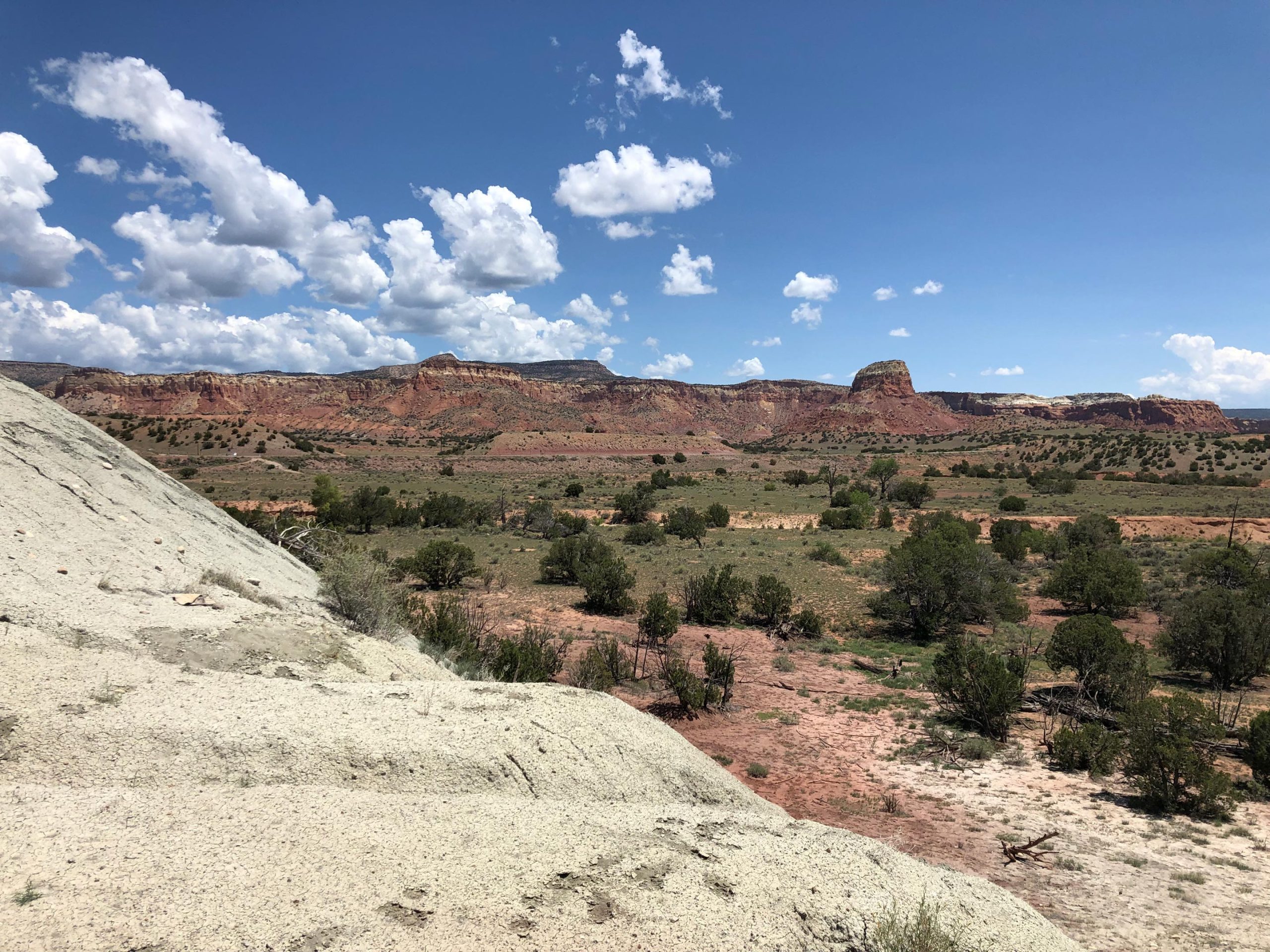
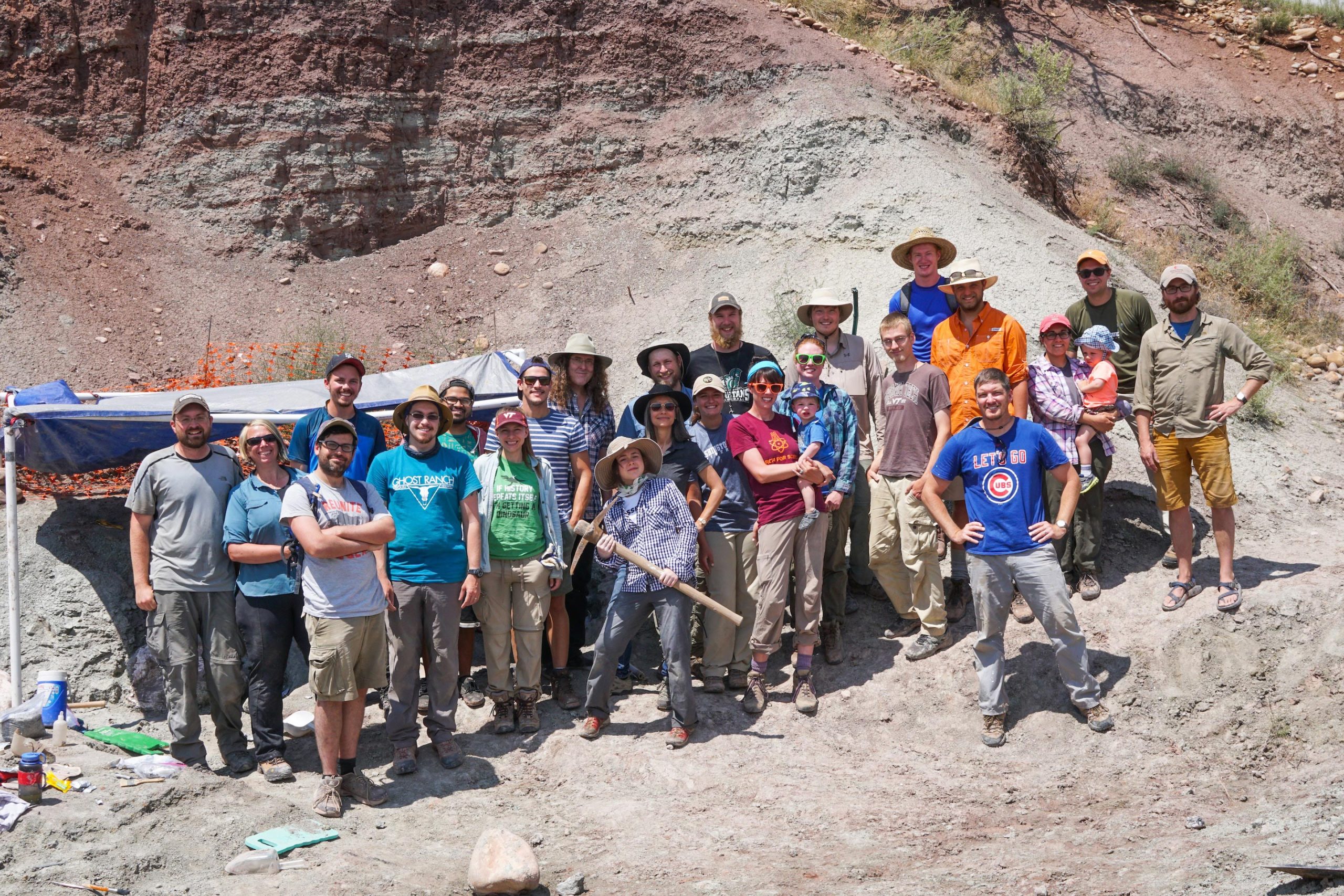
Few places offer a clearer window into that distant past than Ghost Ranch in New Mexico. The site contains four major fossil quarries that have been excavated for decades and continues to yield some of the best-preserved Triassic fossils ever discovered.
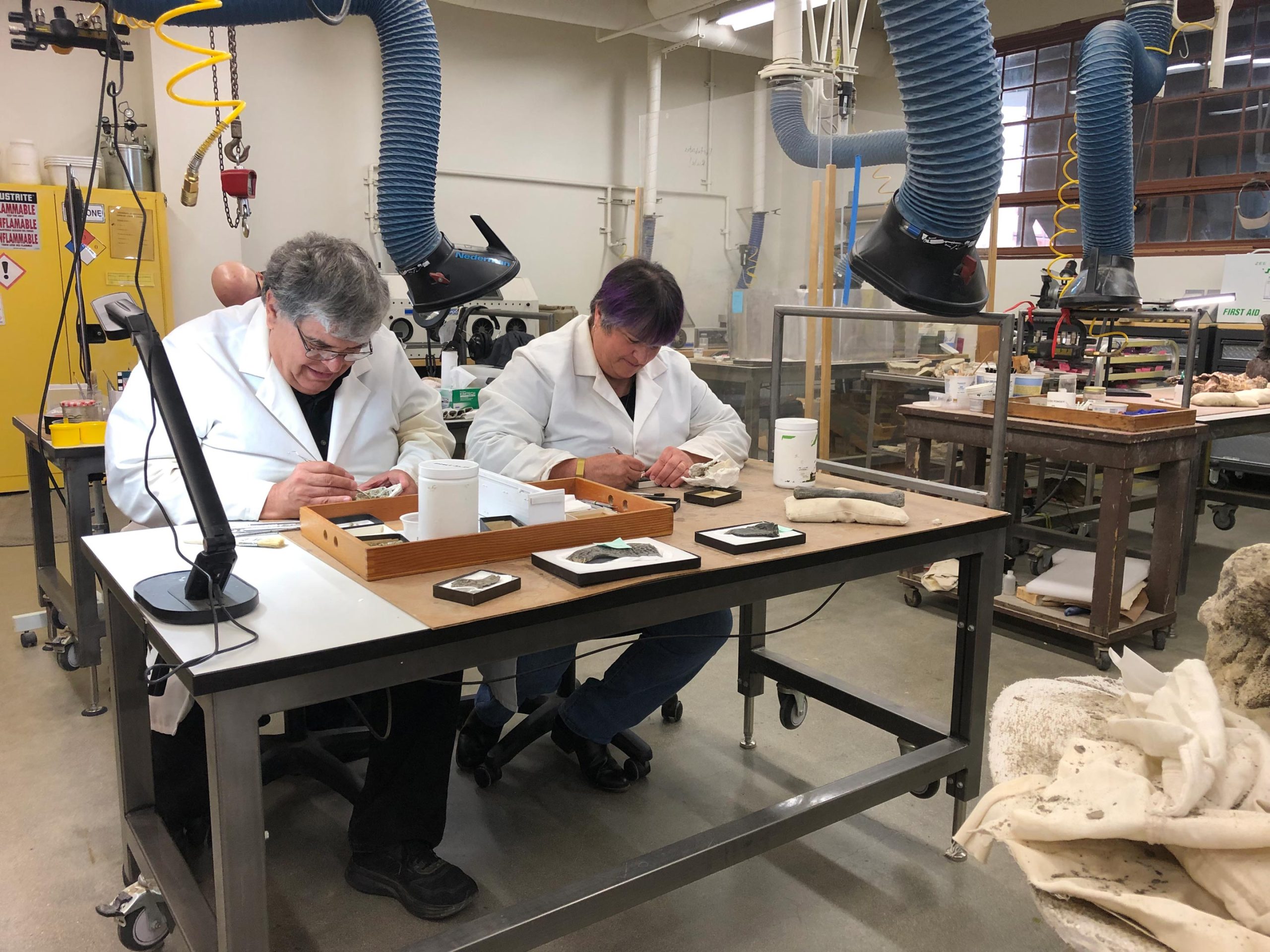
“This summer is the 20th anniversary of Nate and his colleagues coming out to do excavations at Ghost Ranch, and we’re so proud to play a central role in making that incredible research possible,” says Joanne Lefrak, Director of Experience and Social Impact at the Ghost Ranch Education and Retreat Center, where teams of paleontologists and volunteers are hosted each summer. “Whether visitors are seeking its iconic landscape and spiritual healing or digging into ancient history, Ghost Ranch is a place like nowhere else on the planet. We’re looking forward to collaborating with Dr. Turner, Dr. Smith, and all their colleagues to continue sharing this extraordinary place for years to come.”
Ghost Ranch, famous for the dramatic landscapes featured in many of Georgia O’Keeffe’s paintings, remains the focus of a long-term excavation effort. The ongoing project, co-led by Dr. Smith through the NHMLAC Dinosaur Institute, continues to uncover Late Triassic animals from the Hayden Quarry, adding new pieces to the story of one of Earth’s most unusual eras.
Reference: “A new shuvosaurid (Archosauria, Poposauroidea) from the Late Triassic (Norian) Hayden Quarry of New Mexico, U.S.A.” by Alan H. Turner, Ciara E. Kernan, Adam Laing, Adam C. Pritchard, Michelle R. Stocker, Randall B. Irmis, Nathan D. Smith, Sarah Werning and Sterling J. Nesbitt, 26 May 2026, Journal of Vertebrate Paleontology.
DOI: 10.1080/02724634.2026.2618182
Never miss a breakthrough: Join the SciTechDaily newsletter.
Follow us on Google and Google News.