
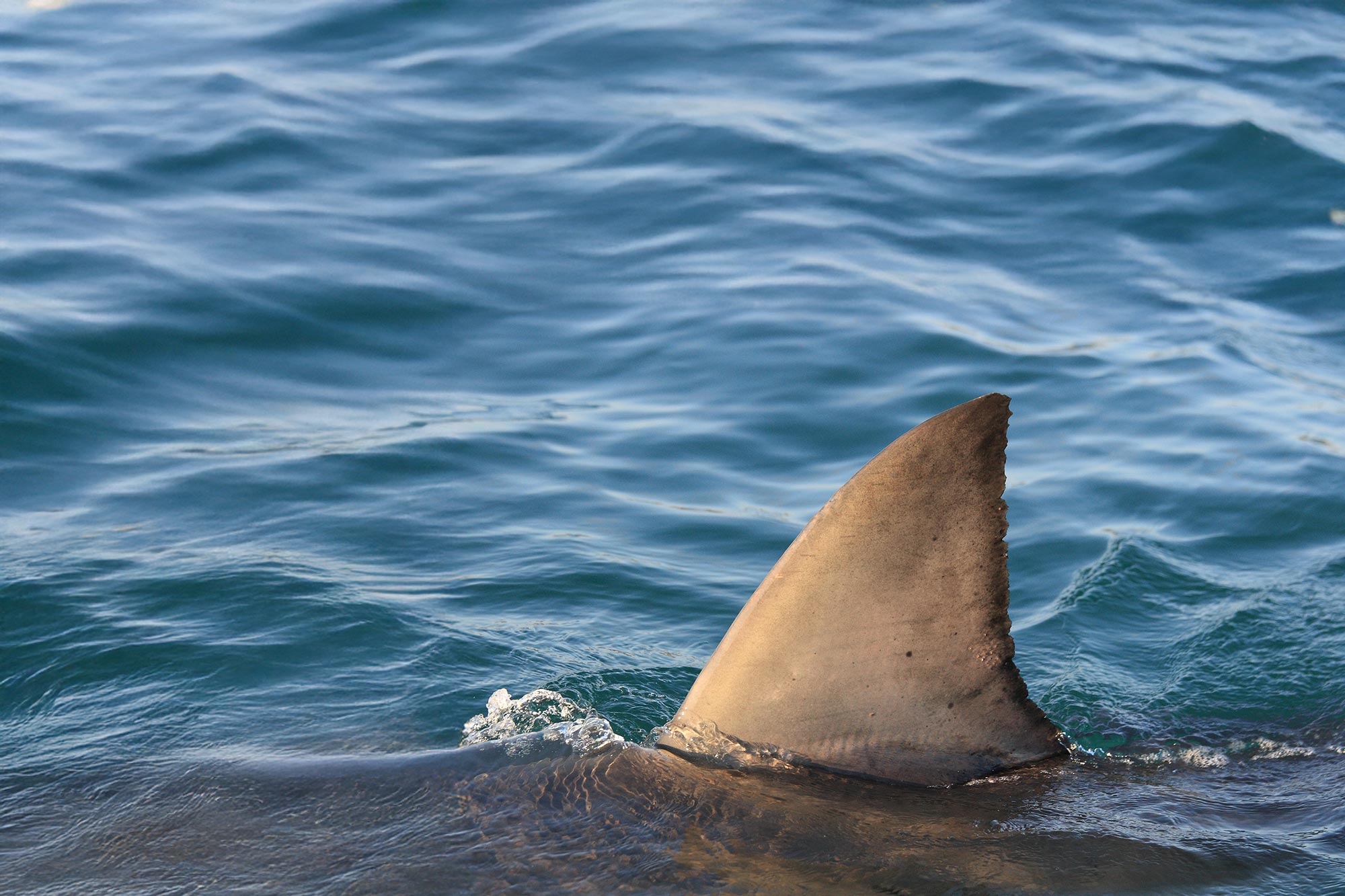
The critically endangered whitefin swellshark, a little-known deep-sea species, faces a grim future as climate change threatens to wipe out most of its habitat.
A new study predicts that up to 70% of its current range will become uninhabitable within 75 years. While a potential refuge may exist in the Great Australian Bight, the sharks will have to migrate vast distances to reach it — if they can survive the journey.
Climate Change Threatens Endangered Shark
A critically endangered shark species may need to find new habitats — or risk extinction — due to climate-driven changes in the ocean, according to a new study.
The whitefin swellshark (Cephaloscyllium albipinnum), a deep-water catshark native to Australia’s southern and eastern coasts, faces an uncertain future. While its exact population size is unknown, the International Union for Conservation of Nature (IUCN) has classified it as Critically Endangered for years, largely due to fishing-related declines.
Drastic Habitat Loss Predicted
Researchers at the University of Plymouth warn that rising sea temperatures and changes in ocean chemistry, expected by the end of the century, could further threaten the species by shrinking its suitable habitat.
Using a range of computer modeling, which accounted for the species’ favored habitats and forecast ocean conditions, researchers found that up to 70% of currently suitable habitats will be lost over the next 75 years. There is predicted to be an area within the Great Australian Bight that could offer whitefin swellshark populations refuge, with favourable ocean conditions and sources of the food they need to survive.
A Long Journey for Survival
The only challenge with that, based on current knowledge of the species’ whereabouts, are that the sharks – which grow to around 1.1 meters long – may need to move anywhere between 70km and 1100km in order to reach their potential new home. And it is likely they will not be the only species seeking refuge in the area, with a number of other marine species also likely to be forced to migrate polewards as they look to leave areas impacted by climate change.
Writing in the journal PeerJ, the researchers say the vulnerability of the species to the future effects of climate change is clear. However, they do believe there is cause for hope, with Australia being one of the world’s more proactive nations when it comes to implementing conservation measures and management strategies, such as marine protected areas (MPAs).
A Scientist’s Call for Urgent Action
The study was carried out by Kerry Brown, a BSc (Hons) Marine Biology and Oceanography graduate from the University of Plymouth, as part of her undergraduate dissertation. She said: “Most people will probably have never seen them, but whitefin swellsharks are an incredibly pretty species. However, despite them being listed as critically endangered, we actually know very little about their behavior given its habitats are deep in the ocean. What we do know is that they have been on our planet for a very long time, so will have had to adapt to changes in their environment before. However, the threat to their future survival now is very real unless we take urgent steps to protect them.”
Conservation Efforts and Future Challenges
Dr. Robert Puschendorf, Associate Professor in Conservation Biology at the University of Plymouth, supervised the study and previously spent a decade working in Australia.
He added: “We have seen species move into different areas of the ocean in the past, so that offers some sense of hope for the whitefin swellshark. And the marine protected areas along the Australian coast are certainly a positive factor, although whether they are in the right place for this particular species is another matter. However, it does show the authorities in the region have the willingness and means to take action. The challenges faced by this – and other – species are now very different to what they may have encountered in the past, when you consider there are now very few parts of the planet that humans haven’t damaged in some way. But our study shows we are potentially in a position where we can do something about it.”
Reference: “Future climate-driven habitat loss and range shift of the Critically Endangered whitefin swellshark (Cephaloscyllium albipinnum)” by Kerry Brown and Robert Puschendorf, 20 February 2025, PeerJ.
DOI: 10.7717/peerj.18787
Never miss a breakthrough: Join the SciTechDaily newsletter.
Follow us on Google and Google News.
5 Comments
Now peope are finally listening to what Jacques Cousteau, Native Aborigines or Ingenes People, Biologists, Conservationists, Naturalists, Botanists,Wildlife Photograohers, entomologist, conservation groups said 30 40, 50 years ago. Now if The Rich Elite around the world, politicians, Politicians unfortunately like Trump and Musk !!!. Would open their stupid eyes and ignorant brains !!!! Before it’s too late !!!! If we had more people like Old World Religions — stewarted by women,Stefanie Powers, William Holden, Jacques Cousteau, John Denver concerning our world and environment. The world would be a much better place. 🙏🙏🙏🙏🙏🕊🕊🕊🕊🕊🕊🦍🐺🦊🦝🐅🐆🦓🦌🦬🐪🐫🐐🦒🦙🐘🦣🦏🦛🦜🦩🐧🦤🐋🐬🦭🐟🦈🪸🦑🦐🦞🦀🐙🦋🌲🌲🌲🌳🌴🌵🪺🪺
“Climate Change Threatens Endangered Shark:
While its exact population size is unknown, the International Union for Conservation of Nature (IUCN) has classified it as Critically Endangered for years, largely due to fishing-related declines”
so..it wasn’t climate change that threatened the shark it was over fishing. typical D writing.
Please take care of the sea animals so they can live. Thank you
Protect the sea & the inhabitants. Thank you
The sea & its creatures are in trouble their habitat is being destroyed. We are their voice. High officials need to step up and provide the vital protection they deserve & desperately need !!! NOW! Our votes keep you in office. Thank you