
Research Uncovers How Fungus Delivers RNA Weaponry
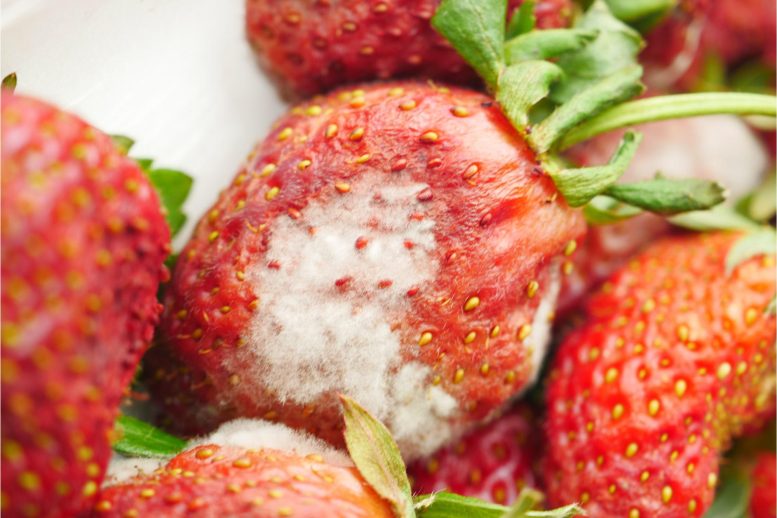
Gray mold, the culprit behind billions in annual crop losses by infecting a wide variety of fruits and vegetables including berries and tomatoes, has been a persistent problem for farmers. Now, a new method has been discovered by researchers to combat this mold without the need to shower the crops in toxic chemicals.
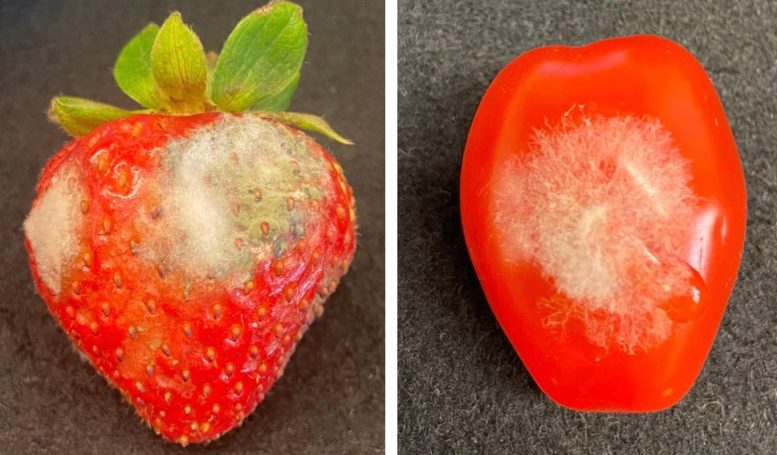
If you’ve ever encountered a strawberry covered in a fuzzy gray substance, you’ve witnessed the effects of gray mold. This formidable fungus impacts more than 1,400 types of plants, and until now, there hasn’t been an effective cure. The key to controlling it might lie in the discovery of lipid “bubbles” secreted by the mold cells, a feature that some scientists had previously overlooked as unimportant.
A New Understanding of Extracellular Vesicles
In fact, new UC Riverside research shows these bubbles are essential for communications between pathogens and their hosts, including many types of fungi, as well as bacteria and mammals. In this case, the researchers found that gray mold has learned how to use the bubbles to achieve successful infections.
“Because they are hard to isolate and study, the important functions of these lipid bubbles, also called extracellular vesicles, have been overlooked for decades,” said Hailing Jin, UCR professor of microbiology and plant pathology, who led the research project.
“Now we know the mold, just like its plant hosts, also uses extracellular vesicles to protect and deliver what amount to weapons — small RNA molecules that silence genes involved in plants’ immune systems,” Jin said.
This finding is detailed in the journal Nature Communications, where the researchers not only show that gray mold secretes virulent RNA in these lipid-based bubbles but that a particular protein is key to the mold’s ability to produce the bubbles.
The protein, tetraspanin, appears on the surface of the bubbles. The researchers found that if they eliminated the mold’s ability to make tetraspanin, the mold’s ability to secrete and deliver the bubbles was largely reduced.
“If we knock out this key component of the vesicles, we can attenuate their ability to deliver the weapons of small RNAs or other molecules that suppress host immunity,” Jin said.
RNA Fungicides: A Safer Alternative to Chemicals
Previously, the same research team also identified genes that allow the fungus to produce small RNA molecules. Knocking out those genes, as well as the ones that allow the fungus to make tetraspanin, would enable a new generation of “RNA fungicides” that inhibit grey mold disease.
“Everything has RNA in it, and it is easily digested by humans and animals. RNA can be degraded quickly in the environment and wouldn’t leave any toxic residues,” Jin said. Currently, the main treatments for gray mold are fungicides and these chemicals can negatively impact human and animal health and our environment.”
Gray mold is the second most damaging fungus for food crops in the world, preceded only by the rice pathogen Magnaporthe. An eco-friendly fungicide based on RNA, which attacks the ability to secrete extracellular vesicles may also be effective against Magnaporthe, and other fungal pathogens.
“With the climate changing so fast, many fungal infections can get worse. We are excited to develop new eco-friendly methods of protecting the global food supply that may be so widely applicable,” Jin said.
Reference: “Fungal small RNAs ride in extracellular vesicles to enter plant cells through clathrin-mediated endocytosis” by Baoye He, Huan Wang, Guosheng Liu, Angela Chen, Alejandra Calvo, Qiang Cai and Hailing Jin, 20 July 2023, Nature Communications.
DOI: 10.1038/s41467-023-40093-4
Never miss a breakthrough: Join the SciTechDaily newsletter.
Follow us on Google and Google News.