
Close Menu
    Facebook X (Twitter) Instagram
    SciTechDaily
    • Biology
    • Chemistry
    • Earth
    • Health
    • Physics
    • Science
    • Space
    • Technology
    Facebook X (Twitter) Pinterest YouTube RSS
    SciTechDaily
    Home»Health»Inhibition of MicroRNAs in Mice Can Attenuate Cardiovascular Stress
    Health

    Inhibition of MicroRNAs in Mice Can Attenuate Cardiovascular Stress

    By SciTechDailySeptember 26, 2012No Comments2 Mins Read
    Facebook Twitter Pinterest Telegram LinkedIn WhatsApp Email Reddit
    Share
    Facebook Twitter LinkedIn Pinterest Telegram Email Reddit
    cardiac-hypertrophy-mice
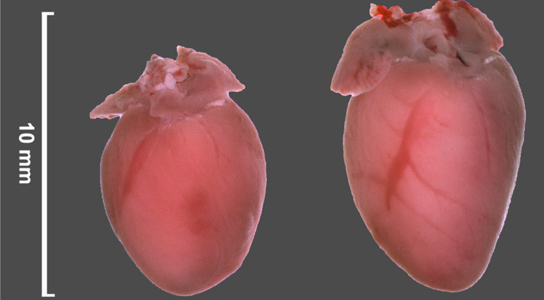
    Normal mouse heart pictured on the left compared to the one of the right, which has cardiac hypertrophy.

    Cardiac stress that’s caused by a heart attack or high blood pressure will frequently lead to pathological heart growth and eventually lead to heart failure. Researchers have discovered that two micro-scale RNA molecules, microRNA miR-212 and miR-132 play a role in this detrimental development in mice. When these molecules were inhibited, the mice were protected against pathological heart growth and failure. Researchers hope to adapt these findings and develop therapeutic approaches that would work in humans.
    hypertrophic-cardiomyopathy

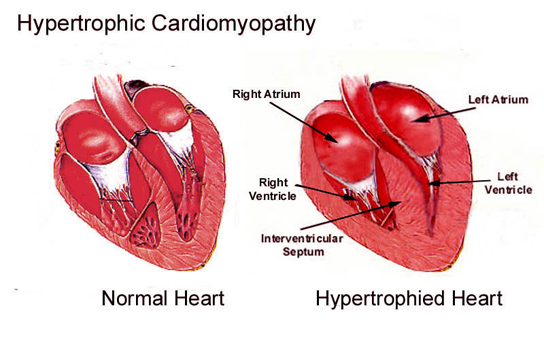
    The scientists published their findings in the journal Nature Communications. Other symptoms, like respiratory distress and fatigue can accompany heart failure. High blood pressure of valvular heart defects will lead to cardiac hypertrophy, which in turn, once it has developed in a patient, will lead to heart failure since the heart muscles enlarge to boost pumping performance. The microRNAs are more prevalent in cardiac muscle cells of mice suffering from cardiac hypertrophy.

    In order to determine the role of these microRNAs, researchers bred genetically modified mice that had an abnormally large number of these molecules in their heart muscle cells. The mice developed cardiac hypertrophy and lived for only three to six months whereas healthy mice had a lifespan of several years. They also switched off the microRNAs in other mice, which in turn had smaller hearts than healthy mice, but this didn’t affect their lifespans.

    Scientists then subjected these mice to stress by narrowing the aorta to determine if they would develop cardiac hypertrophy, but they didn’t. This is basically a molecular approach to treat pathological heart growth and failure in mice.

    Reference: “The miRNA-212/132 family regulates both cardiac hypertrophy and cardiomyocyte autophagy” by Ahmet Ucar, Shashi K. Gupta, Jan Fiedler, Erdem Erikci, Michal Kardasinski, Sandor Batkai, Seema Dangwal, Regalla Kumarswamy, Claudia Bang, Angelika Holzmann, Janet Remke, Massimiliano Caprio, Claudia Jentzsch, Stefan Engelhardt, Sabine Geisendorf, Carolina Glas, Thomas G. Hofmann, Michelle Nessling, Karsten Richter, Mario Schiffer, Lucie Carrier, L. Christian Napp, Johann Bauersachs, Kamal Chowdhury and Thomas Thum, 25 September 2012, Nature Communications.
    DOI: 10.1038/ncomms2090

    Never miss a breakthrough: Join the SciTechDaily newsletter.
    Follow us on Google and Google News.

    Cardiology Cardiovascular Disease MicroRNA RNA
    Share. Facebook Twitter Pinterest LinkedIn Email Reddit

    Related Articles

    Scientists Develop a New Way to Deliver MicroRNAs for Cancer Treatment

    Yale Cardiologists Identify a Potential Therapeutic Target for Pulmonary Hypertension

    Yale Researchers Identify RNA That Controls Cholesterol

    FIT Treadmill Score Gauges Risk of Dying Based on Treadmill Exercise Performance

    New Treatments for Pulmonary Arterial Hypertension

    Genetic Trickery Coaxes Heart to Heal Itself

    UCLA Cardiologists Complete Their First Transcatheter Aortic Valve Replacement

    Human Cardiac Cells Derived From Stem Cells Could Repair Damaged Hearts

    Immune Response to Heart Attack Can Worsen Atherosclerosis

    Leave A Reply Cancel Reply

    • Facebook
    • Twitter
    • Pinterest
    • YouTube

    Don't Miss a Discovery

    Subscribe for the Latest in Science & Tech!

    Trending News

    Scientists Discover Cheap, Natural Remedy for High Blood Pressure

    Earth’s Upper Atmosphere Is Cooling Fast and Scientists Finally Know Why

    32,000 Olympic Pools of Magma Nearly Erupted Beneath Atlantic Island

    Exercise Changes the Heart in a Way Researchers Never Expected

    Too Much Sleep May Age Your Body Faster, New Study Warns

    Scientists Uncover Promising New Strategy To Stop Parkinson’s in Its Tracks

    Experts Reveal the Surprising Cancer Link Behind a Common Vitamin

    This Strange “Golden Orb” Found 2 Miles Deep Stumped Scientists for Years

    Follow SciTechDaily
    • Facebook
    • Twitter
    • YouTube
    • Pinterest
    • Newsletter
    • RSS
    SciTech News
    • Biology News
    • Chemistry News
    • Earth News
    • Health News
    • Physics News
    • Science News
    • Space News
    • Technology News
    Recent Posts
    • The Type of Alcohol You Drink Could Affect How Long You Live
    • 19-Year Study Reveals the Surprising Truth About Sitting and Dementia
    • This Common Vitamin May Help Stop Prediabetes From Turning Into Diabetes
    • Canada’s Billion-Year-Old Rocks Could Hold the Future of Clean Energy
    • Climate Change Is Quietly Choking Rivers Across the Planet
    Copyright © 1998 - 2026 SciTechDaily. All Rights Reserved.
    • Science News
    • About
    • Contact
    • Editorial Board
    • Privacy Policy
    • Terms of Use

    Type above and press Enter to search. Press Esc to cancel.