
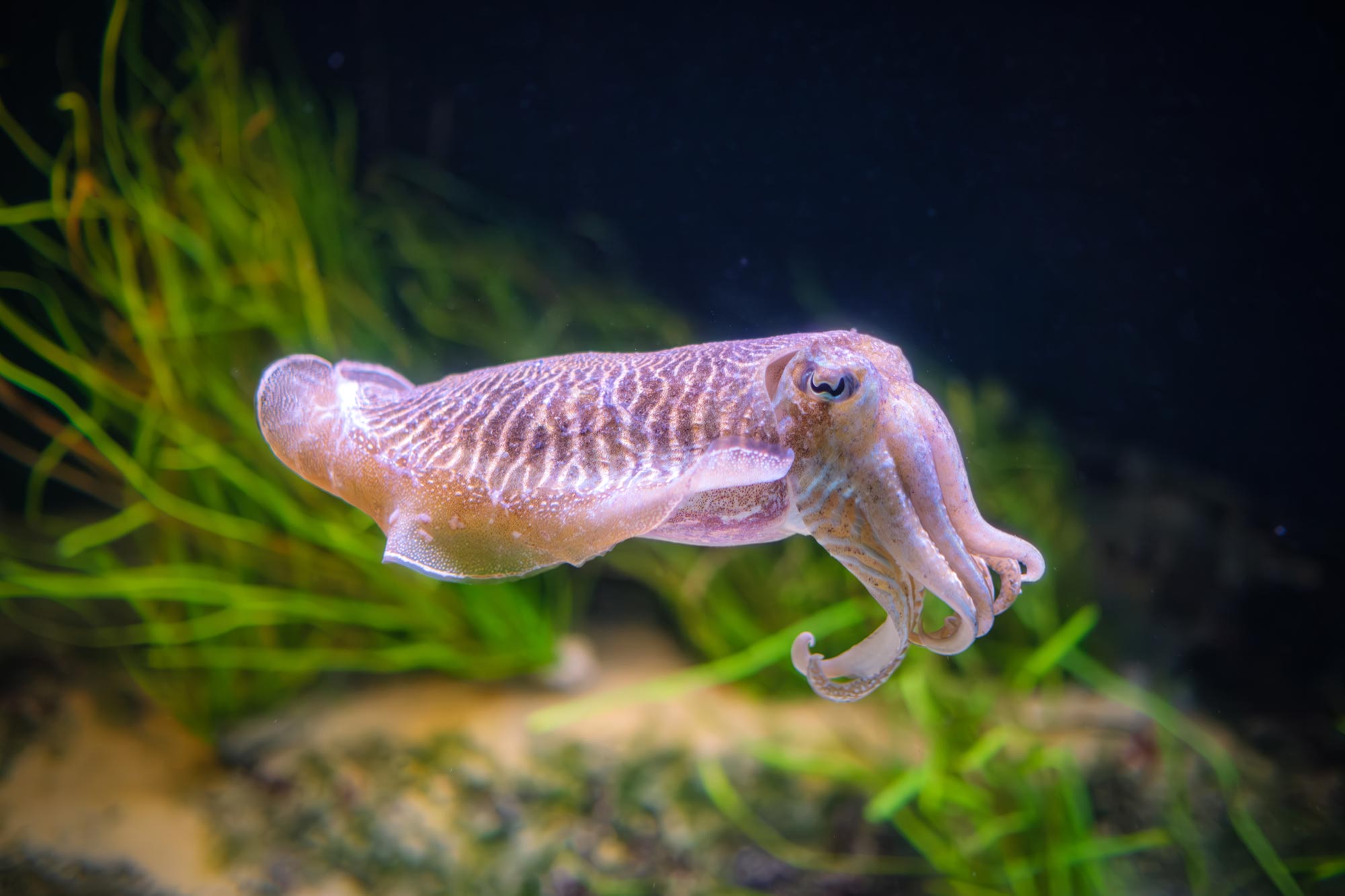
Genomic analysis reveals squid and cuttlefish evolved in deep oceans, survived mass extinction in refuges, and later rapidly diversified, following a “long fuse” evolutionary pattern.
Squid and cuttlefish have long intrigued scientists with abilities like rapid color change and jet propulsion. Researchers have struggled to trace how these features evolved because fossils are scarce and genomic data has been incomplete. That is now changing.
A new study published in Nature Ecology & Evolution by the Okinawa Institute of Science and Technology (OIST) combines existing databases with three newly sequenced squid genomes. This work identifies the “long fuse” pattern that led to the modern diversity of squid and cuttlefish, collectively known as decapodiform (ten-limbed) cephalopods.
Dr. Gustavo Sanchez, first author on the study and staff scientist in OIST’s Molecular Genetics Unit, says, “Squid and cuttlefish are remarkable creatures, yet their evolution has been notoriously difficult to study. The question of their ancestry has been under investigation for decades, and many research groups have proposed different evolutionary hypotheses based on different morphological characteristics and molecular datasets. With our new genomic information, we have been able to resolve some of the mysteries surrounding their origins.”
Diversity and Key Physical Traits
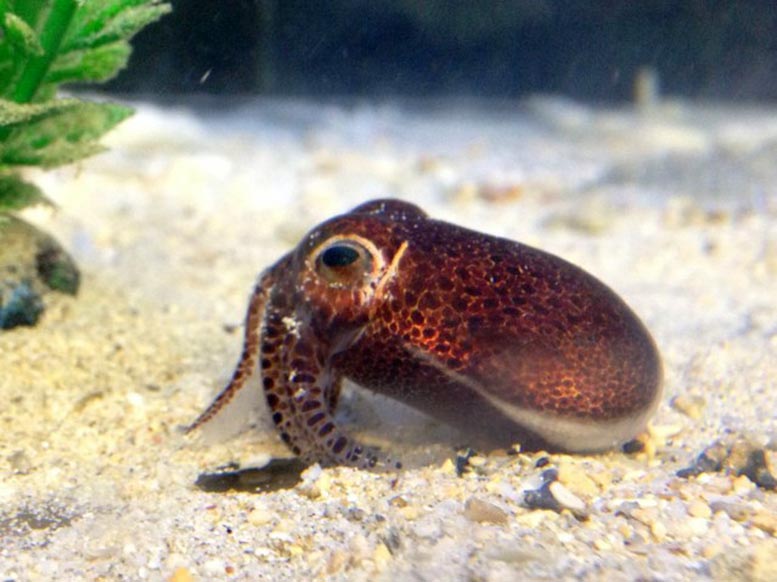
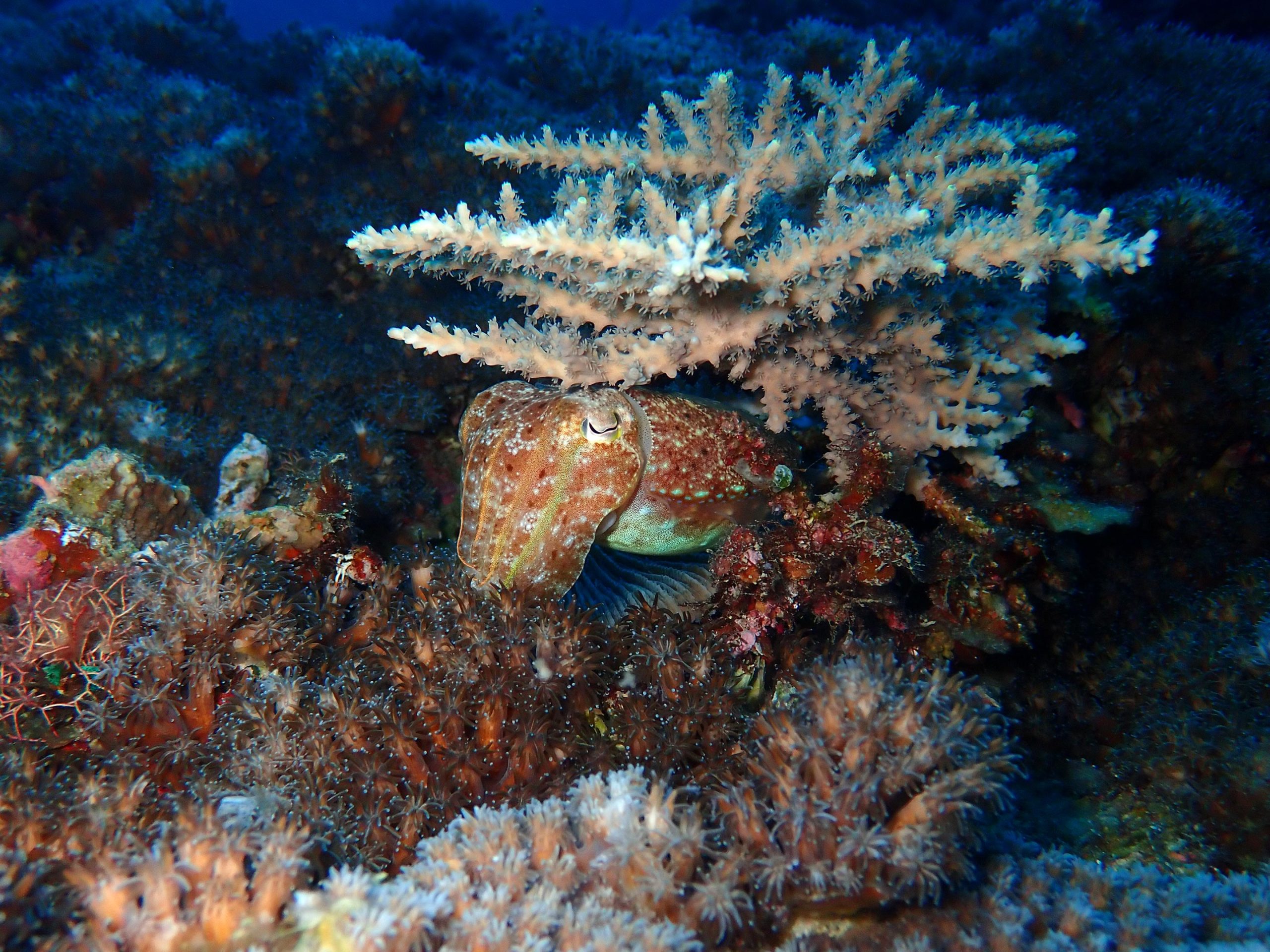
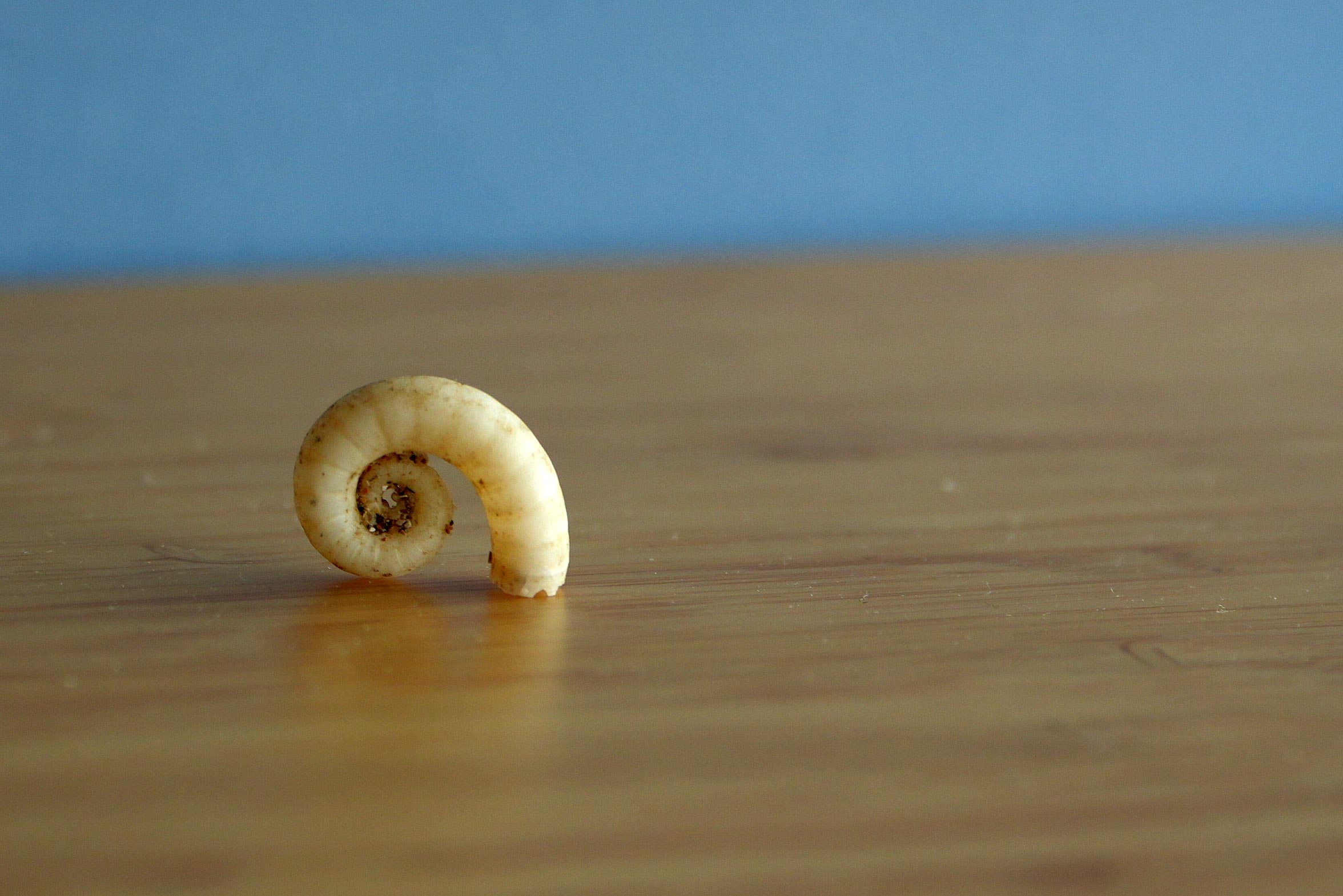
Squid and cuttlefish live in environments ranging from deep oceans to coastal waters. One feature shared by most species is an internal shell, although its shape varies widely. Cuttlefish have rounded cuttlebones, many squid species have thin, blade-like structures called gladii, and ram’s horn squid have spiral shells. Some shallow-water species have lost this structure entirely.
Earlier attempts to reconstruct their evolutionary relationships were limited by low-resolution datasets that often produced misleading results. Sanchez explained, “Earlier reconstructions of decapodiform evolution were built from datasets with limited resolution and were prone to biased signals, obscuring the true relationships between different species. Whole genome data now provide a cleaner, more consistent picture of how these animals evolved.”
Studying these genomes is challenging. Squid and cuttlefish genomes can be up to twice the size of the human genome, requiring advanced sequencing technology and significant computing power. Researchers also need fresh DNA, which can be difficult to obtain from species that live in remote or deep-sea environments.
Sanchez noted, “Some lineages are only abundant and highly diverse in tropical reef systems like the Ryukyu Archipelago, while others are enigmatic and known only in the deep sea. We were fortunate to find some key species on our doorstep in Okinawa, and collaborate with colleagues with access to more challenging samples.”
Global Genomic Collaboration Breakthrough
The study presents the first comprehensive evolutionary tree for decapodiformes based on genomes from nearly all major lineages. This achievement stems from a five-year international effort under the Aquatic Symbiosis Genomics Project, supported by the Wellcome Sanger Institute. Sanchez led the Japanese contribution to this work.
“Within the symbiosis project, we’ve been steadily sequencing genomes for several years, but several key gaps remained. In this study, we were able to fill these missing puzzle pieces,” confirms Sanchez.
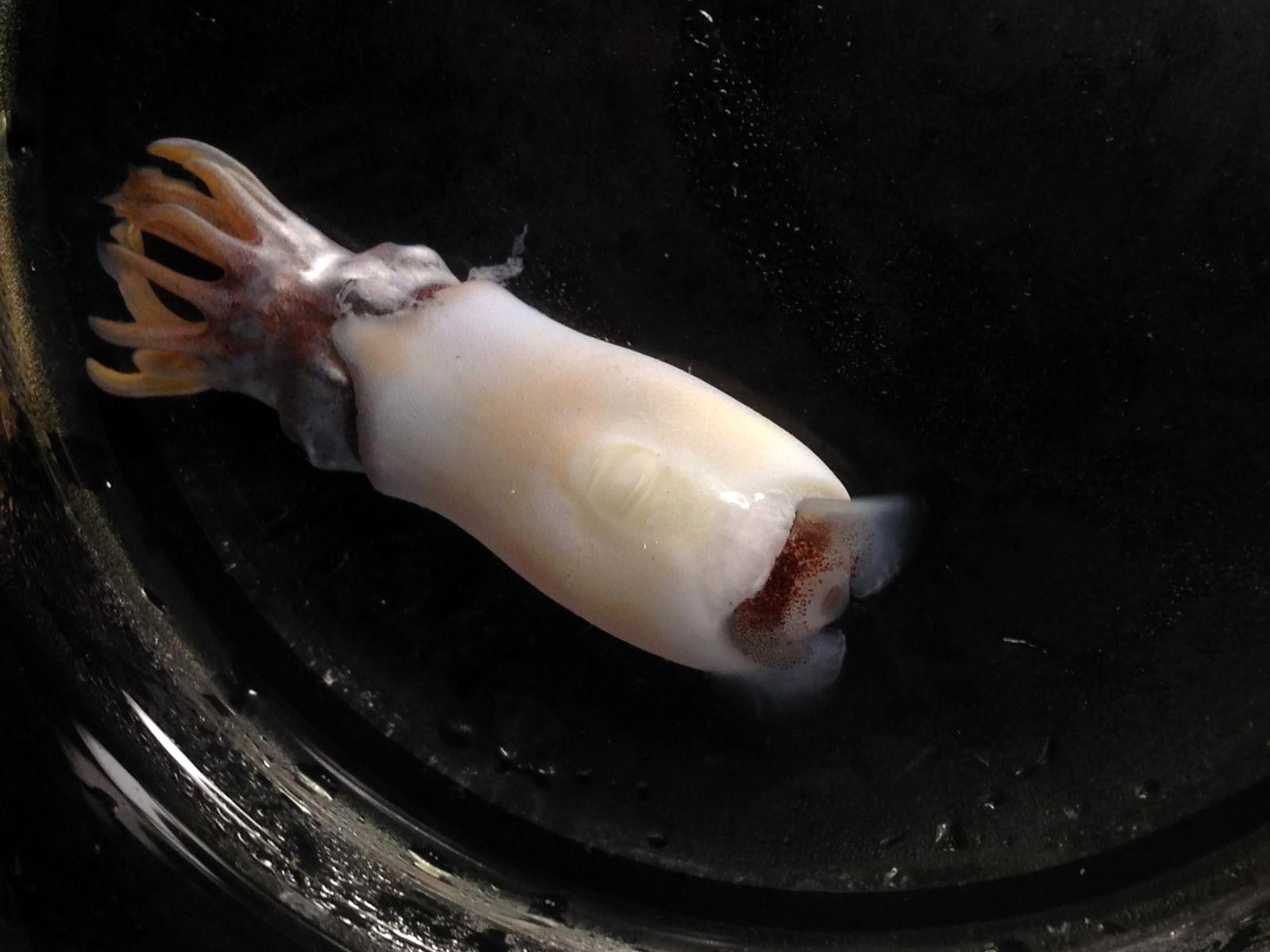
Co-author Dr. Fernando Á. Fernández-Álvarez of the Spanish Institute of Oceanography focused on the unusual ram’s horn squid, Spirula spirula. Its distinctive internal shell had previously led some scientists to incorrectly group it with cuttlefish. “In the past, the structure of the ram’s horn squid shell made some scientists wrongly conclude it was closely related to cuttlefish,” says Fernández-Álvarez. “I believed this genome could help close a key gap and bring clarity to the broader evolutionary questions of cephalopods.”
Deep-Sea Origins and Evolutionary Timeline
By combining genomic data with fossil evidence, the team reconstructed a timeline for how squid and cuttlefish originated and diversified.
“Our analysis shows that these animals originated in the deep ocean, a habitat which still harbors species like the ram’s horn squid,” says Sanchez.
The findings indicate that major decapodiform groups diverged rapidly around 100 million years ago, placing their origins in the mid-Cretaceous period. About 66 million years ago, a catastrophic mass extinction event known as the Cretaceous-Paleogene (K-Pg) wiped out roughly three-quarters of plant and animal species on Earth, including the dinosaurs.
Survival Through Mass Extinction
Researchers propose that early cephalopods survived by retreating into small, oxygen-rich zones in the deep ocean. Sanchez explained, “The sea surface would have been a very harsh environment for cephalopods. Around that time, very few suitable oxygen-rich habitats would have been found near the shores. Intense ocean acidification in shallower waters would also likely have degraded their shells, so the fact that some form of this feature has been retained throughout their evolutionary history is evidence of their deeper oceanic origins.”
As ecosystems recovered, coral reefs reformed along coastlines, creating new habitats. Many ten-limbed cephalopods moved into these shallower environments.
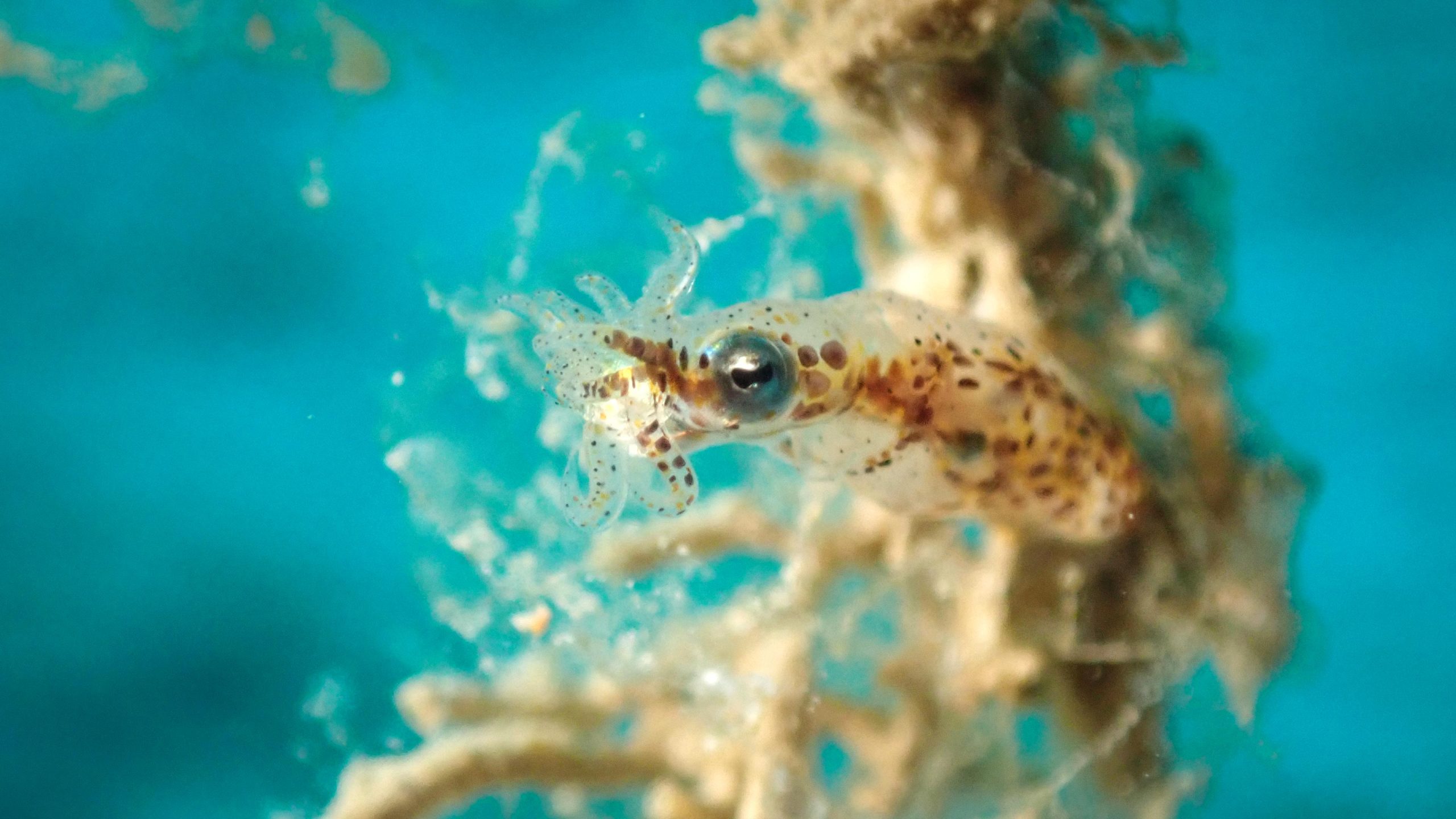
“Following the initial lineage splits in the Cretaceous, we don’t see much branching for many tens of millions of years. However, in the K-Pg recovery period, we suddenly see rapid diversification, as species adapt and evolve to new and changing ecosystems. This is an example of a ‘long fuse’ model: a period of limited change followed by an explosion of diversity,” says Sanchez.
Future Insights from Genomic Discoveries
The researchers believe this work provides a strong framework for studying how squid and cuttlefish developed their unusual traits.
“Squids and cuttlefish have so many unique features compared to other animal groups, making them an endless source of inspiration for scientists,” says Prof. Daniel Rokhsar, head of the Molecular Genetics Unit. “With these genomes and with a clear picture of their evolutionary relationships, we can make meaningful comparisons to uncover the molecular changes associated with major cephalopod innovations, from the emergence of novel organs and dynamic camouflage to the neural complexity that supports their remarkable behavior.”
Reference: “Rapid mid-Cretaceous diversification of squid and cuttlefish preceded radiation into coastal niches” by Gustavo Sanchez, Fernando Ángel Fernández-Álvarez, Ainhoa Bernal, Elizabeth Heath-Heckman, Raphael Lami, Margaret McFall-Ngai, Michele Nishiguchi, Spencer Nyholm, Oleg Simakov, A. Louise Allcock and Daniel S. Rokhsar, 30 March 2026, Nature Ecology & Evolution.
DOI: 10.1038/s41559-026-03009-1
This study was funded by Okinawa Institute of Science and Technology Graduate University, Japan Society for the Promotion of Science, Chan Zuckerberg Biohub, Instituto Ramón y Cajal de Investigación Sanitaria, MCIN/AEI/10.13039/501100011033, FSE+, Spanish Ministry of Science, Innovation and Universities, MICIU/AEI/10.13039/501100011033, and the National Institutes of Health
Never miss a breakthrough: Join the SciTechDaily newsletter.
Follow us on Google and Google News.
3 Comments
thanks
Why when I look at this obviously a decend of ameonities much like Nautilus where is the point…..but my bigger statement is loss of shells would be a reaction to acidity in sea harder to fix the minerals calcium ….duh ….ignore me im an idiot
Science can’t even fill in holes of on the Theory of Evolution much less a 100 million year hole.