
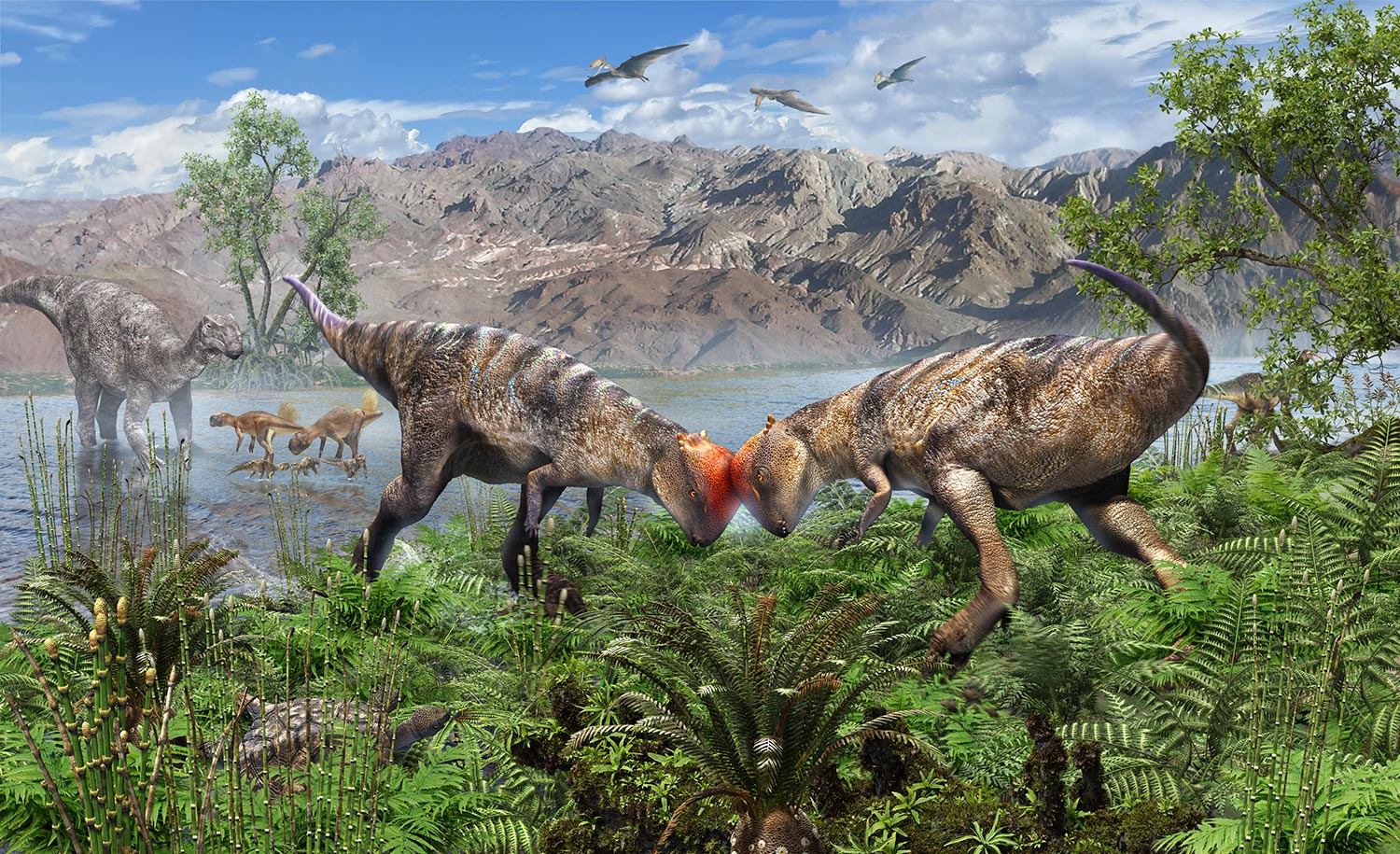
In Mongolia’s Gobi Desert, researchers uncovered a remarkably complete fossil of a dome-headed dinosaur that lived 108 million years ago.
Nicknamed the “precious one,” this teenage pachycephalosaur is the oldest of its kind ever found, pushing the group’s fossil record back by 15 million years.
Discovery of a Teen Dinosaur in the Gobi Desert
A fossilized “teenager” of a dome-headed dinosaur has been unearthed in Mongolia’s Gobi Desert, and scientists say it could help resolve long-standing mysteries about this unusual group. Reported in Nature, the discovery reveals a brand-new species of pachycephalosaur and stands out as both the oldest and most complete skeleton of its kind ever recovered.
“Pachycephalosaurs are iconic dinosaurs, but they’re also rare and mysterious,” says Lindsay Zanno, associate research professor at North Carolina State University, head of paleontology at the North Carolina Museum of Natural Sciences and corresponding author of the work.
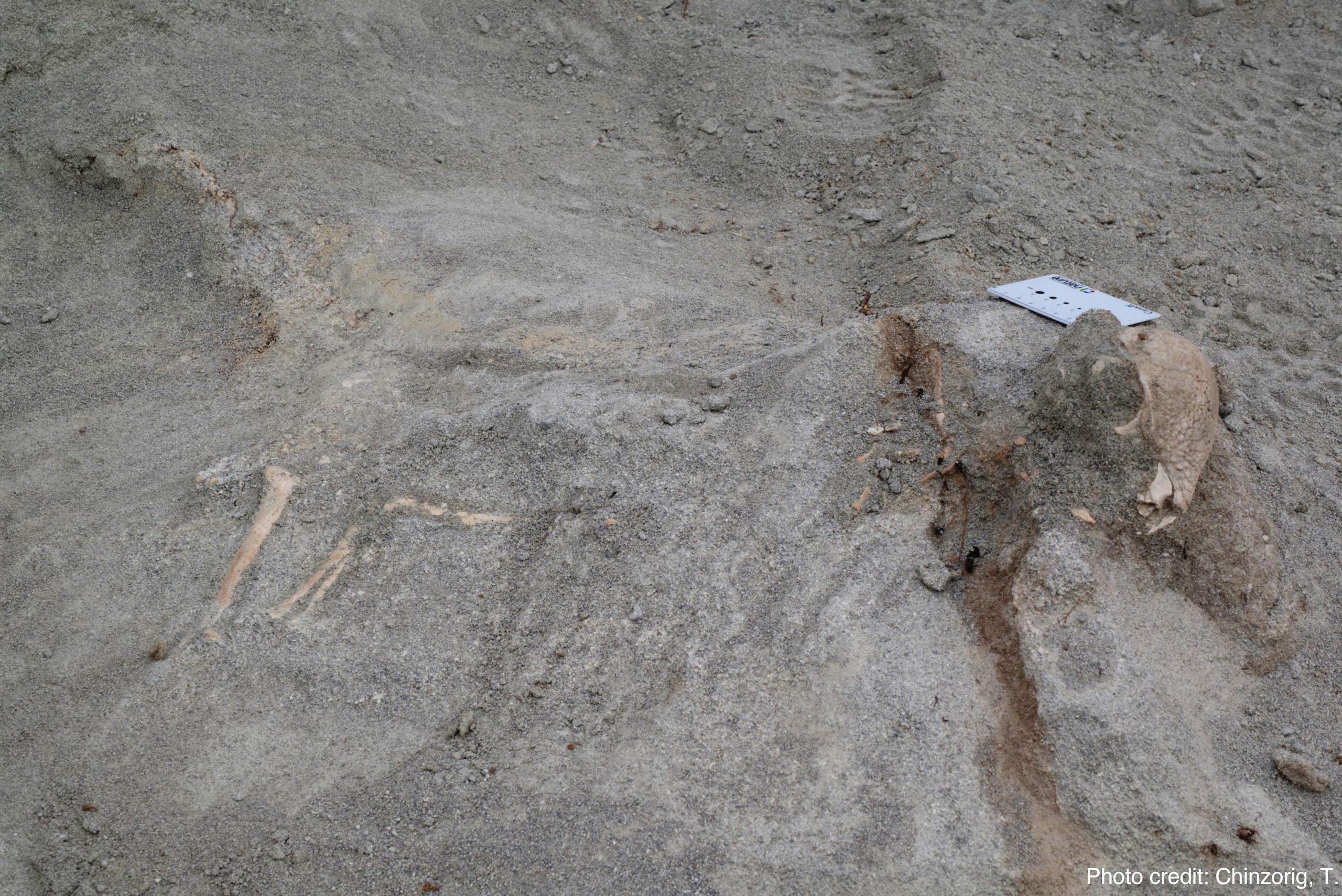
The fossil was uncovered in the Khuren Dukh site of the Eastern Gobi Basin by Tsogtbaatar Chinzorig of the Mongolian Academy of Sciences. Chinzorig, who is the paper’s lead author, is currently a research assistant at NC State.
Naming Zavacephale rinpoche – The “Precious One”
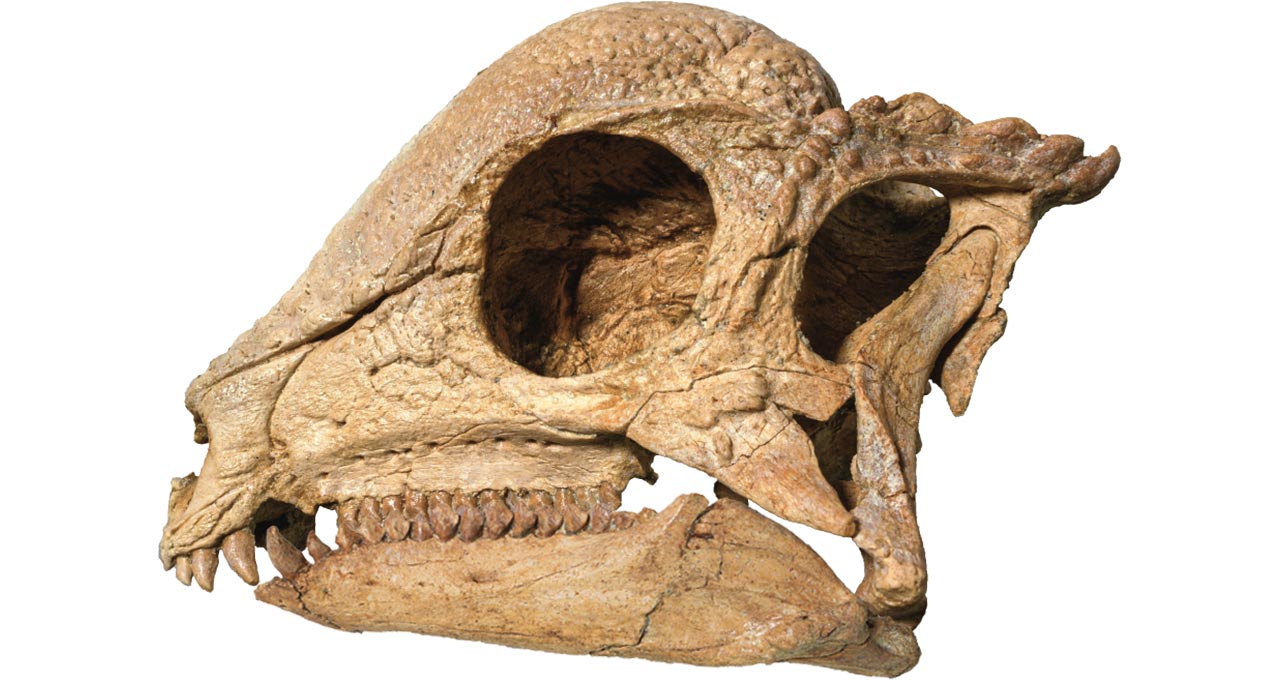
The species has been formally named Zavacephale rinpoche. The first part, zava, means “root” or “origin” in Tibetan, while cephal comes from the Latin for “head.” The second name, rinpoche, translates to “precious one” in Tibetan and highlights the jewel-like appearance of the domed skull, which was found protruding from a cliff.
This dinosaur lived approximately 108 million years ago during the Early Cretaceous in what is now Mongolia’s Gobi Desert. At that time, the landscape was a valley dotted with lakes and edged by cliffs and escarpments. Pachycephalosaurs were herbivores, with adults reaching about 14 feet (4.3 meters) in length, 7 feet (2.1 meters) in height, and weighing between 800 and 900 pounds (363 – 410 kilograms).
“Z. rinpoche predates all known pachycephalosaur fossils to date by about 15 million years,” Chinzorig says. “It was a small animal – about three feet or less than one meter long – and the most skeletally complete specimen yet found.”
Unlocking the Mystery of Dome Development
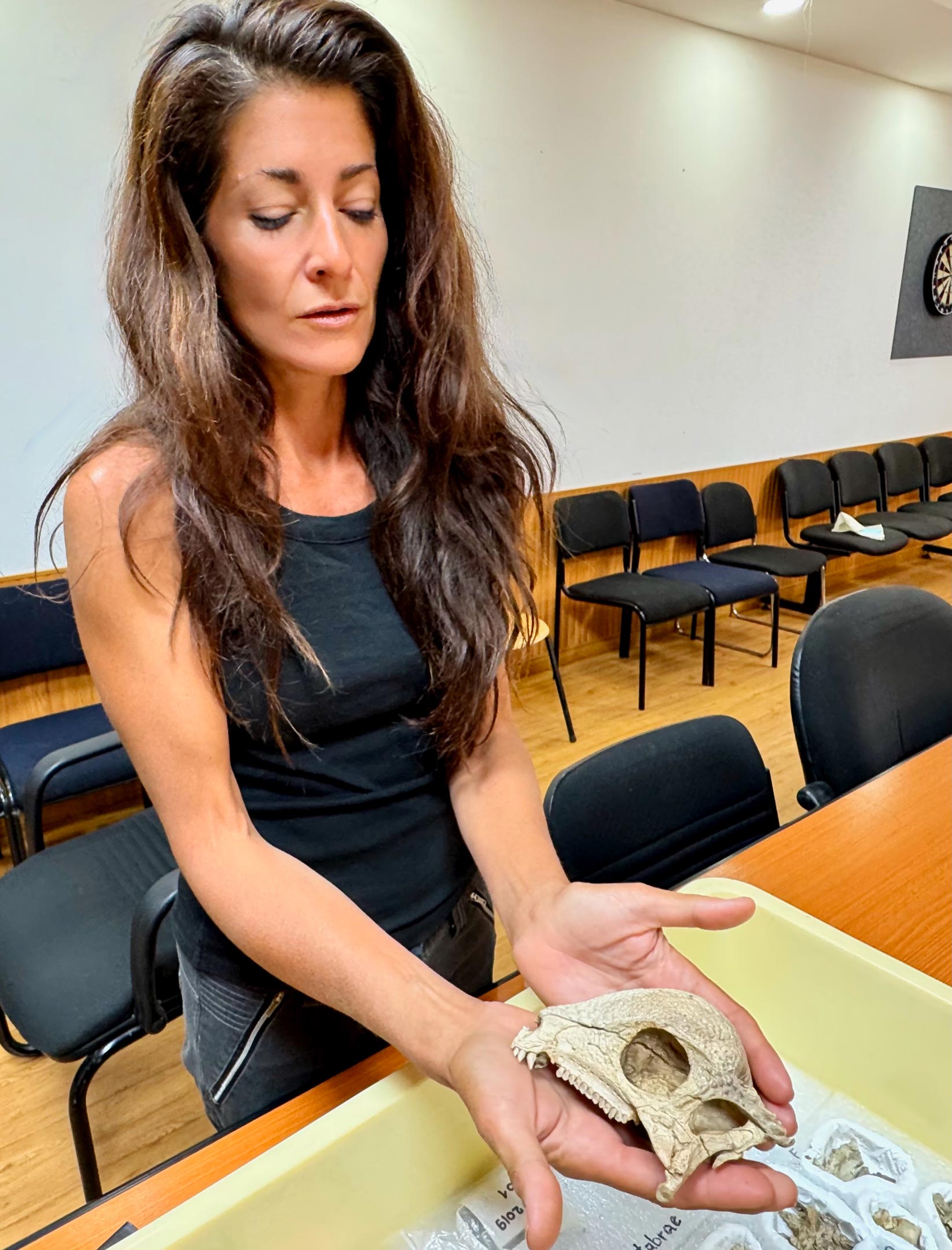
The Z. rinpoche specimen the team discovered was not fully grown when it died. However, it already sported a fully formed dome, though without much of the additional ornamentation found on other pachycephalosaur fossils.
“Z. rinpoche is an important specimen for understanding the cranial dome development of pachycephalosaurs, which has been debated for a long time due to the absence of early diverging or pre-Late Cretaceous species and the fragmentary nature of nearly all pachycephalosaurian fossils,” Chinzorig says.
How to tell whether two skulls that look different belong to two distinct species or just different growth stages of the same species is a long-standing debate for paleontologists who study this group, and that’s where Z. rinpoche comes in.
“Pachycephalosaurs are all about the bling, but we can’t use flashy signaling structures alone to figure out what species they belong to or what growth stage they’re in because some cranial ornamentation changes as animals mature,” Zanno says.
A Juvenile with a Fully Formed Dome
“We age dinosaurs by looking at growth rings in bones, but most pachycephalosaur skeletons are just isolated, fragmentary skulls,” Zanno adds. “Z. rinpoche is a spectacular find because it has limbs and a complete skull, allowing us to couple growth stage and dome development for the first time.”
By examining a thin slice of the specimen’s lower leg bone, the researchers determined that, despite sporting a fully formed dome, this Z. rinpoche was still a juvenile when it died.
Headbutting and Dinosaur Social Life
Pachycephalosaurs are famous for their large domed skulls and are often depicted using those domes to duel in epic headbutting contests. “The consensus is that these dinosaurs used the dome for socio-sexual behaviors,” Zanno says. “The domes wouldn’t have helped against predators or for temperature regulation, so they were most likely for showing off and competing for mates.
“If you need to headbutt yourself into a relationship, it’s a good idea to start rehearsing early,” she says.
A Once-in-a-Lifetime Fossil Discovery
Z. rinpoche fills in huge gaps in the pachycephalosaur timeline – both in terms of when they lived and how they grew, the researchers say.
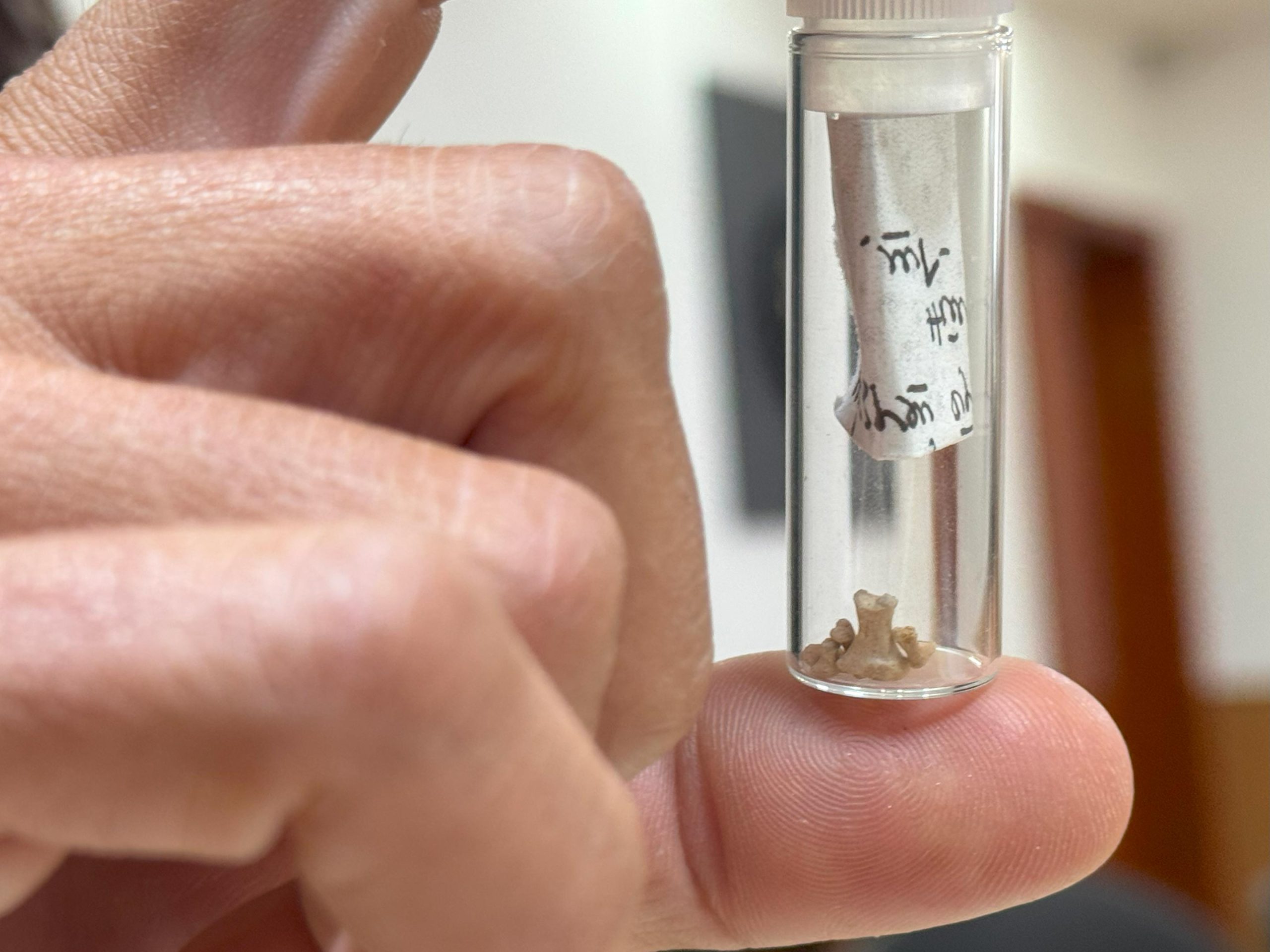
“This specimen is a once-in-a-lifetime discovery. It is remarkable for being the oldest definitive pachycephalosaur, pushing back the fossil record of this group by at least 15 million years, but also because of how complete and well-preserved it is,” Zanno says. “Z. rinpoche gives us an unprecedented glimpse into the anatomy and biology of pachycephalosaurs, including what their hands looked like and that they used stomach stones to grind food.”
Hands, Stomach Stones, and Tail Secrets
“The newly recovered materials of Z. rinpoche, such as the hand elements, the stomach stones (gastroliths), and an articulated tail with covered tendons, reshape our understanding of the paleobiology, locomotion, and body plan of these ‘mysterious’ dinosaurs,” Chinzorig says.
Reference: “A domed pachycephalosaur from the early Cretaceous of Mongolia” by Tsogtbaatar Chinzorig, Ryuji Takasaki, Junki Yoshida, Ryan T. Tucker, Batsaikhan Buyantegsh, Buuvei Mainbayar, Khishigjav Tsogtbaatar and Lindsay E. Zanno, 17 September 2025, Nature.
DOI: 10.1038/s41586-025-09213-6
The work appears in Nature and was supported by the National Geographic Society (grant NGS-100601R-23). Ryuji Takasaki of the Okayama University of Science; Junki Yoshida of the Fukushima Museum; Batsaikhan Buyantegsh, Buuvei Mainbayar and Khishigjav Tsogtbaatar of the Institute of Paleontology of the Mongolian Academy of Sciences; and Ryan Tucker of Stellenbosch University contributed to the work.
Never miss a breakthrough: Join the SciTechDaily newsletter.
Follow us on Google and Google News.