
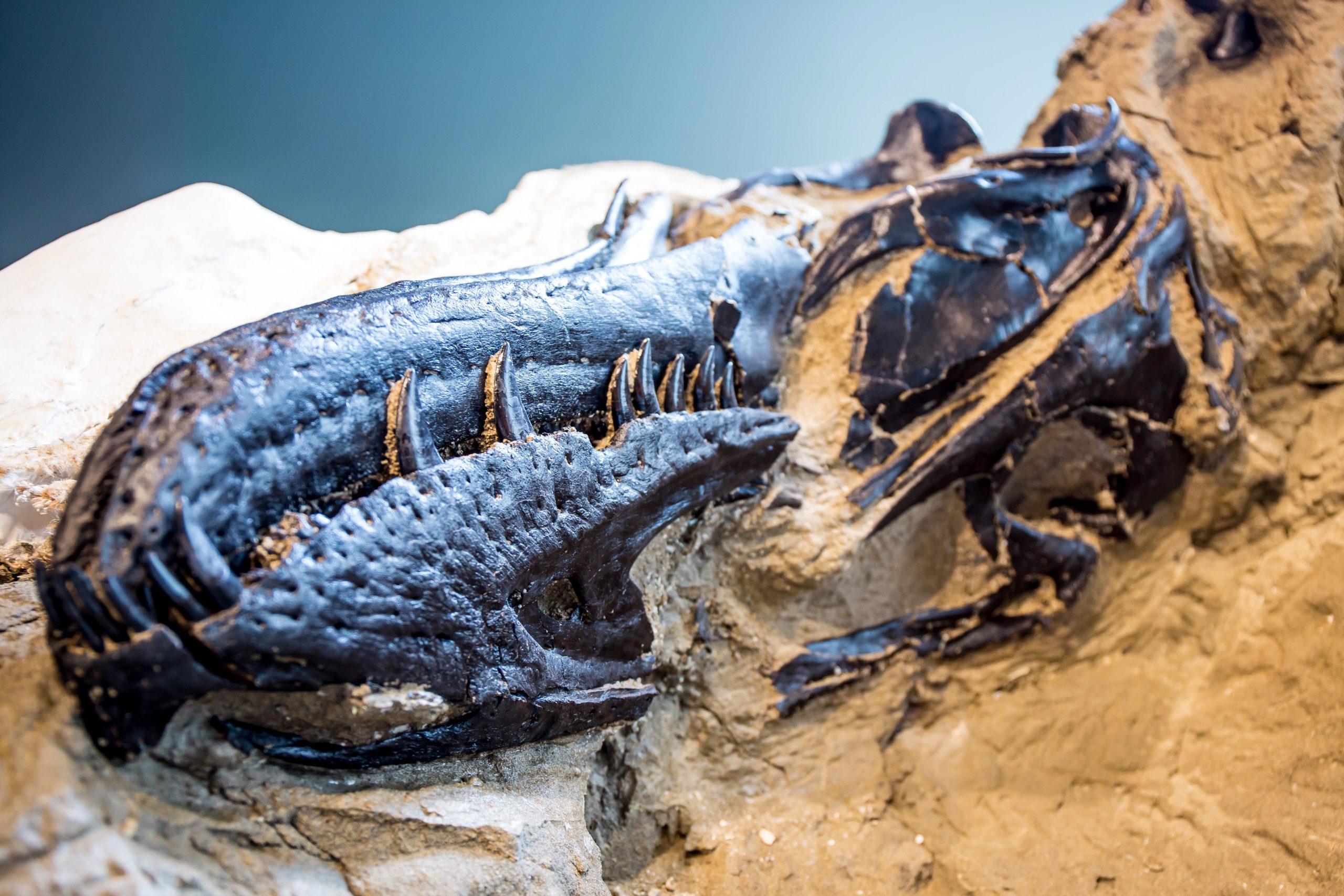
Scientists have proven Nanotyrannus was its own species, reshaping what we know about the predators that lived alongside T. rex.
What if our understanding of T. rex growth has been wrong all along? A newly analyzed tyrannosaur skeleton has brought one of paleontology’s longest-running controversies to an end: the question of whether Nanotyrannus represents a distinct species or simply an adolescent form of Tyrannosaurus rex.
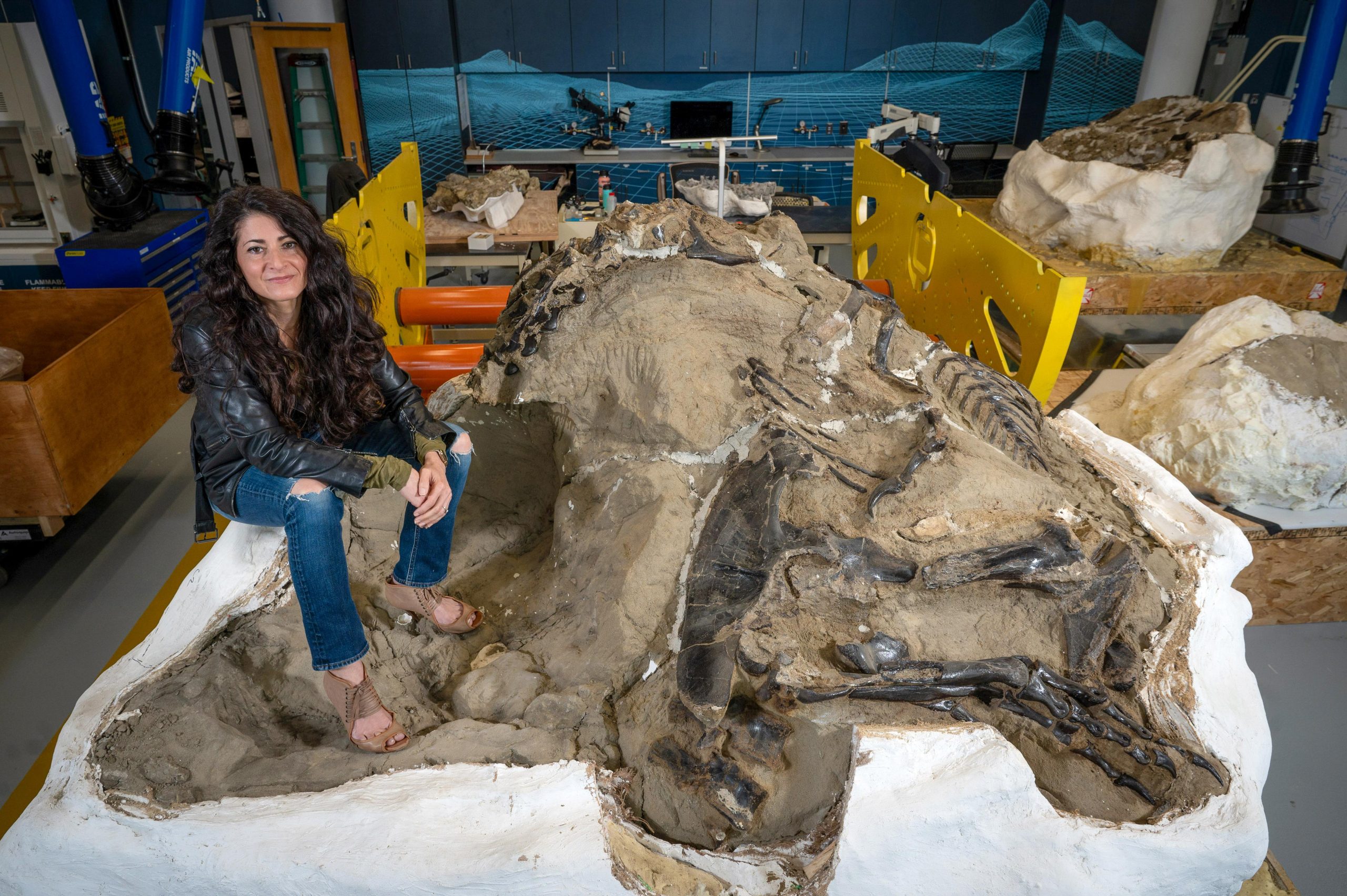
The fossil, part of the famed “Dueling Dinosaurs” discovery from Montana, preserves two dinosaurs frozen in combat—a Triceratops and a smaller tyrannosaur. That smaller predator has now been confirmed as a fully mature Nanotyrannus lancensis, not a juvenile T. rex as many researchers once believed.
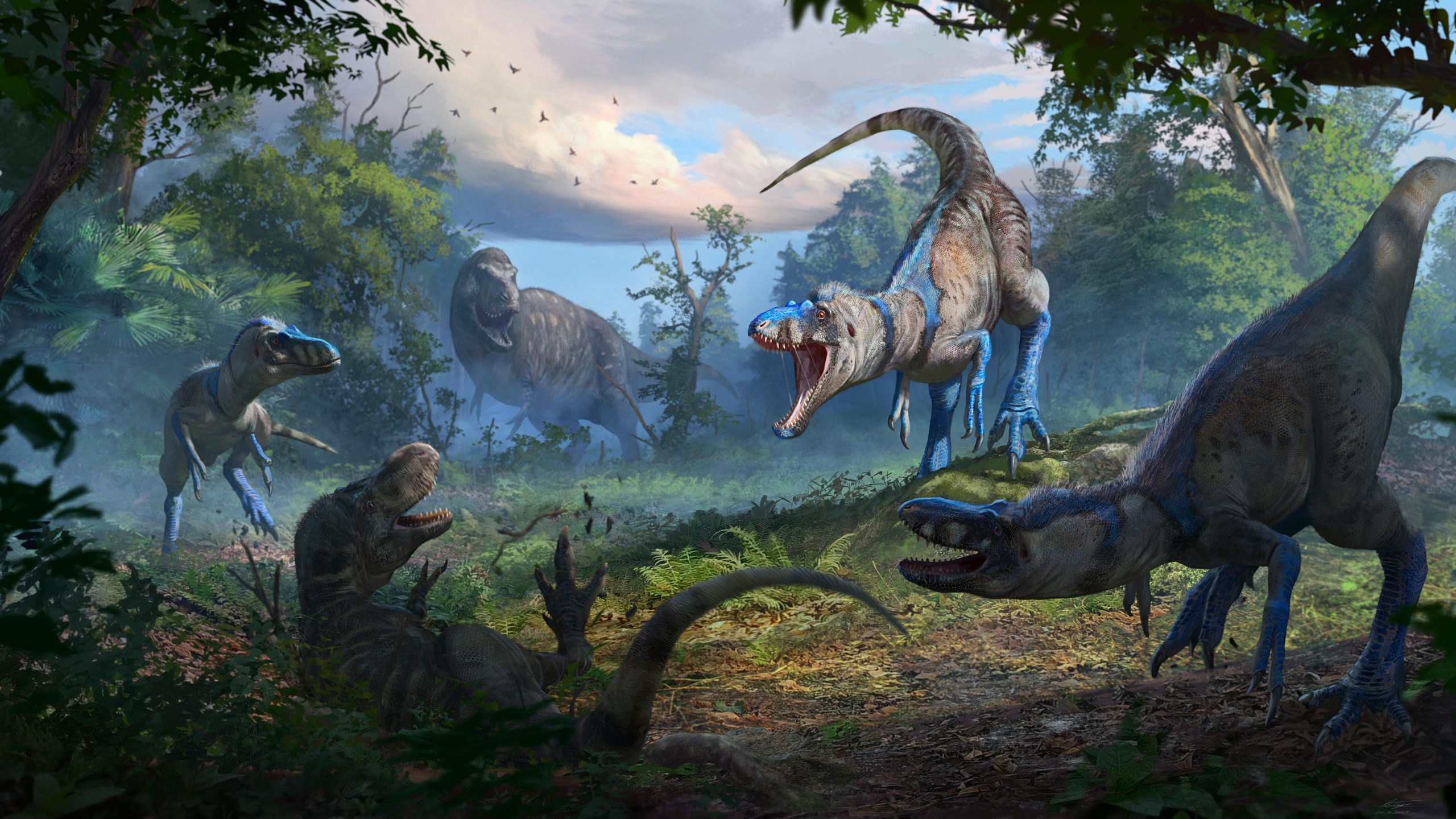
“This fossil doesn’t just settle the debate. It flips decades of T. rex research on its head,” says Lindsay Zanno, associate research professor at North Carolina State University, head of paleontology at the North Carolina Museum of Natural Sciences and co-author of the study published in Nature.
Evidence confirming Nanotyrannus as an adult species
Through detailed analysis of growth rings, spinal fusion, and developmental anatomy, scientists determined that the animal was about 20 years old and fully grown at the time of death.
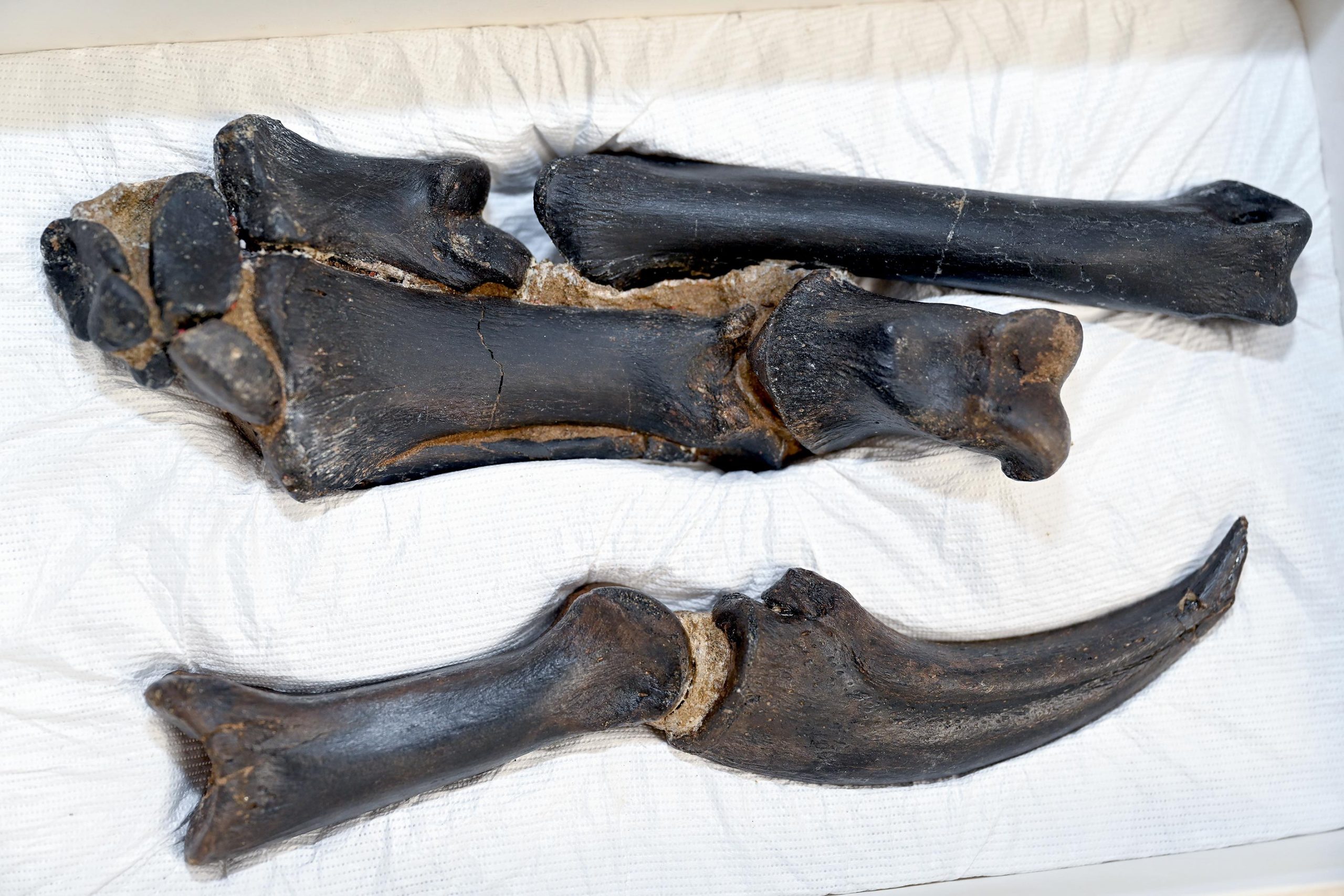
Its physical traits—including proportionally larger forelimbs, a greater number of teeth, fewer tail vertebrae, and unique skull nerve arrangements—are characteristics established early in development and biologically inconsistent with T. rex.
“For Nanotyrannus to be a juvenile T. rex, it would need to defy everything we know about vertebrate growth,” says James Napoli, anatomist at Stony Brook University and co-author of the study. “It’s not just unlikely – it’s impossible.”
Rethinking tyrannosaur evolution and diversity
The implications are profound. For years, paleontologists used Nanotyrannus fossils to model T. rex growth and behavior. This new evidence reveals that those studies were based on two entirely different animals – and that multiple tyrannosaur species inhabited the same ecosystems in the final million years before the asteroid impact.
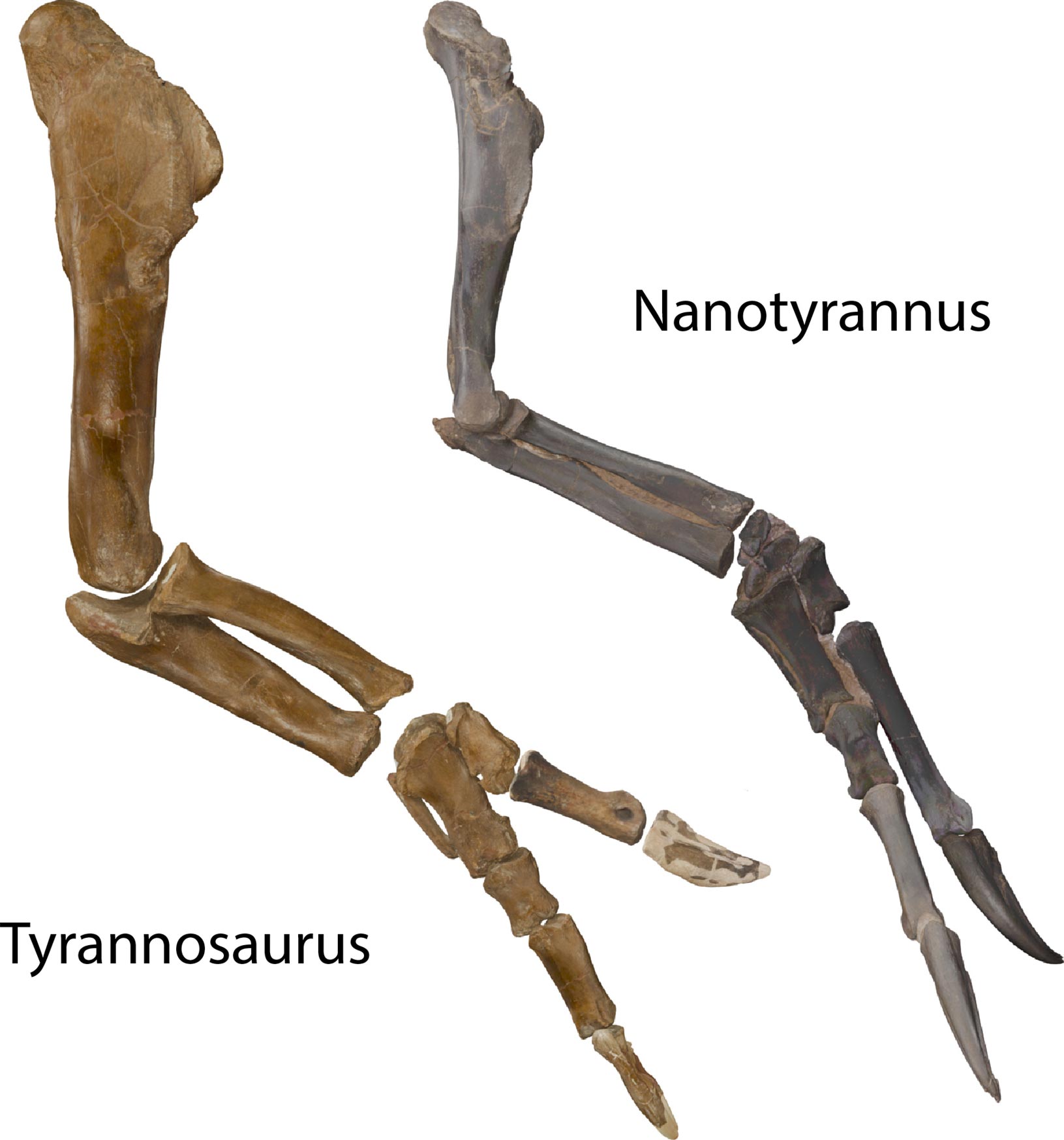
As part of their research, Zanno and Napoli examined over 200 tyrannosaur fossils. They discovered that one skeleton, formerly thought to represent a teenage T. rex, was slightly different than the Dueling Dinosaurs’ Nanotyrannus lancensis. They named this fossil a new species of Nanotyrannus, dubbed N. lethaeus. The name references the River Lethe from Greek mythology – a nod to how this species remained hidden in plain sight and “forgotten” for decades.
A richer, more competitive late Cretaceous world
Confirmation of the validity of Nanotyrannus means that predator diversity in the last million years of the Cretaceous was much higher than previously thought, and hints that other small-bodied dinosaur species might also be victims of mistaken identity.
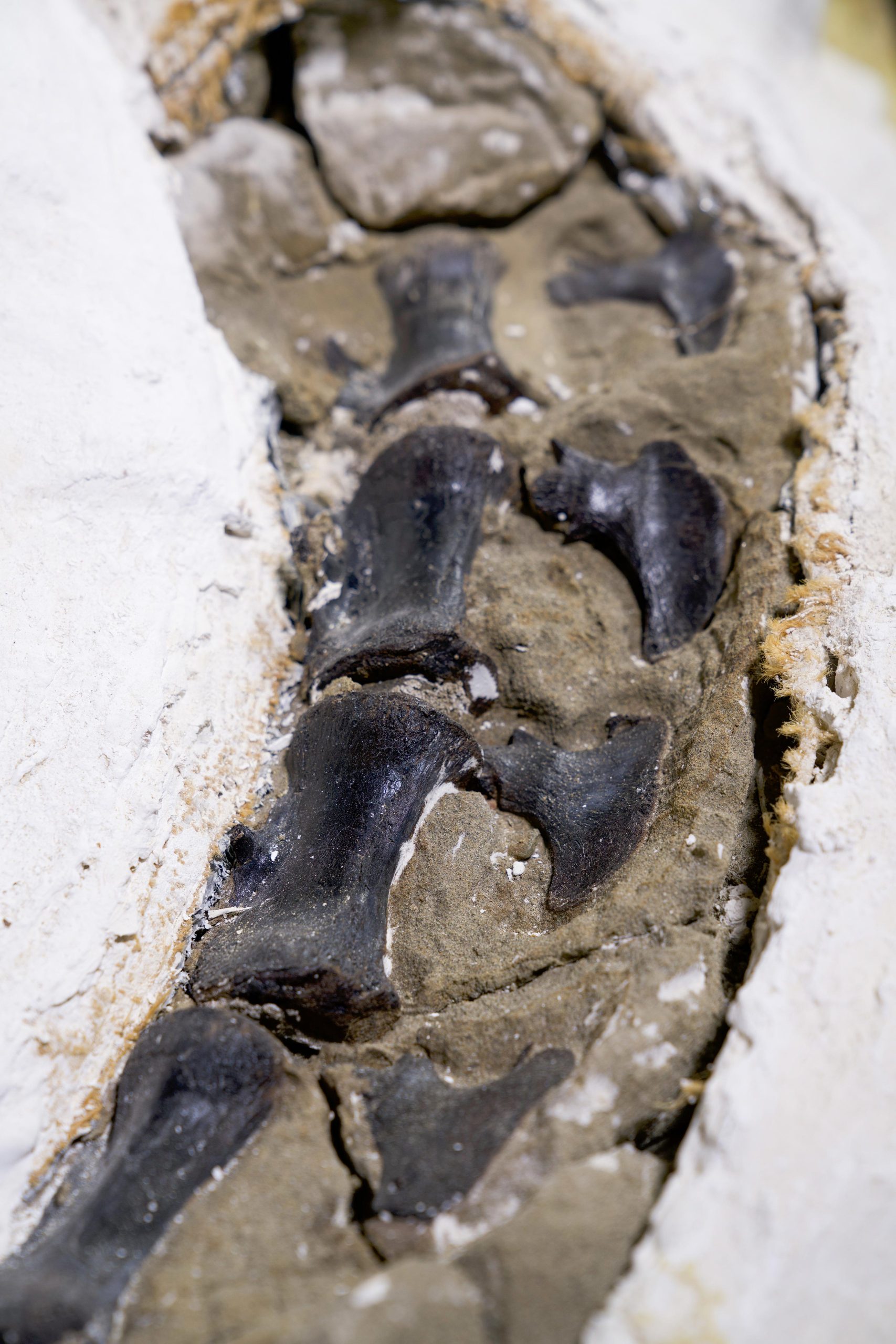
“This discovery paints a richer, more competitive picture of the last days of the dinosaurs,” Zanno says. “With enormous size, a powerful bite force, and stereoscopic vision, T. rex was a formidable predator, but it did not reign uncontested. Darting alongside was Nanotyrannus – a leaner, swifter, and more agile hunter.”
Reference: “Nanotyrannus and Tyrannosaurus coexisted at the close of the Cretaceous” by Lindsay E. Zanno, and James G. Napoli, 30 October 2025, Nature.
DOI: 10.1038/s41586-025-09801-6
Never miss a breakthrough: Join the SciTechDaily newsletter.
Follow us on Google and Google News.