

DNA carries the instructions for life, but additional molecular systems help determine how those instructions are used. New research in a sea anemone reveals an unexpected role for one of these systems.
DNA is often described as the blueprint of life, but a blueprint is only useful if someone knows how to read it. Across the animal kingdom, chemical markers attached to DNA help control how genetic instructions are used, shaping everything from development to cell function. A new study suggests one of these markers, DNA methylation, may have evolved for a very different purpose than scientists once assumed.
Researchers investigating a sea anemone found that removing most of its DNA methylation had little effect on normal development. Instead, the change exposed a hidden threat lurking within the genome: mobile genetic elements known as “jumping genes.” The findings point to an ancient role for DNA methylation as a genomic defense system and reveal how epigenetic changes can sometimes be passed from one generation to the next.
A Genome Full of Potential Trouble
DNA methylation is one of the most widespread epigenetic mechanisms in animals. It works by attaching small chemical tags to DNA, influencing how genes behave without changing the genetic sequence itself.
In mammals, most epigenetic marks are erased after fertilization (when the sperm and egg fuse). This extensive reset helps ensure that offspring begin development with a largely clean epigenetic slate. However, many invertebrates, including worms, corals, sea anemones, and sea urchins, appear to lack this extensive reprogramming process.
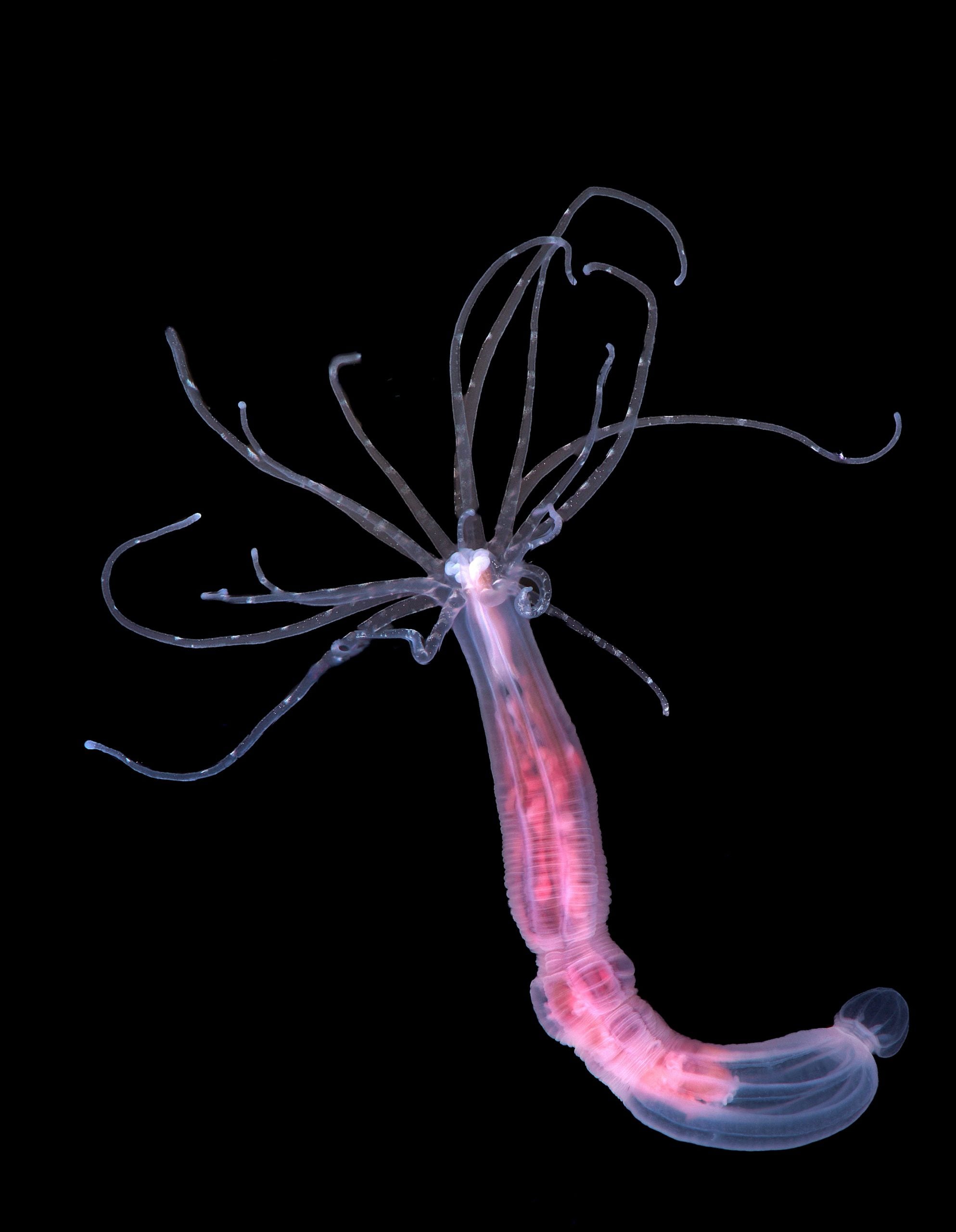
To investigate, scientists turned to the sea anemone (Nematostella vectensis), a simple marine animal that occupies an important position in animal evolution.
An Unexpected Result
The researchers experimentally removed DNA methylation from the sea anemones, expecting significant disruptions to gene activity. Instead, the animals developed normally even after losing most of these chemical markers.
The biggest effect appeared elsewhere. The loss of methylation activated hidden “jumping genes,” also known as transposable elements or “selfish genes,” embedded within active genes.
These DNA sequences are often described as genomic parasites because they can copy or move themselves to new locations within the genome. If they insert into critical genes or regulatory regions, they can interfere with normal biological processes and threaten genome stability. In humans and other animals, uncontrolled transposable elements have been linked to mutations, aging-related changes, and various diseases.
Epigenetic Changes That Survive Inheritance
The study also uncovered evidence that experimentally induced epigenetic changes could be inherited.
Dr. Alex de Mendoza, Reader in Evolutionary Epigenomics at Queen Mary, explained:
“Because these animals lack the extensive epigenetic resetting that occurs after fertilization in mammals, some abnormal methylation states persisted in the offspring. These inherited epigenetic changes altered how genes are switched on in the next generation, demonstrating that experimentally induced epigenetic variation can be transmitted across generations in an animal.”
The findings suggest that the ancestral role of DNA methylation in animals was not primarily to regulate gene expression, but rather to protect active genes from disruptive jumping genes.
In mammals, this same molecular system has since been adapted for a wide range of functions, including regulating development and silencing one of the two X chromosomes in females. The study therefore offers a glimpse into the evolutionary origins of important gene-regulatory mechanisms.
The work also shows how incomplete epigenetic resetting can allow heritable variation to persist across generations without requiring changes to the underlying DNA sequence. Such variation could provide raw material for evolutionary change. Overall, the findings highlight how ancient systems of gene regulation can transmit biological information across generations.
Reference: “Gene body methylation suppresses intragenic transcription and permits epigenetic inheritance in a cnidarian” by Lan Xu, Richard Heery, Damir Baranasic, Bojan Žunar, Alvaro Segura Campaña, Vladimir Ovchinnikov, Boris Lenhard and Alex de Mendoza, 2 June 2026, Nature Ecology & Evolution.
DOI: 10.1038/s41559-026-03090-6
Never miss a breakthrough: Join the SciTechDaily newsletter.
Follow us on Google and Google News.
1 Comment
In plants, it has been documented for years that DNA methylation is mostly required to repress TEs and is associated mostly with repetitive elements and silencing. Occasionally when it overlaps with gene promoters it can cause gen silencing. DNA over gene body in plants is much more debated but it seems to have a function on buffering gene expression. So I have difficulty in finding this result surprising. Having said that having a DNA methylation deficient mutant is Cndaria is amazing!