

Scientists discovered a way to block hepatitis B infection using an anticancer drug, offering hope for new treatments.
Researchers from Memorial Sloan Kettering Cancer Center (MSK), Weill Cornell Medicine, and The Rockefeller University have uncovered a key vulnerability in the hepatitis B virus (HBV), shedding light on how it establishes infection in liver cells. Their findings, published on February 20 in Cell, could pave the way for new treatments.
In laboratory experiments, the team successfully blocked HBV from infecting human liver cells using a compound already in clinical trials for cancer. This discovery lays the foundation for further studies in animal models and potential drug development.
Hepatitis B is a liver infection that affects almost 5% of the world’s population. It causes long-term damage to liver cells and is one of the leading causes of liver cancer. More than 250 million people worldwide have chronic HBV infections and the virus causes more than 1 million deaths a year, making it the second most deadly infection worldwide, according to the World Health Organization.
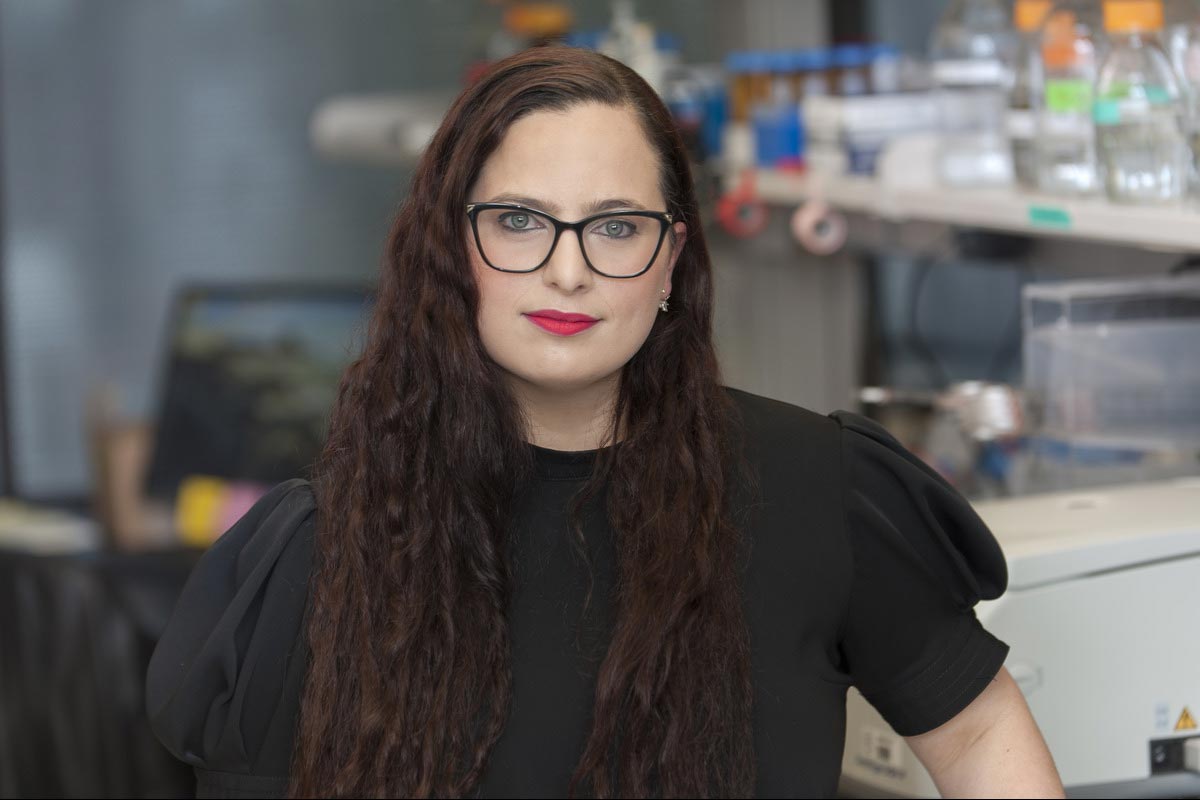
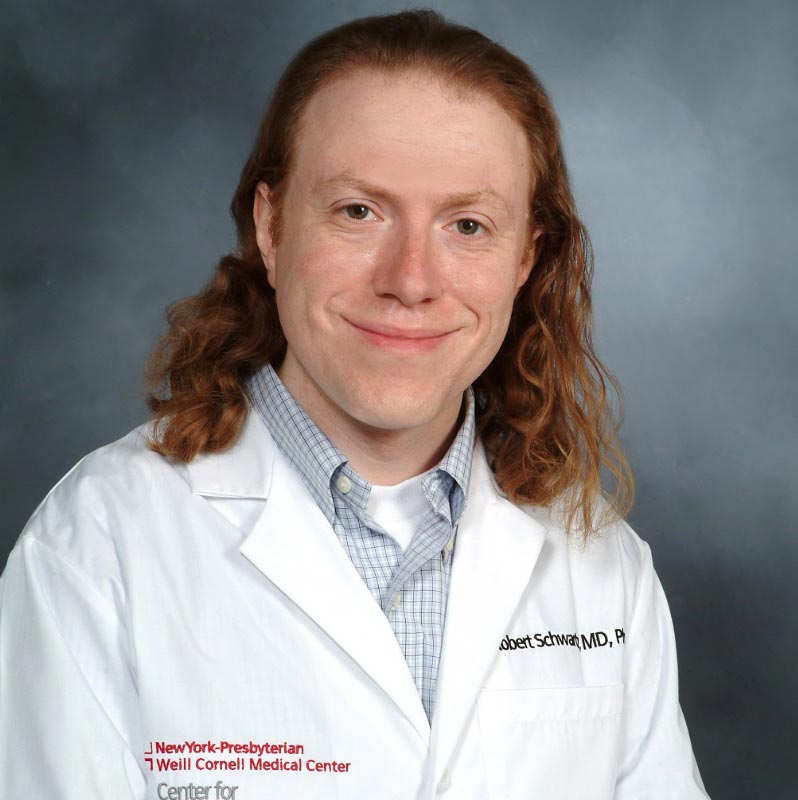
The research was led by chemical biologist Yael David, PhD, at MSK, working together with hepatologist and virologist Robert Schwartz, MD, PhD, at Weill Cornell Medicine and Viviana Risca, PhD, at The Rockefeller University.
“This project started from our fundamental interest in how the virus’s chromosomes might look and function and led to unexpected discoveries of how the viral infection is established in human cells,” Dr. David says.
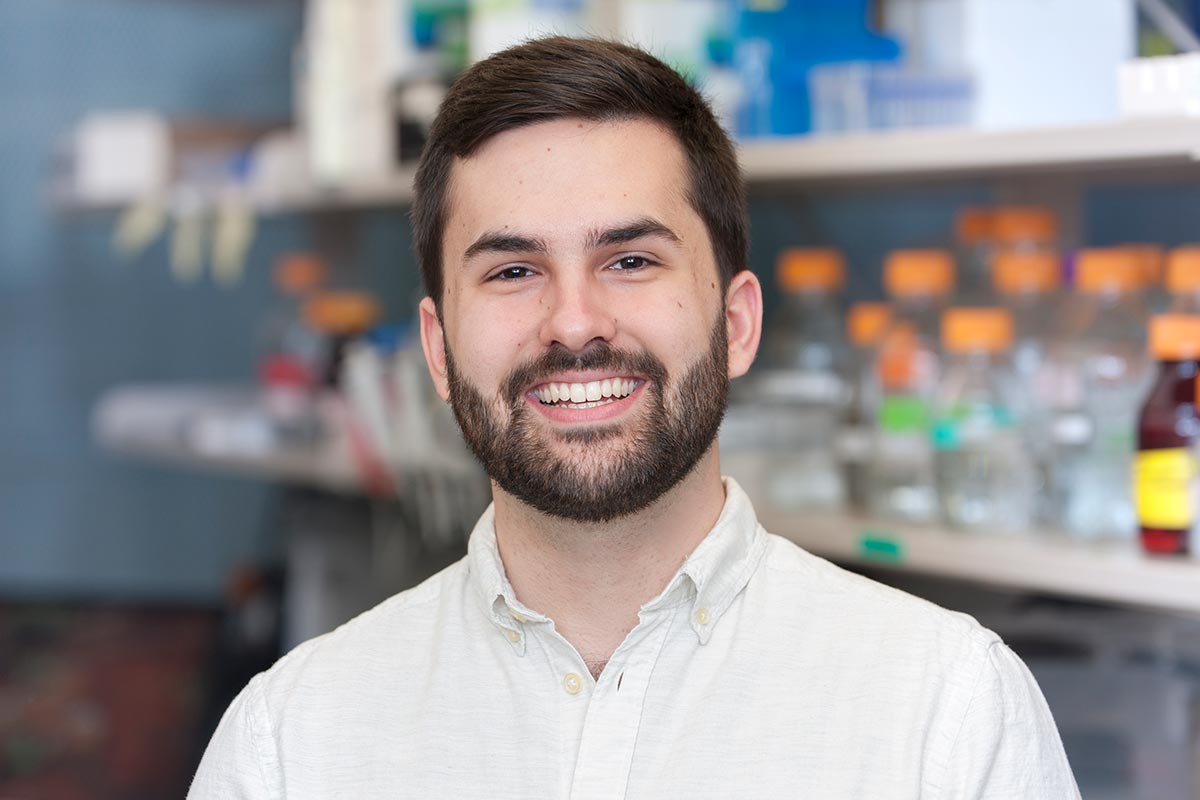
Study first author Nicholas Prescott, PhD, pursued the research in the David Lab as his graduate thesis. “This is a great example of how investment in ‘basic science’ and investigation of fundamental biological questions can open the door to medical advances,” he says. “I always thought I’d be working on questions that decades later someone might cite in a paper when they come up with a cure for some disease. Never in a million years did I expect to lead a project that identified such a strong candidate for drug development for a global scourge like hepatitis B.”
A Biological Paradox Sparks a Collaboration
The research began with a chance meeting and a longstanding paradox.
Dr. Schwartz, an associate professor of medicine in the Division of Gastroenterology and Hepatology at Weill Cornell Medicine, was introduced to Dr. David about six years ago at a retreat for Weill Cornell Physiology, Biophysics and Systems Biology graduate school faculty, where they both hold appointments.
“On the surface, our research programs seem to have no overlap,” Dr. David says. “He studies hepatitis B, while my lab focuses on understanding how gene expression is regulated through a process called epigenetics. However, I was fascinated to discover that viruses like hepatitis B hijack epigenetic mechanisms, even using human DNA-packaging proteins to regulate their activity.”
Not long after, Dr. Prescott, then a doctoral student in the Tri-Institutional PhD Program in Chemical Biology, was preparing for a stint in the David Lab at MSK’s Sloan Kettering Institute. “His interest in epigenetic regulation in pathogens immediately made me consider HBV an ideal model system for him to explore,” Dr. David says.
At the heart of the mystery that intrigued the researchers lies a key viral gene that encodes for a protein called X. This protein is essential for HBV to establish a productive infection in host cells and the expression of its viral genes. However, the X gene itself is encoded within the viral genome.
“This raises a classic chicken-and-egg question that has puzzled scientists for decades,” Dr. David says. “How does the virus produce enough X protein to drive viral gene expression and establish infection?”
Furthermore, the gene that encodes protein X is considered the virus’s oncogene — that is, the gene responsible for the disease’s progression toward cancer, Dr. Prescott adds. That’s because protein X degrades proteins in the host that are involved with DNA repair. Not only does this keep the host from silencing protein X’s activity, but the infected cells are also more likely to accumulate DNA errors that build up over the years and decades, leading to the development of cancer.
Challenges With Existing Treatments for Hepatitis B
“One of the main challenges with treating hepatitis B is that the existing treatments can stop the virus from making new copies of itself, but they don’t fully clear the virus from infected cells, allowing the virus to persist in the liver and maintain chronic infection,” says Dr. Schwartz, whose lab contributed biological and clinical expertise in the virus, as well as the human liver cell models used in the study.
The hepatitis B vaccine is also effective, but maintaining immunity often requires booster shots. Moreover, it doesn’t help people who are already infected. This happens, for example, due to transmission of the virus from mother to child, which is very common in developing countries. Access to vaccines and treatment is also more limited in some parts of Africa and Asia, where rates of infection are higher.
Building a New Platform to Study Hepatitis B
Digging into the mystery of protein X was a challenge, explains Dr. Prescott, who is now a postdoctoral fellow in the Laboratory of Chromosome and Cell Biology at The Rockefeller University. The existing tools weren’t capable of shedding light on what was happening in those critical early hours of an infection.
This is where the David Lab’s expertise in how DNA gets packaged, read, and modified proved essential. They successfully generated the HBV minichromosome for the first time, using their capabilities in reconstituting viral DNA in complex with human histones — which are proteins that package and organize DNA.
“This platform became a powerful tool not only to study the virus’s biochemistry but also to analyze, in detail, what happens in the critical first hours of an infection,” Dr. David says.
For Protein X, Packaging Makes All the Difference
The research team determined that in order for protein X to get made, the hepatitis B virus’s DNA needs to get organized into DNA-histone complexes called “nucleosomes.” Nucleosomes are like beads on a string — the string is the viral DNA, and the beads are host-provided histone proteins, around which DNA gets wrapped; nucleosomes are the building blocks of chromatin, the material that makes up chromosomes.
It was this part of the project that tapped into the expertise of Dr. Risca from Rockefeller University. The Risca Lab studies the 3D architecture of the genome and how the packaging of DNA helps to control the transcription of genes. They had the tools and expertise to ensure that what the scientists were seeing in the new platform for studying the virus matched the reality of a human infection.
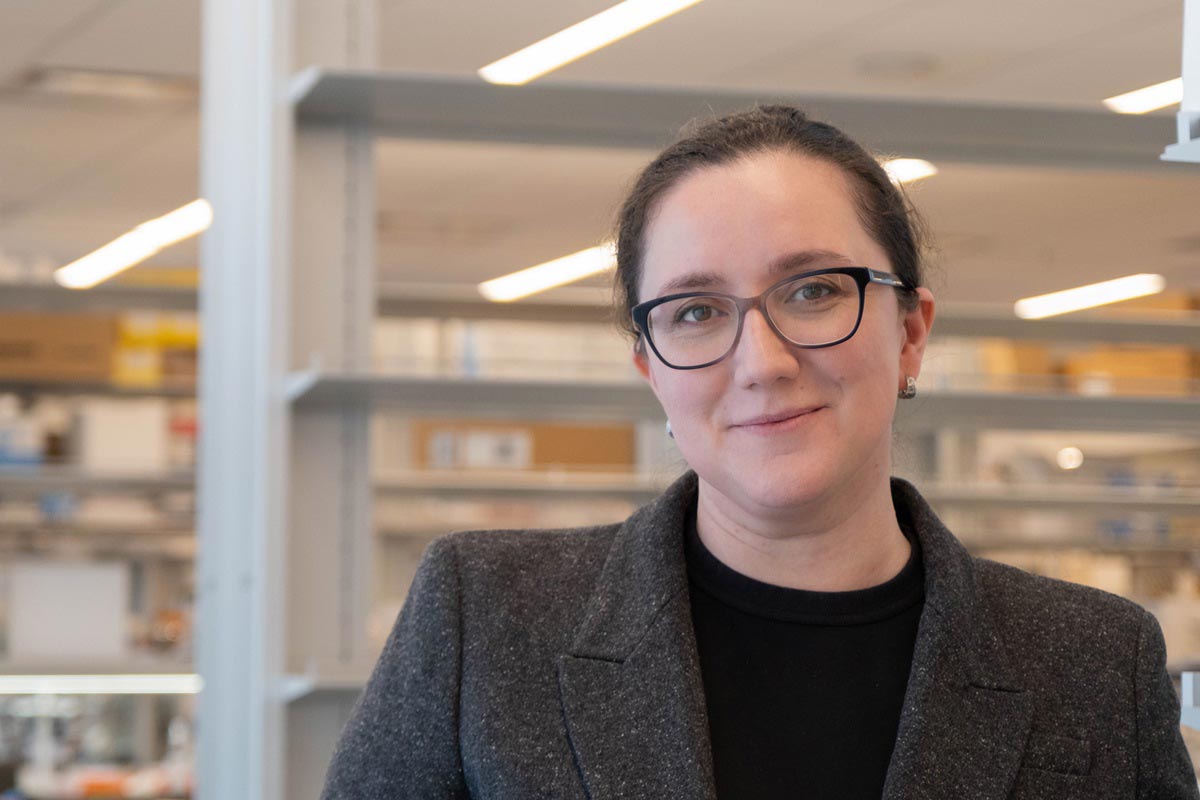
“Conventional wisdom says that packaging a gene’s DNA into nucleosomes would block or slow down the cell’s ability to read out that gene to make functional proteins, like protein X,” Dr. Risca says. “But in complex organisms like humans and in the viruses that infect us, gene regulation is not always so straightforward. The presence and the positioning of nucleosomes on DNA can be important in directing cellular mechanisms to transcribe some genes. We found that to be the case for the HBV gene encoding protein X — the presence of nucleosomes on the viral genome is necessary for the transcription of RNA that gives rise to functional protein X.”
Identifying a Promising Drug Candidate Against HBV
This discovery opens the door to understanding how the X gene is regulated and how HBV infection is established. Moreover, the researchers were elated to discover a potential therapeutic opportunity: If one could disrupt the formation of these chromatin structures, then one could disrupt the virus’s ability to start and maintain an infection.
The team tested five small-molecule compounds known to impair chromatin formation. Only one blocked the production of protein X in liver cells: an anticancer drug candidate called CBL137.
Importantly, it worked at very low concentrations — many times smaller than participants in clinical trials for cancer were receiving, and using doses that only affected the virus, but not human cells.
“This made us very optimistic about the possibility of developing a treatment approach while preventing or limiting side effects,” Dr. David says.
“Moreover, if these results are confirmed through additional study, we are optimistic the approach could be used to treat chronic infections for the first time — and therefore could represent a potential cure,” Dr. Schwartz adds.
Additionally, CBL137 might prove similarly useful to target or study other chromatinized DNA viruses like herpesviruses and papillomaviruses, the researchers note.
Next Steps for the Research
To further develop the team’s research toward a potential clinical trial, the next step would be to study the safety and effectiveness of CBL137 in animal models — though these are limited due to the narrow range of species HBV can infect, the researchers say.
All of the researchers stressed that the study wouldn’t have been possible without the close collaboration between the three institutions, which brought together the necessary expertise and technological resources — from MSK’s atomic force microscope to the Genomics Resource Center and High-Performance Computing Cluster at Rockefeller University.
“I think this is a sterling example of what makes the Tri-I such a great place to do science,” says Dr. Prescott, whose research has been supported by a prestigious F99/K00 grant from the National Cancer Institute, which funds promising researchers through graduate studies and postdoctoral training, helping them to establish independent careers. “Without the contributions from all the labs, this research would not have been possible. When it came time to find a place to do my postdoc, I was like, ‘Why would I ever leave?’ ”
Reference: “A nucleosome switch primes hepatitis B virus infection” by Nicholas A. Prescott, Tracy Biaco, Andrés Mansisidor, Yaron Bram, Justin Rendleman, Sarah C. Faulkner, Abigail A. Lemmon, Christine Lim, Rachel Tiersky, Eralda Salataj, Liliana Garcia-Martinez, Rodrigo L. Borges, Lluis Morey, Pierre-Jacques Hamard, Richard P. Koche, Viviana I. Risca, Robert E. Schwartz and Yael David, 20 February 2025, Cell.
DOI: 10.1016/j.cell.2025.01.033
Funding: NIH/National Cancer Institute, NIH/National Institutes of Health, U.S. National Science Foundation
Never miss a breakthrough: Join the SciTechDaily newsletter.
Follow us on Google and Google News.
1 Comment
any new updates on the study