
Close Menu
    Facebook X (Twitter) Instagram
    SciTechDaily
    • Biology
    • Chemistry
    • Earth
    • Health
    • Physics
    • Science
    • Space
    • Technology
    Facebook X (Twitter) Pinterest YouTube RSS
    SciTechDaily
    Home»Science»Skydiver Baumgartner Makes Jump From 13 Miles Above Earth’s Surface
    Science

    Skydiver Baumgartner Makes Jump From 13 Miles Above Earth’s Surface

    By SciTechDailyMarch 19, 2012No Comments2 Mins Read
    Facebook Twitter Pinterest Telegram LinkedIn WhatsApp Email Reddit
    Share
    Facebook Twitter LinkedIn Pinterest Telegram Email Reddit
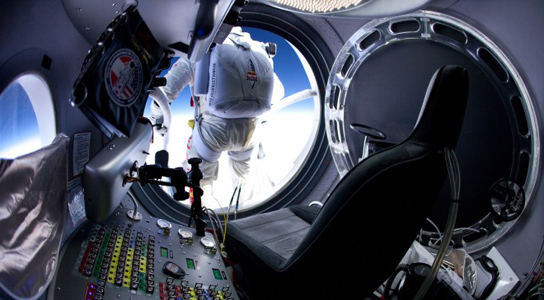
    baumgartner-13-mile-jump-capsule
    Felix Baumgartner 13-mile-jump capsule

    The daredevil skydiver Felix Baumgartner rode a pressurized capsule to an altitude of 71,580 feet, about 13.5 miles (21.7 kilometers), situated in the stratosphere, and jumped off. Baumgartner reached speeds of 364.4 mph (586.4 kph), 534 feet per second, during his freefall that lasted 3:43.

    The overall time of his descent was 8:08. Baumgartner is the third person in history to have jumped from such a height. The jump was a test run for another jump he’ll do later this summer, in which he plans to jump from 23 miles (37 kilometers) up, nearing the end of the stratosphere.
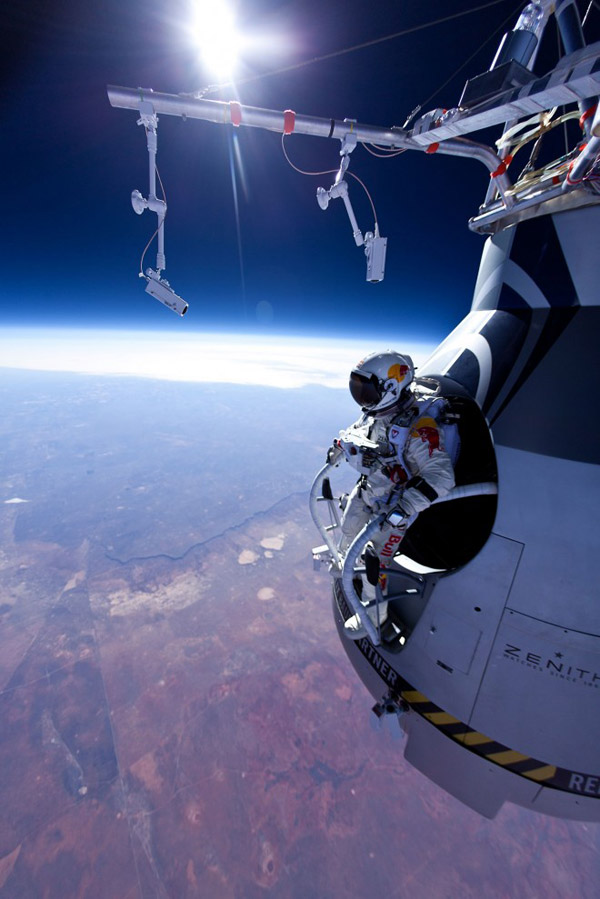
    baumgartner-ready-to-jump

    Baumgartner has done over 2,500 jumps in his career and rode up in a pressurized capsule that was dangling from a 165-foot (50-meter) helium balloon for this one. The jump was a test of the capsule, his pressurized suit, and other systems.

    At that height, the temperature plummets to about -75˚F (-59˚C). When he jumps from 120,000 feet (22.7 miles or 36.6 kilometers)), Baumgartner expects to break the speed of sound and freefall for about 5.5 minutes. If successful, he’ll beat Kittinger’s jump from 102,800 feet (19.5 miles) that was established in 1960.

    The Red Bull Stratos team wants to break three records that have stood for more than 50 years. They include the highest manned balloon flight, the first person to break the speed of sound in freefall and the longest freefall.

    Baumgartner plans another test run at 90,000 feet (17 miles or 27.4 kilometers) before attempting 120,000 feet this summer.
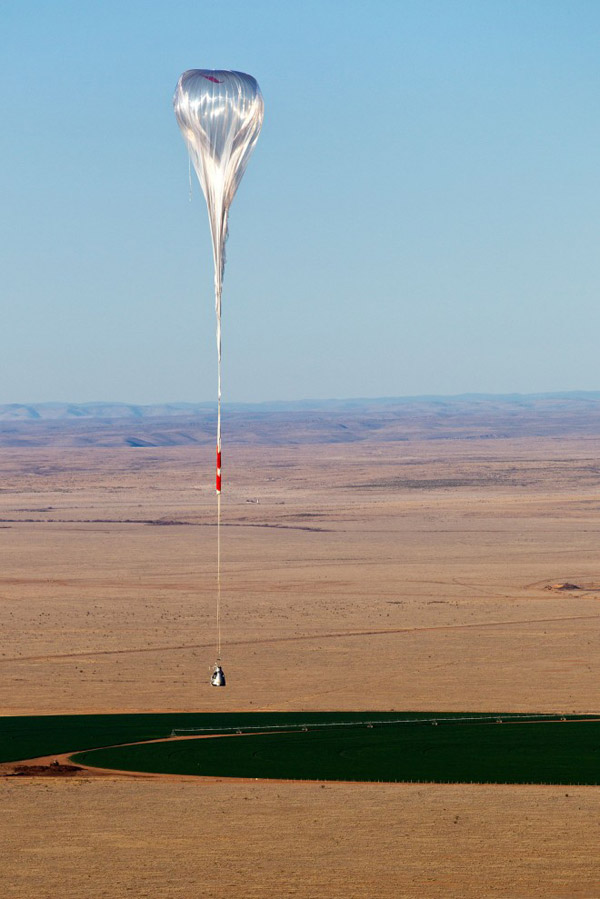
    baumgartner-capsule-helium-balloon

    Never miss a breakthrough: Join the SciTechDaily newsletter.
    Follow us on Google and Google News.

    High Altitude Orbit Stratosphere
    Share. Facebook Twitter Pinterest LinkedIn Email Reddit

    Related Articles

    Researchers Decode the Mystery of Blue Lightning Flashes

    Leave A Reply Cancel Reply

    • Facebook
    • Twitter
    • Pinterest
    • YouTube

    Don't Miss a Discovery

    Subscribe for the Latest in Science & Tech!

    Trending News

    Scientists Uncover Promising New Strategy To Stop Parkinson’s in Its Tracks

    Experts Reveal the Surprising Cancer Link Behind a Common Vitamin

    This Strange “Golden Orb” Found 2 Miles Deep Stumped Scientists for Years

    Giant “Last Titan” Dinosaur Discovered in Thailand Was Bigger Than 9 Elephants

    This “Longevity Gene” May Protect the Brain From Aging and Dementia

    Common Cleaning Chemical Could Triple Your Risk of a Dangerous Liver Disease

    Scientists Discover Bizarre 100-Million-Year-Old Insect With Giant Claws

    Scientists Discover “Good” Gut Microbes That Could Protect Against Autism and ADHD

    Follow SciTechDaily
    • Facebook
    • Twitter
    • YouTube
    • Pinterest
    • Newsletter
    • RSS
    SciTech News
    • Biology News
    • Chemistry News
    • Earth News
    • Health News
    • Physics News
    • Science News
    • Space News
    • Technology News
    Recent Posts
    • Scientists Warn Many Insects May Not Survive a Warming World
    • Hektoria Glacier Collapse Reveals How Fast Antarctica Can Fall Apart
    • Hidden Earthquake Threat: Oregon’s Fault May Be Closer to the Surface Than Scientists Thought
    • Scientists Use Smartwatch Data To Track the Hidden Health Effects of Air Pollution
    • The Human Body Isn’t Perfect – It Was Improvised by Evolution
    Copyright © 1998 - 2026 SciTechDaily. All Rights Reserved.
    • Science News
    • About
    • Contact
    • Editorial Board
    • Privacy Policy
    • Terms of Use

    Type above and press Enter to search. Press Esc to cancel.