
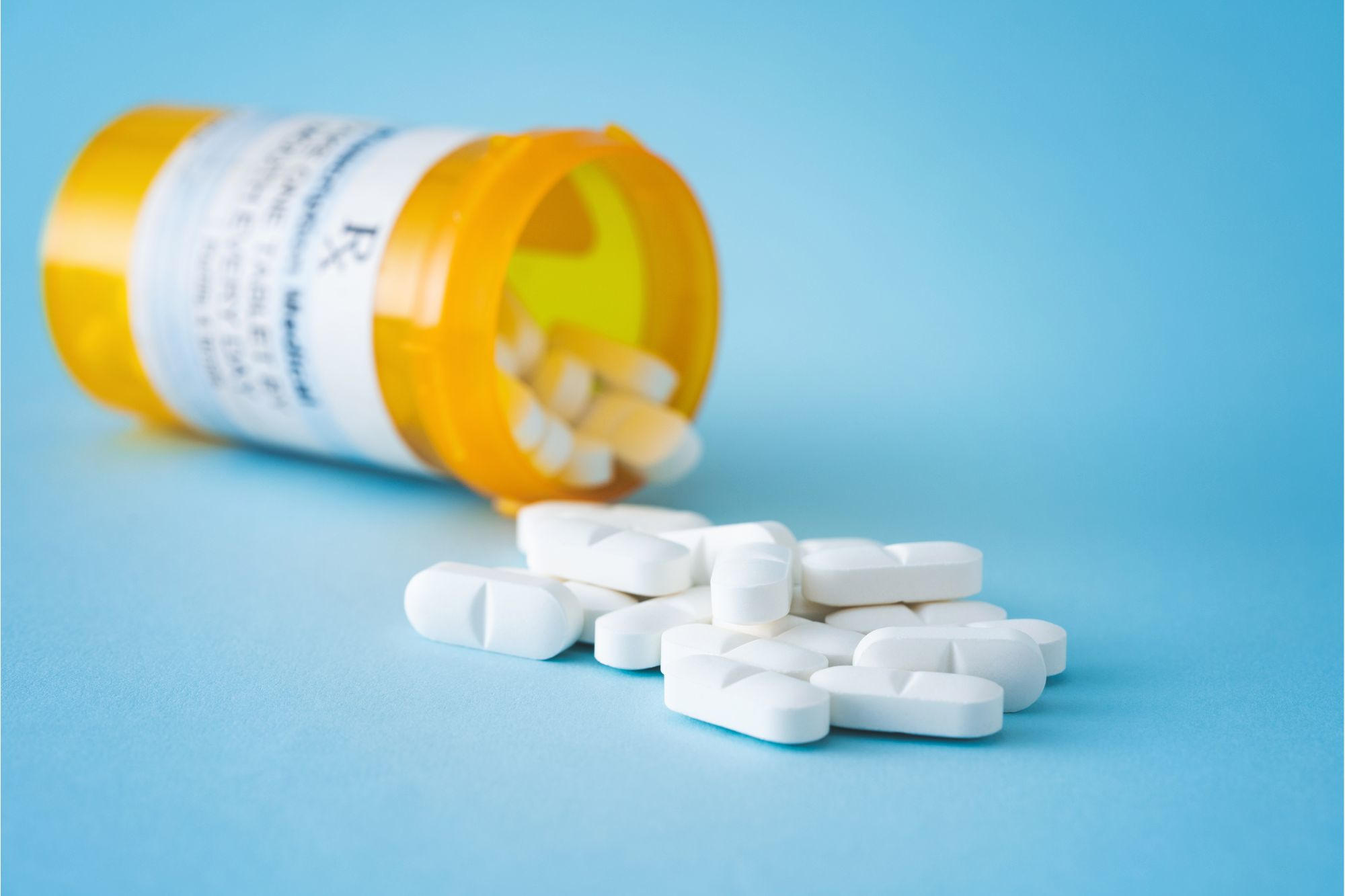
New safety study links sedative use to increased stroke risk.
A large UK study involving more than 165,000 people with dementia has found that the drug risperidone increases the risk of stroke in all patients studied, undermining the idea that there is any group for whom the drug is clearly safe.
Risperidone is a strong antipsychotic that is often prescribed to people with dementia who experience severe agitation, particularly in care home settings when non-drug approaches have not worked.
The researchers found that stroke risk increased even among patients with no prior history of heart disease or stroke. This challenges existing assumptions about which patients might safely use the drug and raises concerns about how risperidone, the only licensed medication of its kind for dementia, is prescribed and monitored.
The results, published in the British Journal of Psychiatry, are expected to spark debate about current clinical practice.
Risk holds across patient profiles
One of the most notable findings was the uniformity of risk across different patient groups, said Dr. Byron Creese of Brunel University of London. “We knew Risperidone causes stroke, but we didn’t know whether some groups of people might be more at risk than others. We thought if we might identify characteristics that make people more at risk, doctors could avoid prescribing to patients with those characteristics.”
Around half of people living with dementia experience agitation, which can cause intense distress for both patients and caregivers. When non-drug treatments fail, risperidone is sometimes used as a last option. The new findings intensify the difficult decisions faced by clinicians and families, who must balance the drug’s potential to reduce extreme agitation against its clearly elevated risk of stroke.
Gaps in guidance and monitoring
The drug, used to calm aggression, carries known risks of stroke in elderly patients. Yet there is still no dementia-specific guidance on how doctors should monitor those dangers. NHS guidelines limit risperidone use to six weeks for severe symptoms, but many patients take it longer, with monitoring standards varying across the country.
There are no UK-licensed alternatives for risperidone in such cases, says Dr. Creese, so it is about making sure the risks are clearly explained and carefully weighed. People with a history of stroke already face a high risk of another stroke. If a stroke happens after taking risperidone, it may not be just because of the drug. Doctors only use risperidone as a last resort. “These findings give clearer information about who is most at risk, which helps everyone make more informed choices. Every decision should be based on what is right for each person, through honest conversations between doctors, patients, and families.”
What the data show
The team analyzed anonymized NHS records between 2004 and 2023, comparing patients prescribed risperidone with matched controls who were not. In people with a history of stroke, the annual rate per 1000 person years jumped to 22.2 percent on risperidone, compared with 17.7 percent in those not taking it. In patients who’d not had a stroke, the rates were lower but still significant—2.9 percent versus 2.2 percent. And the risk was higher in patients taking the drug over the short term (12 weeks).
“We hope that these data can be used in updated guidance that is more person-centered and based on particular patient characteristics,” said Dr. Creese.
Reference: “Risk of stroke associated with risperidone in dementia with and without comorbid cardiovascular disease: population-based matched cohort study” by Joshua Choma, Alys Griffiths, William Henley, Christoph Mueller, Nefyn Williams, Clive Ballard, Rhian Hopkins, Katherine G. Young, John M. Dennis and Byron Creese, 9 October 2025, The British Journal of Psychiatry.
DOI: 10.1192/bjp.2025.10419
Never miss a breakthrough: Join the SciTechDaily newsletter.
Follow us on Google and Google News.